Skip links

Solar Panels Permit Requirements | El Dorado Hills

Planning rooftop solar can feel straightforward until you hit the paperwork. In El Dorado Hills, solar panels permit requirements often include a building permit, an electrical review, inspections, and utility approval before the system goes live. When you choose a contractor who owns the paperwork and communication, you protect your schedule and your budget.

Quick checklist:

  • Verify roof condition first; plan reroof timing before installing panels.
  • Size the system from real kWh usage and shading, not just panel count.
  • Compare inverter options (microinverters vs string + optimizers) and monitoring.
  • Confirm permitting and utility interconnection responsibilities and timeline.
  • Review the contract (warranties, production assumptions, exclusions, roof penetrations).
  • Confirm any electrical panel upgrades and inspection steps.

TL;DR: Most delays come from incomplete plans, unclear responsibility for permits, or surprises at the electrical panel. Get every quote in writing with the equipment list, who pulls permits, and how inspections get scheduled. Request a written estimate at https://usconstructioncali.com/free-estimate/ or call +1 (916) 234-6696.

  • Confirm which agency handles permits for your exact address.
  • Share roof photos, main electrical panel photos, and your latest electric bill.
  • Ask who pulls permits and who schedules inspections.
  • Clarify how changes (roof or panel upgrades) get priced and approved.
  • Get one point of contact and a written timeline for design through approval to operate.
  • Verify licensing and insurance before you sign.

Contractor Selection Checklist For Solar Panels Permit Requirements

DecisionWhy it mattersQuick check
Roof conditionInstalling over an aging roof risks rework later.Inspect first and plan reroof timing if needed.
System sizeDetermines cost and energy offset.Size from real kWh usage and shading.
Inverter typeAffects monitoring and shade performance.Compare microinverters vs string + optimizers.
Permits & interconnectionApprovals can drive the schedule.Ask who handles permits/utility and expected timelines.

Permits and inspections are where many solar projects stall, not because the work is impossible, but because someone misses details that plan review and inspectors look for. For example, A solid contractor helps you surface those details early—roof condition, attachment plan, electrical panel capacity, and any access or safety notes—so the permit packet goes in complete.

Checklist You Can Use On Every Bid

  • Site visit: They look at your roof and electrical panel in person (or via clear photos/video), also not just satellite images.
  • Permit ownership: They confirm who pulls the permit and they put it in writing.
  • Plan set quality: They provide a roof layout, site plan, and a one-line electrical diagram with equipment models listed.
  • Roof attachment details: They explain how penetrations are flashed and sealed, and how they protect the roof warranty.
  • Electrical scope clarity: They call out any likely panel work, labeling, or trenching in the scope—no vague allowances.
  • Scheduling: They explain how inspection requests are handled and who meets the inspector on site.
  • Change control: They use written change orders so surprises don’t turn into arguments.

This is especially important if you’re combining solar with a re-roof, adding a battery, or you need an electrical service upgrade. As a result, Those choices can change the drawing set and the inspections, so it pays to line them up before you sign a contract.

What To Ask Before You Hire

Good questions reveal whether a contractor will protect your timeline or hand you a stack of “homeowner tasks” after you’ve already paid a deposit. Additionally, Use the list below during bids, and compare answers side by side.

  • Which jurisdiction handles the permit for my specific El Dorado Hills address?
  • Will you pull the permit under your company, or ask me to pull it as the homeowner?
  • What drawings and documents are included in the plan set, and who responds to plan-check comments?
  • Do you include a structural review if the permit reviewer asks for it?
  • How do you evaluate the main electrical panel, and what upgrades might be required?
  • Who submits the utility interconnection application and tracks approval to turn the system on?
  • What is your communication cadence during plan review and inspection scheduling?
  • Can you show the full equipment list (panel, inverter, racking, disconnects) in the written estimate?

If you want to move quickly, ask for a written estimate that lists the equipment, the permit responsibilities, and your expected schedule. For this reason, That document becomes your baseline if something changes later.
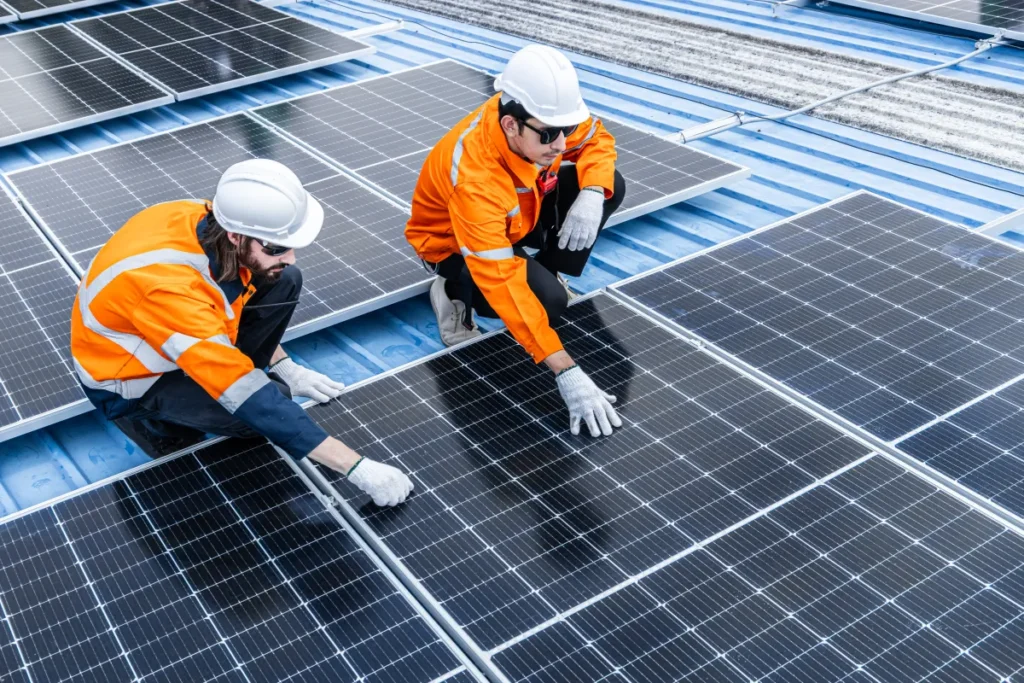
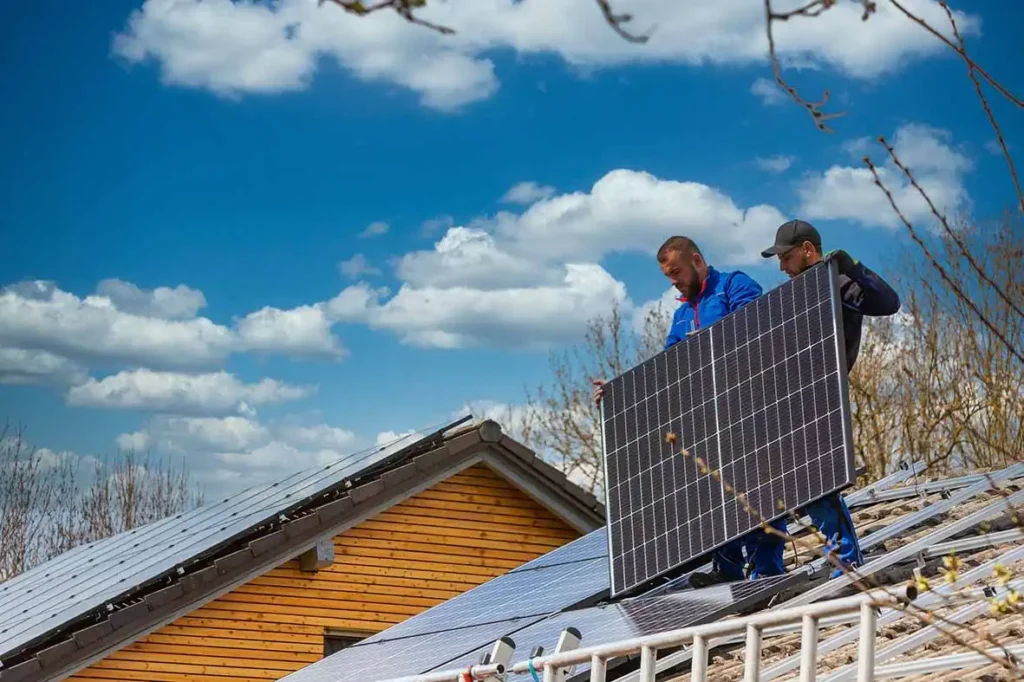
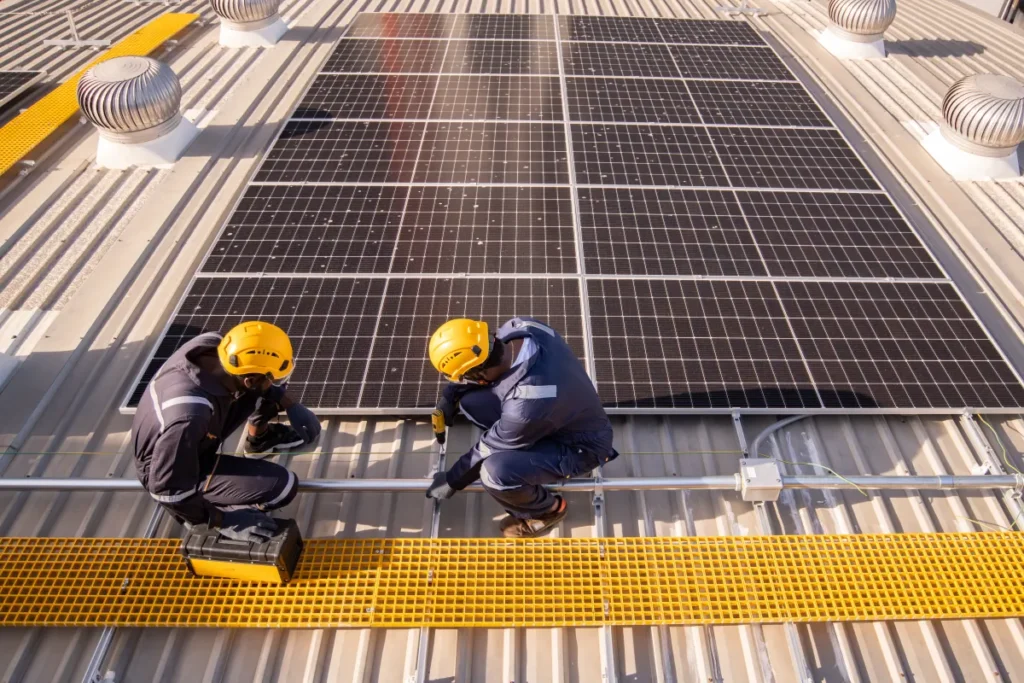
solar panel professional engineer service solar panel worker

Red Flags And How To Verify Licensing For Solar Panels Permit Requirements

Solar work ties into your roof and your electrical system, so you want accountability. Meanwhile, Pricing matters, yet the contractor’s ability to legally pull permits, pass inspections, and honor the contract matters more when issues show up.

Red Flags That Usually Become Delays

  • They promise to “skip permits” or say inspections aren’t needed.
  • They quote without reviewing your roof condition and main electrical panel.
  • They won’t put the equipment models and scope in writing.
  • They push a large upfront payment before plans or a permit application exist.
  • They can’t explain who schedules inspections or who will meet the inspector.
  • They suggest you pull permits to keep their name off the paperwork.

In California, you can verify a contractor’s license status through the Contractors State License Board. Also, Use the public lookup tool here: https://www.cslb.ca.gov/OnlineServices/CheckLicenseII/CheckLicense.aspx.

How To Verify The Basics

  • Match the license name to the contract name (not just the salesperson’s name).
  • Confirm the license is active and the classification fits the work being proposed.
  • Ask for proof of insurance and keep a copy with your contract.
  • Request a clear change-order policy in writing before work starts.

Permits, Inspections, And Paperwork

Most residential solar projects require permits and inspections because the work affects structural loading, weatherproofing, and electrical safety. In addition, A well-prepared permit packet keeps plan review simple and reduces the chance of rework after installation.

Permit Notes For El Dorado Hills Addresses

El Dorado Hills is typically unincorporated, so permits are commonly handled through El Dorado County Building Division online services. Overall, Since jurisdiction can vary by exact address and scope, confirm the permitting agency early and make sure your contractor submits under the correct jurisdiction.

Paperwork You Should Expect In A Complete Package

  • Site plan and roof layout showing panel placement and clearances.
  • Attachment details for the roof type (how the racking is fastened and sealed).
  • One-line electrical diagram and equipment cut sheets.
  • Placard and labeling details for required shutoffs and safety notices.
  • Battery storage details if you add storage (location, clearances, and ventilation needs).

Inspections And Sign-Offs

After installation, the jurisdiction typically performs a building and/or electrical inspection. As a result, If the inspector issues corrections, your contractor should handle updates and rescheduling quickly. In addition, Once the project passes inspection, the utility step (permission to operate) usually follows before the system is fully energized.

Decision to lock inWhy it affects approvalsWhere it shows up
Array layoutImpacts roof loading review and access considerationsRoof plan
Main panel capacityMay trigger an electrical upgrade or additional equipmentOne-line diagram
Roof conditionCan require repair coordination before attachmentsAttachment details
Battery option (if any)Adds equipment, clearances, and inspection stepsEquipment specs

If you’re comparing bids, ask each contractor to explain what could change the permit scope and how they handle it in writing. Additionally, That one conversation often prevents the biggest surprises.

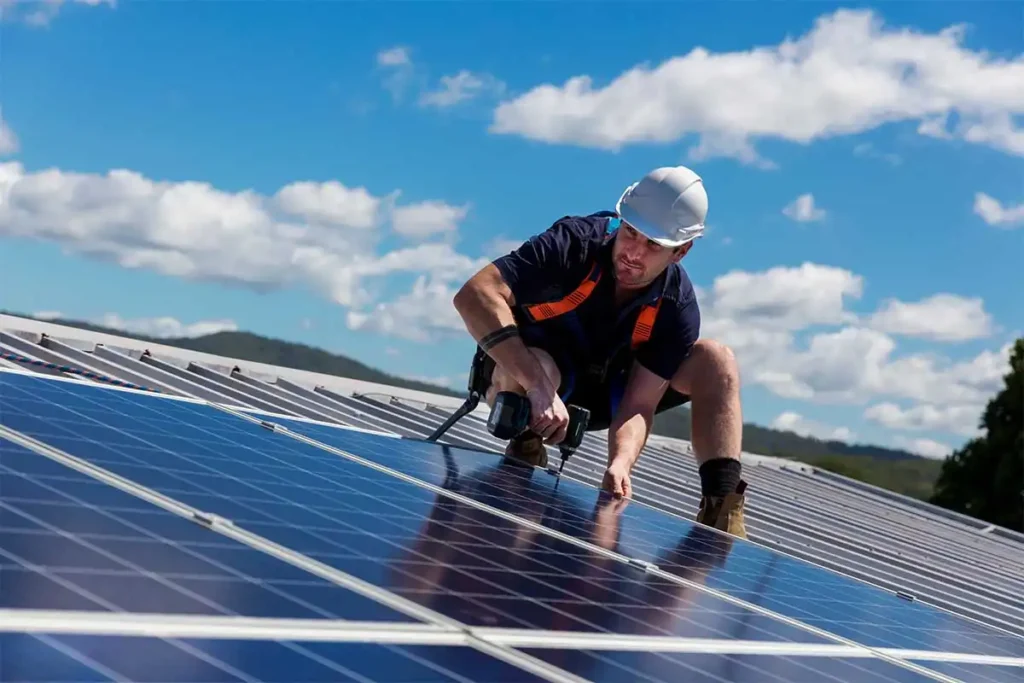
solar panel professional engineer with safety helmet checking

Timeline And Communication Expectations

A clean installation can happen in a day or two, yet the full project timeline depends on design finalization, plan review, inspections, and utility approval. As a result, Clear communication keeps you from guessing where things stand, especially when multiple parties are involved.

Typical Timeline (Ranges, Not Promises)

  • Site assessment + written estimate: about 2–7 days, depending on scheduling and how quickly you share photos/documents.
  • Design and plan set prep: about 3–10 days once equipment choices and layout are confirmed.
  • Permit review: often 1–6+ weeks depending on jurisdiction workload and plan-check comments.
  • Installation: commonly 1–3 days for many homes, with longer durations for complex roofs or electrical upgrades.
  • Inspections: scheduling can take days to a few weeks; corrections add time if anything needs adjustment.
  • Utility permission to operate: timing varies; keep this step in your plan so activation doesn’t surprise you.

Communication Expectations To Set In Writing

  • One point of contact who answers questions and provides updates during plan review.
  • A shared checklist showing what’s pending: plans, submittal, corrections, inspections, and utility approval.
  • How changes get approved (written change orders) and how pricing is calculated.
  • Who is present for inspections and how quickly re-inspections get scheduled if needed.

Maintenance And Care After Installation

Solar arrays are generally low-maintenance, but a little attention protects performance and your roof. Additionally, Set expectations with your installer on what you should do yourself and what they will service.

  • Keep panels clear of heavy debris and rinse dust when safe to do so from the ground or with professional help.
  • After major storms, visually check for shifting, broken glass, or loose conduit—then call your installer if anything looks off.
  • Keep documentation (equipment spec sheets, inspection sign-offs, warranty terms) in one folder for future service or home sales.
  • Confirm who handles roof-leak concerns at penetrations and how warranty claims are submitted.

Accessibility And Safety Planning

If you’re planning to stay in the home long-term, prioritize safe access and clear controls. For example, That way, you don’t need to climb on the roof to manage the system.

  • Ask for accessible shutoff locations and clear labels so you can identify controls without guesswork.
  • If mobility is a concern, request a walkthrough focused on what you can check from the ground.
  • Coordinate panel and battery locations so pathways stay clear and service access remains straightforward.
  • Confirm the contractor’s safety plan for roof work, including how they protect landscaping and entry areas.

US Construction & Remodeling Corp. Also, helps homeowners in El Dorado Hills plan the scope, paperwork, and schedule so the installation day isn’t the first time you learn about permit steps. In addition, For an estimate-first start, send your address, your most recent electric bill, and photos of your roof and main electrical panel. As a result, Book a free estimate at https://usconstructioncali.com/free-estimate/ or call +1 (916) 234-6696.

Helpful Links

Frequently Asked Questions

In most cases, yes. Most solar panels permit requirements involve submitting plans for review, getting approvals, and passing inspections because the work affects both the roof and the electrical system.

Because El Dorado Hills addresses can fall under different jurisdictions depending on the exact location and scope, confirm the permitting agency early and make sure the application matches that jurisdiction.

Permit and plan-check fees vary by jurisdiction and by project scope, so it’s hard to quote a single number without reviewing the plans. Costs can also change if the project needs extra engineering, re-inspections, or electrical upgrades.

Ask your contractor to spell out, in writing, whether permit fees are included, treated as an allowance, or billed separately. If they exclude fees, ask for an estimated range and what would cause it to change.

In many projects, the contractor pulls the permit and schedules inspections, while the homeowner signs required owner authorizations. That setup keeps accountability clear and helps the inspector know who owns corrections.

Be cautious if a contractor pressures you to pull permits yourself just to “save time.” Instead, ask them to put permit responsibility in writing as part of the contract.

Delays usually come from avoidable gaps: incomplete drawings, missing equipment sheets, or a mismatch between the jobsite address and the jurisdiction on the application.

  • Electrical panel constraints: limited capacity can require added scope.
  • Roof condition: repairs or a re-roof may need coordination before attachments.
  • Plan-check comments: quick responses keep the file moving.
  • HOA requirements: if applicable, get architectural approvals early so they don’t stall scheduling.

A solid estimate should read like a scope document, not a one-line price. It should spell out what you’re buying, what’s included, and what happens if conditions change.

  • Equipment list (panel models, inverter, racking, disconnects)
  • Proposed layout and any roof access notes
  • Who pulls permits and who schedules inspections
  • Any assumed electrical upgrades or exclusions
  • Warranty responsibility (equipment vs workmanship)
  • Payment schedule and written change-order terms

Timelines vary, but a typical project includes several phases: design, permit review, installation, inspections, and utility permission to operate. Many homes move through the install step quickly, while plan review and approvals can add the most time.

Ask for a timeline with ranges and the contractor’s communication commitments (updates during plan review, who schedules inspections, and how corrections get handled).

Plan for simple upkeep and periodic checks, not constant attention. Your installer should explain what you can inspect safely from the ground and what should be handled by a professional.

  • Keep the array clear of heavy debris and rinse dust when it’s safe.
  • After storms, do a visual check for damage and call for service if something looks off.
  • Save permits, inspection sign-offs, and warranty documents for future service or resale.
  • Confirm who to contact for roof-leak concerns at penetrations.

Licensed, insured & trusted local contractor

US Construction & Remodeling Corp.
9821 Business Park Dr, Sacramento, CA, 95827
Phone: +1 (916) 234-6696

CSLB License #: 1117562 Fully licensed and insured.

View our Google Business Profile

Leave a comment

This website uses cookies to improve your web experience.
Explore
Drag