Skip links

Solar Panels Timeline in El Dorado Hills: Checklist & FAQs

Homeowners searching for a “solar panels timeline el” usually want one thing: clear dates they can plan around in El Dorado Hills. The crew time on the roof is often short; coordination and approvals usually set the pace.

Quick checklist:

  • Verify roof condition first; plan reroof timing before installing panels.
  • Size the system from real kWh usage and shading, not just panel count.
  • Compare inverter options (microinverters vs string + optimizers) and monitoring.
  • Confirm permitting and utility interconnection responsibilities and timeline.
  • Review the contract (warranties, production assumptions, exclusions, roof penetrations).
  • Confirm any electrical panel upgrades and inspection steps.

This guide lays out typical milestones, high-level permit/inspection checkpoints, and a practical checklist you can use before you commit. For a timeline built around your roof and electrical setup, request a free estimate at https://usconstructioncali.com/free-estimate/ or call +1 (916) 234-6696.

TL;DR: Paperwork, inspections, and utility approval often take longer than the physical install. Decide on roof and electrical prep early to avoid redesigns and rescheduled inspections.

  • Confirm roof readiness (repairs or replacement) before final design.
  • Check main electrical panel capacity and breaker space.
  • Decide now: panels only, or panels + battery backup.
  • If you have an HOA, ask about solar review steps and response times.
  • Get a written milestone list: design approval, permit submittal, install window, inspection, utility sign-off.
  • Plan access for inspectors (attic/garage/electrical equipment) on inspection day.

Set Expectations Before You Sign For Solar Panels Timeline El

DecisionWhy it mattersQuick check
Roof conditionInstalling over an aging roof risks rework later.Inspect first and plan reroof timing if needed.
System sizeDetermines cost and energy offset.Size from real kWh usage and shading.
Inverter typeAffects monitoring and shade performance.Compare microinverters vs string + optimizers.
Permits & interconnectionApprovals can drive the schedule.Ask who handles permits/utility and expected timelines.

Solar projects feel “fast” only when the upfront planning is done. Also, A solid timeline reduces surprises, helps you coordinate time off work, and keeps roof or electrical prep from turning into last-minute change orders.

When you ask for a solar panels timeline el estimate, make sure it includes the approval and inspection steps—not just the installation date. For example, That way, you can compare proposals on real schedule commitments.

US Construction & Remodeling Corp. As a result, helps homeowners in El Dorado Hills plan the sequence, coordinate prep work, and keep the schedule focused on the dates that matter—permit submittal, inspections, and utility approval.

Permits, Timeline, And What To Expect

Most residential systems follow the same broad path: evaluate the site, finalize a design, submit for permits, install, pass inspections, and obtain utility approval to turn the system on. For this reason, Your exact schedule depends on the home, the equipment you select, and how quickly approvals move through.

Who This Planning Guide Fits

  • You want rooftop solar but need a realistic calendar, also not a guess.
  • You’re coordinating roof work, electrical upgrades, or other remodeling at the same time.
  • You prefer a checklist-driven plan so you can approve decisions quickly.

Accessibility And Safety Considerations (Easy To Plan Early)

Even though solar equipment is “set and forget,” placement choices can make future maintenance safer—especially for homeowners planning to age in place. Meanwhile, During planning, it helps to think about access, labeling, and clear pathways.

  • Place inverters and shutoffs where you can reach them without ladders or tight crawlspaces.
  • Keep working clearances around electrical equipment so an electrician can service it safely.
  • If you’re adding a battery, choose a location that stays accessible and protected from impact.
  • Ask for clear labeling so anyone in the home can identify shutoffs in an emergency.

If you want to walk through schedule risks early, book a planning call: https://usconstructioncali.com/free-estimate/.
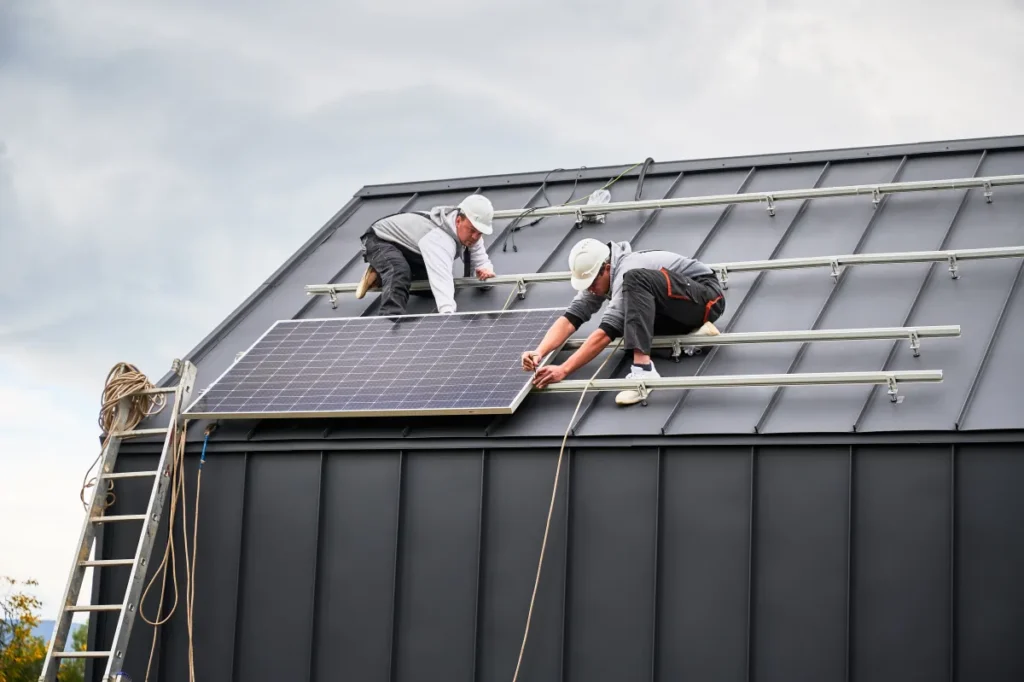
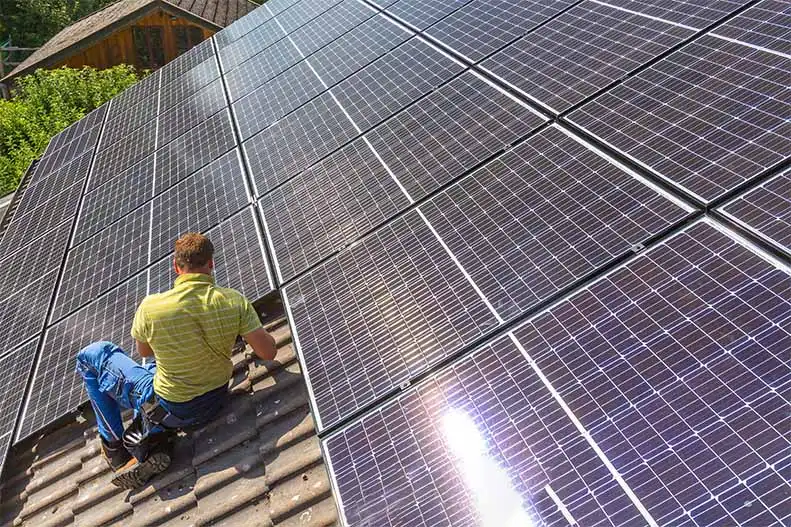
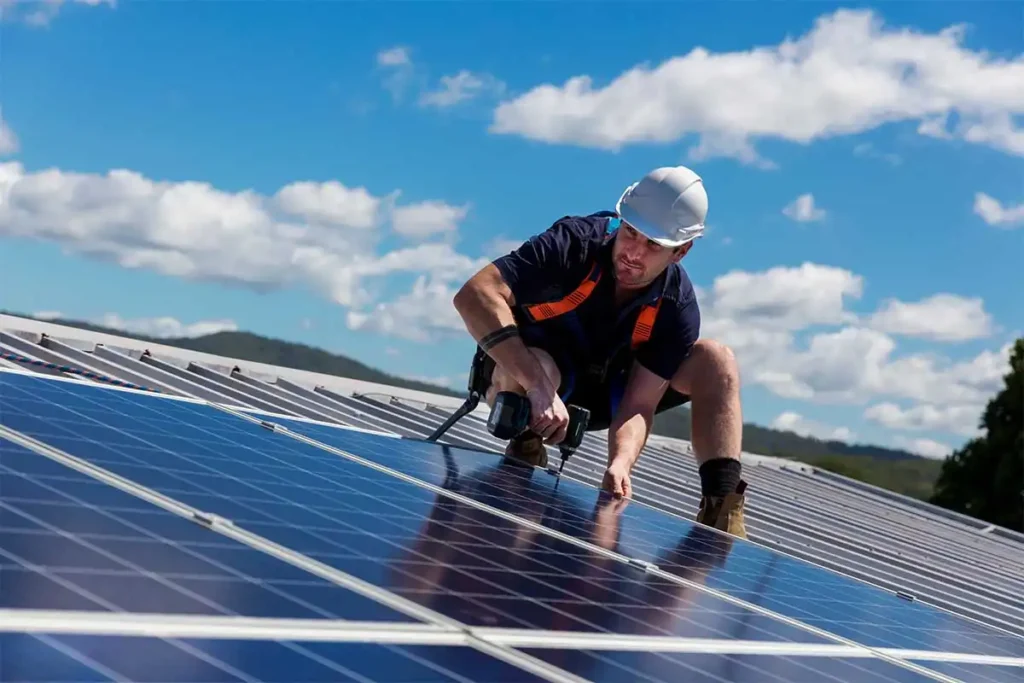
metal roof installation technicians installing photovoltaic solar panels o

When Permits Are Typically Necessary (General) For Solar Panels Timeline El

In California, most rooftop solar installations require permits and inspections, even when the work seems straightforward. Overall, The permitting path can involve building and electrical review, and the approving authority depends on the property’s jurisdiction.

For El Dorado Hills addresses, the project is often handled through El Dorado County Building Division online services, although the exact process can vary by address and scope. In addition, A good installer confirms the jurisdiction up front and submits complete plans so plan review doesn’t stall.

Permit And Inspection Checkpoints

  • Plan set + application: system layout, mounting approach, and electrical details are prepared for submittal.
  • Plan review: the reviewer may request clarifications or revisions; quick responses keep things moving.
  • Installation: work is completed per the approved plans.
  • Inspections: the jurisdiction inspects the installation for workmanship and code compliance.
  • Utility approval: interconnection paperwork is finalized before the system is energized.

Permits don’t have to be intimidating; what matters is aligning decisions early (equipment, layout, electrical scope) so the plans match what gets built.

Typical Milestones

A typical solar schedule has two “fast” windows (design and install) and a few steps that can stretch based on reviews and scheduling. Additionally, The ranges below are meant to help you plan realistically; your contractor should confirm timing once the site review is complete.

Typical Phase-By-Phase Schedule (Ranges)

  • Site review + measurements: 1–7 days (sometimes same week).
  • Design + proposal review: about 3–10 days, depending on revisions.
  • Permit preparation + submittal: about 2–7 days after design approval.
  • Jurisdiction review window: varies widely; plan corrections can add time if details are missing.
  • Installation on site: 1–3 days for many homes (larger systems may take longer).
  • Inspection scheduling + sign-off: commonly 1–14 days depending on availability.
  • Utility permission to operate: timing varies; paperwork completeness matters.
Decision / Scope itemWhy it affects scheduleBest time to decide
Roof repairs or replacementChanges layout, timing, and accessBefore final design
Main electrical panel conditionMay require separate work and inspectionsDuring site review
Battery backup (now vs later)Adds equipment, wiring, and inspection stepsBefore permit submittal
Conduit path (attic vs exterior)Impacts install complexity and approvalsDuring design review
HOA/architectural review (if applicable)Approval timing can control start dateBefore ordering equipment

Inspection Notes (High Level)

Inspections typically focus on safe mounting, weatherproofing, and correct electrical connections. As a result, It helps to ensure the installer follows the approved plan set and keeps labeling and shutoff access clear for inspectors and homeowners.

  • Mounting and flashing installed properly to protect the roof.
  • Electrical connections, conduit, and grounding installed to code.
  • Required safety devices and labels installed and easy to identify.
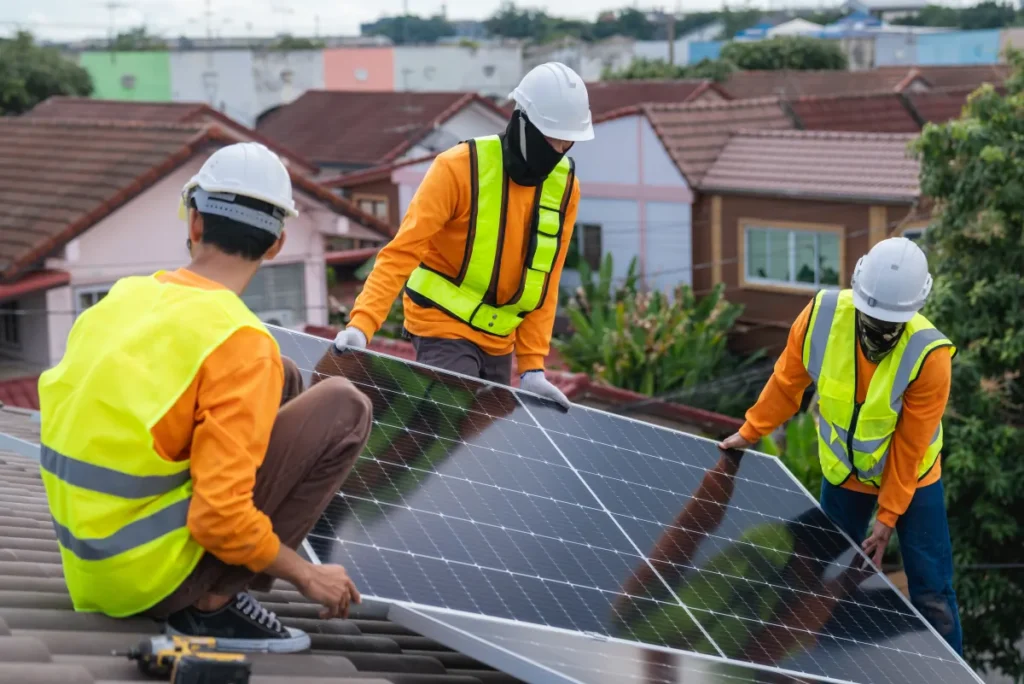
solar panel companies near me professional consultation

Decisions That Affect Schedule

Most timeline issues come from late decisions, not slow workmanship. Also, If you lock these items early, you reduce redesign loops and keep your inspection dates more predictable.

  • Roof scope: repair, replace, or proceed as-is (and confirm warranty implications).
  • System goals: offset target, future EV plans, and whether you expect to add a battery later.
  • Equipment placement: inverter location, shutoff access, and a clear path for conduit.
  • Electrical readiness: panel capacity, available breaker space, and any needed upgrades.
  • Home access: who will be present for install and inspection windows.
  • Paperwork: confirm who submits permits and utility interconnection forms, and when you need to sign.

Bring this checklist to a planning call and you’ll get more useful answers than “it depends.”

How To Avoid Delays

You can’t control every review queue, but you can control how complete your submittal and jobsite readiness are. Meanwhile, The goal is simple: keep the project moving from approval to inspection without rework.

  • Approve the final design promptly so ordering and submittals don’t pause.
  • Confirm roof and electrical prep work before the permit package is submitted.
  • Ask for an inspection-ready walk-through checklist from your installer.
  • Keep gates, attic access, and electrical equipment reachable on inspection day.
  • Set expectations for communication (who updates you, and how often).

Planning Mistakes That Slow Projects Down

These issues show up often, and they’re avoidable when you plan the schedule in one place.

  • Ordering equipment before design approval, then discovering the layout must change.
  • Skipping an electrical panel check until installation week.
  • Not clarifying HOA review timing (when an HOA applies).
  • Slow responses to plan-check comments or signature requests.
  • Assuming the system can be turned on immediately after installation (utility approval still matters).

Local Note For El Dorado Hills Homeowners

El Dorado Hills is commonly unincorporated, so permitting and inspection coordination is often handled through El Dorado County. Additionally, Because jurisdiction can vary by exact address and scope, confirm early which office or online service will process the application and how inspections are scheduled.

Book A Timeline-Focused Planning Call

If you want a clear solar panels timeline el built around your home’s roof and electrical setup, talk with US Construction & Remodeling Corp. In addition, Call +1 (916) 234-6696 or request a free estimate at https://usconstructioncali.com/free-estimate/.
Helpful Links

Licensed, insured & trusted local contractor

US Construction & Remodeling Corp.
9821 Business Park Dr, Sacramento, CA, 95827
Phone: +1 (916) 234-6696

CSLB License #: 1117562 Fully licensed and insured.

View our Google Business Profile

Leave a comment

This website uses cookies to improve your web experience.
Explore
Drag