
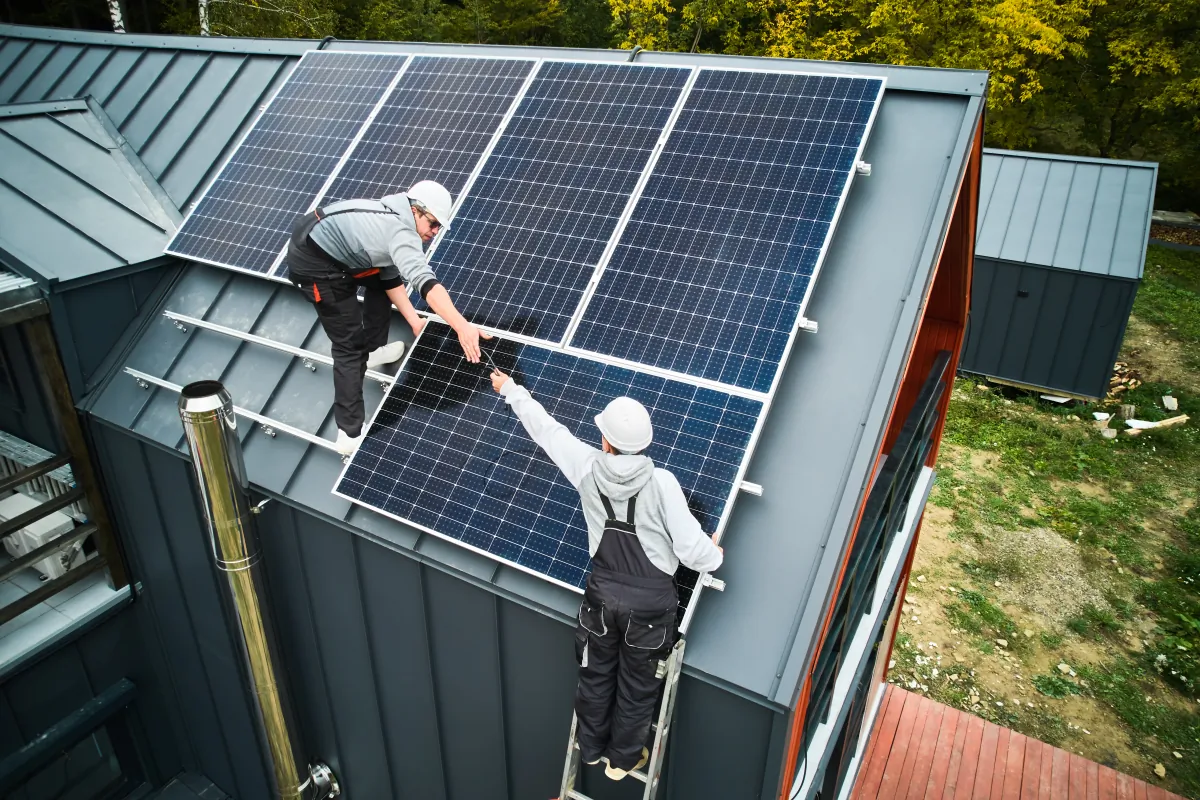
Solar Panels Timeline in Folsom: Permits, Phases & Checklist
Trying to pin down a solar panels timeline
folsom homeowners can actually plan around? Most delays come from late decisions—roof readiness, electrical capacity, and permit paperwork—rather than the install day itself.
TL;DR: A typical residential solar project moves through planning, permitting, installation, inspections, and utility approval. The roof work may finish quickly, but approvals and scheduling often set the overall calendar. Lock key choices early so the timeline stays predictable.
Quick Checklist (5-Minute Prep)
- Confirm your roof condition and whether a reroof is coming soon
- Take clear photos of your main electrical panel and meter
- Pull 12 months of electric bills (or usage history)
- Decide whether you want battery backup now or later
- Note HOA requirements and any roof-access constraints (if applicable)
- Pick a target start window and any hard deadlines
Want a schedule based on your actual home? Call +1 (916) 234-6696 for a quick consult, or book a free estimate at https://usconstructioncali.com/free-estimate/.
How To Plan Solar Panels Timeline In Folsom Without Surprises (Solar Panels Timeline Folsom)
| Decision | Why it matters | Quick check |
|---|---|---|
| Roof condition | Installing over an aging roof risks rework later. | Inspect first and plan reroof timing if needed. |
| System size | Determines cost and energy offset. | Size from real kWh usage and shading. |
| Inverter type | Affects monitoring and shade performance. | Compare microinverters vs string + optimizers. |
| Permits & interconnection | Approvals can drive the schedule. | Ask who handles permits/utility and expected timelines. |
Homeowners usually think of solar as a one-day install. As a result, In reality, your schedule depends on three things you can control: how fast you make decisions, how complete your documentation is, and how well the work lines up with permit and inspection steps.
Start by treating your solar plan like a mini project calendar. Additionally, Put decision dates on the calendar (equipment, battery/no battery, roof work), then build in buffer time for city review and inspection scheduling. As a result, That approach prevents a “we’re waiting on one thing” delay from turning into a month.
What Can Move Your Calendar
- Roof repairs or a planned reroof that should also happen before panels go on
- Main panel capacity (and whether you need an electrical upgrade)
- HOA review or design constraints (when applicable)
- Permit plan review and corrections that require resubmittal
- Inspection scheduling availability
- Utility approval before the system can operate
Planning Mistakes That Add Weeks
- Skipping a roof and attic check before finalizing the design
- Waiting to share electrical panel photos until after the contract is signed
- Assuming the install date is the “finish line”
- Changing equipment choices after plans are submitted
- Not deciding where equipment will go (inverter, disconnect, battery if included)
- Ordering non-returnable items before the design and paperwork are aligned
Define “Complete” Before You Pick A Start Date
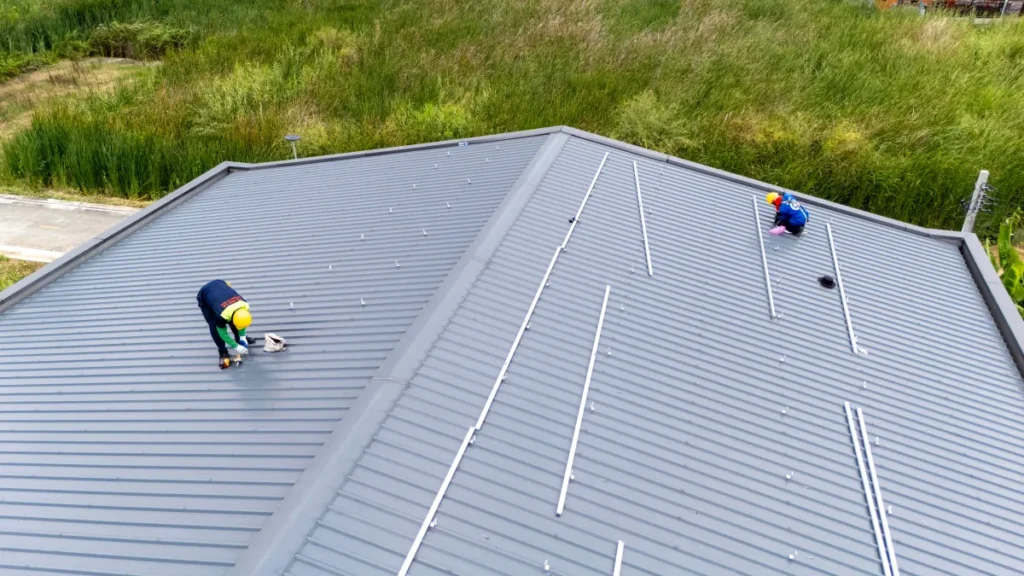
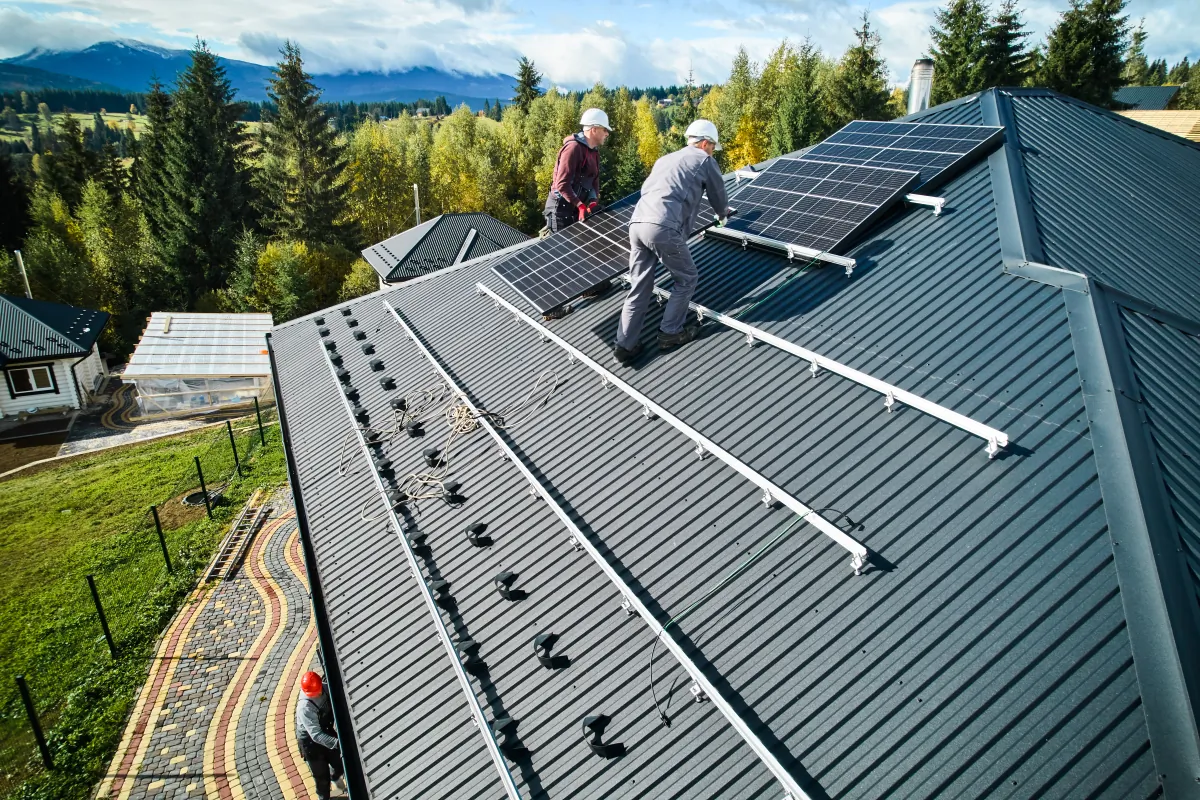
Ask your installer to separate the timeline into (1) paperwork and approval steps, (2) physical installation, and (3) final sign-offs. For this reason, You can plan vacations and work-from-home days around the install, but the project only feels finished when inspections are complete and you have authorization to turn the system on.
Scope, Budget, And Priorities
A tight scope keeps bids comparable and prevents change orders from rewriting the schedule. It also helps you decide what to handle now versus later (like a battery add-on or electrical upgrade).
Scope Decisions To Lock In Early
- Your goal: offset most usage or a portion of it
- Preferred panel placement (front-facing vs less-visible roof areas)
- Battery backup: yes now, later, or not needed
- Any roof work planned in the next few years
- Electrical constraints (panel space, service size, subpanel options)
- Aesthetics details that affect layout (conduit routing, equipment location)
Budget Checkpoints (What Usually Changes Price)
- Number of panels and equipment selections
- Roof complexity (steep pitch, multiple planes, limited access)
- Electrical scope (new circuits, panel work, trenching for detached areas)
- Battery storage and a critical-loads subpanel (if included)
- Drywall/paint touch-ups if wiring runs through finished spaces
Decision Snapshot
| Decision | Why it matters | Decide by |
|---|---|---|
| Roof readiness | Avoid removing panels later for reroofing or repairs | Before plans are finalized |
| Main electrical panel capacity | May expand the scope if upgrades are necessary | During the site evaluation |
| Battery backup vs no battery | Changes equipment, wiring, wall space, and inspection steps | Before permit submittal |
| Equipment location (inverter/disconnect) | Impacts access, appearance, and routing | Early design |
| Ownership/financing choice | Sets paperwork, timelines, and who handles certain filings | Before contract signing |
Accessibility, Safety, And Aging-In-Place Considerations
Solar planning is a good moment to think about safe access and future needs, especially if you plan to stay in the home long term.
- Choose equipment locations that are easy to reach and keep clear working space around the electrical panel
- If someone in the home relies on medical devices, consider backup power options and discuss critical loads early
- Plan exterior lighting near the panel and meter so you can access shutoffs safely at night
- Keep roof pathways and access points in mind for future maintenance
- Ask for a simple shutdown guide and labeling that a homeowner can follow

Permits & Inspections (General Guidance)
Permitting rules depend on scope and address, so use this as general guidance and confirm details with the City of Folsom and your utility provider. Meanwhile, Because the solar panels timeline folsom homeowners experience often hinges on review and inspection scheduling, align on who submits, pays, and schedules from day one.
For projects in Folsom, many homeowners track applications, plan review status, payments, and inspection scheduling through the City of Folsom ePermit Center (eTRAKiT). Also, That online workflow makes it easier to see where the project sits, even when multiple reviews are involved.
What Typically Gets Reviewed
- Building/electrical permit documentation for rooftop equipment and wiring
- Structural review when roof loading or attachment details require it
- Labeling and safety requirements tied to the electrical system
- On-site inspections before final sign-off
How To Avoid Permit Rework
- Provide roof photos and measurements that match the proposed layout
- Share electrical panel details early (main rating, breaker space, meter location)
- Confirm the equipment locations (inverter, disconnect, battery if included)
- Handle HOA requirements early if your neighborhood has them
- Keep one point of contact for corrections so resubmittals happen quickly
If you want a clear plan that ties together scope, paperwork, and scheduling, talk with our team at US Construction & Remodeling Corp. Overall, Call +1 (916) 234-6696 and we’ll help you map out a realistic sequence for your home.


