Skip links

Solar Panels Timeline in San Francisco: Checklist + Week-by-Week

Solar is a major home upgrade, and the schedule matters just as much as the equipment. If you're searching for a realistic solar panels timeline san in San Francisco, this guide breaks the project into clear milestones you can plan around.

TL;DR: Solar is a major home upgrade, and the schedule matters just as much as the equipment. If you're searching for a realistic solar panels timeline san in San Francisco, this guide breaks the project into clear milestones you can plan around.Use the checklist…

Quick checklist:

  • Verify roof condition first; plan reroof timing before installing panels.
  • Size the system from real kWh usage and shading, not just panel count.
  • Compare inverter options (microinverters vs string + optimizers) and monitoring.
  • Confirm permitting and utility interconnection responsibilities and timeline.
  • Review the contract (warranties, production assumptions, exclusions, roof penetrations).
  • Confirm any electrical panel upgrades and inspection steps.

Use the checklist and week-by-week plan to align design choices, permitting, inspections, and utility approval. When you're ready, schedule a free estimate online with US Construction & Remodeling Corp. or call +1 (916) 234-6696.

Step-By-Step Plan For Solar Panels Timeline San

DecisionWhy it mattersQuick check
Roof conditionInstalling over an aging roof risks rework later.Inspect first and plan reroof timing if needed.
System sizeDetermines cost and energy offset.Size from real kWh usage and shading.
Inverter typeAffects monitoring and shade performance.Compare microinverters vs string + optimizers.
Permits & interconnectionApprovals can drive the schedule.Ask who handles permits/utility and expected timelines.

Most timeline surprises happen before a single panel goes on the roof. In addition, Homeowners often underestimate how long design sign-off, plan review, and scheduling can take in a dense city. For example, A practical solar panels timeline san plan keeps decisions in the right order so you avoid re-draws, missed inspections, and last-minute change orders.

TL;DR

Expect five stages: site evaluation, design, permits, installation, and approval to energize the system. For this reason, A sound roof and a straightforward electrical setup usually move faster. Meanwhile, When you lock the layout early and respond quickly to plan-check questions, you protect your schedule.

Quick Checklist (Save This)

  • Confirm roof condition and remaining life.
  • Verify main panel capacity and available breaker space.
  • Choose a panel layout and where conduit will also run.
  • Decide on battery backup vs. solar-only.
  • Plan installer access (parking, gate/roof access, pets).
  • Gather utility account info and HOA/building approvals if needed.

Who This Guide Is For

This page is built for San Francisco homeowners who want solar without guessing at dates. Additionally, It's especially helpful if you're coordinating roof work, traveling soon, or managing a multi-unit building where access needs planning.

Decisions To Make Before Demo

Most solar installs don't involve major demolition. However, "demo" can show up when you pair solar with roof repairs, a re-roof, or an electrical service upgrade. Overall, Decisions you make now prevent schedule slips later.

Decisions That Affect Drawings And Inspections

  • Roof work scope: repair now, replace now, or proceed as-is (and accept the future removal/reinstall risk).
  • Equipment locations: where the inverter (and battery, if any) will live, and how it will be accessed.
  • Conduit routing: the cleanest, least intrusive path that still keeps serviceable access.
  • Electrical capacity: whether the main panel needs changes to support the new load.
  • Future loads: EV charging, heat pump, induction cooking, or an ADU plan can change the sizing decision.
  • Aesthetics expectations: preferred panel placement and any visibility constraints that could trigger redesign.
  • Household logistics: who is home for access, and where installers can stage materials.

Accessibility, Safety, And Aging-In-Place Considerations

Solar equipment should be easy to live with for decades. As a result, A few straightforward choices can make the system safer and easier to manage over time.

  • Place equipment where it's reachable and easy to service, while meeting clearance needs.
  • Ask for clear, durable labeling on shutoffs and breakers.
  • Keep conduit runs out of walking paths when possible to reduce trip hazards.
  • If someone relies on powered medical devices, discuss battery backup and load planning during design.
  • Plan a safe access route for future maintenance so you aren't improvising later.

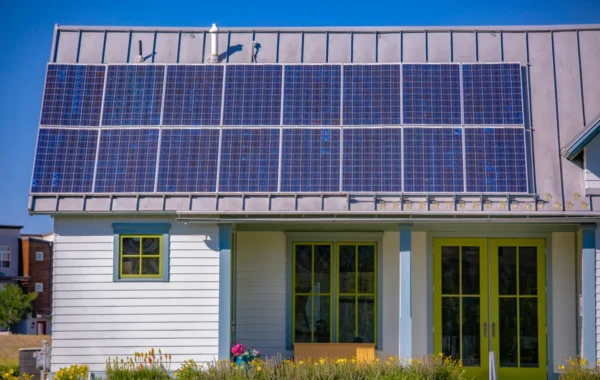
energy efficient upgrade expertise happy family near their house with solar panels

Permits, Inspections, And Local Requirements

Rooftop solar changes your electrical system and adds roof-mounted hardware, so permits and inspections typically apply. For example, In San Francisco, the Department of Building Inspection (DBI) offers online permit tracking, which helps you see status changes without endless phone calls.

Permit Notes For San Francisco Homeowners

  • Most rooftop solar scopes require some level of plan review and inspection because of electrical tie-in and roof attachment.
  • Adding batteries, moving equipment locations, or changing the electrical service can increase review complexity.
  • Accurate drawings matter; confirm roof measurements and the main panel details early to reduce corrections.

Plan review moves faster when the drawings match field conditions. Meanwhile, That means a real look at the roof and the main electrical panel, not a guess from old photos.

Inspection Touchpoints To Plan For

  • Roof attachment and weatherproofing: mounts, flashing, and penetration details.
  • Electrical work: breaker connection, disconnect placement, labeling, and conductor routing.
  • Final sign-off: confirming the full system matches the approved plans.

Utility Approval (Turn-On)

After inspections, your utility company typically issues permission to operate before you run the system normally. Also, Build this step into your solar panels timeline san so you don't plan around an install date alone.

What Happens Week By Week

Every address is different, but the sequence stays fairly consistent. Also, Use the outline below as a planning tool, then adjust once you know whether you need roof work, electrical upgrades, or extra approvals.

Typical Phases And Time Ranges

  • Site evaluation: commonly 1–2 weeks to confirm roof condition, access, and electrical details.
  • Design + proposal revisions: often 1–2 weeks depending on how quickly decisions get finalized.
  • Permit submittal + plan review: varies by scope and corrections; plan for multiple touchpoints.
  • Installation: many homes install in 1–3 days once scheduled.
  • Inspection + corrections (if any): timing depends on availability and any required fixes.
  • Permission to operate: often follows final sign-off, but it can add additional waiting time.

Week-By-Week Example (Hypothetical)

This is a hypothetical example for a straightforward single-family home with no major upgrades.

  • Week 0: Site visit, roof and electrical review, access plan, and initial layout options.
  • Week 1: Finalize equipment locations, conduit route, and layout; approve the design set.
  • Week 2: Permit package prepared and submitted; respond quickly if clarifications are requested.
  • Weeks 3–5: Plan review in progress; revisions handled as needed.
  • Week 6: Permit issued; schedule installation and confirm site access and staging.
  • Week 7: Installation on roof and electrical tie-in.
  • Week 8: Inspections; address any corrections promptly.
  • Week 9+: Utility permission to operate and system turn-on.

Key Decisions At A Glance

Decision / cost driverWhy it mattersTimeline impact if decided late
Roof repairs or replacementPrevents removal/reinstall later; affects attachment detailsCan add rework and rescheduling
Main panel capacityDetermines whether upgrades are necessary for safe tie-inCan pause permitting and inspections
Battery backupChanges equipment layout, electrical scope, and approvalsCan require revised plans and extra steps
Conduit route + equipment placementAffects aesthetics, accessibility, and serviceabilityLate changes can trigger redraws
Building access and stagingControls install-day efficiency and inspection readinessMissed access can push dates

Keep your timeline tight by choosing a single point of contact, replying to plan-check questions quickly, and confirming who schedules inspections and utility steps.

energy efficient upgrade expertise happy family near their house with solar panels

Common Pitfalls And How To Avoid Them

Solar delays are usually planning problems, not installation problems. As a result, Avoiding a few common mistakes can save weeks and reduce mid-project change orders.

Planning Mistakes That Add Weeks

  • Signing before confirming roof condition: check for repairs or replacement needs early.
  • Skipping the main-panel reality check: verify breaker space and service capacity before plans are finalized.
  • Changing the layout after permitting starts: late changes can trigger redraws and new reviews.
  • Not deciding where equipment will live: placement affects safety, serviceability, and inspection readiness.
  • Underplanning access: multi-unit access, locked gates, and staging restrictions can create missed appointments.
  • Slow responses during plan review: quick replies keep your file moving through review steps.

San Francisco Scheduling Notes

San Francisco DBI provides online permit tracking, and some residential scopes can move faster when the submittal is complete. Overall, Still, inspection availability and correction requests can change your dates, so keep buffer time in your plan.

Solar Panels Timeline San

If you only remember one thing, remember this: roof and electrical readiness set the pace, and permits and final approval determine the finish line. As a result, When those items are settled early, the rest of the job is straightforward.

Want a timeline that fits your roof, electrical panel, and building access? For example, Schedule a free estimate online, or call +1 (916) 234-6696.

Helpful Links

Frequently Asked Questions

For many homes, the physical installation is the shortest part. Design, permits, inspection scheduling, and utility approval often take longer than the on-roof work.

A realistic solar panels timeline san often breaks down like this:

  • Planning + design: measure the roof, confirm equipment locations, and finalize the layout.
  • Permits + plan review: submit drawings and respond to corrections if the city requests updates.
  • Install + inspection: mount panels, run electrical, and schedule required sign-offs.
  • Utility permission to operate: wait for final approval before regular use.

Ask for a written milestone list with responsible parties (who submits, who schedules, who follows up). That keeps dates realistic and reduces handoff delays.

In most cases, yes. Solar adds rooftop equipment and connects to your home's electrical system, so the city typically requires permits and inspections. The exact requirements depend on your scope, roof type, and whether you add battery storage or electrical upgrades.

  • Confirm which permits apply to your address and scope.
  • Make sure drawings match the actual main panel and roof conditions.
  • Plan for at least one inspection step before moving to utility approval.

If you're comparing proposals, ask each contractor to state (in writing) whether permit prep, submittal, and inspection scheduling are included.

Even after the crew finishes on the roof, you usually need two green lights: a passed inspection and permission from the utility company to operate. Until then, you may need to keep the system off or in a limited mode, depending on the equipment and local requirements.

To keep this step from dragging out, line up these items early:

  • Inspection scheduling plan and required access (roof and electrical panel).
  • All documentation the utility requests for turn-on approval.
  • Clear labeling and photos of installed equipment if requested during review.

If your timeline depends on a move-in date or a roof project, treat permission to operate as a separate milestone, not an afterthought.

Maybe. Solar can last decades, so it's smart to address any roof or electrical issues that would force you to remove and reinstall panels later. This is one of the biggest schedule and budget drivers.

  • Roof: If the roof is near end of life or has active leaks, plan repairs or replacement first.
  • Main panel: Limited breaker space or undersized service may require upgrades before solar can be approved.
  • Mounting areas: vents, skylights, and roof shape can change where panels fit and how conduit runs.

A site visit that includes a main-panel check gives you a clearer plan than a quote built only from satellite imagery.

Solar pricing depends on system size, roof complexity, electrical scope, and optional upgrades like batteries. Instead of comparing only the bottom-line number, compare the scope line by line so you know what's included.

  • System size and production assumptions (shade, orientation).
  • Roof work included vs. excluded (repairs, replacement, tile reset).
  • Electrical scope (main panel work, conduit path, exterior finish).
  • Permitting responsibilities and who handles corrections.
  • Warranty terms and what triggers a change order.

Request a milestone schedule with payment points tied to completed work. That keeps expectations aligned if the timeline shifts.

Yes—good solar planning isn't only about panels. Think about how the system will be maintained and monitored over time, especially if someone in the home has mobility limits or relies on powered medical devices.

  • Place equipment where it's reachable and easy to service, while meeting clearance needs.
  • Ask for clear, durable labeling on shutoffs and breakers.
  • Keep conduit runs out of walking paths when possible to reduce trip hazards.
  • Consider battery backup if you want resilience for critical loads (discuss load planning during design).

These choices rarely add much installation time, but they can make day-to-day living safer and simpler.

Licensed, insured & trusted local contractor

US Construction & Remodeling Corp.
9821 Business Park Dr, Sacramento, CA, 95827
Phone: +1 (916) 234-6696

CSLB License #: 1117562 Fully licensed and insured.

View our Google Business Profile

Leave a comment

This website uses cookies to improve your web experience.
Explore
Drag