Skip links

Solar Panels Vs DIY In Davis

When homeowners search “solar panels vs diy” in Davis, they’re usually trying to protect two things at once: their budget and their schedule. Solar isn’t just a shopping decision—it’s a roof, electrical, and paperwork decision that needs a plan.

Quick checklist:

  • Verify roof condition first; plan reroof timing before installing panels.
  • Size the system from real kWh usage and shading, not just panel count.
  • Compare inverter options (microinverters vs string + optimizers) and monitoring.
  • Confirm permitting and utility interconnection responsibilities and timeline.
  • Review the contract (warranties, production assumptions, exclusions, roof penetrations).
  • Confirm any electrical panel upgrades and inspection steps.

TL;DR: DIY can work if you have real roof-and-electrical experience, the right safety setup, and time to manage inspections. A professional install typically costs more up front, but it can reduce rework risk and keep the timeline moving. Either way, a site-specific roadmap is the smartest first step.

  • Check roof condition and remaining life
  • Note shade from trees, chimneys, or nearby structures
  • Confirm your main electrical panel has capacity
  • Decide who will handle drawings, permits, and inspections
  • Plan safe roof access and material staging
  • Map the steps to final utility approval to energize the system

The guide below breaks down the real tradeoffs, plus the planning details that separate a clean install from an expensive do-over.

Common Pain Points With Solar Panels Vs DIY In Davis (And Fixes)

DecisionWhy it mattersQuick check
Roof conditionInstalling over an aging roof risks rework later.Inspect first and plan reroof timing if needed.
System sizeDetermines cost and energy offset.Size from real kWh usage and shading.
Inverter typeAffects monitoring and shade performance.Compare microinverters vs string + optimizers.
Permits & interconnectionApprovals can drive the schedule.Ask who handles permits/utility and expected timelines.

Most “solar panels vs diy” searches happen after a homeowner sees a kit price that looks too good to ignore. As a result, The reality is that the panel hardware is only one piece; roof detailing, electrical tie-in, and inspection paperwork are where DIY projects typically slow down.

  • Pain point: buying equipment before checking the roof. Overall, Fix: inspect shingles/tile, flashing, and any prior leaks first, then plan repairs before mounting hardware.
  • Pain point: underestimating electrical scope. For this reason, Fix: verify your main panel capacity, grounding path, and required safety disconnects before you order parts.
  • Pain point: no clean route for conduit and wiring. Meanwhile, Fix: map the exterior run, attic penetrations, and termination points so the finished look stays neat and serviceable.
  • Pain point: incomplete paperwork for plan review. Additionally, Fix: build a complete plan set (site plan, roof layout, equipment specs, labels) that matches what you’ll actually install.
  • Pain point: risky roof work and material staging. Also, Fix: plan fall protection, lifting strategy, and safe staging so panels and tools never become hazards.
  • Pain point: surprise corrections during inspection. In addition, Fix: keep manuals, photos, and labeling guidance ready so fixes happen once, not in loops.

Hypothetical Before/After: What Changes When You Plan First

Before (hypothetical): A homeowner buys a kit, starts mounting hardware, and then discovers brittle roofing, an awkward conduit path around vents, and a panel that needs an upgrade. For example, Materials sit longer than expected, and every delay compounds when inspections get involved.

After (hypothetical): The same homeowner starts with an on-site assessment, confirms roof repairs first, chooses a clean wiring route, and submits a complete plan set. As a result, Installation goes smoother because the decisions were made up front, and the inspection is easier when the build matches the paperwork.

If you want DIY to stay affordable, also treat the next sections as your go/no-go checklist.

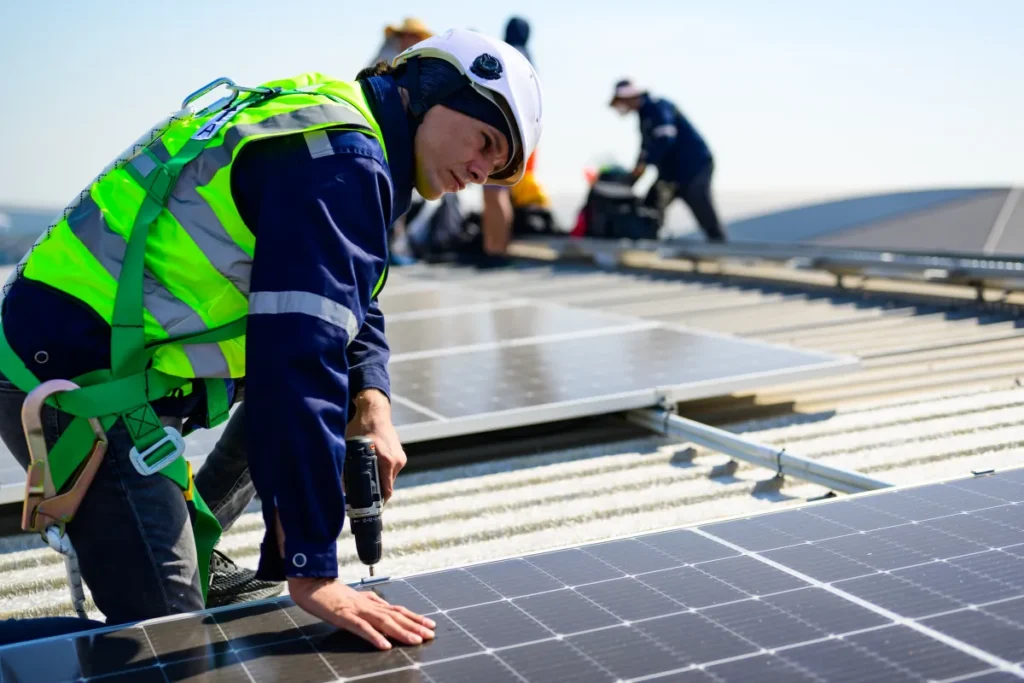
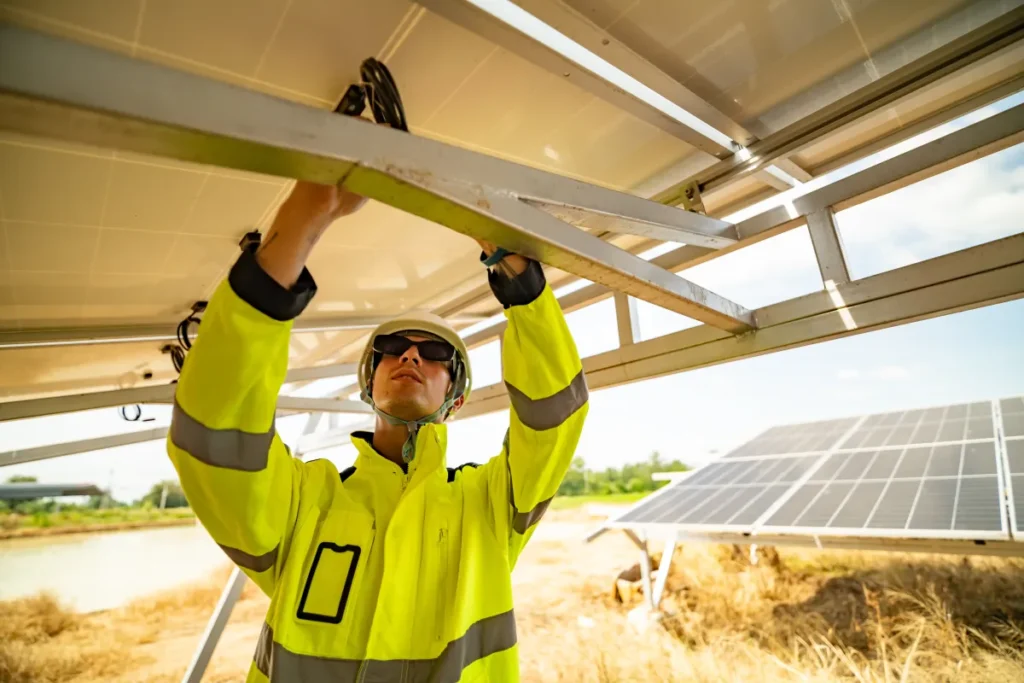
solar panel professional engineer with safety helmet checking

Planning, Budget, And Materials

Good solar planning is mostly about eliminating surprises. Additionally, You want to know what fits on your roof, where the electrical tie-in lands, what the finished exterior looks like, and which parts of the job require professional help.

Mapping The Array And Equipment

Start with a roof map, not a shopping cart. Overall, A clean layout reduces labor time, keeps wiring protected, and helps the system pass inspection without last-minute changes.

  • Shade and obstructions: note trees, vents, skylights, chimneys, and any equipment that could cast shade or force awkward panel gaps.
  • Setbacks and access paths: plan for safe roof access and maintenance pathways; layout rules can affect how many panels actually fit.
  • Wire routing: decide early where conduit will run and where it enters the attic/walls so the exterior finish looks intentional.
  • Equipment location: keep electrical equipment accessible for service, and avoid placing it where it will be blocked by storage, gates, or future landscaping.

When Space Is Limited

Limited roof space doesn’t automatically mean “no solar,” but it does mean you need to be selective. For this reason, The goal is to match your priorities (offset, aesthetics, future expansion) to what the roof can actually support.

  • Prioritize the best roof plane: a smaller, better-performing section often beats cramming panels into heavily shaded areas.
  • Reduce layout complexity: fewer panel groups and shorter wiring runs usually mean fewer failure points.
  • Plan for future work: if a re-roof is likely soon, it may be smarter to handle roofing first to avoid removing and reinstalling panels.

What You’re Actually Buying

DIY kits can look similar online, but the long-term outcome depends on the details: what touches your roof, what protects the wiring, and how serviceable the system is after install.

  • Roof attachments and flashing: use purpose-built flashing and mounting hardware designed to shed water. As a result, Relying on sealant alone is where leaks often start.
  • Racking and fasteners: corrosion-resistant hardware matters on a roof; higher-quality fasteners and properly torqued connections reduce future loosening and rust.
  • Conduit and weather protection: protected wiring runs and clean penetrations lower the chance of UV damage and animal intrusion.
  • Labeling and disconnects: clear labeling and safety disconnects are not optional details; they are common inspection points and should be planned from day one.

Budget note: the biggest cost swings usually come from roof repairs, electrical panel capacity, and the time it takes to correct issues after an inspection. Meanwhile, DIY can save labor, but only if you avoid rework.

Priorities That Age Well

Resale isn’t about hype—it’s about paperwork, safety, and a system that looks and feels permanent. For this reason, Buyers and inspectors care that the installation is documented, code-compliant, and maintainable.

  • Keep documentation: plans, equipment manuals, and inspection sign-offs help future buyers understand what was installed.
  • Protect the roof: a watertight, well-finished install preserves the value of your home even if you sell before “payback” is complete.
  • Think serviceability: equipment that is accessible and clearly labeled makes future troubleshooting faster and less expensive.

Timeline And Permit Considerations

Timeline planning is where many DIY projects get stuck. Also, The install day is only one milestone; the pace is usually set by plan review, inspection scheduling, and the final utility approval to energize the system (often called “permission to operate”).

Davis-Specific Reality Check: Submittals And Inspections

In Davis, the Building Division supports electronic submittals, and some permitting/inspection steps may be coordinated online or via email depending on the scope. That convenience helps, but it also means your drawings and documents need to be clean and complete before you hit “submit.”

  • Planning: site visit (roof + electrical) and a buildable layout
  • Paperwork: plan set prep and submittal for review
  • Inspection: corrections (if any) and sign-off
  • Turn-on: utility approval and system start-up
Decision pointDIY impactHow a pro plan helps
Roof conditionLeaks or re-roof risk can force reworkBuild scope around repairs before mounting
Electrical panel capacityMay require upgrades and coordinationConfirm capacity early and plan the tie-in
Conduit route and finishExterior looks “afterthought” if unplannedDesign a clean, serviceable path up front
Paperwork completenessIncomplete plans can stall reviewSubmit a plan set that matches the build
Inspection correctionsMultiple visits add time and stressPre-check common correction items

Budget Ranges & Timeline (Typical)

  • Design + paperwork: often takes weeks, depending on review cycles and how complete the submittal is.
  • Installation: can be relatively quick once materials are on site, but roof complexity changes the pace.
  • Inspection + turn-on approval: can add additional time; scheduling and utility steps vary.
  • DIY baseline: plan for extra time to learn, stage materials, and handle corrections.

How To Avoid Costly Mistakes

Whether you go DIY or hire it out, a few decisions drive most expensive mistakes. Also, Catch them on paper before anyone drills a hole in your roof.

  • Skipping a roof readiness check: solar mounts don’t fix roofing problems; address roof repairs first.
  • Installing without a complete plan set: mismatches between paperwork and the build are a common reason projects stall.
  • Improvised waterproofing: use purpose-built flashing and follow manufacturer installation details.
  • Messy wiring and poor protection: protect wiring from UV exposure and physical damage, and keep runs serviceable.
  • Under-scoping electrical work: panel capacity, disconnects, and labeling need to be planned—not guessed.
  • Not documenting the job: photos of roof penetrations and equipment labeling can save time during inspection and later resale.

Maintenance Tips After Install

Solar is low-maintenance, not zero-maintenance. Overall, A few simple habits protect your roof and keep output consistent.

  • Rinse dust and pollen with gentle water; avoid abrasive cleaning that can scratch glass.
  • After major storms, do a ground-level visual check for lifted edges, loose conduit, or debris buildup.
  • Track performance trends using your inverter display/app; sudden drops often point to a fixable issue.
  • Keep trees trimmed to reduce shade and leaf debris on the roof.
  • If you see unusual shutdowns or persistent low output, schedule a professional check rather than guessing.

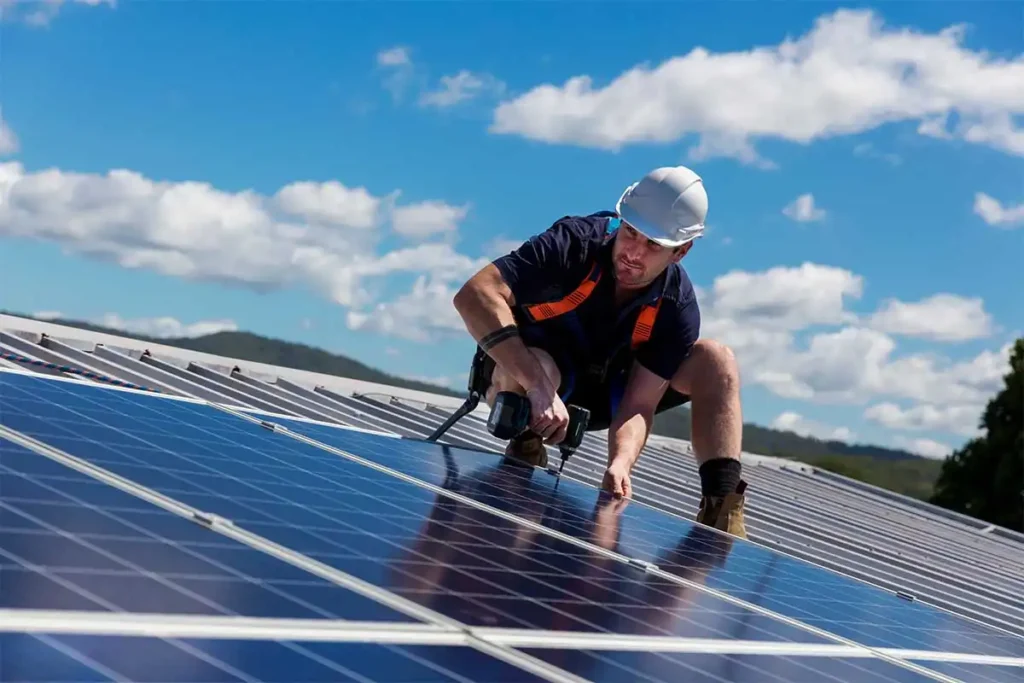
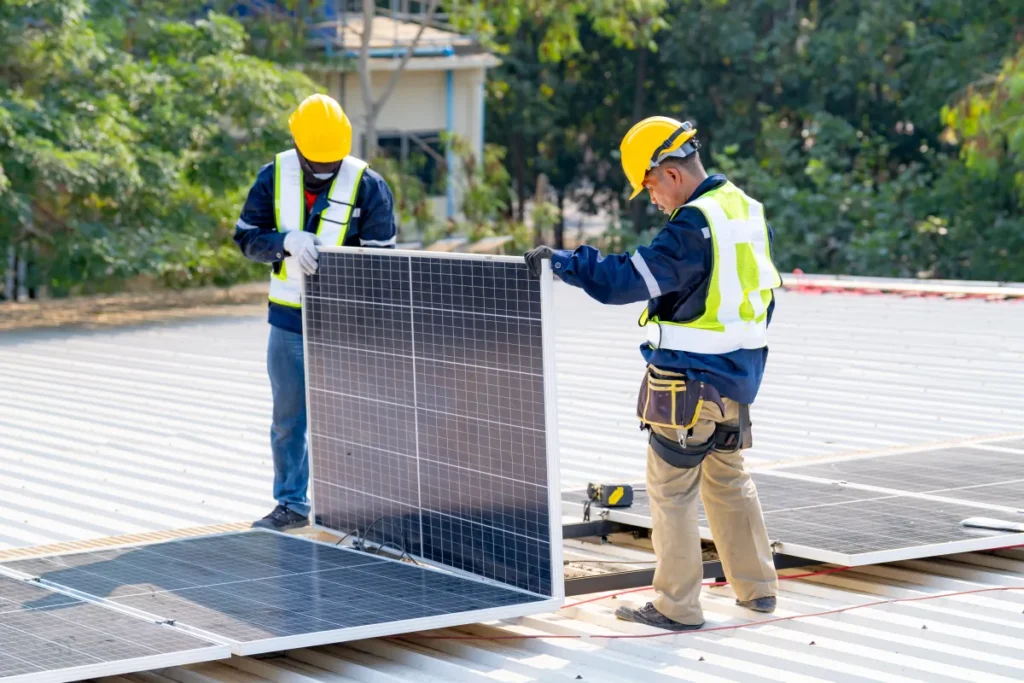
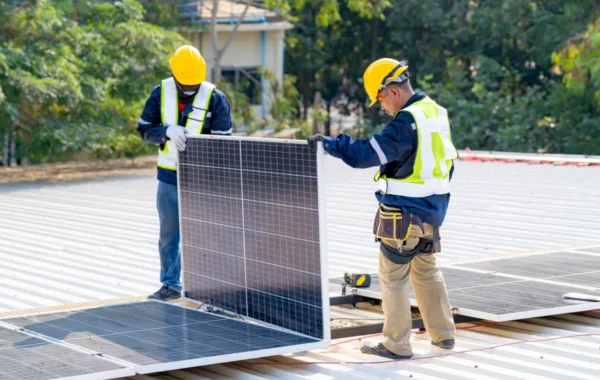
solar panel service engineer installing solar cell on the roof

Next Step For Homeowners In Davis

US Construction & Remodeling Corp. As a result, helps Davis homeowners compare DIY and professionally installed solar by building a timeline-first plan, clarifying scope, and coordinating the steps that have to pass inspection.

Book a planning call to talk through your roof, electrical setup, and desired schedule—then decide whether DIY still makes sense for your home.

CTA Options (Choose What’s Easiest)

  • Call +1 (916) 234-6696 to discuss timing, scope, and a realistic roadmap
  • Use the online form to request a free estimate and lock in a planning call time

Trust & Accountability Checklist

  • Licensing and insurance (general): ask for current coverage and verify the contractor’s status through California’s CSLB.
  • Permit responsibility: get it in writing who prepares drawings, submits paperwork, and schedules inspections.
  • Communication expectations: agree on update cadence, lead times, and who your point of contact is.
  • Workmanship verification: request photos of roof penetrations/flashing and a final checklist walk-through before sign-off.
  • Warranty clarity: read warranty terms in writing and keep your equipment manuals in one folder.

Company Info (For Your Records)

Explore More On Our Site

If you’re planning broader home updates alongside solar—roof repairs, electrical panel work, or a larger home remodel—our site has service details and an easy way to request scheduling.

Helpful Links

Frequently Asked Questions

In many cases, homeowners can take on parts of a solar project, but you still need to follow local permitting and inspection steps. If you’re not fully comfortable with roof safety and electrical work, bringing in a licensed contractor (or at minimum a licensed electrician for the tie-in) can reduce risk and help keep the project moving.

The panels aren’t always the main cost driver. The biggest differences are typically labor/time, roof readiness, electrical capacity, and how much rework happens after inspections.

  • Roof repairs: fixing issues after mounting can mean removing and reinstalling hardware.
  • Electrical upgrades: panel capacity and safety equipment can add scope.
  • Tools and safety gear: ladders, fall protection, and specialty tools add up.
  • Corrections: multiple inspection trips cost time (and sometimes additional fees).

Plan for multiple phases: planning/design, paperwork review, installation, inspection, and final utility approval to energize the system. In many cases, the paperwork and scheduling take longer than the on-roof installation. A planning call is the fastest way to map a realistic timeline for your specific roof and electrical setup.

Even if you handle some installation tasks yourself, the electrical connection and safety components must meet code and pass inspection. Many homeowners choose to involve a licensed electrician for the electrical scope, especially if the main panel has limited capacity or needs upgrades.

Keep a single folder with the essentials so you’re not scrambling later.

  • Approved plans and any revisions
  • Inspection sign-offs
  • Equipment manuals and spec sheets
  • Warranty terms (stored in writing)
  • Photos of roof penetrations/flashing and equipment labeling
  • Final utility approval/turn-on documentation

Focus on what you can verify in writing. Ask who handles permits, how change orders work, and what the schedule looks like from planning through inspection. Also verify licensing status through the California Contractors State License Board (CSLB) and request proof of current insurance coverage.

Licensed, insured & trusted local contractor

US Construction & Remodeling Corp.
9821 Business Park Dr, Sacramento, CA, 95827
Phone: +1 (916) 234-6696

CSLB License #: 1117562 Fully licensed and insured.

View our Google Business Profile

Leave a comment

This website uses cookies to improve your web experience.
Explore
Drag