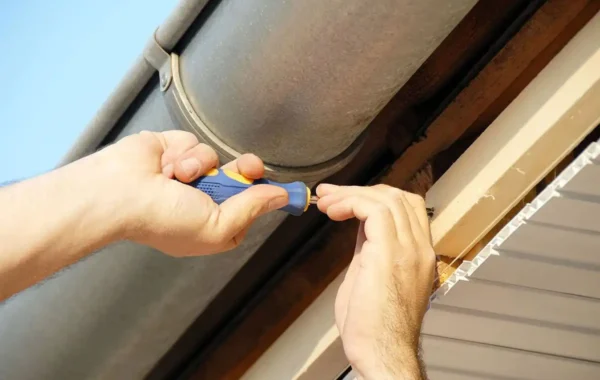
Window Replacements vs DIY in San Mateo: Project Roadmap
If you're weighing window replacements vs diy in San Mateo, the big question isn’t just cost—it’s who owns the waterproofing details, the fit, and the paperwork if a permit or inspection is necessary. A clean installation should feel boring: windows open smoothly, trim lines up, and water stays outside where it belongs.
Quick checklist:
- Choose the scope: replace all windows or stage the project by priority rooms.
- Confirm install type (retrofit vs full-frame) and any trim/stucco work.
- Pick a glass package for comfort and efficiency (Low-E, argon, U-factor/SHGC).
- Finalize measurements before ordering and confirm lead times.
- Compare 2–3 bids with the same scope (demo, install, disposal, exterior/interior finish).
- Confirm permit/inspection requirements and egress rules if applicable.
TL;DR: DIY can work for a like-for-like swap when you’re confident in measuring, sealing, and finish work, and you’re not changing the opening. A licensed team typically makes sense when you want a written scope, permit guidance, and a tighter path to a clean closeout.
- List each window’s size, type, and issues (drafts, sticking, condensation).
- Decide: retrofit insert or full-frame replacement.
- Pick frame and glass priorities (comfort, noise reduction, UV control).
- Check permit needs and inspection steps through San Mateo’s Online Permit Center (Customer Self‑Service).
- Plan access, protection, and finish work (interior casing/paint, exterior trim/stucco).
- Request a written estimate that spells out materials, scope, and warranty.
This guide breaks the project into clear decisions and checkpoints so you can choose what’s realistic to do yourself. For a written estimate for your home, request one at https://usconstructioncali.com/free-estimate/ or call +1 (916) 234-6696.
What To Expect From A Licensed Team For Window Replacements Vs DIY
| Decision | Why it matters | Quick check |
|---|---|---|
| Install type | Retrofit vs full-frame changes cost and finish work. | Confirm if trim/stucco and interior casing will be disturbed. |
| Glass package | Affects comfort, energy use, and condensation. | Compare Low-E/argon and key ratings (U-factor/SHGC). |
| Measurements | Ordering wrong sizes causes delays and rework. | Do final measurements before ordering; confirm egress where needed. |
| Lead times | Windows often drive the schedule. | Lock selections early and confirm delivery dates. |
Most homeowners start this comparison because they want to save money or move faster. For this reason, In reality, the biggest difference between window replacements vs diy comes down to risk: one missed flashing detail or a poorly squared frame can invite water intrusion and expensive repairs.
A licensed contractor should also put the scope in writing—what’s being replaced, what stays, how the opening is protected, and what finish work is included on both sides of the wall.
What A Licensed Install Typically Covers
- On-site evaluation of each opening, including rot/damage checks and how the window ties into siding or stucco.
- Protection for floors, furniture, and work areas, plus controlled debris removal.
- Removal, opening prep, flashing/air sealing steps, and installation with plumb/level checks.
- Insulation around the frame, interior trim details as scoped, and exterior sealing/finish coordination.
- Haul-away of old units and a documented walkthrough so you know what to watch over time.
DIY Can Make Sense If…
- You’re doing a true like-for-like replacement and you can keep the opening unchanged.
- You have the tools and patience to measure accurately, shim correctly, and handle clean trim work.
- You’re comfortable managing ordering, delivery timing, and disposal.
- You’re prepared to pause if you uncover hidden damage around the opening.
Hiring A Licensed Team Is Usually Worth It When…
- You’re replacing multiple windows and want consistent alignment, sealing, and finish quality across the home.
- The exterior finish is sensitive (for example, stucco), where waterproofing details and repairs matter.
- Any opening changes are planned (size, type, or location), which can add trade coordination or additional review.
- You want a clear plan for permits/inspections and a single point of responsibility for closeout.
Either way, treat the “details you don’t see” as the real project: water management, air sealing, and how the window integrates with the wall system. Also, That’s where DIY projects most often drift from “weekend upgrade” to “unexpected rebuild.”

Planning And Scope Decisions For Window Replacements Vs DIY
When homeowners compare window replacements vs diy, retrofit (insert) vs full-frame replacement is the first fork in the road. Meanwhile, A retrofit keeps more of the existing frame and interior trim; a full-frame replacement removes the entire unit so the installer can address the opening from stud to stucco/siding as needed.
Layout Planning: Daylight, Privacy, And Clearances
Window decisions affect how a room works, not just how it looks. As a result, A few examples can help you plan without overcomplicating the scope:
- Kitchens (galley, L-shape, U-shape, island-centered): a wider window above a sink can limit upper cabinets, while casement windows can interfere with faucets if swing clearance is tight.
- Bathrooms (including walk-in shower layouts): privacy glass, ventilation, and where the shower/vanity sits matter more than “big glass.”
- Bedrooms and home offices: consider glare, view lines, and whether the window’s size/operation supports your safety plan.
Storage & Organization That Actually Helps The Project
Even though window work isn’t “storage remodeling,” smart organization reduces downtime and protects your finishes:
- Clear and stage a 4–6 foot work zone inside each opening; store small items in labeled bins so nothing gets lost in the shuffle.
- Remove blinds/curtains early and label hardware per room; keep one container per window so rehang is fast.
- If you’re already updating trim, consider a built-in window seat with lift-up storage (a great fit for bedrooms or bay areas) as an add-on scope.
Quick Decision Table
| Decision | What changes if you DIY | What changes with a licensed team |
|---|---|---|
| Retrofit vs full-frame | You own demo, shimming, trim, and any surprises in the opening. | Scope and finish responsibilities are defined in writing. |
| Opening changes | More planning risk (structure, weatherproofing, finish matching). | Trade coordination is managed and documented if required. |
| Permits & inspections | You research requirements, file, and schedule. | Responsibility is clarified up front; scheduling support is available. |
| Weatherproofing details | You choose products and methods—and you live with the result. | Installation includes consistent sealing and flashing standards. |
Materials, Permits, And Scheduling
Materials are where DIY plans often get stuck: you can buy a window, but picking the right frame, glass, and trim approach for your wall type takes more than a product label. For example, That’s why window replacements vs diy often turns into a paperwork and logistics problem, not a carpentry problem. In San Mateo, homeowners also need to think about permit routing and inspection timing—many permit activities are handled through the City’s Online Permit Center (Customer Self‑Service), depending on the scope.
Materials Deep-Dive: Frames And Glass
- Vinyl: cost-effective and low maintenance; quality varies by manufacturer and reinforcement.
- Fiberglass: stable and strong with good thermal performance; often a higher upfront cost.
- Wood (or wood-clad): classic look and easy to customize; needs consistent paint/finish upkeep.
- Aluminum (or aluminum-clad): slim sightlines; can conduct heat unless the product is well designed.
For glass, focus on comfort and durability: Low‑E coatings, dual-pane construction, and options like laminated or obscure glass can change noise control and privacy. In addition, If you’re comparing energy specs, look for U-factor and solar heat gain coefficient (SHGC) values that match your goals.
A San Mateo Window Project Roadmap (Step-By-Step)
- Site walk and scope: identify like-for-like swaps vs openings that need repair or redesign.
- Selections: choose operation style (slider, single-hung, casement), frame material, and glass/privacy needs by room.
- Written estimate: confirm what’s included (trim, paint, exterior patching, haul-away) and what is not.
- Permit planning (if required): decide who will file and track items through San Mateo’s Online Permit Center.
- Order and schedule: once selections are locked, the windows are ordered and the install window is scheduled around delivery.
- Installation day(s): protect floors, remove old units, prep the opening, set windows, insulate, and seal.
- Inspection coordination (when applicable): book the inspection window and keep documentation organized for closeout.
- Walkthrough and punch list: confirm operation, finishes, cleanup, and warranty paperwork.
Budget Ranges & Timeline (Typical)
- Budget: like-for-like retrofits are usually the lowest cost; full-frame replacements and opening changes cost more because finish work and waterproofing scope increases.
- Timeline: product selection and ordering can take weeks; installation commonly runs from a day to several days depending on quantity and access.
- Permitting: when a permit is necessary, plan for added calendar time for review and sign-off.
Quality Checks And Closeout
Whether you DIY or hire a contractor, quality control is what protects your investment. Additionally, Don’t rely on “it looks straight from the street”—check function, sealing, and finish details in a calm, methodical way.
Quality Checklist You Can Use On Day One
- Windows open, close, lock, and tilt (if applicable) smoothly without forcing.
- Reveal lines are consistent and the window sits square in the opening.
- Interior trim is tight, caulk is neat, and there are no obvious gaps or soft spots around the frame.
- Exterior sealing is continuous where planned, and water is directed away from the opening (not trapped against it).
- Screens fit properly and hardware is installed as specified.
An Anonymized Before/After Snapshot
Before: a homeowner had older sliders that stuck, showed condensation between panes, and leaked air on windy days. Overall, They considered a DIY insert swap but discovered uneven framing and a soft sill once the interior trim was removed.
After: the scope shifted to a full-frame replacement at that opening, with repaired framing, updated waterproofing details, and clean interior casing so the finish matched the room. Overall, The big win wasn’t a “fancier” window—it was closing out the hidden problems before they turned into wall damage.
Maintenance Tips After Installation
- Clean tracks and weep paths seasonally so water can drain as designed.
- Inspect exterior caulk lines yearly; re-seal small cracks early instead of waiting for leaks.
- Use mild cleaners on frames and glass to avoid damaging coatings or gaskets.
- Address sticking or misalignment quickly—small hardware adjustments beat forcing a sash for years.
If you want a second set of eyes before you commit to DIY, a written estimate is a practical way to price the work and compare scope line-by-line.

Serving Homeowners In San Mateo
US Construction & Remodeling Corp. As a result, helps San Mateo homeowners replace windows with a clear scope, realistic scheduling, and workmanship checks that protect the home—not just the view. If you’re weighing DIY, we can also quote a like-for-like option versus a full-frame scope so you can make the decision with numbers and a written plan.
Request a written estimate: Book at https://usconstructioncali.com/free-estimate/. To speed up pricing, share the number of windows, photos of each opening (inside and outside), and any priorities (draft reduction, noise, privacy, easier operation). Overall, If you’re still debating window replacements vs diy, this keeps the comparison clear.
Trust And Accountability Checklist
- Licensing and insurance: we carry appropriate coverage for the work we perform; ask what applies to your exact scope.
- Permits: if a permit is necessary, the plan for who pulls it and how it’s tracked is documented up front.
- Communication: you get a defined start window, daily touchpoints while work is active, and a punch-list walkthrough at the end.
- How to verify: you can verify contractor licensing through the California Contractors State License Board and keep all product/warranty documents in one place.
Call +1 (916) 234-6696 if you’d rather talk through options before booking.
Company: US Construction & Remodeling Corp. | Phone: +1 (916) 234-6696 | Website:https://usconstructioncali.com/
Helpful Links
Frequently Asked Questions
It depends on the scope (like-for-like replacement vs changing an opening). San Mateo uses an Online Permit Center (Customer Self‑Service) for many permit tasks, so it’s smart to verify requirements before ordering materials.
When we provide a written estimate, we can also clarify whether a permit is likely for your scope and who would be responsible for filing and closeout.
Calendar time usually comes from two parts: ordering lead time and on-site installation.
- DIY: can stretch out if you’re learning as you go, waiting on tools/materials, or doing finish work room-by-room.
- Licensed install: is typically faster on-site because a crew can stage protection, remove units, and complete sealing/trim efficiently.
If a permit or inspection is necessary, add extra time for scheduling and sign-off.
The labor line item is only part of the picture. Costs move the most when scope changes.
- Retrofit vs full-frame replacement (finish work and waterproofing scope).
- Exterior condition (stucco/siding repairs, rot, or framing fixes).
- Access (second-story openings, tight landscaping, interior protection needs).
- Window specs (frame material, glass features, custom sizes, privacy glass).
Choose based on maintenance tolerance, look, and performance.
- Vinyl: low maintenance and budget-friendly; quality varies.
- Fiberglass: strong and stable with good thermal performance.
- Wood/wood-clad: great for character homes, but needs ongoing finish upkeep.
- Aluminum/clad: slim profiles; look for good thermal design.
We’ll match the recommendation to the room (privacy, ventilation, noise) and the wall type so the install details stay clean.
Full-frame is more likely when the existing frame is damaged, out of square, or you want to change window size/type. Common signs include soft wood at the sill, chronic leaks, or trim that won’t sit flush after removal.
An on-site evaluation is the fastest way to confirm, because the condition of the opening drives the right approach.
To get an accurate scope and price, gather:
- Window count and room locations.
- Photos of each opening (interior and exterior).
- Any known issues (drafts, water staining, stuck sashes, condensation).
- Your preferred look and material (vinyl, fiberglass, wood, etc.).
- Whether you want trim/paint included.
Licensed, insured & trusted local contractor
US Construction & Remodeling Corp.
9821 Business Park Dr, Sacramento, CA, 95827
Phone: +1 (916) 234-6696
CSLB License #: 1117562 Fully licensed and insured.