Skip links

Power Home Remodeling Guide for California Homeowners

When homeowners search for power home remodeling, they’re usually trying to answer one question: what will the experience feel like once the contract is signed? This guide turns that curiosity into a practical roadmap you can use to compare proposals, plan selections, and protect your timeline.

Quick checklist:

  • Define the scope and your must-have outcome (performance, budget, timeline).
  • Confirm what work is involved and the order of operations.
  • Finalize measurements and key selections before ordering long-lead materials.
  • Collect 2–3 quotes and compare line-by-line (scope, allowances, cleanup, warranty).
  • Create a simple schedule and pre-order the items that most often cause delays.

TL;DR: The best remodeling experiences come from a tight written scope, clear material specs, and an honest plan for permits and lead times. Use the checklist below to spot gaps early—before they turn into change orders.

  • Write a one-page scope (rooms, goals, must-haves).
  • Ask for an itemized scope + exclusions in writing.
  • Confirm who handles permits and inspections (when required).
  • Compare apples-to-apples materials (cabinet boxes, countertops, tile, fixtures).
  • Get the schedule and change-order rules before demo starts.
  • Plan daily life: access, dust control, pets, parking, and work-from-home needs.

Bring this checklist to every estimate meeting. It keeps the conversation grounded in decisions you can verify, and it works whether you’re weighing power home remodeling or a smaller local team.

What Changes The Experience The Most For Power Home Remodeling

DecisionWhy it mattersQuick check
ScopeDefines what is included and prevents surprises.Write a line-item scope and allowances list.
Site constraintsAccess and hidden conditions can change the plan.Check access and existing surfaces before work starts.
SelectionsLong-lead items can drive the schedule.Confirm availability before starting.
PermitsSome scopes require approvals and inspections.Ask your city/county what applies to your project.

Big remodeling brands and skilled local contractors can both deliver quality work. Also, The difference usually shows up in the details: how clearly the scope is written, who manages the job site day to day, and how changes get priced when you uncover surprises behind walls.

The friction points that drive most searches for power home remodeling—pricing clarity, timeline confidence, and warranty coverage—apply no matter who you hire. In addition, A clean proposal with clear specs and a realistic schedule will protect your budget far more than a slick sales pitch.

If power home remodeling is one of the names you’re considering, use the same evaluation lens you’d use for any contractor. Additionally, You want the scope, specs, and responsibilities spelled out clearly enough that another pro could read it and understand the job.

Decision Criteria Worth Comparing

  • Scope clarity: You should also see exactly what is included (and excluded), not just broad labels like “full remodel.”
  • Material specificity: Cabinet construction, countertop type/thickness, tile size, fixture brands, and finishes should be spelled out.
  • Site leadership: Ask who your day-to-day contact is and how often you’ll get schedule updates.
  • Change-order rules: Confirm changes get priced and approved in writing before work continues.
  • Protection plan: Dust control, floor protection, and daily cleanup should be described, not assumed.
  • Warranty + service: Clarify what’s covered (labor vs. For example, materials) and how service requests get handled after completion.

One practical tip: compare proposals “by line,” not by total. As a result, If one bid includes demo, haul-away, and drywall repair while another leaves it vague, you’re not comparing the same job.

Questions That Reduce Surprises

  • What allowances are included, and what happens if selections cost more or less?
  • Will you reuse existing plumbing/electrical locations, or move them?
  • What is the plan for inspection sign-offs when permits apply?
  • How do you handle long lead-time items like cabinets, specialty tile, or windows?
  • What are the payment milestones tied to (deliverables or calendar dates)?

Those answers tell you more about the build than a list of brand names. They also make it easier to decide whether a large-scale remodeler or a smaller team is the right fit for your communication style.

Layout And Function Improvements

  • Rework traffic flow so you can move through the room without cutting through the work zone.
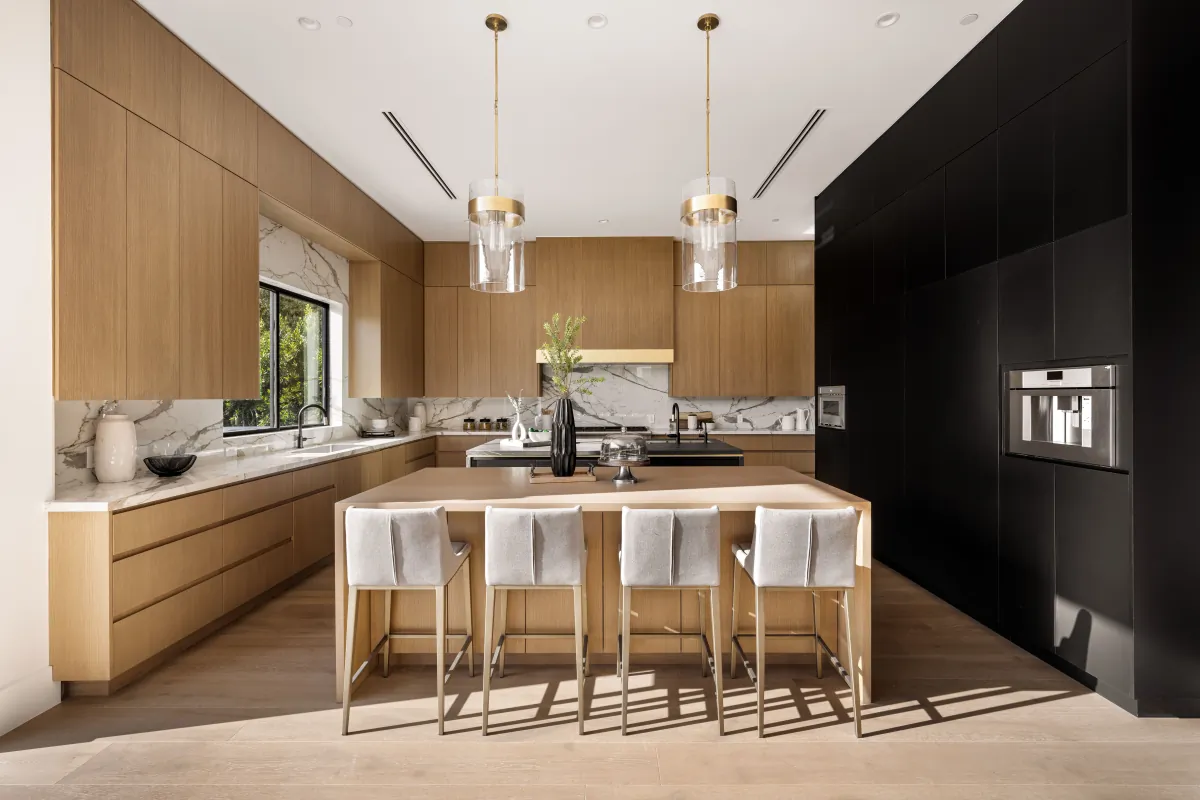
  • Choose a layout that fits the footprint (galley, L-shape, U-shape, or island-centered) and protects clearances.
  • Add deep drawer bases for pots, pans, and dishes—more usable than lower cabinets with shelves.
  • Build a pantry strategy: tall pantry cabinets, pull-outs, or a dedicated closet where space allows.
  • Plan a real prep zone with uninterrupted counter space near the sink and refrigerator.
  • Use a full-height or extended backsplash in high-splash areas to simplify cleaning.
  • Upgrade ventilation (range hood or bath fan) so moisture and odors don’t linger.
  • Layer lighting: ambient + task + accent, with dimmers where it makes sense.
  • Add convenience power: outlets where you actually use appliances, plus a hidden charging area.
  • Improve storage details: trash pull-outs, spice pull-outs, tray dividers, and corner solutions.
  • Pick durable, easy-to-clean flooring that matches how your household uses the space.

Layout upgrades pay off when they’re measurable: easier prep, fewer bottlenecks, and storage that matches the way you actually cook, clean, or get ready each day. For this reason, Even a “simple” remodel can disappoint if door swings, appliance clearances, and countertop landing zones don’t get reviewed up front.

Quick Layout Sanity Checks

  • Confirm you can open doors/drawers without collisions.
  • Keep walk paths clear, especially near refrigerators and ovens.
  • Plan where trash, recycling, and daily small appliances will live.
  • Decide early if you want seating, and protect knee/leg room at the counter.
  • Identify the “no move” walls (structural or plumbing-heavy) before you fall in love with a layout.

warranty post project support active people lifestyle at home

Materials And Finish Options For Power Home Remodeling

Materials do more than set the look—they drive lead times, maintenance, and how the space feels year after year. Overall, The goal isn’t to pick the fanciest option; it’s to pick the right option for your budget, lifestyle, and the scope you’re taking on.

When you read a proposal, push past shorthand like “quartz” or “custom cabinets.” If you’re comparing a power home remodeling proposal to another bid, ask for the specifics (product lines, sizes, finishes, and what’s included in the install) so you can compare without guesswork.

Common Layouts, Simplified

  • Galley: Ideal for narrower spaces; keep the aisle comfortable and prioritize tall storage to reduce clutter.
  • L-shape: Works well in open plans; it can support an island if you preserve clear walkways.
  • U-shape: Maximizes counter space; it can feel enclosed unless you open one side to the adjacent room.
  • Island-centered: Great for prep and seating; plan power, lighting, and enough clearance on all sides.

Cabinet Door Styles And Construction

Door style affects the visual “weight” of a kitchen or built-in. Meanwhile, Shaker doors read classic and forgiving, slab doors look modern and clean, and raised-panel doors lean traditional. Beyond style, ask what the boxes are made of and what hardware is included.

  • Box build: Plywood boxes typically hold up better than lower-grade particle board in high-use areas.
  • Overlay: Full overlay doors give a cleaner look; the details matter at corners and appliance panels.
  • Hardware: Soft-close hinges and full-extension drawer slides change daily usability more than most people expect.

Countertops: Practical Comparison

  • Quartz: Consistent patterning and low maintenance; confirm edge profile and thickness in writing.
  • Granite: Natural variation; requires periodic sealing depending on the stone.
  • Laminate: Budget-friendly and improving fast; great for a clean refresh when you want to control costs.
  • Solid surface: Seam-friendly and repairable; a good middle ground for many households.
  • Butcher block: Warm look; needs ongoing care and isn’t ideal around standing water unless you commit to maintenance.

Flooring Choices That Fit Busy Homes

Flooring has to survive real life—kids, pets, spills, and heavy foot traffic. As a result, Match the material to the room and be honest about maintenance.

  • Porcelain tile: Durable and water-friendly; choose a slip-resistant surface in wet zones.
  • LVP (luxury vinyl plank): Comfortable underfoot and forgiving; confirm wear layer and moisture rules.
  • Engineered hardwood: Warm look with better stability than solid wood; avoid it where standing water is common.

Tile, Grout, And Fixture Finishes

Tile looks simple on a mood board, but the details decide whether it looks sharp in real life. Additionally, Ask about the waterproofing approach in wet areas, grout type, and how edges/transitions get finished.

  • Porcelain tile holds up well for floors and many walls; larger formats reduce grout lines but need flatter substrates.
  • Grout color and grout type change maintenance; confirm what you’re getting before installation starts.
  • Fixture finishes (chrome, brushed nickel, matte black) should match across the room to avoid a “patchwork” look.

Layered Lighting (Ambient, Task, Accent)

Lighting is where many remodels underperform. Additionally, A few extra fixtures won’t fix shadows if you don’t plan layers: ambient lighting to fill the room, task lighting where you work, and accent lighting to add depth. Dimmers and a consistent color temperature help the space feel intentional, not random.

Cost Drivers + Timeline (Typical)

Two projects can look similar in photos and still price very differently. As a result, Cost usually follows complexity: moving plumbing or walls, upgrading electrical, choosing long lead-time materials, and correcting hidden conditions found during demo.

When any quote comes in higher or lower, including a power home remodeling quote, you can usually trace it back to scope assumptions, material specs, or what’s included around repairs and closeout.

Budget Ranges And Timeline (Typical)

  • Design + selections: Often takes 1–4+ weeks, depending on how quickly decisions get made.
  • Permits/plan review: Varies by city/county and scope; structural, plumbing, and electrical changes usually add time.
  • Material lead times: Cabinets, specialty tile, and custom items can add weeks before installation begins.
  • On-site construction: A focused refresh can run a few weeks; a full reconfiguration typically runs longer.
DecisionWhat it affectsWhat to confirm
Layout changesCost + permit scopeWill plumbing/electrical move?
Cabinet tierBudget + lead timeBox material, door style, hardware
Countertop selectionBudget + maintenanceThickness, edge profile, seams
Tile and waterproofingDurability + risk controlMembrane, grout type, trim details
Inspection requirementsTimeline predictabilityWho schedules and closes permits?

ROI And Resale Priorities

If resale value matters, prioritize improvements buyers can immediately feel and verify. For this reason, You don’t need to chase trends; you do need functionality, clean finishes, and durable materials that age well.

  • Protect layout efficiency and storage before spending on decorative upgrades.
  • Choose neutral, durable finishes that won’t show wear quickly.
  • Invest in lighting and ventilation—those upgrades make spaces feel newer and help prevent moisture issues.
  • Avoid overspecializing; highly personalized choices can narrow future buyer appeal.

Example Before/After Snapshot (Hypothetical)

Before: A cramped U-shape kitchen with limited prep space, mismatched lighting, and worn laminate counters. Overall, The homeowner wants better storage, easier traffic flow, and surfaces that clean quickly.

After: The plan keeps the U-shape for efficiency but opens one corner for a small island, adds deep drawer bases, uses a quartz countertop, extends the backsplash behind the range, and adds under-cabinet task lighting. Additionally, The space functions better without turning into a never-ending construction project.

That type of outcome comes from aligning the scope to the footprint and choosing materials that match the way the home is used—not from chasing a single “perfect” brand or product.

How To Prepare Your Home

Preparation is part design and part logistics. Also, The smoother you make access, decisions, and communication, the easier it is to keep a remodel moving without cutting corners.

Project Roadmap In California (Planning → Permits → Build → Closeout)

  1. Site walk + scope: Document the goals, existing conditions, and any constraints.
  2. Selections: Lock layouts, cabinet specs, countertop type, flooring, tile, and fixtures early.
  3. Written proposal: Review inclusions/exclusions and allowance amounts before signing.
  4. Permits (when required): Confirm who pulls permits and how inspections will be scheduled.
  5. Scheduling: Set realistic start dates around material lead times and inspection windows.
  6. Site protection: Establish dust control, floor protection, and daily cleanup expectations.
  7. Demo + rough work: Demo, then framing/plumbing/electrical as needed.
  8. Inspections: Don’t bury rough work until it’s approved where applicable.
  9. Finish installation: Cabinets, counters, tile, flooring, paint, and fixtures.
  10. Punch list + handoff: Final walkthrough, touch-ups, and product documentation.

Planning Mistakes That Cost Time

  • Starting demo before selections are finalized and ordered.
  • Comparing bids with different scope assumptions (especially around demo, disposal, and repairs).
  • Ignoring lead times for cabinets, tile, and special-order finishes.
  • Skipping the change-order conversation until the first surprise shows up.
  • Forgetting the “living plan” (temporary kitchen/bath routines, noise, and dust).

Home Prep Checklist (Week Before)

  • Clear counters, cabinets, and nearby closets so crews can work without handling personal items.
  • Protect valuables and remove wall décor in adjacent areas (vibration travels).
  • Set up a temporary food/coffee station if the kitchen is impacted.
  • Plan access for pets and kids; remodel days can be loud and busy.
  • Confirm parking and a clear path for material deliveries.
  • Keep a simple decision log so approvals don’t get lost in texts and voicemails.
home renovation

Next Steps For Sacramento

US Construction & Remodeling Corp. Additionally, helps Sacramento homeowners turn remodel ideas into a buildable scope, clear selections, and a schedule that respects real-world permitting and lead times. If you’re weighing power home remodeling options, we’ll help you compare proposals line-by-line so you can choose based on facts—not pressure.

Schedule your free estimate online. For example, If you’d rather talk through your goals first, call +1 (916) 234-6696.

Sacramento Permitting, In Plain English

Permit needs depend on scope and address. As a result, For many projects inside Sacramento city limits, permitting and plan review are commonly handled through the City of Sacramento Community Development portal (Accela Citizen Access), where applications, payments, and status tracking are done online. A good contractor should explain what applies to your project and who is responsible for pulling and closing permits.

Trust And Accountability (What We Put In Writing)

  • Licensing and insurance: We carry the appropriate coverage for the work we perform and keep documentation available on request.
  • Permit responsibility: We discuss permit needs up front and coordinate the right approach for the scope and jurisdiction.
  • Communication: You get a clear point of contact and practical schedule updates as the job moves through phases.
  • Work verification: We encourage homeowners to review product specs, confirm inspection sign-offs where applicable, and walk the finished work with a punch list.
  • Closeout: Final walkthrough, touch-ups, and basic care guidance for the materials you selected.

Helpful Links

Frequently Asked Questions

Ask questions that force clarity. If you’re using power home remodeling as a comparison point, you still want to compare the same scope, not just the same room name.

  • What is included and excluded, in writing?
  • Which materials and product lines are specified (not just general categories)?
  • Who manages the job site and how often will I get updates?
  • How are changes priced and approved?
  • Who is responsible for permits and scheduling inspections when required?

Sometimes. Permit needs depend on what you change and where the property is located. Structural changes, many plumbing/electrical updates, and certain window/door or mechanical changes can trigger permits and inspections.

A responsible contractor will explain what applies to your scope, which department has jurisdiction, and who will pull and close the permit.

Costs usually follow complexity more than square footage. The biggest drivers are layout moves (especially plumbing and walls), cabinet tier and hardware, countertop choice, tile and waterproofing details, electrical upgrades, and material lead times.

To keep control, ask for a detailed scope and minimize allowances where possible.

Timeline depends on decisions, permitting, and lead times as much as labor. A focused refresh can take a few weeks of on-site work, while a full reconfiguration can take longer—especially if you move plumbing, require inspections, or wait on special-order materials.

The most reliable schedules come from locked selections and a written plan for inspections.

Homeowners feel the difference in cabinets and lighting first. Full-extension drawers, durable countertop surfaces, easy-clean backsplashes, and layered lighting (ambient, task, and accent) improve daily use more than decorative upgrades alone.

For wet areas, prioritize waterproofing details and ventilation before luxury finishes.

Use a simple verification routine:

  • Confirm the contractor’s license status through the CSLB site.
  • Request proof of insurance appropriate for the scope.
  • Review a written scope, allowance amounts, and a milestone-based payment schedule.
  • Clarify the permit plan and how change orders are handled.

If any of those items stay vague, pause and ask for clarification before you move forward.

Licensed, insured & trusted local contractor

US Construction & Remodeling Corp.
9821 Business Park Dr, Sacramento, CA, 95827
Phone: +1 (916) 234-6696

CSLB License #: 1117562 Fully licensed and insured.

View our Google Business Profile

Frequently Asked Questions

Ask questions that force clarity. If you’re using power home remodeling as a comparison point, you still want to compare the same scope, not just the same room name.

  • What is included and excluded, in writing?
  • Which materials and product lines are specified (not just general categories)?
  • Who manages the job site and how often will I get updates?
  • How are changes priced and approved?
  • Who is responsible for permits and scheduling inspections when required?

Sometimes. Permit needs depend on what you change and where the property is located. Structural changes, many plumbing/electrical updates, and certain window/door or mechanical changes can trigger permits and inspections.

A responsible contractor will explain what applies to your scope, which department has jurisdiction, and who will pull and close the permit.

Costs usually follow complexity more than square footage. The biggest drivers are layout moves (especially plumbing and walls), cabinet tier and hardware, countertop choice, tile and waterproofing details, electrical upgrades, and material lead times.

To keep control, ask for a detailed scope and minimize allowances where possible.

Timeline depends on decisions, permitting, and lead times as much as labor. A focused refresh can take a few weeks of on-site work, while a full reconfiguration can take longer—especially if you move plumbing, require inspections, or wait on special-order materials.

The most reliable schedules come from locked selections and a written plan for inspections.

Homeowners feel the difference in cabinets and lighting first. Full-extension drawers, durable countertop surfaces, easy-clean backsplashes, and layered lighting (ambient, task, and accent) improve daily use more than decorative upgrades alone.

For wet areas, prioritize waterproofing details and ventilation before luxury finishes.

Use a simple verification routine:

  • Confirm the contractor’s license status through the CSLB site.
  • Request proof of insurance appropriate for the scope.
  • Review a written scope, allowance amounts, and a milestone-based payment schedule.
  • Clarify the permit plan and how change orders are handled.

If any of those items stay vague, pause and ask for clarification before you move forward.

Leave a comment

This website uses cookies to improve your web experience.
Explore
Drag