Skip links

Remodeling Old House Guide | US Construction & Remodeling

Older homes bring character—and they also hide surprises. If you’re considering remodeling old house spaces in California, treat planning as part of the build: define the scope, set decision rules, and budget for what you can’t see yet. US Construction & Remodeling Corp. helps homeowners move from “Where do we start?” to a clear, permit-aware plan.

Quick checklist:

  • Define the scope and your must-have outcome (performance, budget, timeline).
  • Confirm what work is involved and the order of operations.
  • Finalize measurements and key selections before ordering long-lead materials.
  • Collect 2–3 quotes and compare line-by-line (scope, allowances, cleanup, warranty).
  • Create a simple schedule and pre-order the items that most often cause delays.

TL;DR: Start with safety and structure, then systems (electrical, plumbing, HVAC), then finishes. Make key selections early and keep a written change-order path so the schedule stays realistic. For a quick consult, call +1 (916) 234-6696.

  • Walk the home and list must-fix items vs upgrades.
  • Decide what original features you’ll keep (trim, doors, floors).
  • Plan dust control and a temporary kitchen/bath setup.
  • Set an allowance for hidden conditions behind walls.
  • Check permit needs with your local building department early.
  • Collect inspiration photos and a “no thanks” list to speed selections.

A Realistic Plan For Remodeling Old House Spaces

DecisionWhy it mattersQuick check
ScopeDefines what is included and prevents surprises.Write a line-item scope and allowances list.
Site constraintsAccess and hidden conditions can change the plan.Check access and existing surfaces before work starts.
SelectionsLong-lead items can drive the schedule.Confirm availability before starting.
PermitsSome scopes require approvals and inspections.Ask your city/county what applies to your project.

This guide is for homeowners who want to modernize comfort and function without stripping the house of what makes it special. Overall, The best outcomes come from sequencing the work: protect structure and safety, upgrade critical systems, and only then spend on visible finishes.

Even if you’re remodeling in phases, you can also still plan like a whole-home project by mapping decisions upfront—especially around layout, storage, and how you’ll live in the home during construction.

Common Pain Points With Remodeling An Old House (And Fixes)

Older homes rarely fail in obvious ways on day one; the surprises usually show up during demolition or rough‑in. For example, These are common pain points, along with fixes that keep budgets and timelines under control.

  • Hidden electrical or plumbing issues: Schedule early evaluations and keep budget flexibility for targeted upgrades.
  • Uneven floors/walls and out‑of‑square corners: Expect shimming, scribing, and custom trim; choose finishes that tolerate minor irregularities.
  • Low insulation and air leaks: Seal and insulate where access is open (attic, crawl space, open walls) before closing up.
  • Material safety concerns (lead paint/asbestos can exist in older homes): Test before disturbing suspect materials and use qualified professionals when remediation is necessary.
  • Not enough storage: Use tall cabinetry, built‑ins, and “dead space” capture instead of adding clutter.
  • Cramped kitchens or baths: Improve circulation with smarter door swings, compact fixtures, and layout tweaks.

Storage Upgrades That Feel Built‑In

Older homes often have great footprints but weak storage. Additionally, The most effective upgrades borrow space that already exists, so the home still reads as cohesive.

  • Go vertical: pantry cabinets, linen towers, and tall uppers reduce countertop clutter.
  • Choose deep drawers for lower cabinets; they’re easier to use than shelves behind doors.
  • Convert under‑stair or hallway niches into pull‑outs, a bench, or a coat closet.
  • Add recessed niches between studs for showers, hallways, and laundry areas.
  • Use toe‑kick drawers in kitchens for flat items like sheet pans and trays.
  • Upgrade closets with adjustable shelving and rods before building bigger closets.

Small-Space Layouts For Older Kitchens And Bathrooms

When square footage is limited, layout beats luxury. As a result, A few inches in the right place can improve daily use more than an expensive material upgrade.

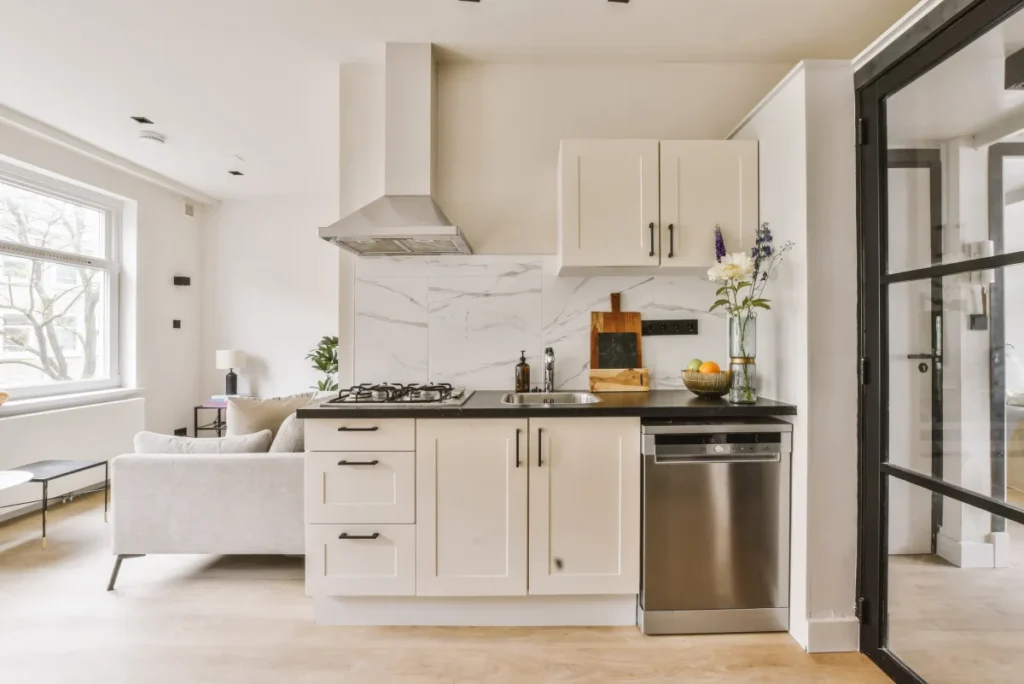
  • Galley kitchens: Keep traffic out of the work zone and add continuous task lighting under cabinets.
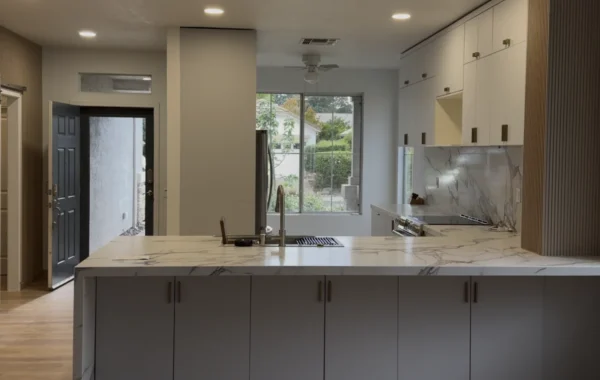
  • L‑shape kitchens: Create clear landing zones beside the sink and cooktop to reduce chaos.
  • U‑shape kitchens: Aim for comfortable aisle widths so the room doesn’t feel boxed in.
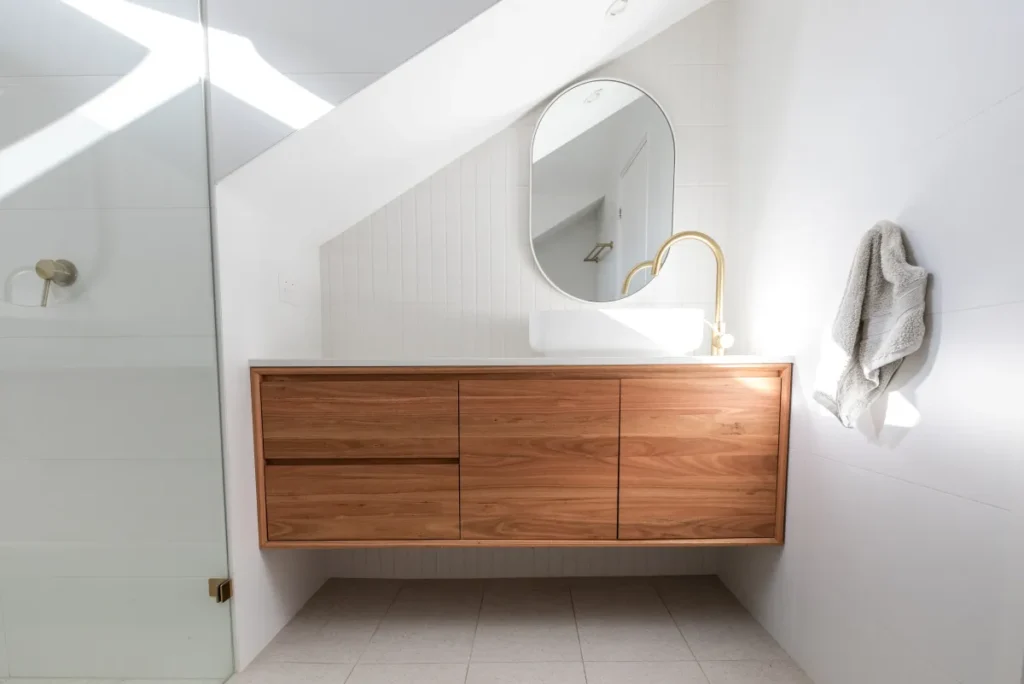
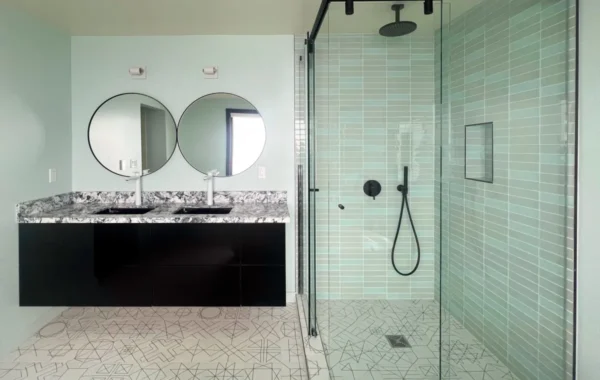
  • Small bathrooms: A pocket door, compact-depth vanity, and shower niche free up elbow room.
  • Keep plumbing efficient: When possible, align fixtures along shared walls to reduce complexity.
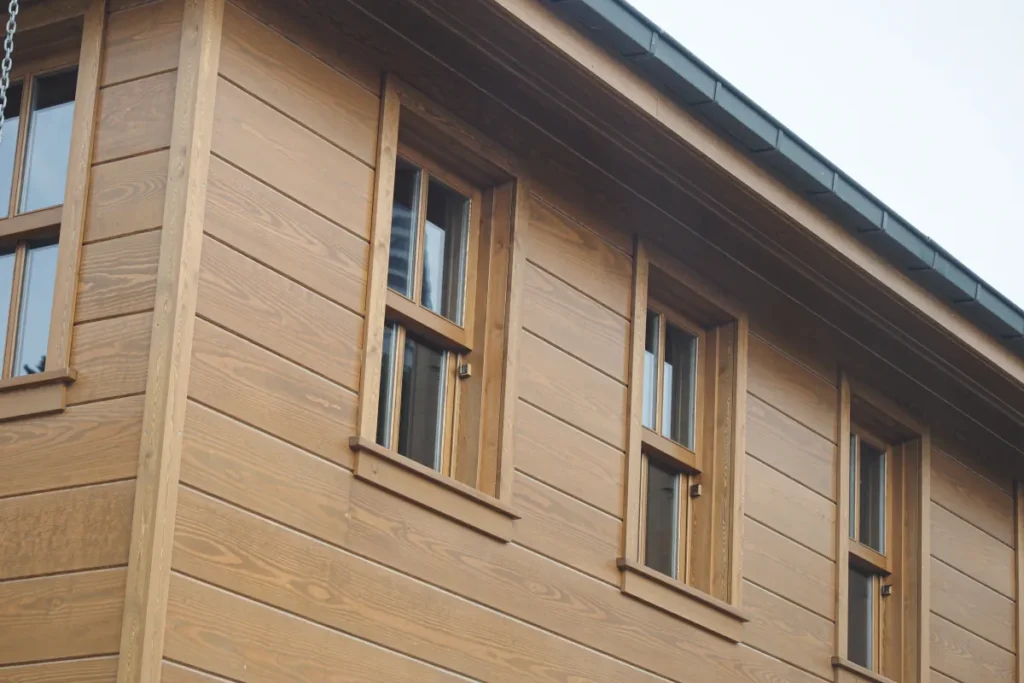
engineered wood siding establish shot of a old wooden house

Planning, Budget, And Materials

Remodels go smoother when decisions happen before the jobsite gets loud. For this reason, Use this checklist to keep your scope, budget, and selections aligned—especially important when you’re coordinating multiple rooms in an older home.

Pre-Build Checklist (Practical, Not Theoretical)

  • Photograph and measure existing conditions (especially kitchens, baths, and the electrical panel).
  • Write your priorities in plain language: what must be fixed, what should be improved, what can wait.
  • Decide if you’ll live in the home during construction and which rooms must stay functional.
  • List long‑lead materials (cabinets, specialty tile, custom doors) and select them early.
  • Set rules for changes: who approves, how pricing is documented, and how schedule shifts get communicated.
  • Clarify who supplies what (appliances, fixtures, paint, hardware) to avoid last‑minute gaps.
  • Create a staging plan so materials don’t block hallways, bedrooms, or exits.
  • Plan storage and lighting intentionally; these two items change daily living more than most finishes.

When remodeling old house interiors, it also helps to prioritize “invisible” upgrades—ventilation, insulation access, and circuit capacity—before you choose the final look.

Materials Deep Dive: Durability, Fit, And Maintenance

Older homes have details that modern builds often don’t. Meanwhile, Matching the material level to the home prevents the finished spaces from feeling disconnected, and it helps resale because the remodel looks intentional rather than trendy.

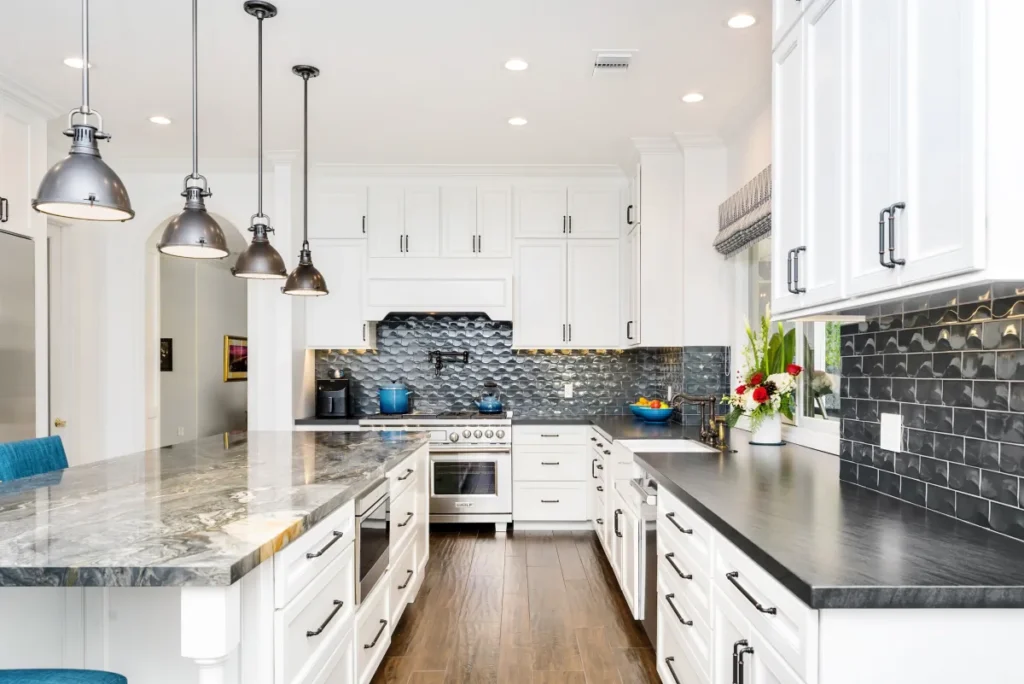
  • Cabinet door styles: Shaker works in most older homes; raised-panel reads more traditional; slab doors feel modern and make wall irregularities more noticeable.
  • Cabinet construction: Plywood boxes handle moisture better; MDF paints smoothly but doesn’t like leaks—think about where kids, pets, and plumbing live.
  • Countertops: Quartz offers low maintenance and consistent color; granite adds natural variation; butcher block warms up a space but needs regular care near sinks.
  • Flooring: Refinishing existing hardwood can preserve character; engineered hardwood handles movement well; porcelain tile works for wet zones; luxury vinyl plank tolerates moisture but can feel less “original.”
  • Tile and grout: Porcelain is dense and durable; pick grout that resists staining and use proper waterproofing in showers.
  • Fixtures: Spend on valves and rough components; trim pieces are easier to update later.
  • Layered lighting: Combine ambient (ceiling), task (under-cabinet/vanity), and accent (sconces) so older rooms feel brighter without changing the footprint.

Quick Decision Table

ChoiceBudget impactTimeline impactNotes
Cosmetic refreshLow–MediumShorterPaint, flooring, fixtures; minimal layout changes.
Partial reconfigurationMediumModerateKitchen/bath updates plus selective plumbing or wall moves.
Full gut + systemsHighLongerElectrical, plumbing, HVAC upgrades often add inspections and coordination.
Structural changesVariesOften longerEngineering and additional reviews may apply depending on scope.

Timeline And Permit Considerations

In California, the timeline depends on three things: how much you change, what your local jurisdiction requires, and how many unknowns the house reveals once work begins. Permits are commonly required for structural changes, additions, and most trade work (electrical, plumbing, HVAC), so plan for review and inspection scheduling as part of the overall calendar.

Project Roadmap: From Walkthrough To Closeout

  1. Initial call and walkthrough: Define goals, constraints, and “keep vs change” items.
  2. Scope and selections: Confirm layout, storage, and finish direction; identify long‑lead materials.
  3. Estimate and agreement: Set written scope, allowances, and change-order rules.
  4. Permits (when required): Prepare submittals, respond to plan check, and schedule inspections.
  5. Site prep and protection: Dust control, floor protection, and staging plan.
  6. Demolition and rough‑in: Open up, address hidden conditions, install trades, and pass inspections.
  7. Finishes and install: Drywall, cabinets, counters, tile, paint, fixtures, and final details.
  8. Punch list and documentation: Final walkthrough, touch-ups, and closeout items.

Budget Ranges & Timeline (Typical)

  • Cosmetic refresh: Lower budget; often measured in weeks once materials are ready.
  • Kitchen/bath + selective layout changes: Mid budget; often a few months on-site depending on inspections and lead times.
  • Full gut + systems: Higher budget; can run several months, especially when surprises appear behind walls.
  • Planning and permitting: Add time for plan prep and local review; timelines vary by city/county workload and plan completeness.

If you’re living in the home, build your schedule around “must-have” functions: at least one working bathroom, safe pathways, and a realistic cooking plan. Also, That decision alone can change sequencing and pacing.

How To Avoid Costly Mistakes

Most expensive remodel mistakes are preventable. In addition, They come from unclear scope, late selections, and assumptions about what’s behind walls.

  • Skipping investigation: Where possible, evaluate major systems early so you’re not forced into emergency decisions mid‑build.
  • Making design decisions during construction: Lock key choices (cabinet layout, tile, fixtures) before demo so trades can move efficiently.
  • Ordering custom items too early: Avoid purchasing custom-built materials before field conditions are verified on site.
  • Letting changes pile up: Use written change orders so budget and schedule impacts stay visible.
  • Over-customizing for resale: Keep improvements functional and durable; the home should still appeal to a wide range of buyers.

Resale And ROI Priorities (Without Guessing Numbers)

Return on investment depends on neighborhood, market timing, and how well the work fits the home. Also, Instead of chasing a percentage, prioritize improvements that future buyers can verify quickly.

  • Fix functional problems first: leaks, poor ventilation, unsafe electrical, and failing plumbing.
  • Upgrade kitchens and bathrooms with durable, neutral finishes and good lighting.
  • Add storage and improve flow; these changes show in daily use and in photos.
  • Preserve character elements when they’re in good shape—original trim and floors can be a selling point.

Maintenance Tips After The Remodel

  • Run bath fans during and after showers; ventilation protects paint, drywall, and grout.
  • Use pH-neutral cleaners on stone and grout; harsh chemicals shorten seal life.
  • Re-caulk wet areas when you see gaps; small repairs prevent big water damage.
  • Keep spare finish materials (paint color, tile, grout code) for future touch-ups.
refacing kitchen cabinets closeup of woman painting kitchen cabinets

Next Step For Homeowners In Sacramento

US Construction & Remodeling Corp. Also, helps Sacramento homeowners plan and build around the realities of remodeling old house spaces—clear scope, realistic sequencing, and practical material guidance—so decisions get made before they become delays. Meanwhile, If your address is within the City of Sacramento, permitting and plan review typically run through the Community Development portal (Accela Citizen Access), which supports online applications, payments, and status tracking.

Call first: +1 (916) 234-6696 for a quick consult and a ballpark discussion of scope. Also, If you prefer online scheduling, Free estimate.

Trust And Verification Checklist

  • Work with a properly licensed contractor for the trade scope, and ask for current proof of insurance.
  • Clarify who is responsible for permits when they are necessary and how inspections are scheduled.
  • Expect a written scope, allowance details, and a clear method for documenting changes.
  • Ask how the team protects occupied homes (dust control, pathways, daily cleanup).
  • Verify contractor status directly with the state before you sign: California CSLB license check.

Contact: +1 (916) 234-6696 | https://usconstructioncali.com/

Helpful Links

Licensed, insured & trusted local contractor

US Construction & Remodeling Corp.
9821 Business Park Dr, Sacramento, CA, 95827
Phone: +1 (916) 234-6696

CSLB License #: 1117562 Fully licensed and insured.

View our Google Business Profile

Leave a comment

This website uses cookies to improve your web experience.
Explore
Drag