Scope Options (Refresh Vs Full Remodel) For Solar Panels Vs DIY
Solar projects go smoother when the scope is decided up front. In a solar panels vs diy decision, scope creep is the most common surprise: you start with ‘just panels,’ then discover you also need roof work, equipment relocation, or electrical changes.
Refresh Scope: Add Solar With Minimal Changes
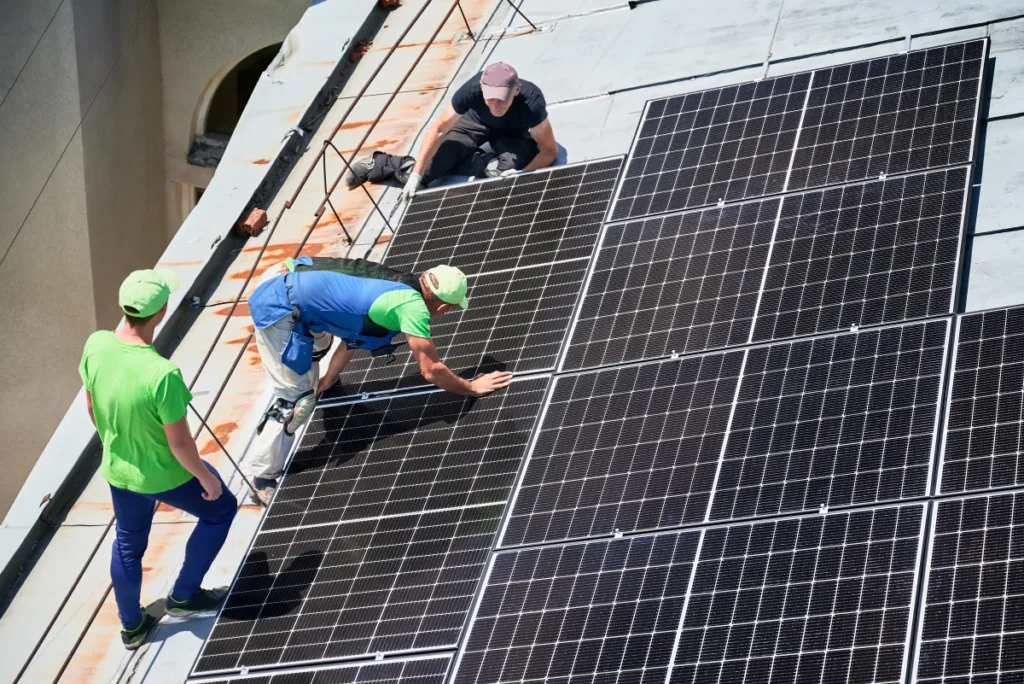
This option fits homeowners who have a solid roof and straightforward electrical setup, and simply want to add a roof-mounted solar system.
- Install panels and racking on existing roof surfaces
- Run wiring and conduit with a planned route to the electrical equipment
- Add required shutoff hardware and labeling
- Complete permit submittals and inspections for the solar scope
Full Remodel Scope: Solve Roof + Electrical + Future Upgrades Together
If the roof is near end-of-life or the electrical setup needs changes, bundling scopes can avoid removing and reinstalling panels later. This approach also helps if you want backup readiness or plan to add an EV charger soon.
- Address roof repairs or replacement before solar goes on
- Plan for electrical service changes if needed (panel space, equipment locations)
- Design for battery readiness and future add-ons without rework
- Coordinate sequencing so inspections don’t conflict across scopes
Layout Planning: Roof Planes, Shading, And Equipment Placement
Solar ‘layout’ isn’t just where panels land; it’s also where conduit runs, where shutoffs mount, and how equipment fits the exterior. For this reason, A cleaner plan usually looks better and reduces labor.
- Identify usable roof planes and keep clearances around vents and roof features
- Account for shading at different times of day before committing to a layout
- Choose equipment locations that stay accessible but out of the way
- Decide early whether conduit runs through attic spaces or on exterior walls
Small-Roof Options (When Usable Area Is Limited)
Limited roof area doesn’t automatically mean solar won’t work; it just changes the strategy. Meanwhile, The goal is to prioritize the best-producing locations and reduce waste.
- Use the most productive roof plane(s) instead of scattering panels everywhere
- Consider higher-efficiency panels when space is the main constraint
- Pair solar planning with efficiency upgrades to reduce the size you need
- If ground space exists, ask whether a ground-mount could fit your property and approvals
Materials And Finish Selections
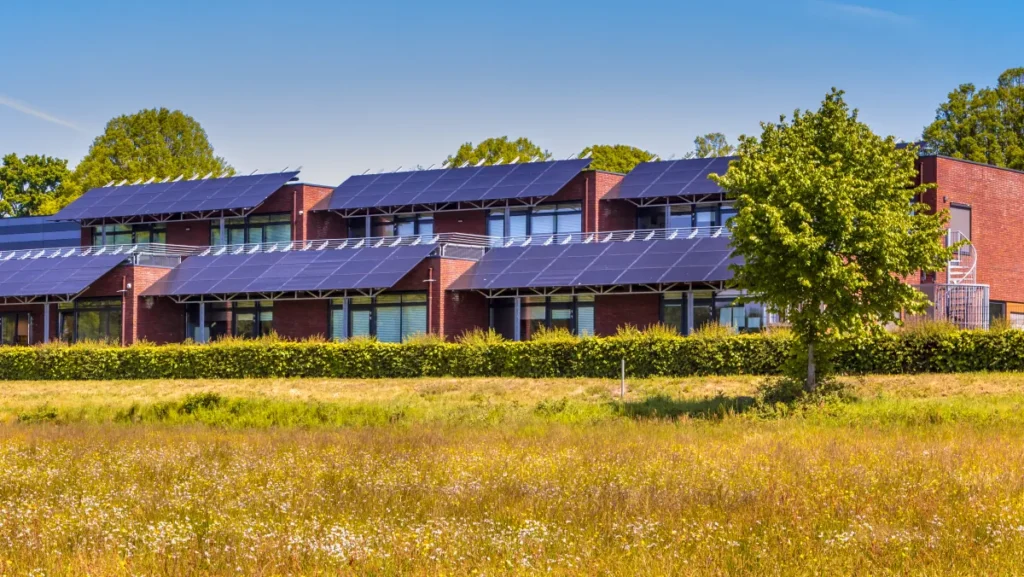
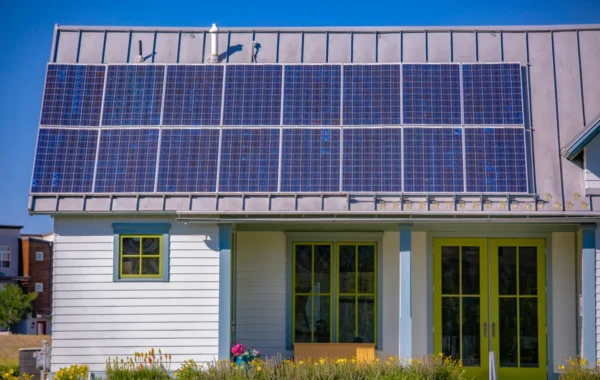
Solar is functional equipment, but it also becomes a long-term exterior feature. Additionally, Material and finish choices affect performance, longevity, and how clean the installation looks from the street.
Panel Appearance And Durability
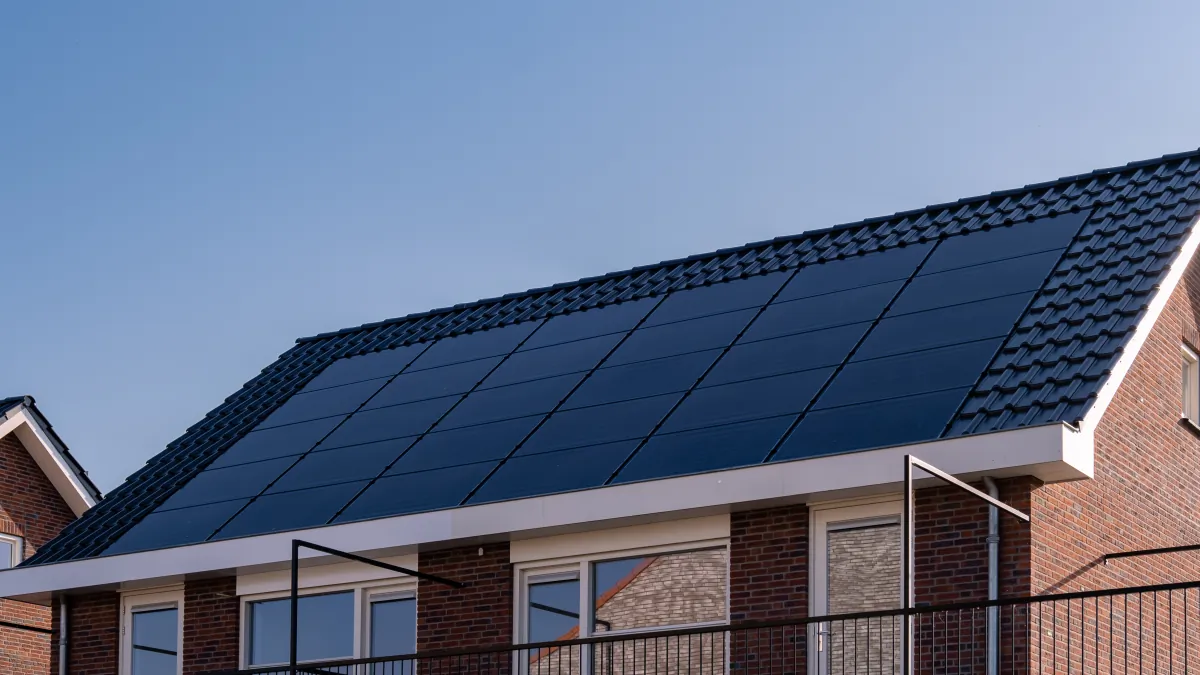
- All-black vs mixed finishes: all-black panels can look more uniform, while mixed finishes may cost less.
- Efficiency vs footprint: higher-efficiency panels can reduce the number of panels needed when space is tight.
- Documentation: ask for manufacturer spec sheets and warranty terms in writing so you can compare options.
Mounting, Flashing, And Weatherproofing Details
- Attachment hardware: quality racking and fasteners matter because they handle wind and weather over time.
- Flashing: proper flashing at penetrations helps prevent leaks; it’s one of the biggest quality differences between installs.
- Roof compatibility: the roof material and slope influence the attachment method and labor.
Conduit Routing And ‘Finished’ Look
The cleanest installs decide conduit routes early. For example, That avoids last-minute zig-zags and keeps shutoffs placed where they’re accessible without being an eyesore.
- Choose straight, minimal exterior runs where possible
- Match conduit color when appropriate for a lower-contrast look
- Keep equipment grouped logically to simplify servicing
Timeline And Site Disruption (Typical)
Most of the time isn’t a crew on your roof—it’s coordination. Your overall schedule depends on scope, plan review, inspection availability, and when the utility authorizes the system to be turned on.
Rocklin Project Flow (Typical)
- Site check: confirm roof condition, electrical setup, and equipment locations.
- Design + proposal: size the system and produce a clear, written scope.
- Permitting: submit plans and respond to plan check comments as needed.
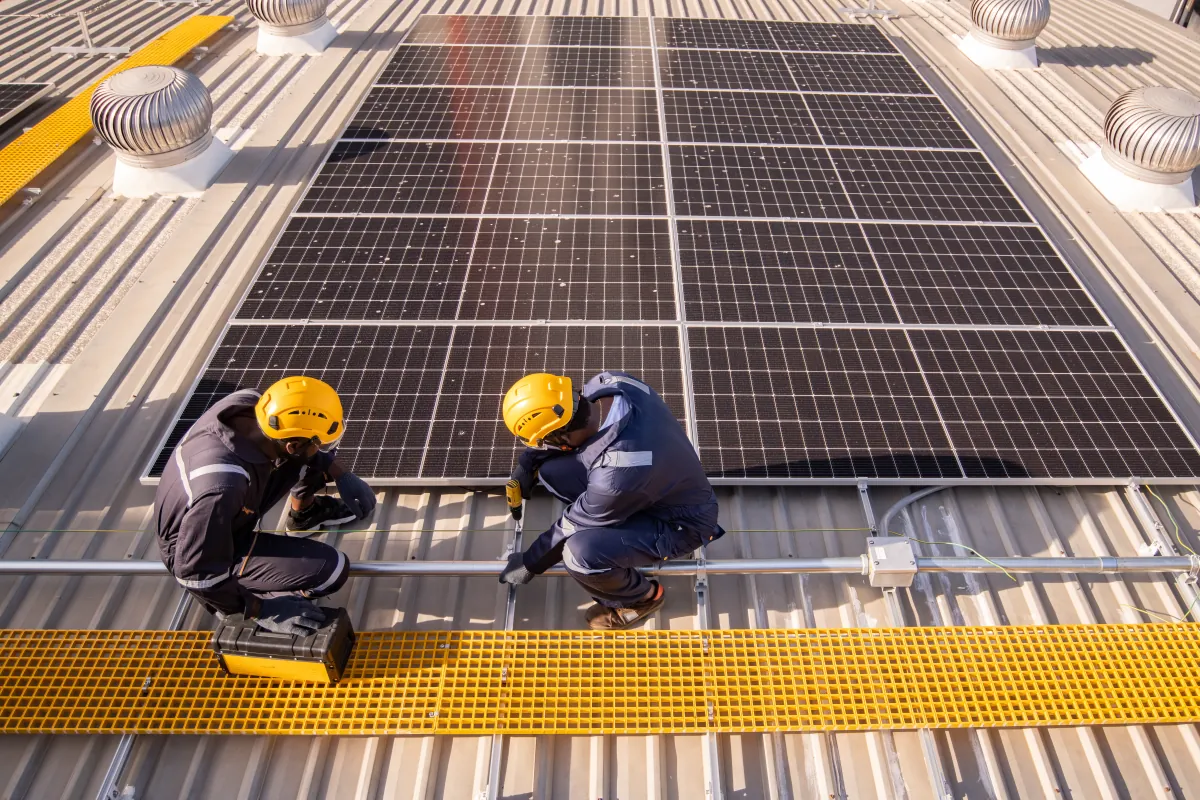
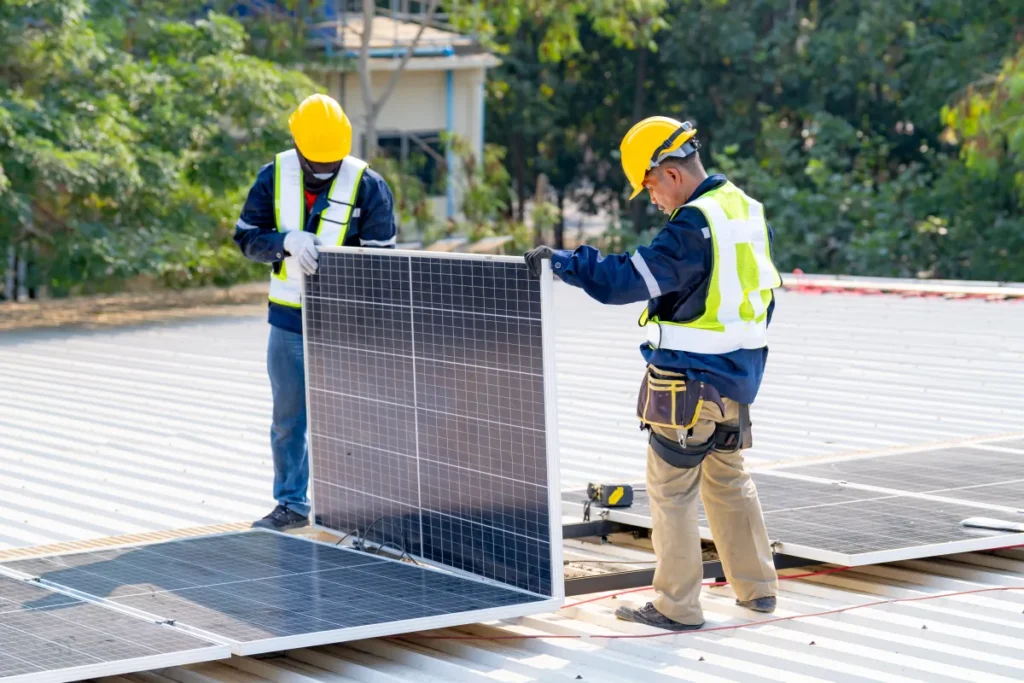
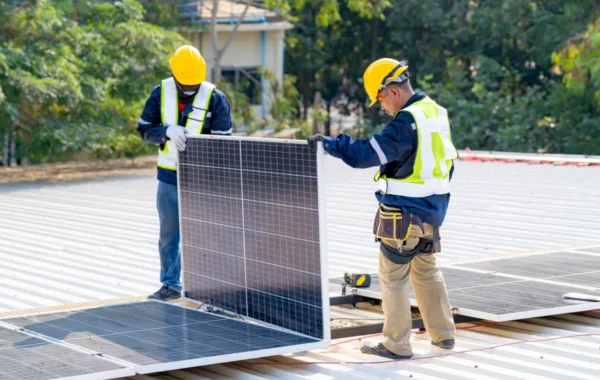
- Install day(s): roof attachments, panel set, wiring, and equipment mounting.
- Inspections: schedule and pass required inspections for sign-off.
- Activation: complete the steps needed for the system to operate.
In Rocklin, projects typically run through the city’s eTRAKiT portal for permit submissions, status checks, and inspection scheduling. Also, Having paperwork organized and scopes clear makes those steps smoother.
Budget Ranges And Timeline (Typical)
- On-site work: often 1–3 days for a straightforward roof-mount; more when other upgrades are included.
- Approvals: plan review and inspections can take several weeks, depending on volume and scope.
- Main cost drivers: roof condition, electrical changes, battery equipment, and complex conduit routing.
- Best comparison: line up a contractor’s written scope against your DIY parts list so nothing is missing.
Decision Table: What Affects Cost, Time, And Complexity
| Decision point | Why it matters | Typical impact |
|---|
| Roof condition | Solar is long-term; the roof should be, too. | Repairs or replacement can add scope before install. |
| Electrical panel space | Room for breakers, disconnects, and safe labeling. | Changes can add coordination and inspections. |
| Conduit route | Affects appearance and long-term exposure to weather. | Cleaner routes may take more planning or labor. |
| Backup/battery readiness | Impacts equipment count and wiring complexity. | Adds materials, space needs, and additional setup time. |
Common Mistakes To Avoid
- Buying equipment before confirming a workable layout and shading
- Skipping a roof assessment and needing removal/reinstall later
- Assuming inspections are ‘quick’ and not planning for scheduling lead time
- Leaving conduit routing decisions until after panels are already staged
- Underestimating documentation needs during plan review and inspections
Example Scenario (Hypothetical): Two Ways The Same Project Can Go
Scenario A (DIY-heavy): a homeowner buys a kit based on a quick online estimate. For example, Once work begins, roof obstructions force a last-minute layout change and a more visible conduit route, adding time and frustration.
Scenario B (planned scope): with a proposed layout, defined equipment locations, and a written scope, the install stays tidy, inspections are scheduled in sequence, and activation happens without rework.