Solar Panels Timeline In Berkeley
If you’re planning rooftop solar, this guide breaks down the solar panels timeline berkeley homeowners usually ask about—from early site measurements to inspections and utility approval to turn the system on.
Quick checklist:
- Verify roof condition first; plan reroof timing before installing panels.
- Size the system from real kWh usage and shading, not just panel count.
- Compare inverter options (microinverters vs string + optimizers) and monitoring.
- Confirm permitting and utility interconnection responsibilities and timeline.
- Review the contract (warranties, production assumptions, exclusions, roof penetrations).
- Confirm any electrical panel upgrades and inspection steps.
TL;DR: The install itself often takes a day or two, while paperwork and approvals can take much longer. Lock in the big decisions early (panel location, electrical upgrades, battery) and the schedule stays far more predictable.
- Confirm your roof is in install-ready condition.
- Gather photos of your main electrical panel and meter.
- Decide early on battery backup vs. solar-only.
- Plan where inverter/disconnect equipment will go.
- Ask for a realistic permit + inspection window.
- Set your availability for a site visit and install day.
Permits, Timeline, And What To Expect For Solar Panels Timeline Berkeley
| Decision | Why it matters | Quick check |
|---|---|---|
| Roof condition | Installing over an aging roof risks rework later. | Inspect first and plan reroof timing if needed. |
| System size | Determines cost and energy offset. | Size from real kWh usage and shading. |
| Inverter type | Affects monitoring and shade performance. | Compare microinverters vs string + optimizers. |
| Permits & interconnection | Approvals can drive the schedule. | Ask who handles permits/utility and expected timelines. |
Homeowners often expect the biggest time block to be the crew on the roof. As a result, In reality, most of the calendar sits in design coordination, city review, inspections, and utility sign-off. Also, That’s why two similar homes can finish weeks apart.
This checklist is for Berkeley homeowners who want clear expectations before committing. Overall, It focuses on the solar panels timeline berkeley projects typically follow, so you can plan around inspections, travel, and other work on the home.
Good Fits For This Guide
- You want rooftop solar and need a realistic schedule before you commit.
- You suspect your electrical panel may also need updates.
- You’re considering a battery and don’t want to restart drawings later.
- You want fewer surprises around inspections and utility paperwork.
Want a timeline mapped to your address? Additionally, Schedule a free estimate online, or call +1 (916) 234-6696.


When Permits Are Typically Necessary (General) For Solar Panels Timeline Berkeley
Most residential solar projects involve electrical work, so permits and inspections are commonly part of the job. Scope matters: a standard rooftop array differs from a project that also upgrades the main service panel, adds battery storage, or changes roof structure.
Permit And Inspection Notes For Berkeley
For Berkeley addresses, many building/trade steps run through the City of Berkeley Permit Service Center’s online Permits Online system. For this reason, Even with digital submittals, review time still depends on scope and how complete the plans are, so clean drawings and clear equipment specs help.
- Rooftop solar only: typically includes permit submittal and a final inspection.
- Solar + main panel upgrade: can add design steps, materials lead time, and separate inspections.
- Solar + battery: may add equipment review and placement requirements (clearances and access).
Because every address and scope is different, confirm the details with your installer before you plan around a specific date.
Typical Milestones
The on-site install is usually the shortest phase; coordination takes longer. Meanwhile, Use these ranges as planning windows, not guarantees.
What Happens In Each Milestone
- Site visit + measurements: a few days to a couple of weeks to schedule.
- Design + homeowner approval: often 1–2 weeks depending on decisions.
- City review + approvals: commonly weeks, sometimes longer for complex scopes.
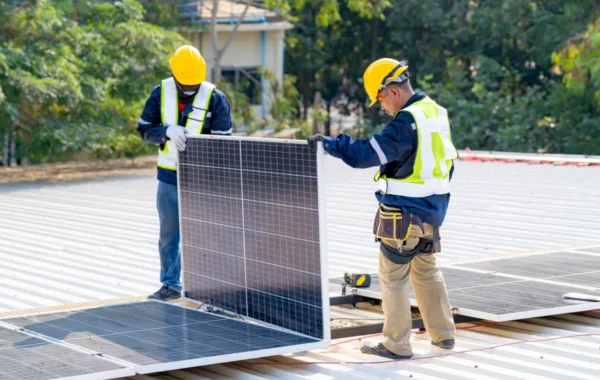
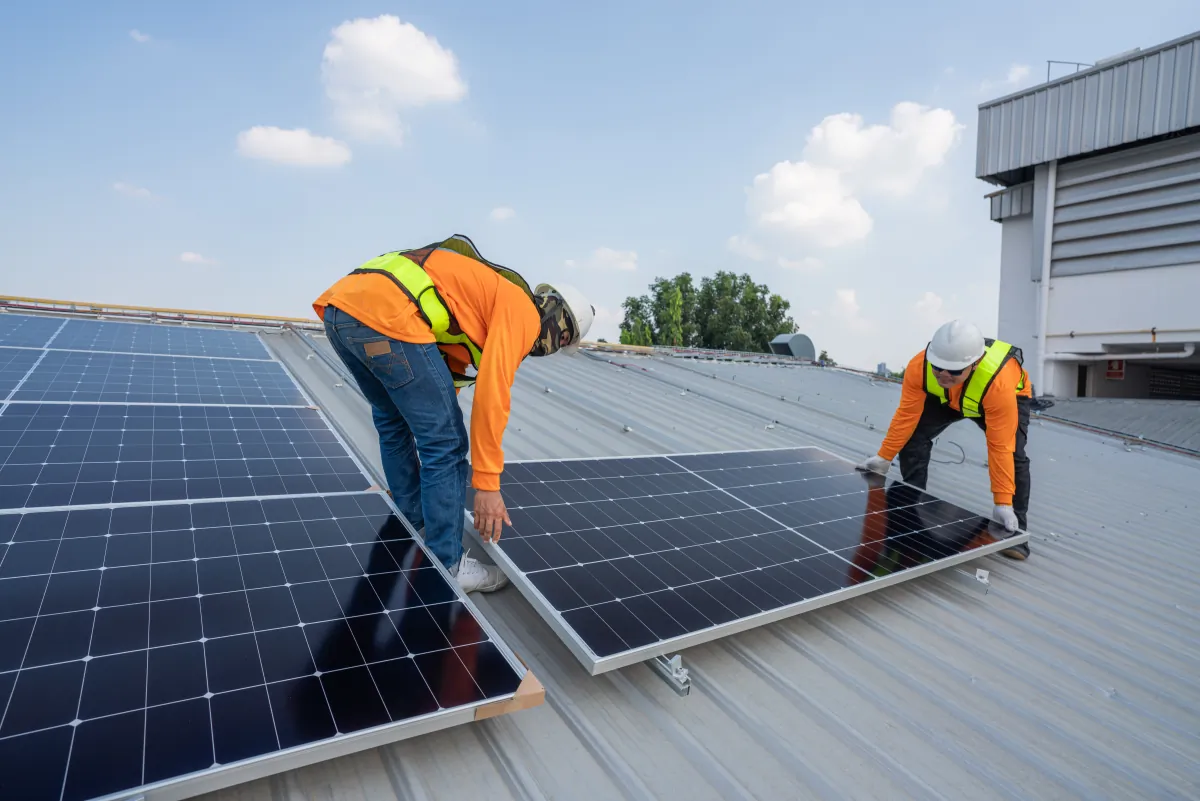
- Installation: often 1–3 days for a residential rooftop.
- Inspection(s) + corrections: usually scheduled within 1–3 weeks after install.
- Utility permission to operate: timing varies; complete paperwork helps.
| Decision | Why it matters | Typical schedule impact |
|---|---|---|
| Roof repairs needed | May require roofing work before solar | Adds days to weeks |
| Main panel upgrade | Extra electrical scope and inspections | Adds weeks in many cases |
| Battery now vs later | Changes design and equipment placement | Prevents rework when decided early |
| Equipment availability | Some components have lead times | Adds days to weeks |
If you respond quickly to document requests (utility bill, roof/panel photos, access notes), you reduce back-and-forth and keep the file moving.

Decisions That Affect Schedule
These choices drive the schedule more than most people expect. Also, When you decide them before plans go in, you cut redesigns and resubmittals.
- Roof readiness: repairs, reroof plans, and access points.
- Array location: shading, aesthetics, and setbacks.
- Electrical scope: breaker space, main panel condition, and meter location.
- Battery backup: solar-only vs. storage now.
- Equipment placement: inverter/disconnect location and clear working space.
- Home access: attic access, parking, and safe material staging.
Accessibility And Safety (And How It Affects Timing)
If someone in the household has mobility limits—or you’re planning ahead for aging in place—talk about equipment placement early. In addition, Reachable shutoffs, clear pathways, and adequate working clearance can influence the layout, and layout changes can affect the plan set.
How To Avoid Delays
Most delays come from late decisions or missing information. For example, A few practical habits keep the schedule tight without rushing the work.
Common Mistakes That Stretch The Schedule
- Waiting to decide on a battery until after plans are submitted.
- Not disclosing a planned roof replacement or repair needs.
- Sending incomplete photos of the main panel, meter, and roof planes.
- Missing HOA/architectural review steps (when applicable).
- Rescheduling inspections at the last minute due to access issues.
US Construction & Remodeling Corp. Meanwhile, supports Berkeley homeowners with clear milestones and straightforward communication. Overall, To get a schedule for your home, book your free estimate online; for quick questions, call +1 (916) 234-6696.
Helpful Links
Frequently Asked Questions
Many residential projects move through a few phases: site visit, design, city approval, installation, inspection, and utility approval to turn the system on. To keep a solar panels timeline berkeley homeowners can plan around, treat the install as the short phase and approvals as the longer phase.
- Fast-moving projects: sometimes wrap up in several weeks when scope is simple and paperwork is complete.
- More complex scopes: can take a few months if you add a main panel upgrade, battery storage, or roof work.
While you’re waiting for approvals, you can still keep momentum: confirm roof readiness, clear access to the main panel, and finalize equipment locations so the plan set doesn’t need revisions.
When you’re comparing bids, ask for dates tied to milestones: (1) plan set ready, (2) submittal date, (3) expected install window, (4) inspection request date, and (5) when utility paperwork gets submitted. That’s more useful than a single “install date.”
Most rooftop solar installations involve electrical work, so permits and inspections are commonly required. The exact set depends on your scope (solar-only vs. solar plus battery storage or electrical upgrades).
For Berkeley projects, homeowners often interact with the City of Berkeley Permit Service Center, which supports online steps through Permits Online for many permit types. A good installer can explain what gets submitted, what gets inspected, and what you should keep on file.
- Ask who pulls the permits: homeowner, installer, or a subcontractor.
- Ask what inspections are expected: and how scheduling works for your address.
- Ask what you’ll need to sign: some applications require owner acknowledgement.
On inspection day, plan for access to the inverter and main panel, and keep pets secured. If corrections come back, ask for a clear punch list and a quick re-inspection plan.
When in doubt, confirm the requirements for your address before you schedule other trades.
The biggest timeline extensions usually come from scope changes and coordination—not the roof install itself.
- Main service panel upgrades or meter work
- Roof repairs or reroofing planned close to the solar start date
- Battery add-ons decided late (which can trigger design revisions)
- Incomplete documents (utility bill, photos, equipment specs)
- Inspection access issues or missed appointments
To reduce delays, lock in the scope early, send clear photos the first time, and keep inspection windows open on your calendar. Small back-and-forths add up quickly once applications are in motion.
If you’re choosing between solar-only and solar + storage, decide before drawings are finalized. Changing that later is one of the most common reasons projects stall.
Solar pricing depends on system size, roof layout, electrical scope, and whether you add a battery. Some homes also need related work (like a main panel upgrade), which changes both budget and schedule.
- System size: more panels and more electrical work can mean more coordination.
- Roof complexity: steep pitch or multiple roof planes can affect labor.
- Electrical upgrades: panel upgrades often add inspections and materials.
- Battery storage: adds equipment, placement planning, and sometimes extra review.
Cost can influence timing in practical ways. Certain equipment can have longer lead times, and financing approvals can add days if documents are missing. If you want a fair comparison between quotes, ask what’s included (permit handling, inspection scheduling, and any electrical upgrades).
If you want a clear number and a realistic schedule, the quickest path is a site-specific estimate.
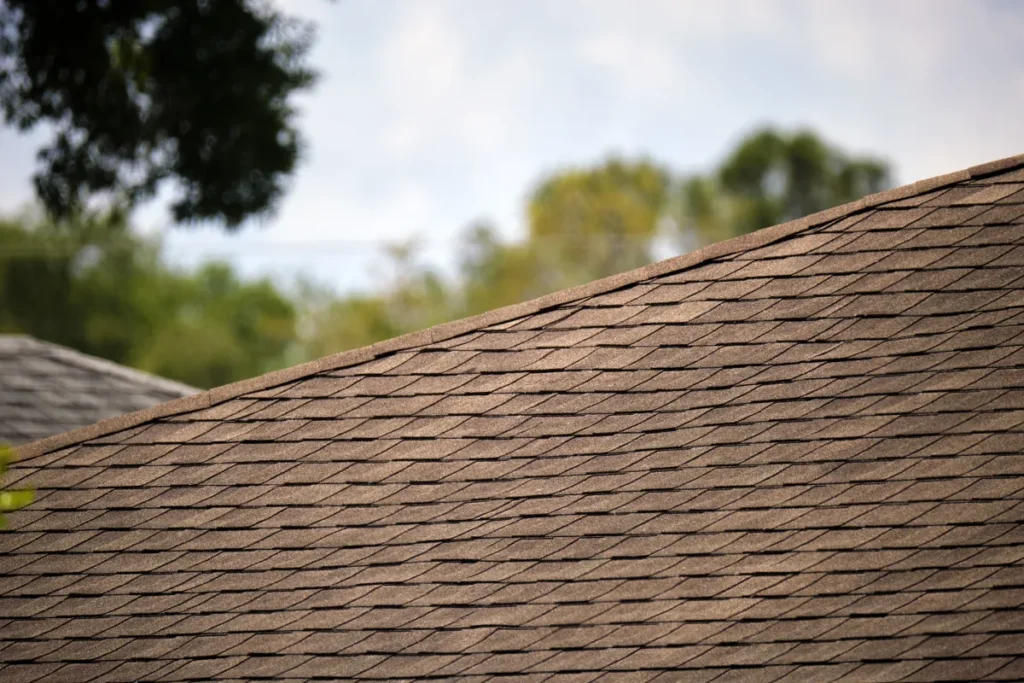
Yes—many homeowners coordinate roofing and solar so they don’t install panels onto a roof that needs replacement soon. In most cases, the roof work happens first, followed by solar installation and inspections.
Hypothetical example: if your roof has 2–3 weeks of repair/replacement work, you may push the solar install window back so the array goes on a finished surface. That often adds time up front but can prevent the cost and disruption of removing panels later.
- Confirm the roof scope and timeline before final solar drawings.
- Coordinate flashing/attachments so the solar layout matches the finished roof.
- Keep warranties in mind—roof and solar trades should align on penetrations.
If you expect to reroof in the next few years, it’s usually smarter to handle the roof first and install solar onto a fresh surface.
The key is to coordinate the two scopes early so drawings, scheduling, and inspections line up.
Equipment location matters for day-to-day usability and long-term safety. Talk about this early, because it can affect the design drawings.
- Choose an inverter/battery location with clear working space and good ventilation.
- Keep critical shutoffs reachable and clearly labeled.
- Avoid creating trip hazards along walkways or tight side yards.
- If you’re planning for aging in place, prioritize simple access for monitoring and reset tasks.
Placement also affects inspection outcomes. Inspectors often look for safe access, clearances, and a clean installation path for conduit. If you need equipment in a specific spot for mobility or safety reasons, mention it early so it’s reflected in the plans.
A quick prep package helps an installer give you a timeline that holds up once paperwork starts.
- Your recent electric bill (for usage context)
- Photos of the roof planes and any shading concerns
- Clear photos of the main electrical panel (door open) and meter
- Notes on planned roof work, remodels, or EV charger plans
- Availability windows for site visit, install, and inspection
If you have an HOA or architectural review requirement, bring that up early as well. Once those basics are in, it’s much easier to estimate the solar panels timeline berkeley homeowners can actually plan around.
Licensed, insured & trusted local contractor
US Construction & Remodeling Corp.
9821 Business Park Dr, Sacramento, CA, 95827
Phone: +1 (916) 234-6696
CSLB License #: 1117562 Fully licensed and insured.