
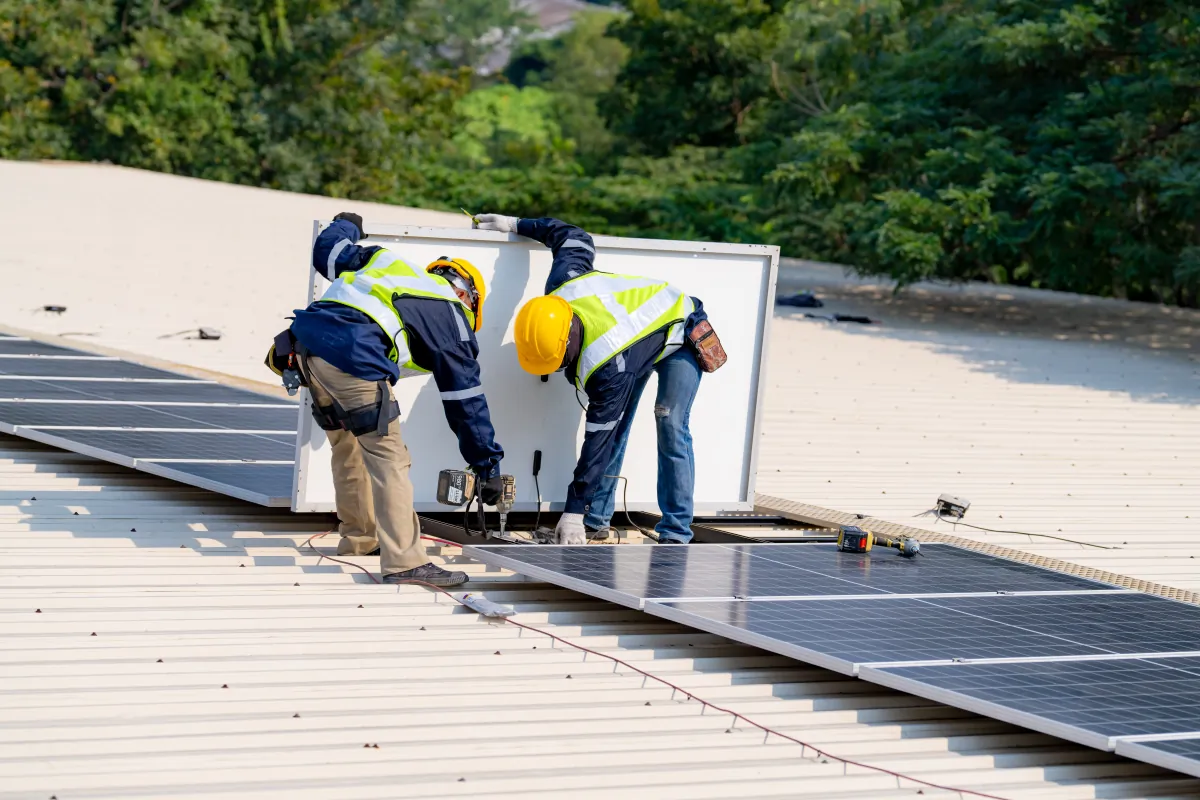
Solar Panels Cost in Elk Grove: Budget Range + Timeline
If you’re trying to pin down the remodel cost for solar panels in Elk Grove, focus on what drives pricing in the real world: your usage goals, your roof layout, and the electrical work needed to connect everything safely.
Quick checklist:
- List the biggest cost drivers (system size, inverter/battery, roof/electrical upgrades, and permitting).
- Size the system from real kWh usage and shading, not just panel count.
- Compare inverter options (microinverters vs string + optimizers) and monitoring.
- Confirm permitting and utility interconnection responsibilities and timeline.
- Review the contract (warranties, production assumptions, exclusions, roof penetrations).
- Confirm any electrical panel upgrades and inspection steps.
TL;DR: Many homeowners budget roughly $15,000–$35,000+ for a typical roof-mounted system before incentives, and timelines often run about 4–10 weeks from signed proposal to turn-on when plan review and scheduling stay on track. Want to map your timeline before you collect quotes? Call +1 (916) 234-6696 or book a planning call.
- Pull 12 months of electric bills (kWh + rate plan)
- Take photos of your main electrical panel label and breakers
- Confirm roof age/condition and whether a re-roof is planned
- List any heavy loads now or soon (EV charger, pool, HVAC)
- Decide if you want battery backup for specific circuits
Remodel Cost Planning
Online calculators can be helpful, but they can’t see your roof, panel, attic runs, or the layout constraints that change an install. Additionally, That’s why the remodel cost for solar panels comes down to the scope you choose and the site conditions you actually have.
This guide gives practical ranges and the cost drivers to watch, so you can compare bids without guessing. Overall, When you’re ready to talk schedule and options, US Construction & Remodeling Corp. Additionally, can walk through it with you on a planning call.
Cost Breakdown For Solar Panels In Elk Grove (What You Pay For)
A solar proposal isn’t just “panels on the roof.” You’re paying for design, equipment, safe electrical integration, and coordination for approvals and inspections. For this reason, The most accurate bids spell out what’s included, what’s assumed, and what could change after a site visit.
Typical Remodel Cost Ranges (Planning Only, Before Incentives)
Use these as a starting point for budgeting, not as a final quote. For example, Your roof type, electrical scope, and whether you add a battery can move the total significantly.
- Smaller roof-mounted system (roughly 4–6 kW): $15,000–$25,000
- Mid-size system (roughly 7–10 kW): $24,000–$38,000
- Battery backup add-on (optional): add $8,000–$18,000+
- Electrical panel or service upgrades (if needed): add $1,500–$5,000+
Hypothetical example: A straightforward mid-size system on a simple roof with no battery and minimal electrical changes may also land in the mid-range, while a complex roof plus battery and major electrical work can push the budget higher.
Common Line Items
| Line item | Typical range | What usually drives it |
|---|---|---|
| Panels + racking (materials) | $5,000–$14,000 | System size, panel tier, roof layout complexity |
| Inverter + monitoring | $1,500–$5,000 | Capacity, features, mounting and wiring approach |
| Installation labor | $4,000–$10,000 | Pitch/height, access, tile vs comp, layout time |
| Electrical scope & materials | $0–$5,000+ | Main panel space, conduit runs, trenching, code updates |
| Permits, inspections, and fees | $300–$1,500 | Scope, jurisdiction fees, number of inspections |
| Contingency | 5–10% of project | Unseen attic/roof conditions, change orders, upgrades |
Cost Drivers That Push The Budget Up (Or Keep It Under Control)
- Roof readiness: brittle shingles, broken tiles, or a roof near end-of-life often means you should coordinate roofing before solar.
- Electrical capacity: limited panel space or older equipment can trigger added electrical work.
- Access and complexity: steep, tall, or multi-plane roofs take more labor and safety setup.
- Battery backup: great for resilience, but it’s one of the biggest add-on costs.
- Load growth: adding EV charging or major HVAC later can change the system you should size today.
Where The Money Goes
Two quotes can look very different even when the “system size” sounds similar. Also, The reason is usually scope: one bid may include stronger equipment specs and more electrical work, while another assumes a simpler install and fewer upgrades.
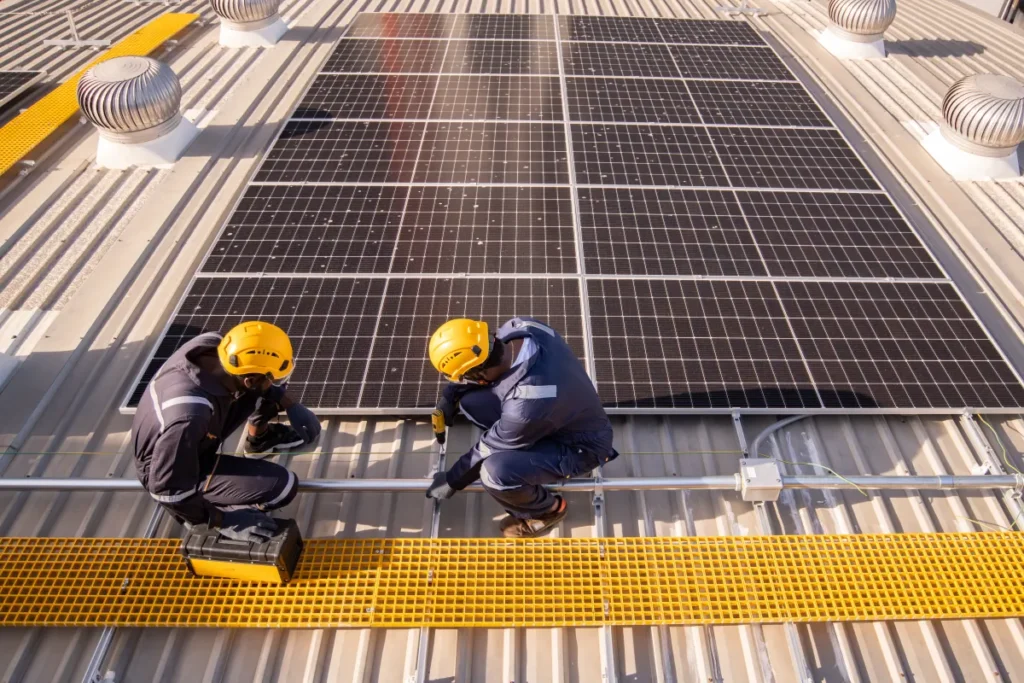
Materials You Can Compare Apples-To-Apples
- Panel model and manufacturer warranty terms (in writing)
- Racking/attachment method and weatherproofing details
- Inverter and monitoring components
- Electrical protection devices and code-compliant disconnects
Labor And Scope Items That Swing Pricing
- Roof work needed for mounting (repairs, tile replacements, underlayment issues)
- Conduit routing (attic runs vs exterior, length of runs, wall penetrations)
- Main panel adjustments (new breakers, subpanel work, or larger upgrades)
- Project coordination time for inspections and approvals
If you want comparable bids, ask each contractor to state assumptions clearly. Meanwhile, That single step often prevents “low price” proposals from turning into expensive changes later.
Optional Upgrades That Add The Most Value
Optional upgrades can be worth it, but only when they match your goals. In addition, Some add resilience, others boost long-term performance or simplify future additions like EV charging. Additionally, The best value usually comes from choosing the right upgrades up front instead of bolting them on later.
Value & ROI Priorities (What Typically Makes Sense)
- Roof coordination: If your roof has limited remaining life, handling roofing first can protect your long-term value.
- Electrical readiness: A clean, code-compliant panel setup supports safer operation and future add-ons.
- Monitoring you will actually use: Clear monitoring helps you spot issues early and confirm the system is performing as expected.
- Battery backup (when it fits): If outages or critical loads matter to you, a battery can be a practical upgrade.
- EV charger planning: If an EV is likely, plan the electrical path now so you don’t pay twice.
Optional Add-Ons And How They Affect The Budget
- Battery backup: Higher upfront cost, better resilience for selected circuits.
- Electrical panel improvements: Can increase cost, but may be necessary depending on existing capacity.
- Crit-load subpanel: Helps organize what the battery runs during an outage.
- Roof repairs: Adds cost now, but can prevent removing/reinstalling solar later.
Permits, Inspections, And Scheduling
Most residential solar installations involve a permit and an inspection because you’re adding electrical equipment to your home. The exact steps depend on the address and scope, but the overall flow stays consistent: submit plans, install, pass inspection, and complete the final activation steps.
Permit And Inspection Notes For Elk Grove
In Elk Grove, minor building permits and inspection scheduling are commonly handled through the city’s eTRAKiT online portal. As a result, That online workflow can help, although timelines still vary based on plan review queues, inspection availability, and the complexity of your project.
Because permit paths can change with scope, a good estimate should state what’s included: plan preparation, submittals, city fees (if bundled), and which inspections are expected.
Typical Timeline (What Happens And How Long It Often Takes)
Every home is different, but this is a realistic planning range homeowners can use when they need a schedule, not a guess.
- Planning call + site visit: often 1–7 days to schedule
- Design + final proposal: often 3–10 business days
- Permit submittal + plan review: often 2–6 weeks
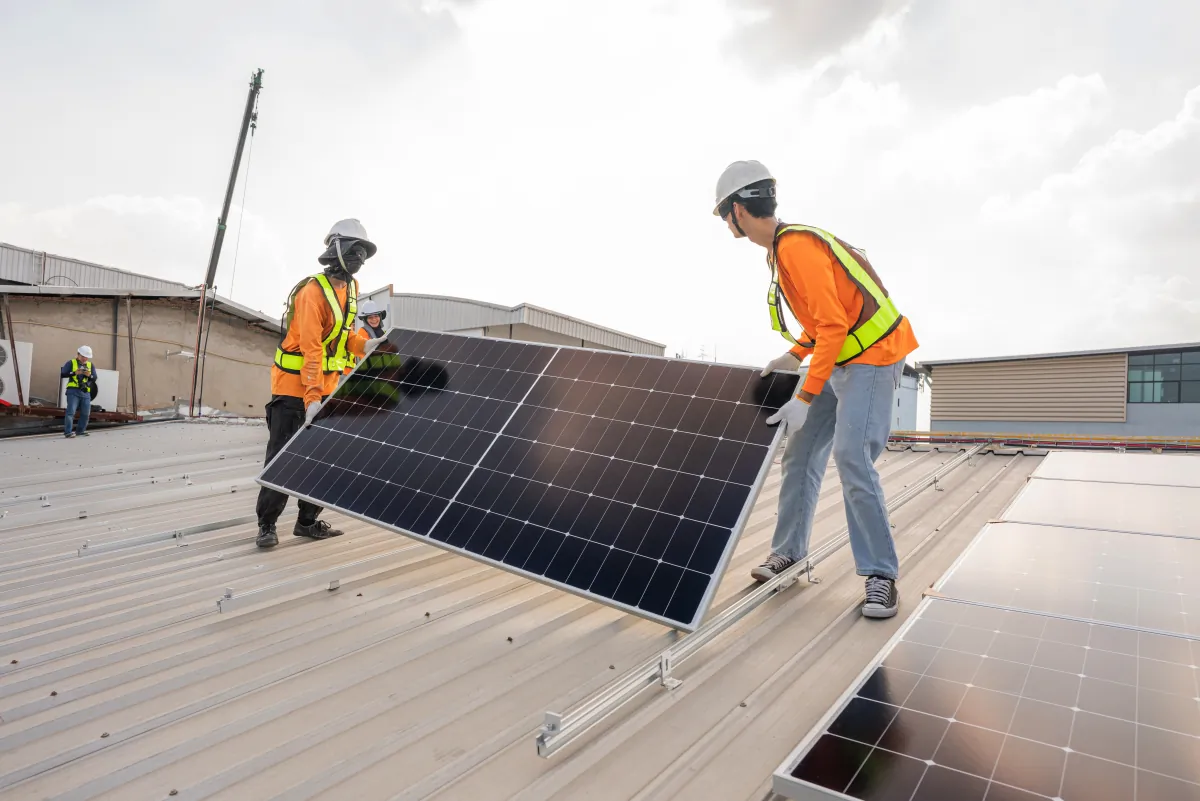
- Installation: often 1–3 days (depending on size and roof complexity)
- Inspection: often 3–14 days after installation, depending on scheduling
- Turn-on approval: often 1–3 weeks after final sign-off
If you have a hard deadline (travel, move-in, or a roof project), bring it up early. As a result, It’s much easier to plan around schedules at the beginning than to compress a calendar at the end.

A Quick Checklist
Solar bids should be easy to compare, but many aren’t. Also, The best way to protect your budget and schedule is to request the same details from every contractor, then line proposals up side-by-side.
- System size and a clear layout (where panels will sit on the roof)
- What’s included for roof attachments and weatherproofing
- Electrical scope in plain language (panel changes, conduit path, trenching if any)
- Permit handling: who submits, what fees are included, and how inspections are scheduled
- Battery scope (if any): which circuits are backed up and what hardware is included
- A timeline with assumptions (what could extend it)
- Payment schedule tied to milestones (not just dates)
- Warranty coverage summary for workmanship and equipment, in writing
Financing Options To Consider (High-Level)
Many homeowners choose a financing route based on cash flow and long-term plans. Also, You don’t need a specific lender name to compare options; you do need the true total cost and the rules around early payoff.
- Cash: simplest structure and often the lowest overall cost
- Home equity loan or HELOC: may offer flexibility, but review terms and closing costs
- Unsecured home improvement loan: can be fast, but rates and fees vary widely
- Refinance or renovation loan: sometimes used when pairing solar with bigger home upgrades
Incentives and tax credits can affect your net cost, but rules change and eligibility is personal. For this reason, If incentives matter to your decision, confirm details with an advisor you trust.
Remodel Cost Checkpoints To Keep Bids Comparable
Use these checkpoints to keep your remodel cost estimate aligned with reality, especially when one quote looks dramatically lower than the rest.
- Same assumptions about roof condition and any repair work
- Same electrical scope (panel changes included or excluded)
- Same battery expectations (whole-home vs selected circuits)
- Same permit/inspection responsibilities and included fees
- Same timeline assumptions and stated start window
If you want an itemized price and a schedule you can plan around, book a planning call with US Construction & Remodeling Corp. Additionally, We’ll talk through your goals, your roof and electrical constraints, and what will realistically drive the timeline in Elk Grove.
Free estimate or call +1 (916) 234-6696.
Helpful Links
Licensed, insured & trusted local contractor
US Construction & Remodeling Corp.
9821 Business Park Dr, Sacramento, CA, 95827
Phone: +1 (916) 234-6696
CSLB License #: 1117562 Fully licensed and insured.


