Bathroom Remodeling vs DIY in Los Angeles: Roadmap & Checklist
Homeowners in Los Angeles often weigh a professional remodel against weekend work. This guide breaks down bathroom remodeling vs diy so you can choose the right path for your home, budget, and schedule.
Quick checklist:
- Define the scope and prioritize daily function (shower, storage, ventilation).
- Confirm what trade work is involved (plumbing, electrical, drywall) and the order of work.
- Choose finishes that hold up in wet areas and are easy to clean.
- Collect 2–3 quotes and compare line-by-line (scope, allowances, cleanup, warranty).
- Decide what needs to be ordered first (tile, fixtures, vanity) to keep the schedule moving.
TL;DR: DIY can work for surface-level upgrades when plumbing stays put and waterproofing stays intact. For tile-heavy showers, plumbing moves, or any unknown water damage, a pro plan usually saves time and rework.
- Define what’s changing (shower, tub, vanity, lighting, ventilation).
- Decide whether plumbing locations stay or move.
- Pick materials with lead times in mind before demo starts.
- Plan moisture control: waterproofing details, slope, and exhaust.
- Map the sequence: demo, rough-in, inspection, tile, trim, closeout.
- Set a DIY stopping point and know when to bring in a pro.
If you want an itemized plan before you commit to either path, US Construction & Remodeling Corp. can walk the space, define scope, and outline options that fit your priorities.
Common Pain Points With Bathroom Remodeling Vs DIY In Los Angeles (And Fixes)
| Decision | Why it matters | Quick check |
|---|---|---|
| Wet-area finishes | Wet zones need durable, easy-clean surfaces. | Choose materials rated for bathrooms and simple maintenance. |
| Ventilation | Helps prevent humidity and long-term damage. | Confirm fan sizing and vent routing. |
| Layout | Good layout improves daily usability. | Verify clearances and door swings. |
| Budget control | Keeps scope creep from blowing up the price. | Use allowances and a written change-order process. |
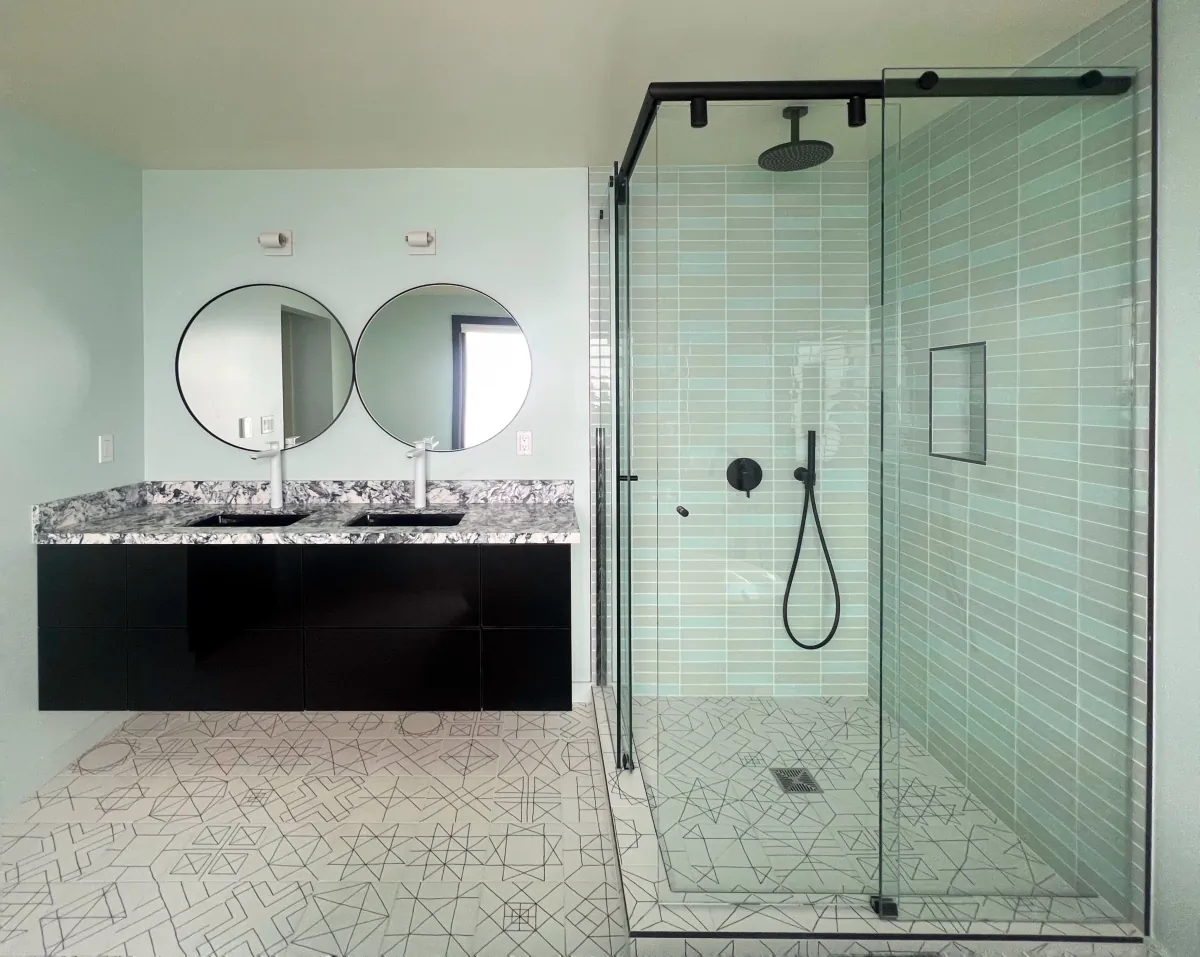
- Swap a tub for a walk-in shower with a tiled niche and bench (space permitting).
- Choose large-format porcelain bathroom tile to reduce grout lines and cleaning time.
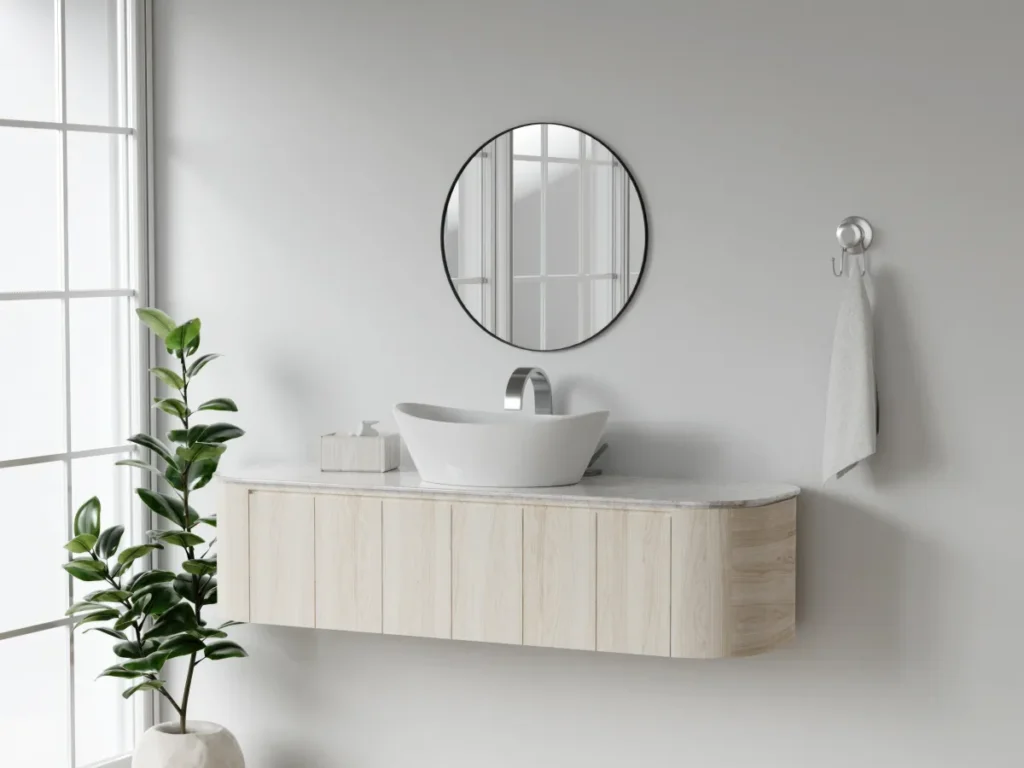
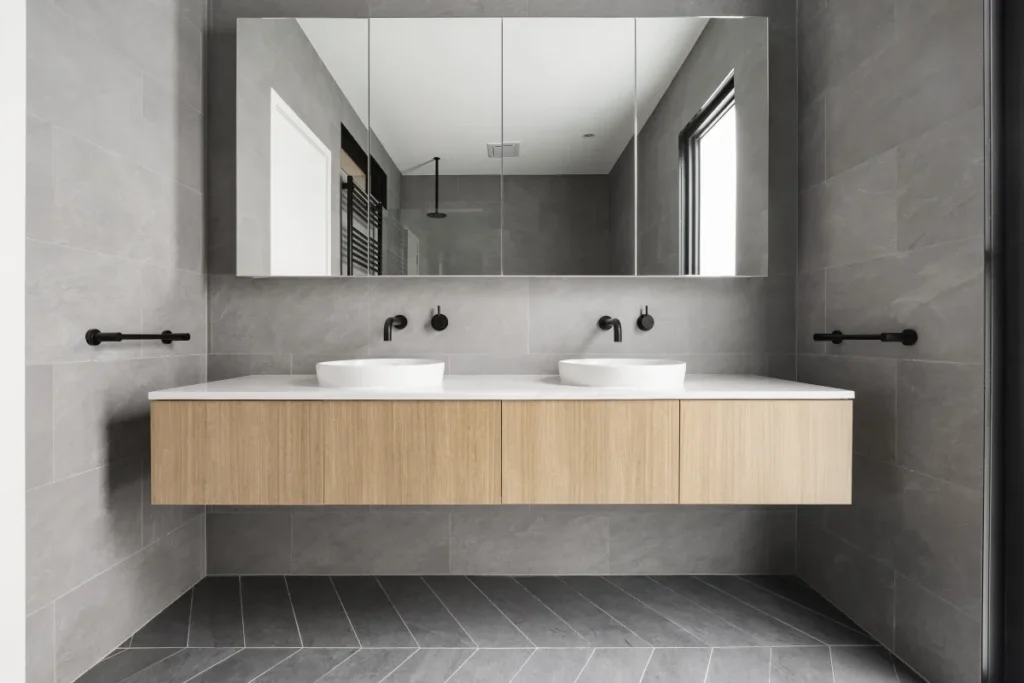
- Add a floating vanity to open up the floor and make mopping easier.
- Use a quartz vanity top for low-maintenance, also day-to-day durability.
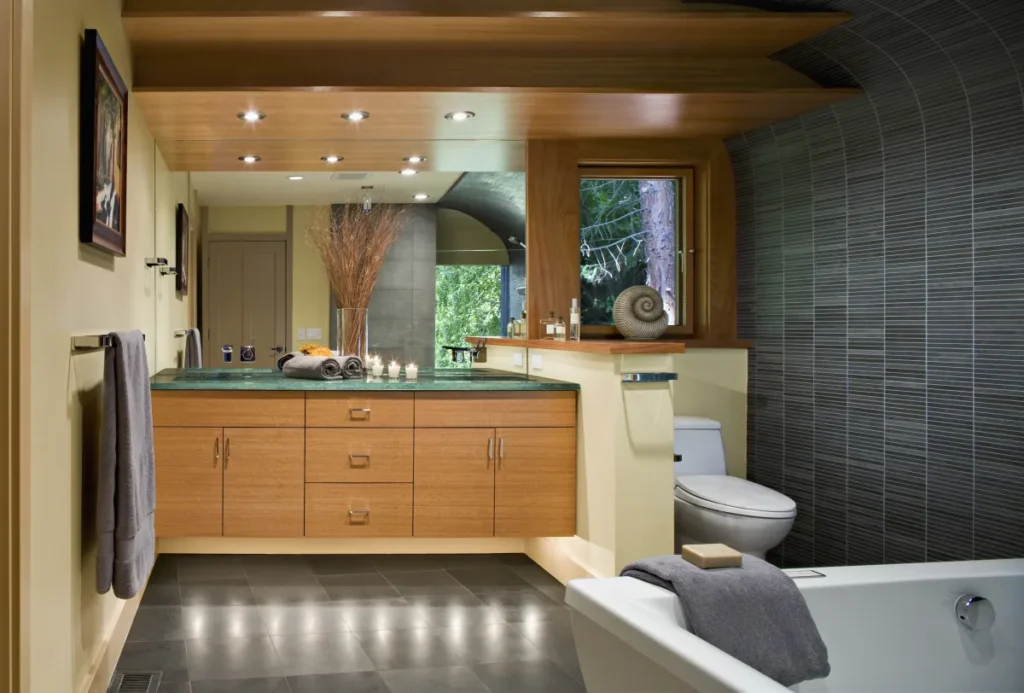
- Layer lighting: an ambient ceiling light plus task lighting at the vanity.
- Upgrade to a humidity-sensing exhaust fan to keep moisture under control.
- Add recessed medicine storage to free up counter space.
- Specify a pressure-balanced shower valve for more consistent comfort.
- Pick slip-resistant bathroom floor tile to reduce fall risk when wet.
- Consider a curb-minimized shower entry where layout and drainage allow.
DIY bathrooms usually go sideways in the same places: hidden water damage, waterproofing details, and trade coordination. For this reason, In a shower, a missed detail can leak quietly, so the “pretty” finishes depend on prep you won’t see after the walls close.
Where DIY Works—And Where It Doesn’t
If you’re keeping the layout intact, avoiding wall demo, and swapping surface items, DIY can be a smart choice. However, the moment you touch shower waterproofing, move plumbing, or change electrical, the risk of rework climbs fast—especially in tight Los Angeles bathrooms where every inch matters.
- DIY-friendly: paint, mirrors, cabinet hardware, towel bars, and light fixture swaps (when wiring is already set up).
- Mixed: vanity replacement and flooring when the subfloor is solid and you can control moisture.
- Pro territory: new shower pans, waterproof membranes, plumbing relocations, and any scope needing permits/inspections.
ROI And Resale Priorities
If resale is even a maybe, prioritize performance first. In addition, Buyers notice a shower that drains correctly, lighting that flatters, and storage that feels intentional—while hidden moisture problems can sink value.
- Keep water where it belongs: proper waterproofing, slope, and clean drain detailing.
- Improve lighting: bright, even task lighting at the vanity beats “moody” fixtures.
- Make storage easy: drawers, recessed cabinets, and a sensible linen plan reduce clutter.
- Choose durable finishes: porcelain tile, quality fixtures, and surfaces that wipe clean.
- Ventilate well: moisture control helps paint, grout, and trim last longer.
Most bathroom remodeling vs diy decisions come down to one question: how confident are you in the hidden layers behind the tile? Also, If the answer is “not very,” plan for professional help at least for waterproofing and rough-in.

Planning, Budget, And Materials
A bathroom feels small until you start moving fixtures. For example, Before you buy tile or swing a hammer, lock in the decisions that drive cost: layout, waterproofing approach, and who handles plumbing and electrical.
Planning Checklist (The Details That Prevent Surprises)
- Measure everything, including door swings and clearances around the toilet and vanity.
- Decide if you’re keeping plumbing locations; moving drains and supply lines increases scope quickly.
- Choose your shower system (prefab, tile over a waterproof system, or a hybrid) before you pick finishes.
- Confirm ventilation: fan sizing and duct path matter more than the fan cover style.
- Pick your “must-have” list and your “nice-to-have” list to protect the budget.
- Order long-lead items (vanity, shower glass, specialty tile) before demo starts.
- Plan access: where materials stage, how debris leaves, and how you’ll keep dust controlled.
- Document existing conditions with photos before walls open up.
What Holds Up In Real Life
Material choices can make a DIY project easier—or make it impossible. As a result, Focus on products that tolerate moisture, install predictably, and have readily available replacement parts.
- Vanities and cabinets (door styles): Shaker doors hide fingerprints and fit most styles. Additionally, Slab doors look clean but show wear sooner. Overall, Raised-panel doors add detail but can feel busy in small bathrooms.
- Countertops: Quartz offers low upkeep and consistent color. Meanwhile, Granite brings natural variation but needs sealing. Solid-surface is repairable and seamless. For this reason, Laminate costs less, but seams and standing water need attention.
- Tile and grout: Porcelain is durable and widely available. Overall, Natural stone looks great, yet it needs sealing and careful cleaners. Meanwhile, Consider grout type (sanded vs unsanded) and keep joint widths consistent so cleaning stays simple.
- Flooring: Porcelain tile remains the go-to for wet areas. Overall, Some bathroom-rated vinyl can work for a quick update, but it still needs a flat, stable subfloor and careful edge sealing.
- Fixtures: Prioritize the rough-in valve and drain assembly, not just the trim. Meanwhile, Matching parts saves headaches when you need service later.
Layout Options (Small-Bath Friendly)
Layout patterns you’ll recognize from broader remodel planning—galley, L-shape, U-shape—still apply in bathrooms, just scaled down. “Island-centered” layouts are rare in bathrooms, but the concept can show up as a freestanding vanity table or a center storage tower in a large primary bath.
- Galley: fixtures on two parallel walls (great for narrow bathrooms; keep clear pathways).
- L-shape: fixtures on two walls (often pairs well with a corner shower and a longer vanity run).
- U-shape: fixtures on three walls (best for larger spaces; plan door swings carefully).
- Island-centered (uncommon): a freestanding piece in the middle (only when you have real clearance).
For small bathrooms, a few moves create breathing room without changing the whole footprint: a wall-mounted vanity, a recessed medicine cabinet, a shower niche instead of corner shelves, and lighting that spreads evenly rather than spotlighting shadows.
Lighting That Makes The Room Feel Finished
Layered lighting improves comfort and function. Use ambient light for overall brightness, task lighting at the vanity for grooming, and accent lighting (like a niche light or toe-kick glow) when you want depth. Overall, In wet zones, choose fixtures rated for damp locations and put controls where they make sense.
Timeline And Permit Considerations
Time is where DIY can look cheap on paper but expensive in real life. Meanwhile, Materials arrive when they arrive, and work often pauses while you wait on a missing valve, a backordered vanity, or an inspection window.
How A Los Angeles Bathroom Project Typically Runs
Los Angeles Department of Building and Safety (LADBS) provides online services for permitting and plan review, and some projects may qualify for online or express options. Meanwhile, Because requirements vary by scope and address, treat this as a roadmap, not a promise.
- Scope and measurements: define what stays, what moves, and what you’re rebuilding.
- Selections: lock in tile, vanity, fixtures, and lighting so rough-in matches the final products.
- Permits (when needed): submit plans and coordinate approvals and inspections through LADBS.
- Ordering and scheduling: align material deliveries with trade availability.
- Demo and rough-in: open walls, adjust framing, and complete plumbing/electrical as required.
- Waterproofing, finishes, and closeout: waterproof, tile, install fixtures, seal, test, and walk through punch-list items.
Budget Ranges & Timeline (Typical)
These are planning ranges homeowners often use to set expectations; your actual cost and duration depend on scope, existing conditions, and materials.
- Cosmetic refresh: $8k–$20k+ and about 1–2 weeks on-site.
- Mid-scope update: $20k–$45k+ and about 3–5 weeks.
- Full gut + layout change: $45k–$90k+ and about 5–8+ weeks.
At-A-Glance: Decisions That Drive Cost And Schedule
| Decision | Why it matters | Budget impact | Schedule impact |
|---|---|---|---|
| Keep plumbing locations | Less rough-in work and fewer unknowns | Lower | Shorter |
| Move shower/toilet/vanity | Drain, venting, and framing changes add complexity | Higher | Longer |
| Tile size and pattern | Layout, cuts, and waterproof transitions take time | Varies | Varies |
| Custom shower glass | Requires precise measurements after tile | Higher | Adds lead time |
| Electrical/ventilation upgrades | Improves safety and comfort but may require added work | Varies | Varies |
How To Avoid Costly Mistakes
Most overruns come from rework. For this reason, The fix usually costs more than doing it right once, especially in a shower where waterproofing and slope matter.
Common Mistakes (And How To Prevent Them)
- Starting demo before you’ve ordered long-lead items like vanities and shower glass.
- Skipping a waterproofing system plan and mixing products that don’t belong together.
- Placing niches, valves, and controls without checking stud spacing and tile layout.
- Choosing tile without planning transitions at curbs, corners, and drains.
- Installing a vanity before confirming rough plumbing heights and trap location.
- Underestimating ventilation and ending up with persistent humidity and peeling paint.
- Leaving no room in the plan for inspections, punch-list work, and final testing.
Maintenance Tips That Protect Your Investment
Good maintenance keeps grout, caulk, and fixtures from turning into surprise repair projects.
- Run the exhaust fan during showers and for 15–20 minutes after.
- Use pH-neutral cleaners for tile and stone; avoid harsh acids on grout.
- Inspect caulk lines regularly and replace them when they crack or pull away.
- Wipe down glass and fixtures to limit hard-water buildup.
- Follow manufacturer guidance for sealing natural stone and specialty grout.

Next Step For Homeowners In Los Angeles
US Construction & Remodeling Corp. For example, helps Los Angeles homeowners compare DIY options with a professional plan, then carries the project through demo, rebuild, and closeout with clear scheduling and coordination. If you want a straightforward scope, material guidance, and a plan that accounts for permits when required, we can help.
Schedule your free estimate online to get a clear game plan. In addition, Prefer to talk it through first? Call +1 (916) 234-6696.
Book Online Or Call
- Online request: share your bathroom goals and preferred times; we’ll follow up to confirm.
- Phone consult: call +1 (916) 234-6696 to discuss scope, materials, and timing.
Trust And Accountability Checklist
- Licensing and insurance: ask for current documentation relevant to your scope and trades.
- Permits and inspections: confirm who pulls permits (when needed) and who schedules inspections.
- Written scope: require line-item details for waterproofing, tile, fixtures, and finish work.
- Communication: agree on update cadence, decision deadlines, and how change orders get approved.
- Workmanship verification: check manufacturer install requirements and verify waterproofing before tile goes up.
Helpful Links
Frequently Asked Questions
If bathroom remodeling vs diy is the choice you’re making, start with risk, not inspiration photos. Showers and plumbing changes carry the highest downside because mistakes can hide behind tile.
- DIY fits: surface updates with no layout changes (paint, mirror, fixtures, hardware).
- Hybrid fits: you handle finishes, a pro handles waterproofing and rough plumbing/electrical.
- Pro fits: any layout change, new shower build, or unknown water damage.
When in doubt, get a written scope and decide what you can safely own vs delegate.
DIY often stretches because you work nights and weekends and pause when you hit a surprise. A coordinated remodel typically moves faster because trades and inspections follow a schedule.
- DIY: often several weekends to a few months, depending on scope and your availability.
- Professional remodel: commonly a few weeks on-site for mid-scope updates, longer for full guts or permit-driven work.
Material lead times and inspection scheduling can add time no matter which route you pick.
Some bathroom projects do, especially when you move plumbing, change electrical circuits, or alter walls. Cosmetic swaps (like replacing a vanity or fixtures in place) may not, but you should confirm for your specific scope.
LADBS provides online services for permitting and plan review, so checking requirements early can prevent mid-project stops. A remodeling team can also handle permit coordination when it applies.
Cost usually jumps when the scope affects hidden systems or requires precision labor. Keep plumbing in place and you usually protect the budget.
- Moving drains/supply lines (shower, toilet, vanity)
- Shower waterproofing system and custom niches/benches
- Tile complexity (mosaics, patterns, large-format cuts)
- Electrical and ventilation upgrades
- Custom glass enclosures and specialty fixtures
Spend where failure causes damage or annoying maintenance. In bathrooms, that means waterproofing, tile, and the parts behind the wall.
- Quality waterproofing system and drain assembly for showers
- Porcelain tile for wet areas; choose slip resistance for floors
- Quartz or solid-surface vanity top for easy cleanup
- Reliable shower valve and fixtures with available replacement parts
- Ventilation that actually controls humidity
Look for clarity, not the lowest number. A solid estimate makes it hard for surprises to become expensive change orders.
- Line-item scope (demo, waterproofing, tile, fixtures, paint, trim)
- Allowances spelled out (tile budget, fixtures, hardware)
- Schedule milestones and a realistic start/finish window
- Who handles permits/inspections (when needed)
- Cleanup plan and jobsite protection (dust, debris, access)
- Warranty and closeout checklist (final testing, punch list)
Licensed, insured & trusted local contractor
US Construction & Remodeling Corp.
9821 Business Park Dr, Sacramento, CA, 95827
Phone: +1 (916) 234-6696
CSLB License #: 1117562 Fully licensed and insured.