
If you’re comparing types house siding for a California home, the best choice usually comes down to durability, maintenance, and how the material handles sun, moisture, and impact.
TL;DR: Pick the material by performance first (water control and UV exposure), then lock in the look with the profile and trim package. A good installer matters as much as the product because flashing and weather barriers decide whether siding stays tight and dry.
Quick checklist
- Confirm your goal: curb appeal, low upkeep, or maximum durability.
- Check the walls for softness, staining, or old layers that may need removal.
- Choose a siding type and profile (lap, board-and-batten, panel) that fits the home.
- Plan trim, corners, and window/door flashings before ordering materials.
- Ask how the crew will protect landscaping, windows, and walkways during installation.
- Clarify permits (when needed), inspection timing, and how change requests are approved in writing.
Want a fast, plain-English recommendation? Call +1 (916) 234-6696 and we’ll talk through options and what typically drives cost on your home.
Why Homeowners Hire Help For Types Of House Siding For Types House Siding
Most siding jobs look simple until the old material comes off. For example, That’s when you see the details that protect the house: weather-resistive barriers, flashing at windows and doors, ventilation gaps, and the condition of the sheathing underneath.
Comparing types house siding on a sample board is helpful, but the real outcome depends on prep, water management, and clean exterior detailing. As a result, Homeowners usually bring in a contractor because the work blends demolition, carpentry, and finish quality, and it often requires ladders or scaffolding for long runs of wall.
Common Issues That Change The Plan
- Soft or damaged sheathing that needs repair before new siding goes on.
- Improper window/door flashing that can also lead to leaks behind the cladding.
- Uneven walls that make lap lines or panel joints look wavy.
- Multiple layers of older siding that require careful removal and disposal.
- Transitions at roofs, decks, and stucco edges that need custom flashing.
Quick Comparison
This table gives a high-level view of popular materials and what typically drives price and schedule. For this reason, The best fit still depends on exposure and the condition of the walls underneath.
| Material | Upkeep level | What usually drives cost | Install speed |
|---|---|---|---|
| Vinyl | Low | Wall prep, trim detail, insulation add-ons | Fast |
| Fiber cement | Low–moderate | Cutting/handling, paint/finish, flashing detail | Moderate |
| Wood | Higher | Material grade, staining/painting, future upkeep | Moderate |
| Engineered wood | Moderate | Moisture detailing, paint/finish, trim package | Moderate |
| Stucco or stucco repair | Moderate | Crack remediation, lath/water management, curing time | Slower |
| Metal (steel/aluminum) | Low | Panel profile, fastener system, trim and corners | Moderate |
Exterior Layout Planning (Look + Performance)
Picking a “type” is only half the decision. Meanwhile, The layout on the wall—reveals, joint placement, corner treatments, and trim proportions—controls both appearance and water control.
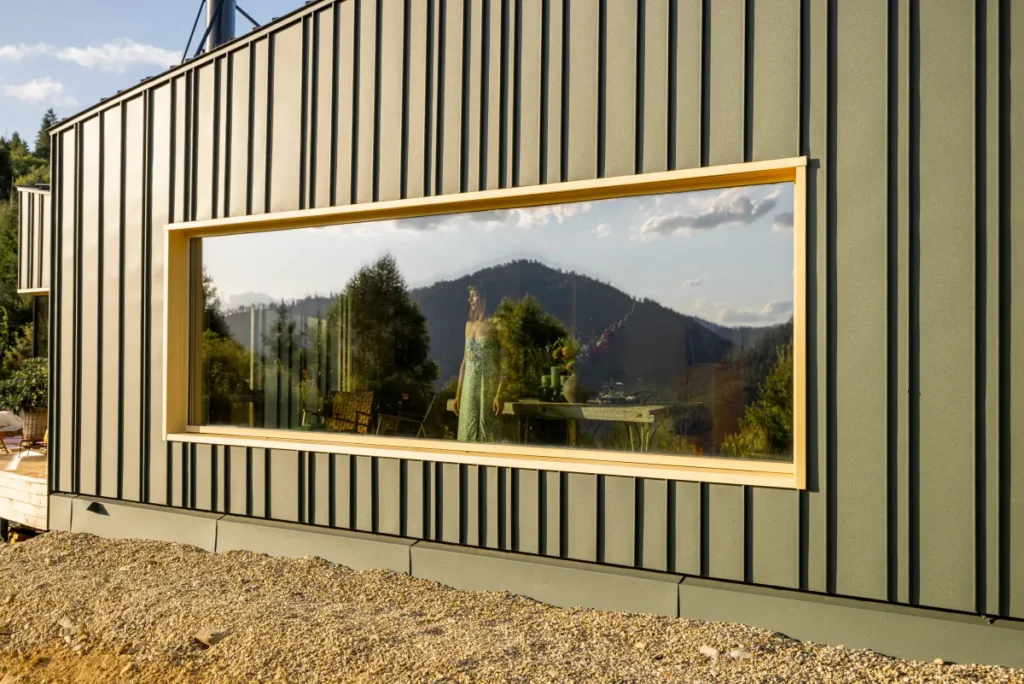
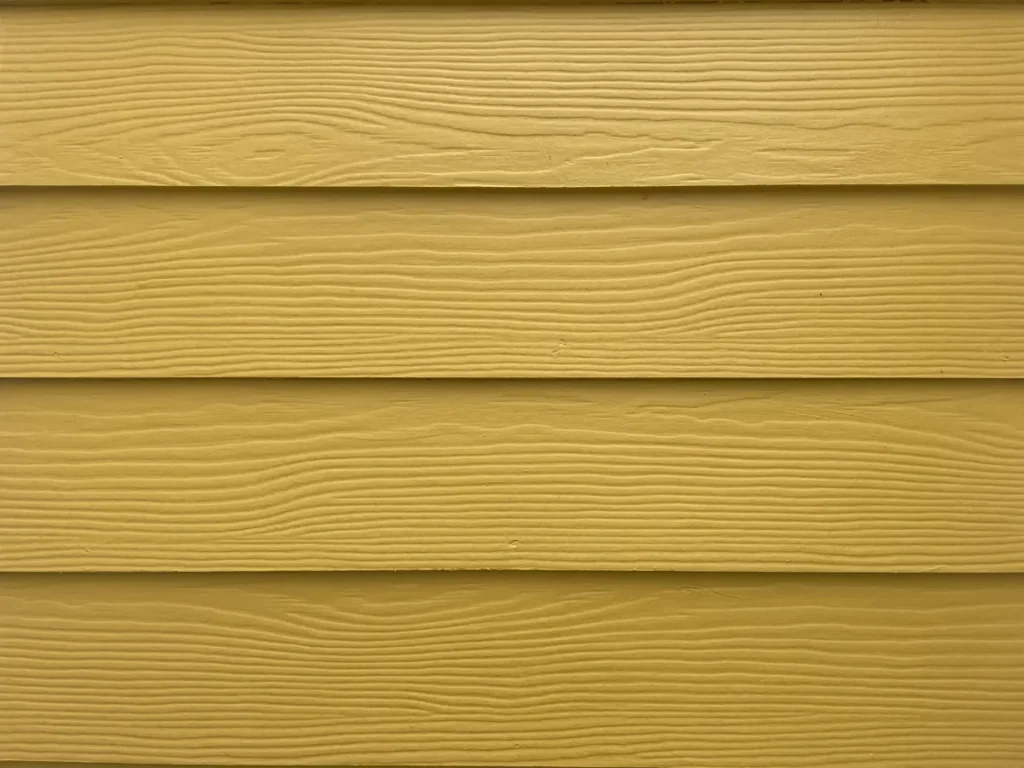
- Lap siding: choose an exposure that fits the home’s scale, and keep lines level across openings.
- Board-and-batten: plan batten spacing so corners and openings don’t end up with awkward slivers.
- Panels: align seams with framing and design the joint pattern so it looks intentional.
- Trim package: decide early on corner boards, window surrounds, and transitions; these details affect labor and material takeoffs.
Side Yards, Fences, And Small Lots
Many properties have narrow side yards or hard-to-reach elevations. Overall, Access affects equipment choice and how crews protect landscaping while keeping paths usable.
- Agree on clear walk zones and where ladders or scaffolding can go.
- Identify gates, AC units, and hose bibs that may need temporary clearance.
- Plan material delivery so it doesn’t block garage access for days.
Jobsite Organization (Staging And Storage)
A tidy site protects your property and keeps the schedule moving. Also, Before work starts, decide where materials, off-cuts, and debris will go.
- Designate a staging area for pallets, trim, and fasteners.
- Use protective coverings where crews pass by windows and landscaping.
- Set expectations for daily cleanup and where dumpsters can be placed.

How To Choose The Right Contractor For Types House Siding
If you’re researching types house siding online, focus on the installer’s water-management details—not just the product name. Additionally, Ask how the crew handles flashing at windows and doors, and what happens if they find damage after tear-off.
Questions Worth Asking Before You Sign
- Which siding types do you install most often (vinyl, fiber cement, engineered wood, wood, metal, stucco repair)?
- How do you handle housewrap, flashing, and kick-out flashing where roofs meet walls?
- Who pulls permits when they apply, and who schedules inspections?
- What does the written estimate include for wall repairs if rot is discovered?
- How will you protect plants, patios, and walkways during demolition and installation?
- How do you communicate schedule changes and daily access needs?
What To Look For In A Proposal
A solid proposal calls out the siding profile, trim scope, moisture details, and how corners, transitions, and penetrations (vents, hose bibs, lights) are treated. It should also spell out cleanup standards and a final walkthrough.
Planning To Completion
Here’s a realistic roadmap for a siding replacement or major re-clad. In addition, The exact order can shift, yet these checkpoints help you compare contractors and keep the project under control.
- Site walk and measurements: confirm elevations, access, and any areas that feel soft or show staining.
- Design selections: choose material, profile, color/finish, and the trim package (corners, window/door surrounds, soffit/fascia tie-ins).
- Scope confirmation: document what gets removed, how underlying damage is handled, and what stays in place.
- Permits (when required): submit plans or specs if the jurisdiction asks for them; schedule inspections as needed.
- Material ordering and scheduling: lock delivery dates and confirm where pallets and dumpsters will sit.
- Site protection: cover plants and hardscape, protect windows, and set safe walk paths.
- Tear-off and wall prep: remove old cladding, inspect sheathing, and complete repairs before new layers go on.
- Water-management layers: install or repair barriers and flashings at openings and transitions.
- Installation: hang siding, set trim, and detail penetrations for a tight finish.
- Finish and closeout: caulk/paint where applicable, remove debris, and complete a punch list walkthrough.
Homeowner Prep That Saves Time
- Move outdoor furniture and grills away from work zones.
- Remove wall décor and fragile items from interior walls that may vibrate during tear-off.
- Plan parking and garage access if materials will stage in the driveway.
- Keep pets and kids away from ladders, tools, and debris areas.
Maintenance Tips After Installation
Each siding type has a different maintenance rhythm. Meanwhile, Routine care helps finishes last and makes small issues easier to catch early.
- Vinyl: rinse dust and mildew with gentle soap; avoid high pressure at seams.
- Fiber cement: keep paint and caulk joints in good shape; touch up chips before water gets behind the finish.
- Wood: maintain stain or paint on schedule, especially on sunny elevations.
- Stucco: seal small cracks early and keep drainage details clear.
- Metal: wash off grime and check fasteners around penetrations after storms.
Budget & Timeline (Typical)
Siding costs and timelines vary widely, even for similar-looking homes. Meanwhile, Size, wall condition, trim complexity, and the number of openings drive labor more than most homeowners expect.
Budget Ranges And Timeline (Typical)
- Budget: expect a wide spread; material choice, trim detail, and wall repairs usually move the number the most.
- Permitting: when a permit applies, plan for additional lead time before installation starts.
- Installation: many projects run from several days to a couple of weeks once materials are on site.
- Closeout: plan a final punch list day for touch-ups and detailing.
Resale And ROI Priorities
New siding can improve curb appeal and buyer confidence because it signals the exterior has been maintained. Meanwhile, ROI still depends on the neighborhood and the rest of the home, so prioritize choices that stay attractive and durable over time.
- Choose proven materials and neutral colors that age well.
- Fix moisture issues and damaged wood instead of covering them.
- Keep documentation for permits, products, and coverage details for future buyers.

How We Help In Sacramento
US Construction & Remodeling Corp. For this reason, helps Sacramento homeowners sort through types house siding options, plan exterior details, and complete installation with clear communication from measurement to final walkthrough.
Call +1 (916) 234-6696 for a quick consult, or request a free estimate online when you’re ready.
Sacramento-Specific Permitting Notes (General)
Depending on scope, a siding project may need a permit—especially if structural repairs, window changes, or significant exterior alterations are involved. In addition, In Sacramento, permitting and plan review are commonly handled through the City of Sacramento Community Development portal (Accela Citizen Access), with online submission and status tracking.
If your address is outside city limits, requirements can differ. In addition, We’ll help you confirm the right path with the local building department before work starts.
Trust Signals You Can Verify
- Licensed and insured (general): ask for documentation and confirm it independently before work begins.
- Permit responsibility: clarify who files, who pays fees, and who schedules inspections when applicable.
- Installation standards: confirm the crew follows manufacturer instructions for the siding system you choose.
- Workmanship checks: review flashing at openings, straightness of courses, and clean trim lines during the walkthrough.
- Communication: set expectations for daily updates, access needs, and how changes get approved in writing.
Business Contact
US Construction & Remodeling Corp.
Phone: +1 (916) 234-6696
Service: House siding installation and replacement
Helpful Links
Frequently Asked Questions
Vinyl, fiber cement, and metal siding are common low-upkeep choices because they don’t require frequent refinishing. Even with these materials, plan on basic cleaning and periodic inspection around seams, penetrations, and trim.
For many homeowners comparing types house siding, this is the main decision.
- Choose vinyl if you want a lighter system and simpler upkeep, and you’re comfortable with the look of vinyl trim details.
- Choose fiber cement if you want a more rigid cladding with a painted finish and you’re willing to maintain caulk/paint joints over time.
- Either way, insist on solid water-management details (housewrap and flashing) and clean transitions at windows and rooflines.
Permit needs vary by city and county, and they also depend on what you change. Simple like-for-like replacement may not trigger the same requirements as structural repairs, window/door changes, or major exterior alterations. The safe approach is to confirm with the local building department early so the schedule doesn’t get delayed.
The big drivers are labor and wall condition.
- Home size and wall height (access and scaffolding needs)
- Trim complexity (corners, window/door surrounds, soffit tie-ins)
- Repairs after tear-off (sheathing, framing, moisture damage)
- Number of openings and penetrations to detail
- Finish requirements (paint, caulk, coatings)
Once materials are on site, many projects take several days to a couple of weeks. Wall repairs, weather, inspection timing (when applicable), and complex trim details can extend the schedule.
Look for a bid that’s specific enough to compare apples-to-apples.
- Exact material and profile (lap, board-and-batten, panel) and the trim package
- Prep plan (tear-off, wall repairs, moisture-management layers)
- How openings and transitions are flashed and sealed
- Cleanup expectations and closeout walkthrough
- How permits are handled when required
- Proof you can verify: license status and insurance documentation
If you want help reviewing a quote, call +1 (916) 234-6696.
Licensed, insured & trusted local contractor
US Construction & Remodeling Corp.
9821 Business Park Dr, Sacramento, CA, 95827
Phone: +1 (916) 234-6696
CSLB License #: 1117562 Fully licensed and insured.
Frequently Asked Questions
Vinyl, fiber cement, and metal siding are common low-upkeep choices because they don’t require frequent refinishing. Even with these materials, plan on basic cleaning and periodic inspection around seams, penetrations, and trim.
For many homeowners comparing types house siding, this is the main decision.
- Choose vinyl if you want a lighter system and simpler upkeep, and you’re comfortable with the look of vinyl trim details.
- Choose fiber cement if you want a more rigid cladding with a painted finish and you’re willing to maintain caulk/paint joints over time.
- Either way, insist on solid water-management details (housewrap and flashing) and clean transitions at windows and rooflines.
Permit needs vary by city and county, and they also depend on what you change. Simple like-for-like replacement may not trigger the same requirements as structural repairs, window/door changes, or major exterior alterations. The safe approach is to confirm with the local building department early so the schedule doesn’t get delayed.
The big drivers are labor and wall condition.
- Home size and wall height (access and scaffolding needs)
- Trim complexity (corners, window/door surrounds, soffit tie-ins)
- Repairs after tear-off (sheathing, framing, moisture damage)
- Number of openings and penetrations to detail
- Finish requirements (paint, caulk, coatings)
Once materials are on site, many projects take several days to a couple of weeks. Wall repairs, weather, inspection timing (when applicable), and complex trim details can extend the schedule.
Look for a bid that’s specific enough to compare apples-to-apples.
- Exact material and profile (lap, board-and-batten, panel) and the trim package
- Prep plan (tear-off, wall repairs, moisture-management layers)
- How openings and transitions are flashed and sealed
- Cleanup expectations and closeout walkthrough
- How permits are handled when required
- Proof you can verify: license status and insurance documentation
If you want help reviewing a quote, call +1 (916) 234-6696.