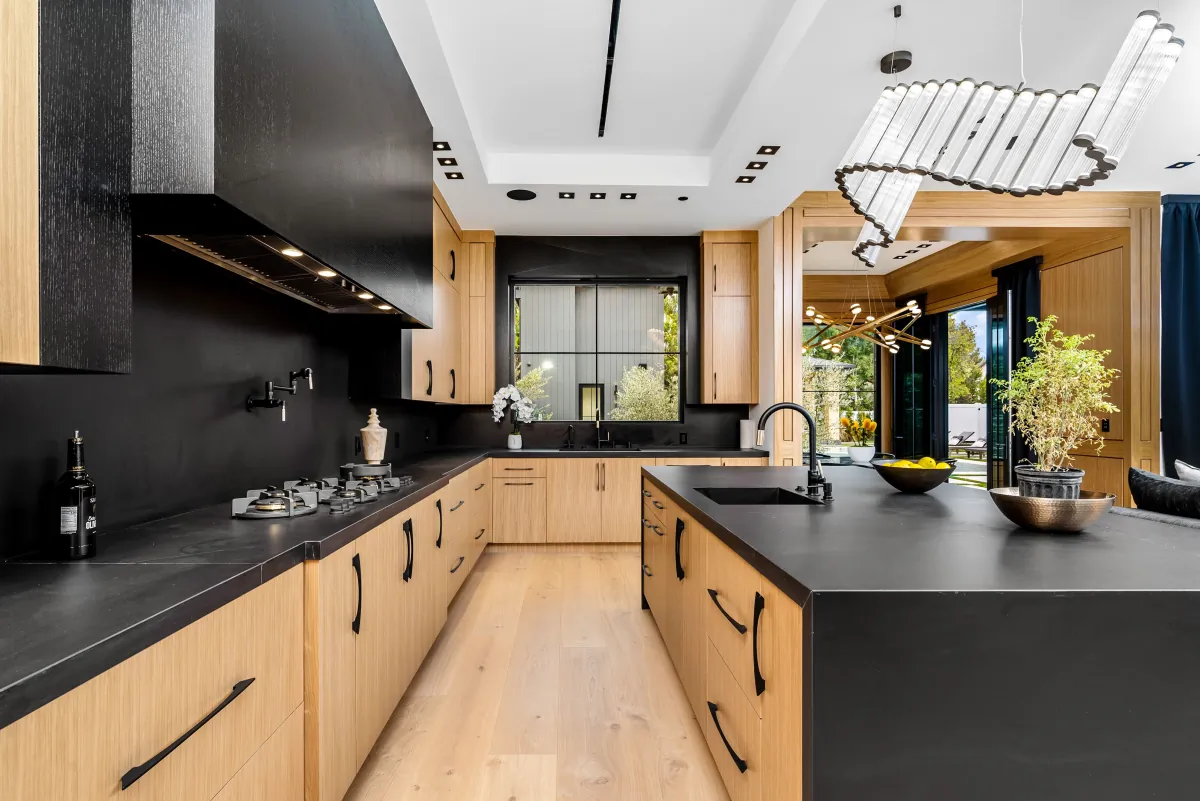
Fair Oaks Kitchen Remodel Permits: A Homeowner Checklist
Planning a kitchen remodel is exciting, but kitchen remodeling permit requirements can decide your timeline in Fair Oaks. A missed permit can stall inspections right when you want cabinets installed.
Quick checklist:
- Define the scope and your must-have outcome (performance, budget, timeline).
- Confirm what work is involved and the order of operations.
- Finalize measurements and key selections before ordering long-lead materials.
- Collect 2–3 quotes and compare line-by-line (scope, allowances, cleanup, warranty).
- Create a simple schedule and pre-order the items that most often cause delays.
This guide gives you a homeowner-friendly roadmap for planning, permits, and timing. If you want a timeline-first plan for your specific scope, book a planning call or call +1 (916) 234-6696.
TL;DR: Permit needs depend on scope—plumbing, electrical, gas, ventilation, and structural changes usually matter. Lock your selections early, confirm who pulls permits, and schedule inspections before you hit demo. That approach keeps work moving and reduces last-minute rework.
- Write the scope: list layout, wall, plumbing, electrical, gas, and vent changes
- Confirm jurisdiction: verify who issues permits for your exact address
- Choose appliances early: model numbers drive power, gas, and vent needs
- Finalize selections: cabinets/counters/lighting affect drawings and rough-ins
- Plan inspections: rough trade checks before drywall, then final sign-off
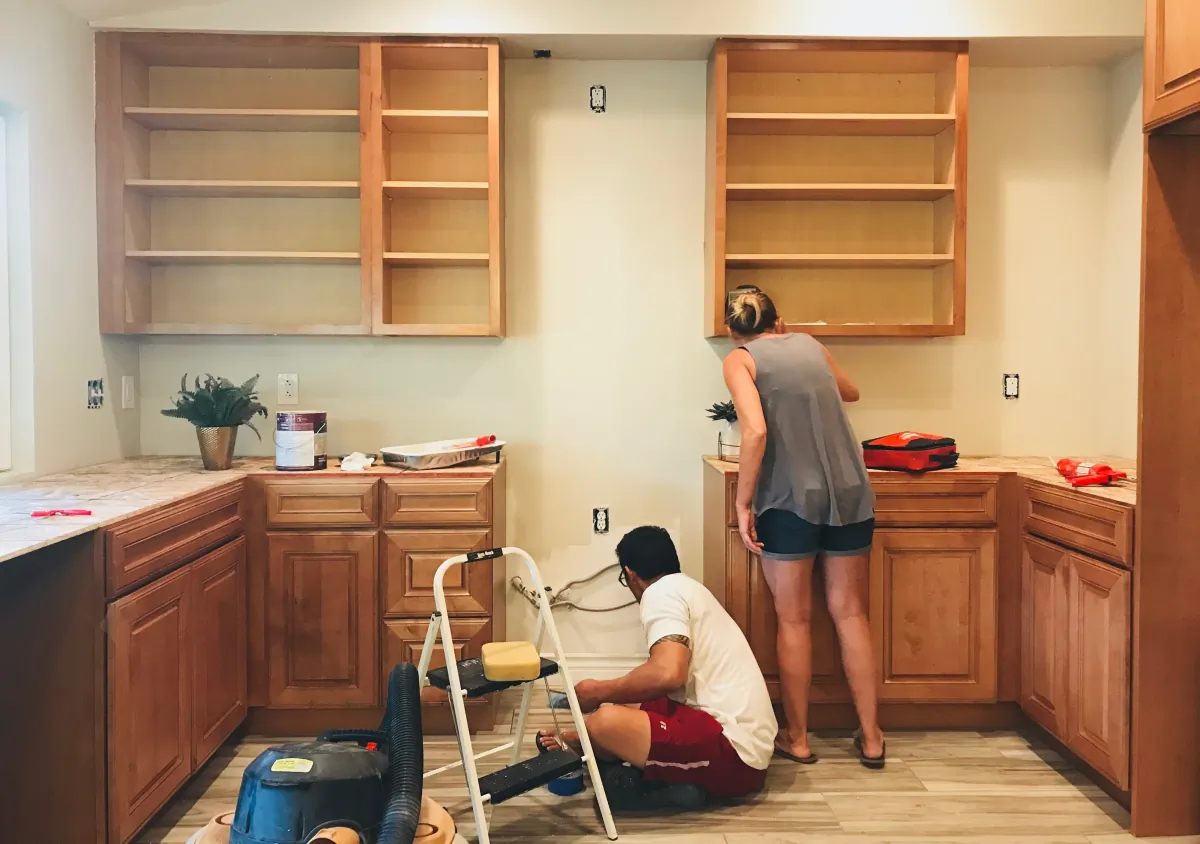
- Set a temporary kitchen: keep daily life workable during construction
Step-By-Step Plan For Kitchen Remodeling Permit Requirements
| Decision | Why it matters | Quick check |
|---|---|---|
| Scope | Defines what is included and prevents surprises. | Write a line-item scope and allowances list. |
| Site constraints | Access and hidden conditions can change the plan. | Check access and existing surfaces before work starts. |
| Selections | Long-lead items can drive the schedule. | Confirm availability before starting. |
| Permits | Some scopes require approvals and inspections. | Ask your city/county what applies to your project. |
When homeowners look up permits, the real concern is also usually time: “Will this hold up my remodel?” The fastest projects start with a clear scope, a complete plan set, and a permit path established before demo.
Use This Step-By-Step Plan To Keep Decisions And Approvals Aligned:
- Define the scope in writing. Overall, Note layout changes, wall removals, window/door changes, and whether plumbing or gas will move.
- Confirm jurisdiction for your address. Also, Fair Oaks is largely unincorporated, so Sacramento County often handles permits and inspections for many homes.
- Map the “trade” work early. In addition, Electrical, plumbing, and ventilation work can each drive approvals and inspections.
- Choose big-ticket items before drawings are finalized. Additionally, Appliances, sink location, hood type, and lighting layout affect what reviewers see.
- Submit plans and plan around review time. For this reason, Don’t set demo as your “start date” if permits aren’t issued yet.
- Schedule inspections before walls close. For example, Rough inspections must happen before drywall and tile cover the work.
- Control changes. As a result, Any shift that touches structure, electrical, plumbing, or gas can trigger plan revisions—decide quickly and document it.
Contractor Questions That Protect The Schedule
Ask these during estimates so you know who owns permits and inspections:
- Will you pull permits, and will I receive copies of approved plans and the permit card?
- What inspections do you expect for this scope, and who schedules each one?
- What decisions do you need from me before you submit plans?
- How do you price and schedule changes after plans are submitted?
Decisions To Make Before Demo
Demo feels productive, but it’s also the easiest place to lose time if decisions are still open. Meanwhile, Use this checklist to lock essentials before anything comes off the wall.
- Layout: keep the same footprint or move appliances/sink locations?
- Appliances: model numbers, fuel type (gas/electric), and venting requirements.
- Ventilation: duct route for a hood and termination location.
- Electrical plan: outlets, dedicated circuits, under-cabinet lighting, and any capacity concerns.
- Plumbing plan: sink, dishwasher, refrigerator water line, and shutoff locations.
- Finish selections: cabinets, countertops, backsplash, flooring, paint, fixtures, plus lead times.
- Living-through plan: where you’ll cook, wash dishes, and store food during the build.
Accessibility And Safety Options (Worth Deciding Early)
If you’re planning to stay in the home long-term, small upgrades can make the kitchen easier to use without changing the overall look.
- Pull-out shelves and drawers instead of deep base cabinets.
- A dedicated seated prep spot or a comfort-height work zone where practical.
- Lever handles and easy-grip cabinet pulls for better ergonomics.
- Brighter task lighting to reduce shadows at the sink and cooktop.
- Slip-resistant flooring choices in wet zones.
Permits, Inspections, And Local Requirements For Kitchen Remodeling Permit Requirements
Permit requirements depend on what you change, not on how “big” the remodel feels. In addition, When you’re sorting out kitchen remodeling permit requirements, focus on what changes behind the walls: wiring, plumbing, gas, structure, and ventilation.
Common Permit Triggers In A Kitchen Remodel Include:
- Moving or adding plumbing lines, drains, or a new gas line
- Adding circuits, relocating outlets/switches, or installing new lighting
- Installing or relocating a vent hood and ducting
- Removing or modifying walls, beams, or headers
- Changing window or exterior door openings
Expect inspections to be scheduled around “rough-in” and final stages. In addition, While inspection names vary by scope, you’ll usually see rough electrical/plumbing/mechanical checks before drywall, then a final sign-off after fixtures and appliances are installed.
Local Note For Fair Oaks
Because Fair Oaks is largely unincorporated, many projects run through Sacramento County’s permit and inspection process. Meanwhile, Confirming jurisdiction for your address before plans go in is one of the simplest ways to avoid a wrong submission and a reset clock.
What Happens Week By Week
Every kitchen is different, but homeowners do best when they plan around milestones instead of guessing a single end date. For this reason, The outline below shows a typical sequence; your schedule will shift based on plan review, material lead times, and inspection availability.
| Decision | Why it affects timeline | Best time to lock it |
|---|---|---|
| Appliances + hood | Electrical, gas, and ventilation details drive plans and rough-ins | Before permit submittal |
| Cabinet design | Layout affects electrical/plumbing locations; lead times can be significant | Before demo, ideally earlier |
| Countertop material | Templating happens after cabinets; edge/sink choices affect fabrication | Before cabinets arrive |
| Lighting plan | New circuits and fixture locations affect inspections and drywall timing | Before rough electrical |
- Week 0–1: finalize scope, selections, and a plan set that matches appliances and layout.
- Week 2–4: permit submittal and plan review (timing varies by jurisdiction and complexity).
- Week 5–6: order long-lead items and schedule demo for after permits are issued.
- Week 7–8: demo, framing changes (if any), and rough plumbing/electrical/ventilation work.
- Week 9: rough inspections; address corrections quickly so walls can close.
- Week 10–12: drywall, cabinets, then countertop templating and install.
- Week 13–14: backsplash, flooring touch-ups, trim, fixtures, appliances, and final inspection.
If your goal is a firm move-back-in date, start by choosing materials with known lead times and keeping layout changes realistic. Also, That combination reduces the chance of permit revisions and re-inspections.

Common Pitfalls And How To Avoid Them
Most permit and schedule problems come from avoidable planning gaps. As a result, These are the issues homeowners run into most often.
- Starting demo before approvals: wait until permits are issued and your inspection path is clear.
- Changing appliance specs midstream: lock model numbers early so plans match real requirements.
- Underestimating electrical scope: kitchens often need additional dedicated circuits; plan for it before walls open.
- Skipping a ventilation plan: a hood needs a real duct route, not just a product choice.
- Ordering cabinets late: lead times can push the whole job; confirm dates before setting demo.
- No “temporary kitchen” setup: plan where daily life happens so the remodel stays workable.
Maintenance Tips After The Remodel
A well-built kitchen still needs simple upkeep. In addition, Put these habits on your calendar and you’ll protect finishes without overthinking it.
- Wipe spills quickly and use manufacturer-approved cleaners for your countertop material.
- Keep grout and caulk clean and dry; re-caulk small gaps before water gets behind surfaces.
- Clean hood filters regularly so ventilation stays effective.
- Adjust cabinet hinges as needed during the first months; small settling is normal.
Talk Through Timeline Before You Commit
US Construction & Remodeling Corp. Additionally, helps Fair Oaks homeowners plan kitchens with a realistic schedule tied to permits and inspections. Overall, For a timeline-first planning call, book at https://usconstructioncali.com/free-estimate/ or call +1 (916) 234-6696.
Helpful Links
Frequently Asked Questions
Maybe. A simple refresh (paint, cabinets, countertops) may not require a building permit. Once you move or add plumbing, electrical, gas, ventilation ducting, or modify walls/openings, permits and inspections commonly apply.
If you’re unsure, list every “behind-the-walls” change and confirm the jurisdiction for your address before demo. That’s the quickest way to avoid rework and schedule surprises.
Kitchen permits usually follow the trades you touch. Common triggers include:
- New or relocated circuits, outlets, switches, or lighting
- Relocating the sink, dishwasher, or refrigerator water line
- Any new or relocated gas piping
- New or changed vent hood ducting
- Removing or modifying walls, beams, or headers
Ask your contractor to tie each trigger to the drawing set so reviewers and inspectors see the same plan.
Plan review and permit issuance timelines vary with scope and reviewer workload. For many residential kitchens, it can take anywhere from days to weeks once a complete submittal is in.
To protect your calendar, treat “permit issued” as the real green light for demolition. In parallel, finalize selections and confirm lead times so materials arrive when inspections allow the job to move forward.
Most kitchen projects that involve trade work include rough inspections before walls close, followed by a final inspection after fixtures and appliances are installed.
A good schedule builds inspection windows into the plan. Confirm who schedules each inspection, how quickly corrections are handled, and what needs to be available on-site (approved plans, access to panels/shutoffs, and clear work areas).
In many projects, the contractor pulls the permits and schedules inspections because they control the work sequence and can respond to corrections quickly. That said, some homeowners prefer to be directly involved.
Whichever route you choose, get clarity in writing on who is listed on the permit, who pays fees, who posts the permit card, and who closes out finals.
Order timing matters because long-lead items can become the real schedule driver. Lock appliance model numbers and cabinet layout early so plans match what you’ll install.
Cabinets and specialty fixtures may take several weeks (or longer) to arrive, while countertops typically follow cabinet install due to templating. Ask your contractor for a procurement calendar that lines up deliveries with rough and final inspections.
Permit and plan review fees depend on scope, valuation, and jurisdiction, so avoid guessing. Ask for a line-item estimate that separates permit fees, plan preparation, and any potential revision resubmittals.
Budget a contingency for scope changes after submittal, since changes to electrical/plumbing/gas/structure may require plan updates and extra inspections. If you want to pressure-test your plan and timeline, book a call at https://usconstructioncali.com/free-estimate/ or call +1 (916) 234-6696.
Licensed, insured & trusted local contractor
US Construction & Remodeling Corp.
9821 Business Park Dr, Sacramento, CA, 95827
Phone: +1 (916) 234-6696
CSLB License #: 1117562 Fully licensed and insured.
Explore the full service overview
If you want the big-picture process, pricing factors, and what to expect, start here: Kitchen Remodeling.