
Skip links

Kitchen Remodel Permits in San Mateo: Checklist, Timeline & FAQs

Planning a kitchen remodel in San Mateo? Getting clear on kitchen remodeling permit requirements early helps you avoid stop-work orders, redo costs, and schedule surprises.

Quick checklist:

  • Define the scope and your must-have outcome (performance, budget, timeline).
  • Confirm what work is involved and the order of operations.
  • Finalize measurements and key selections before ordering long-lead materials.
  • Collect 2–3 quotes and compare line-by-line (scope, allowances, cleanup, warranty).
  • Create a simple schedule and pre-order the items that most often cause delays.

TL;DR: If you keep the layout and avoid changes to plumbing, gas, and electrical, you may only need minor approvals—or none. Once you move walls, relocate a sink, add circuits, or touch gas, permits and inspections usually come into play. Lock the scope, build a complete plan set, and submit once to reduce back-and-forth.

  • Confirm what is changing (layout, walls, plumbing, electrical, gas)
  • Pick appliances early (sizes, fuel type, venting needs)
  • Set cabinet layout and storage plan before ordering
  • Decide lighting, outlets, and dedicated circuits
  • Choose countertop/backsplash materials and lead times
  • Prepare photos, rough dimensions, and goals for a written estimate

Want a written estimate you can compare line-by-line? Call +1 (916) 234-6696 or request a free estimate.

Step-By-Step Plan For Kitchen Remodeling Permit Requirements

DecisionWhy it mattersQuick check
ScopeDefines what is included and prevents surprises.Write a line-item scope and allowances list.
Site constraintsAccess and hidden conditions can change the plan.Check access and existing surfaces before work starts.
SelectionsLong-lead items can drive the schedule.Confirm availability before starting.
PermitsSome scopes require approvals and inspections.Ask your city/county what applies to your project.

A kitchen remodel can look simple on paper, yet small scope changes often trigger permits and inspections. For example, A clear plan protects your budget because your contractor can price the real scope instead of guessing.

Who This Guide Fits

This is also for San Mateo homeowners who want a clean, code-compliant kitchen remodel—whether you plan to hire a contractor, coordinate trades yourself, or do part of the work DIY.

A Permit-Smart Planning Sequence

  1. Define the scope in plain language (what stays, what moves, what gets added).
  2. Sketch the layout and note any wall changes, window/door changes, or structural work.
  3. List plumbing, electrical, and gas changes (new circuits, relocated sink, new range, new hood duct).
  4. Choose appliances early so clearances, power, and venting match the plan.
  5. Build a selections list (cabinets, counters, backsplash, flooring) so bids compare apples-to-apples.
  6. Request a written estimate that states what is included, exclusions, and allowances.
  7. Submit the right permits and schedule inspections before demo starts.

If you want us to price your project, sharing photos, rough dimensions, and your must-have changes lets us write a tighter estimate and flag permit-sensitive items early.

Decisions To Make Before Demo

Demo feels productive, but it is the point of no return for dust, downtime, and change orders. For this reason, Lock these decisions first so the build stays steady.

  • Layout: keep the sink/range/dishwasher where they are or relocate them
  • Cabinets: stock vs semi-custom vs custom, door style, and hardware
  • Countertops: material, thickness, edge profile, and sink cutout style
  • Ventilation: hood type, duct route, and termination location
  • Electrical: lighting plan, outlet locations, dedicated circuits, and under-cabinet lighting
  • Plumbing fixtures: faucet, sink, disposal, and shutoff access plan
  • Site logistics: protection, trash route, and a temporary kitchen setup

Accessibility And Safety Options

If you are planning to stay in the home long-term, small choices can make the kitchen easier to use without changing the look.

  • Wider clearances at key work zones and walkways
  • Pull-out shelves, drawer bases, and pull-down shelving
  • Comfort-height or varied-height prep surfaces (where layout allows)
  • Slip-resistant flooring and brighter task lighting
  • Easy-grip hardware, lever handles, and touchless faucet options

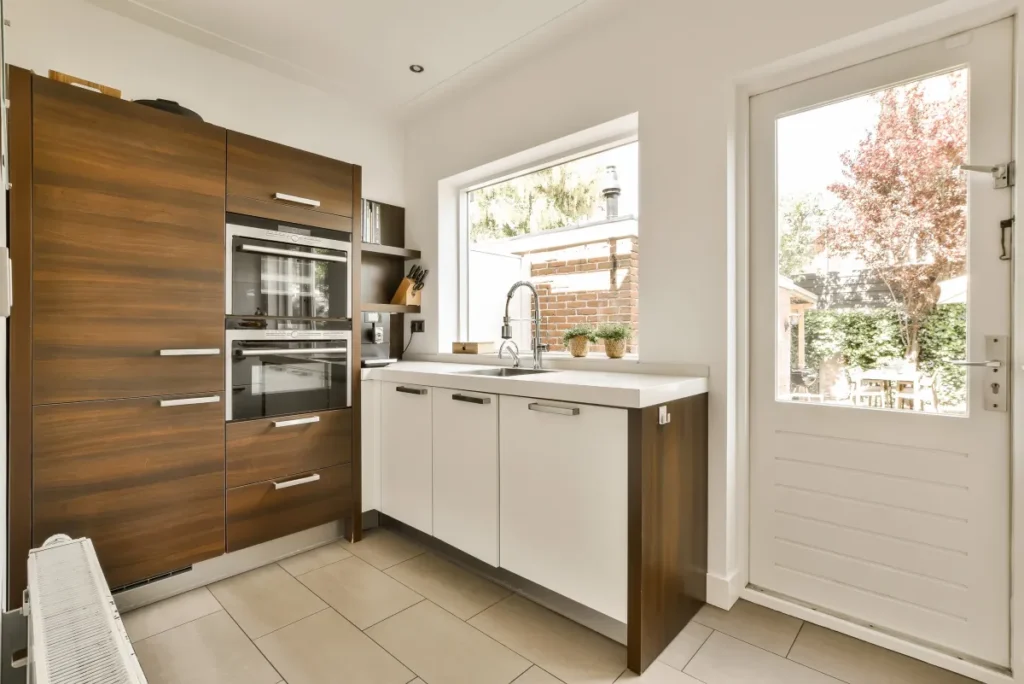
kitchen flooring modern kitchen interior with stylish white furnitu

Permits, Inspections, And Local Requirements For Kitchen Remodeling Permit Requirements

Permit needs depend on scope and the exact address, so treat this as a planning guide—not a substitute for the City of San Mateo’s review. In addition, This section translates kitchen remodeling permit requirements for a San Mateo project into a simple scope checklist.

Common Permit Triggers In A Kitchen Remodel

  • Moving or removing walls, beams, or other structural elements
  • Relocating plumbing lines (sink, dishwasher, refrigerator water line)
  • Adding or moving electrical circuits, panels, or recessed lighting
  • Changing gas piping or moving a gas range
  • Altering exterior openings (new window/door sizes)
  • Installing new mechanical ventilation that requires duct changes

Typical Inspections You May Encounter

  • Rough-in inspections (framing, plumbing, electrical) before insulation and drywall
  • Drywall/fastener inspection (when required by scope)
  • Final inspections for the affected trades (building, electrical, plumbing, mechanical)

San Mateo Permit Note

San Mateo typically supports online permitting through its Online Permit Center (Customer Self-Service) for applications, payments, and case tracking. As a result, A complete, consistent plan set usually reduces correction cycles.

Key Decisions That Drive Cost And Timeline

DecisionWhy it mattersOften affects
Keep vs move plumbingDrain/vent changes can expand scope quicklyPermits, rough plumbing, schedule
Gas vs electric rangeFuel choice changes rough-in needs and inspectionsPermit scope, appliance lead time
Vent hood duct routeDucting through ceilings/walls adds labor and coordinationDesign, framing, inspection sequencing
Cabinet lead timesDelays can pause install and countertop templatingOverall timeline, storage plan
Electrical capacityNew circuits may require panel evaluationBudget, inspection steps

What Happens Week By Week

Every home and scope is different, but a predictable sequence helps you plan meals, parking, and time off work. Meanwhile, Use this as a typical example and adjust once your permit and materials schedule is confirmed.

Typical Sequence (Example)

  1. Week 1: On-site check, scope confirmation, and a written estimate with allowances.
  2. Week 2–3: Design and selections locked (appliances, cabinets, counters, lighting plan).
  3. Week 3–6: Permit submittal, plan review, and corrections (duration varies by scope and workload).
  4. Week 1–6 (parallel): Order long-lead items (cabinets, custom doors, specialty appliances).
  5. Build Week 1: Protection setup, demo, and rough framing/plumbing/electrical starts.
  6. Build Week 2: Rough inspections, then insulation/drywall prep as approved.
  7. Build Week 3–4: Cabinets installed; countertop template scheduled after cabinets are set.
  8. Build Week 5: Countertops installed; backsplash, flooring touch-ups, and trim.
  9. Build Week 6: Appliances, fixtures, punch list, and final inspections.

If you are trying to hit a specific date, plan around permitting and cabinet lead times first—those are usually the critical path.

kitchen flooring modern kitchen interior security cctv camera view

Common Pitfalls And How To Avoid Them

Most kitchen remodel delays come from a few preventable issues: unclear scope, late selections, and work that starts before approvals are in place. Overall, Fixing these early is cheaper than fixing them mid-build.

Mistakes We See Homeowners Make

  • Starting demo before confirming what work requires permits and inspections
  • Ordering cabinets before the final layout and appliance specs are locked
  • Underestimating electrical needs for modern appliances and task lighting
  • Skipping a real ventilation plan (hood size, duct route, termination location)
  • Accepting bids that rely on vague allowances instead of clear specs
  • Changing materials midstream without resetting the schedule and budget

Practical Ways To Stay On Track

  • Write a one-page scope summary and keep it aligned with the plan set
  • Make all “behind-the-wall” decisions before you touch drywall
  • Order long-lead materials early, then confirm delivery dates in writing
  • Schedule inspections as soon as rough work is ready—avoid stacking trades on the same day
  • Keep a short change log so pricing and timing stay transparent

US Construction & Remodeling Corp. Additionally, helps San Mateo homeowners plan kitchen remodels that line up selections, permitting, and trade coordination. Overall, The fastest way to start is a written estimate with a clear scope and allowance list.

To request an estimate, prepare: a few photos of the kitchen, your address, rough dimensions, the changes you want (layout/plumbing/electrical/gas), and any appliance model numbers you already picked. Also, Call +1 (916) 234-6696 or book online at https://usconstructioncali.com/free-estimate/.

Helpful Links

Frequently Asked Questions

It depends on what you change. Cosmetic updates (paint, cabinets in the same layout, counters, and similar finishes) may not require a building permit, while “behind-the-wall” changes often do.

  • Plan for permits when you move walls, relocate plumbing, add or move circuits, change gas piping, or modify exterior openings.
  • Ask questions early if you live in a condo or have an HOA—separate approvals can add time.
  • Confirm the details through the City of San Mateo’s Online Permit Center (Customer Self-Service) or the Building Division, because requirements can vary by scope and property.

If you want help sorting kitchen remodeling permit requirements for your scope, share your plan and a few photos and we’ll flag the typical permit triggers before you order materials.

Timing varies based on scope, the completeness of the submittal, and the City’s workload. Minor trade permits can move faster, while projects that change walls, plumbing, or electrical often take longer due to plan review and corrections.

  • Simple, like-for-like upgrades: sometimes days to a couple of weeks
  • Layout changes or structural work: often several weeks, especially if revisions are necessary

The best way to reduce delays is to submit a complete plan set (dimensions, notes, and equipment specs) and keep the scope consistent during review.

When permits apply, inspections usually happen at key milestones so work is covered safely and matches the approved plans.

  • Rough-in: framing, plumbing, and electrical before insulation and drywall
  • Drywall/close-up: when required for the scope
  • Final: sign-off for the affected trades after fixtures, appliances, and finishes are installed

Build schedules go smoother when trades finish rough work early in the day and you book inspections as soon as the work is ready.

Starting demo early can create risk. If your scope requires permits, the safest approach is to wait until you have approvals and a clear inspection plan—especially if walls, plumbing, electrical, or gas are involved.

If you want to do limited prep work, keep it truly cosmetic (for example, clearing cabinets or removing loose appliances) and confirm what is allowed for your project. When in doubt, ask the City before you open walls.

Materials drive both cost and the critical path. Many kitchen remodels stall while waiting on cabinets, specialty hardware, or countertop fabrication.

  • Cabinets: stock options often arrive faster than semi-custom or custom, and changes after ordering can be costly.
  • Countertops: stone and quartz usually require templating after cabinet install, then fabrication time.
  • Appliances: model selection affects electrical, gas, and ventilation requirements, which can change permit scope.

To keep pricing clear, choose a finish level up front or use documented allowances that match what you actually want to buy.

A strong estimate starts with clear inputs. Having this information ready helps you get a quote that is specific, comparable, and less likely to change later.

  • Project address in San Mateo and any HOA/condo rules that apply
  • Photos of each wall plus a quick sketch with rough dimensions
  • What is changing (layout, walls, plumbing, electrical, gas)
  • Appliance list (or model numbers if chosen)
  • Preferred materials or a realistic allowance range for cabinets/counters
  • Your target start window and any “must-have” deadlines

Send that info and request a written estimate here: https://usconstructioncali.com/free-estimate/ or call +1 (916) 234-6696.

Accessibility improvements can be subtle and still feel modern. The best options depend on how you cook, who uses the kitchen, and how long you plan to stay in the home.

  • More open clearance at the sink, range, or island where possible
  • Drawer bases and pull-out shelves to reduce bending and reaching
  • Better lighting at countertops and inside cabinets
  • Slip-resistant flooring and fewer trip hazards at thresholds
  • Easy-grip hardware, lever handles, and touchless faucet options

If accessibility is a priority, bring it up before design is finalized so cabinet layout and electrical placement support it.

Licensed, insured & trusted local contractor

US Construction & Remodeling Corp.
9821 Business Park Dr, Sacramento, CA, 95827
Phone: +1 (916) 234-6696

CSLB License #: 1117562 Fully licensed and insured.

View our Google Business Profile

Explore the full service overview

If you want the big-picture process, pricing factors, and what to expect, start here: Kitchen Remodeling.

This website uses cookies to improve your web experience.
Explore
Drag