
Skip links

Kitchen Remodeling Permit Requirements in Roseville: Checklist & Timeline

Planning a kitchen update in Roseville can stall fast when you’re unsure about kitchen remodeling permit requirements. This guide walks you through hiring, bid comparisons, contract basics, timeline planning, and final quality checks that protect your budget.

TL;DR: Planning a kitchen update in Roseville can stall fast when you’re unsure about kitchen remodeling permit requirements. This guide walks you through hiring, bid comparisons, contract basics, timeline planning, and final quality checks that protect your…

Quick checklist:

  • Define the scope and your must-have outcome (performance, budget, timeline).
  • Confirm what work is involved and the order of operations.
  • Finalize measurements and key selections before ordering long-lead materials.
  • Collect 2–3 quotes and compare line-by-line (scope, allowances, cleanup, warranty).
  • Create a simple schedule and pre-order the items that most often cause delays.

If you want a written estimate that matches your exact scope, call US Construction & Remodeling Corp. at +1 (916) 234-6696 or use our online estimate form.

TL;DR: Permits and inspections may apply when a kitchen remodel changes plumbing, electrical, gas, walls, windows/doors, or ventilation. For example, Build your schedule around selections and city review time, and keep every change in writing. For example, A detailed estimate should spell out who pulls permits and schedules inspections.

  • Write a scope list (layout, also plumbing, electrical, gas, structural).
  • Ask who files permits and who schedules each inspection.
  • Request a line-item written estimate, not a lump sum.
  • Confirm what’s excluded (appliances, patching, paint, permit fees).
  • Select cabinets, counters, and appliances early to avoid delays.
  • Set clear change-order and payment rules in the contract.

How To Hire For Kitchen Remodeling Permit Requirements In Roseville (Without Guesswork)

DecisionWhy it mattersQuick check
ScopeDefines what is included and prevents surprises.Write a line-item scope and allowances list.
Site constraintsAccess and hidden conditions can change the plan.Check access and existing surfaces before work starts.
SelectionsLong-lead items can drive the schedule.Confirm availability before starting.
PermitsSome scopes require approvals and inspections.Ask your city/county what applies to your project.

When kitchen remodeling permit requirements feel unclear, hire a contractor who can tie your scope to a real permit plan before work starts. Overall, You want clear answers, a written scope, and a schedule that accounts for inspections and trade coordination.

Questions To Ask Before You Sign

  • Which parts of my scope usually require permits or inspections?
  • Will you pull the permits, and will you schedule and attend inspections?
  • Which trades are included (electrical, plumbing, HVAC), and who manages them?
  • What drawings, appliance specs, and product selections do you need to submit plans?
  • How will you protect floors, isolate dust, and handle daily cleanup?

Permit & Inspection Notes For Roseville

Roseville homeowners typically work with the City of Roseville Development Services online permit center for applications, plan review tracking, payments, and inspection scheduling. Also, Requirements depend on scope, so confirm early—especially when utilities or structure change.

  • Permits commonly come up when you move a sink, dishwasher, or gas appliance location.
  • Electrical work beyond simple fixture swaps can trigger permits (new circuits, added outlets, panel changes).
  • Removing or altering walls, headers, or windows/doors usually requires approvals and inspections.
  • New range hood ducting or ventilation changes can also require review.

If the project is mostly a like-for-like swap (new cabinets and counters in the same layout), you may not need a building permit. However, even “cosmetic” remodels can cross into permitted work once plumbing, electrical, or ventilation changes are involved.

Before you hire, verify contractor status through the CSLB license check and keep permit responsibility written into the agreement.

Accessibility And Safety Upgrades

Small design choices can make the kitchen safer and easier to use over the long run, without changing the style of the room.

  • Brighter, glare-controlled task lighting at the sink and prep zones.
  • Pull-out shelves, drawer bases, and pull-down organizers to reduce bending and reaching.
  • D-handle pulls and lever-style faucets for easier grip.
  • Slip-resistant flooring and smooth transitions at doorways.
  • A simple seated prep spot (even a short section) if you want a rest option during cooking.

Bid Comparison Checklist (Apples-To-Apples)

Two bids can look similar while covering very different scopes. As a result, This checklist helps you compare work, responsibilities, and assumptions side by side.

  • Detailed scope list: demo, framing, drywall, paint, flooring, cabinets, counters, backsplash, trim.
  • Trade scope clarity: electrical, plumbing, HVAC/venting, and who pulls each permit if needed.
  • Material specs and allowances: cabinet line/grade, countertop type, fixture models, hardware, tile.
  • Site protection and cleanup: floor protection, dust control, debris hauling, daily cleanup plan.
  • Schedule assumptions: start window, working hours, long-lead items, and inspection coordination.
  • Exclusions list: appliances, patching beyond scope, unforeseen repairs, permit fees (if excluded).
  • Change-order rules: how pricing works, who approves, and how time impacts are documented.

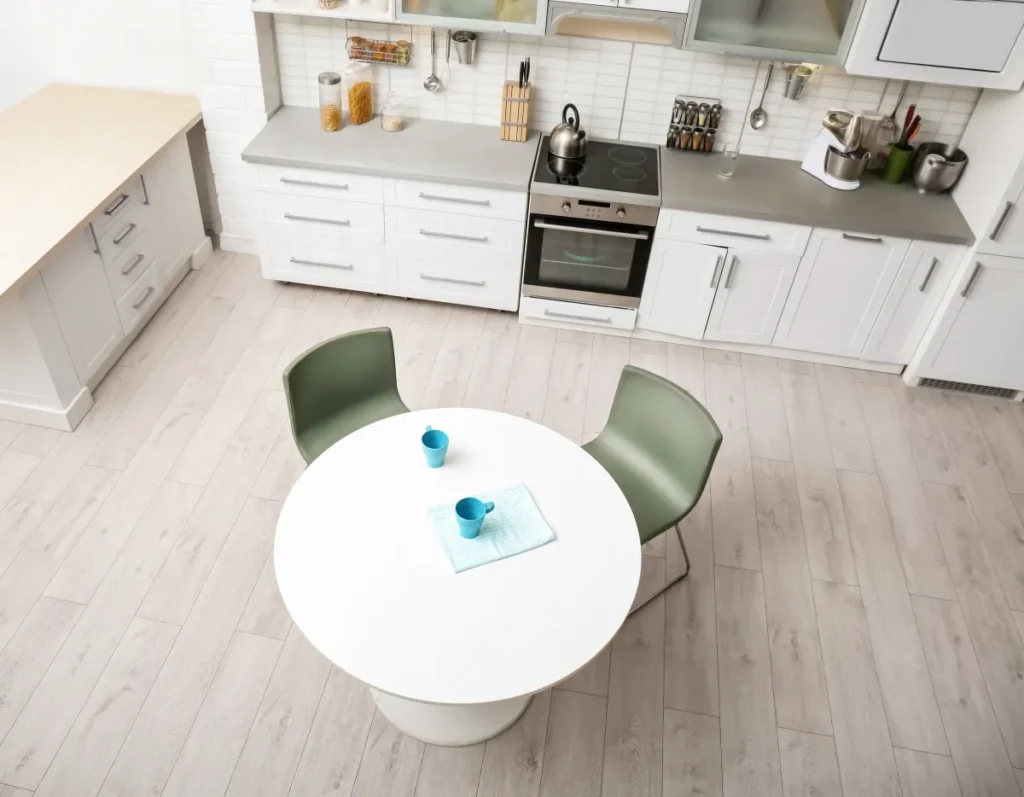
kitchen flooring family cooking together at home unusual angle of

Contract Basics (Payment Schedule, Scope)

A good contract keeps responsibilities clear. In addition, Ask the contractor to list kitchen remodeling permit requirements and inspection responsibilities as part of the scope. Meanwhile, It should define the work in plain language, list what’s included and excluded, and explain how the team handles changes if the plan shifts.

Scope And Responsibilities To Spell Out

  • Who orders and supplies materials (cabinets, countertops, fixtures, appliances) and what happens if selections change.
  • Who handles permit paperwork and inspection scheduling, if applicable.
  • Protection and cleanup expectations: dust control, debris hauling, and work-area safety.
  • Utility shutoffs and reconnects (water, gas, power), plus any required trade subcontractors.

Payment Schedule (Keep It Milestone-Based)

Use payments as checkpoints. For this reason, Tie each payment to completed work you can see, and keep a meaningful final payment until punch-list items and any required sign-offs are done.

  • Deposit: scheduling and initial prep (per contract terms).
  • Progress payments: tied to milestones like rough-ins, cabinets set, countertop install, and finish work.
  • Final payment: after final walkthrough, documentation, and any required final inspection.

Put Every Change In Writing

Change orders are normal in kitchens, especially when homeowners refine layout or materials midstream. Meanwhile, Written change orders prevent misunderstandings and keep budget decisions intentional.

  • Describe the change clearly, including materials and labor.
  • State the price and the schedule impact before work proceeds.
  • Identify who can approve changes (and how approvals happen).

Timeline Planning And Change Orders

Kitchen remodel timelines stretch when decisions happen late or when trades wait on missing details. Additionally, A timeline that includes design, review time, and on-site phases keeps coordination tighter and reduces downtime.

Typical Timeline (With Ranges)

These ranges are general; your scope, selections, and review workload can move them up or down.

PhaseTypical rangeWhat drives it
Planning & design1–4 weekslayout decisions, appliance specs, material selections
Permits & plan review2–8+ weeksscope complexity, revisions, city review workload
Demo & rough-in1–2 weekshidden conditions, trade coordination, inspection timing
Drywall, paint, flooring1–2 weeksdry times, sequencing with cabinets and trim
Cabinets, counters, finish2–4 weeksfabrication lead times, fit adjustments, backsplash
Finals & closeout2–7 dayspunch list, finals, documentation

Change Orders That Stay Controlled

Change orders don’t have to derail the job. For example, The goal is to price and approve changes before they hit the field, so the crew doesn’t guess.

  • Keep a small contingency for surprises and scope upgrades.
  • Lock cabinet and countertop decisions early; those items often drive the schedule.
  • Confirm lead times before ordering specialty fixtures and appliances.
  • Use one approval point (email or signature) to avoid conflicting directions.

Common Mistakes That Create Rework

  • Starting demo before the layout, appliance specs, and lighting plan are finalized.
  • Comparing bids without aligning scope, materials, and permit responsibilities.
  • Assuming a “simple” remodel won’t involve inspections after utilities move.
  • Buying appliances before confirming rough openings, power needs, and venting.
  • Approving changes verbally, then disputing pricing or schedule later.
  • Skipping a pre-construction site walk to confirm access, protection, and staging.
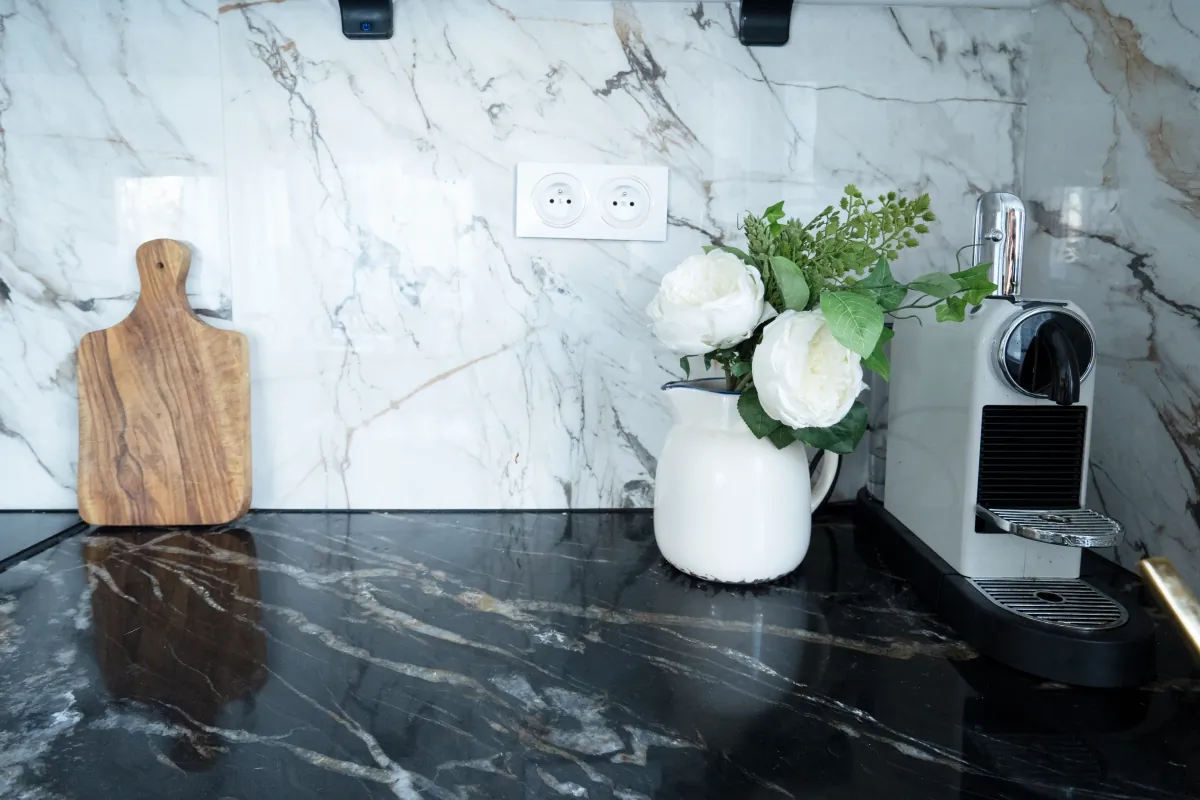
marble for counter kitchen table top

Quality Checks Before Final Payment

Save final payment until the work meets the contract and, when applicable, the final inspection has been approved. As a result, That approach protects you if a small punch-list item turns into a bigger rework.

Walkthrough Checklist

  • Cabinet doors and drawer fronts align, and hardware is tight.
  • Countertops are secure, seams look consistent, and edges are finished.
  • Sink, dishwasher, and faucet connections show no leaks after running water.
  • Outlets, GFCI/AFCI protection, and lighting controls work as intended.
  • Range hood and ventilation operate and vent correctly for your setup.
  • Backsplash, caulk lines, paint touch-ups, and flooring transitions look clean.

Closeout Items To Collect

  • Final inspection approval and any required sign-offs (if your project was permitted).
  • Manufacturer manuals and warranty information for installed products.
  • Final invoice that matches approved change orders.
  • Any lien release documents you requested as part of payment milestones.

For permitted work, plan the final inspection through the City of Roseville Development Services system and keep the permit card and approved plans accessible on-site.

Get A Written Estimate (What To Prepare)

If you’re ready to price a Roseville kitchen remodel, start with a written estimate. Additionally, Have your address, a few photos, your must-have changes, and any appliance models you’ve chosen. Overall, Call US Construction & Remodeling Corp. As a result, at +1 (916) 234-6696 or use our estimate request form.

Helpful Links

Frequently Asked Questions

No—kitchen remodeling permit requirements vary by scope. Simple cosmetic work (like cabinet and countertop replacement in the same layout) may not require a building permit, but utility or structural changes often do.

  • Layout changes that move plumbing or gas lines.
  • New or modified electrical circuits, lighting, or panel work.
  • Removing or altering walls, headers, or exterior openings.
  • New ventilation routing for a range hood.

Confirm early with the City of Roseville Development Services and make sure your contractor documents the permit plan in writing.

Many homeowners choose to have the contractor pull permits when the scope requires them. That approach usually keeps plan submittals, revisions, and inspections coordinated with the trades. Some owners apply themselves, but the permit holder typically remains responsible for compliance and corrections.

Whichever route you take, keep these points in the contract:

  • Who is listed as the permit applicant.
  • Who pays permit and plan-check fees.
  • Who schedules and attends inspections.
  • What happens if the city requests revisions or re-inspections.

Time varies by scope and the city’s review workload, so plan extra weeks rather than extra days. Even when the application is straightforward, plan review, revisions, and inspection scheduling can affect start and finish dates.

To protect your timeline:

  • Finalize layout and appliance specs before plans are submitted.
  • Order long-lead materials early (cabinets, counters, specialty fixtures).
  • Approve change orders in writing before work continues.

A solid estimate should show where your money goes, not just a single total. For a remodel that may involve inspections, ask for line items that cover trades and coordination.

  • Demo and disposal.
  • Cabinets and installation (or refacing, if applicable).
  • Countertops, templating, and installation.
  • Electrical and lighting scope (including any new circuits).
  • Plumbing scope (relocations, valves, fixture installs).
  • Vent hood/venting changes.
  • Drywall, texture, paint, and flooring transitions.
  • Permit fees and inspection coordination (if included).

If the bid uses allowances, confirm the dollar amount and how upgrades change the price.

Make the scope identical before you compare pricing. One bid can look cheaper simply because it excludes permits, trade work, or finish items you assumed were included.

Use this approach:

  • Provide every bidder the same written scope and selection list.
  • Ask each bid to state permit responsibility and whether fees are included or excluded.
  • Confirm who handles plan revisions and re-inspections if the city requests them.
  • Request a written list of exclusions and assumptions.

If anything is vague, get it revised before you sign.

Accessibility upgrades don’t have to look “clinical.” In a kitchen, they often show up as smarter storage, safer surfaces, and better lighting.

  • Pull-out shelves and drawer bases to reduce bending.
  • D-handle pulls and lever-style faucets for easier grip.
  • Bright, glare-reduced task lighting at sink and prep zones.
  • Slip-resistant flooring and smooth transitions at thresholds.
  • A small seated prep area if you want a rest option during cooking.

Discuss these early so the layout, lighting plan, and outlet locations support them from day one.

Hold final payment until the work is complete, functional, and aligned with the contract scope. If permits apply, wait for the final inspection approval as well.

  • Run every appliance and confirm ventilation performance.
  • Check cabinet alignment, drawer function, and hardware tightness.
  • Test GFCI/AFCI protections where installed and verify lighting controls.
  • Check for plumbing leaks and confirm caulk/finish details.
  • Collect manuals, warranty info, and a final invoice that matches change orders.

Want a written estimate before you commit? Call US Construction & Remodeling Corp. at +1 (916) 234-6696.

Licensed, insured & trusted local contractor

US Construction & Remodeling Corp.
9821 Business Park Dr, Sacramento, CA, 95827
Phone: +1 (916) 234-6696

CSLB License #: 1117562 Fully licensed and insured.

View our Google Business Profile

Service info for Sacramento

For the complete overview of process and planning in Sacramento, visit Kitchen Remodeling.

Leave a comment

This website uses cookies to improve your web experience.
Explore
Drag