Skip links

Gutters Contractor in Alameda: Hiring & Planning Checklist

Most homeowners searching “gutters contractor alameda” want a clean install that won’t leak and a timeline that makes sense. This page gives you a contractor-selection checklist, a realistic schedule, and the details to lock down before anyone starts work.

Quick checklist:

  • Decide the scope: cleaning, repair, guards, or full replacement.
  • Confirm gutter size/material and how many downspouts you need for runoff.
  • Plan downspout discharge and drainage so water moves away from walls, stairs, and the foundation.
  • Ask whether fascia/rot repair is included and how corners/seams will be sealed.
  • Verify license/insurance where required, and compare bids line-by-line (allowances, exclusions, change orders).
  • Schedule around weather and run a hose test at the final walkthrough.

TL;DR: Get 2–3 written bids with the same scope, confirm materials and downspout locations in writing, and pick an install date based on material lead time. For a quick timeline plan, call +1 (916) 234-6696 or book a planning call.

  • Get written bids with the same scope
  • Confirm gutter size, style, and color
  • List downspout count and locations
  • Ask for proof of license and insurance
  • Clarify removal, haul-away, and cleanup
  • Set a timeline tied to lead times

Book your planning call to talk through schedule and next steps.

The Planning Checklist That Prevents Rework For Gutters Contractor Alameda

Decision Why it matters Quick check 
Gutter size (5-inch vs 6-inch) Capacity affects overflow risk during heavy rain. Ask the installer to size based on roof area and runoff. 
Downspout locations Where water lands affects erosion and slip hazards. Map discharge points and confirm extensions/splash blocks. 
Guards/screens Reduces clogs but still needs maintenance. Choose based on debris type and confirm cleaning access. 
Fascia condition Weak/rotted fascia causes sagging and leaks. Inspect before install; include repair allowance in scope. 

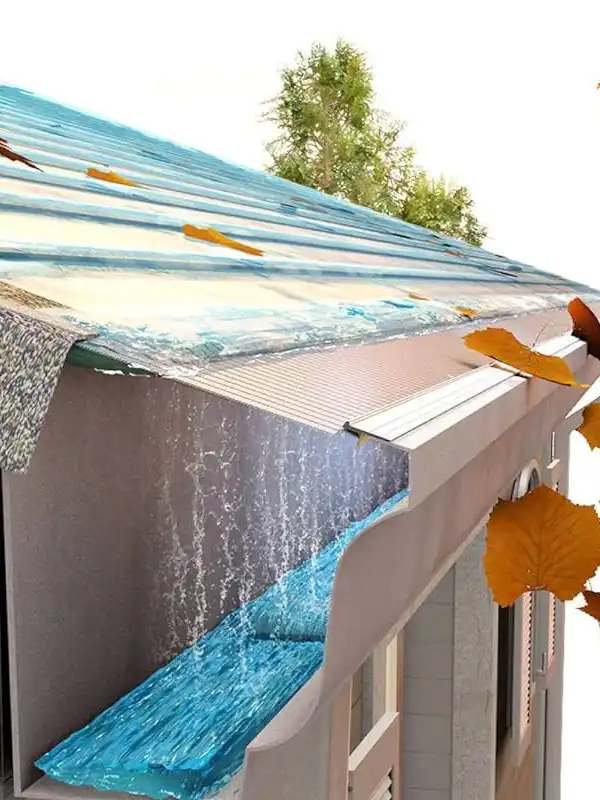
Gutters are a simple system with a tough job: catch rainwater and move it away from your roof edge. As a result, When the layout and details get guessed on install day, you can end up with drips, overflow, and water marks that are expensive to chase later.

Use this selection checklist to evaluate any company and keep quotes comparable. It also protects your timeline because fewer “unknowns” show up after materials arrive.

What A Solid Bid Includes

  • Written scope: removal of existing gutters (if applicable), also installation, and haul-away.
  • Materials listed: gutter style, size, metal type, finish, and color.
  • Build details: how corners, end caps, and outlets are made and sealed.
  • Downspouts: count, locations, and how water will exit at grade.
  • Protection and cleanup: landscaping protection, debris control, and a cleanup plan.
  • Schedule: target start date, expected duration, and material lead time if ordering is necessary.
  • Proof items: license/insurance documentation available on request and a contract you can review before paying.

Red Flags That Often Turn Into Change-Orders

  • They won’t put materials and scope in writing.
  • Outlet and downspout locations are “to be decided later.”
  • The quote is one lump sum with no details on removal and cleanup.
  • High-pressure sales tactics or a big deposit requested before you see a written scope.
  • They can’t explain how they prevent leaks at seams and corners.

Questions To Ask When Interviewing Contractors

  • Who will be on site doing the work, and who supervises the crew?
  • What gutter size do you recommend for this roofline, and why?
  • How will you decide downspout placement so water exits away from the home?
  • What gutter guard options do you offer, and what maintenance do they still require?
  • How do you seal joints and corners, and what warranty covers leaks?
  • How will you protect landscaping and keep walkways clear during installation?

Who This Checklist Is For

  • You have recurring drips, overflow, or staining at the roof edge.
  • Your gutters are sagging, pulling away, or frequently clogging.
  • You want to add gutter guards or change the gutter style for better performance.
  • You’re comparing contractors and want a clear, apples-to-apples way to choose.

Define Scope And Must-Haves

Before you compare bids, write down what you want the system to do. For example, A clear scope prevents mid-job add-ons and keeps you from paying for features that don’t fit your home.

Scope Checklist (Homeowner-Ready)

  • Replace vs repair: full replacement, partial replacement, or leak repair only.
  • Gutter style: K-style (common residential profile) or half-round (rounded profile).
  • Gutter type: “seamless” gutters are formed from one continuous piece on site to reduce joints.
  • Size: confirm the gutter size recommendation and why it fits your roof.
  • Downspouts: how many you need and where they should be located.
  • Water exit points: where water will empty at grade and how far from the foundation it should land.
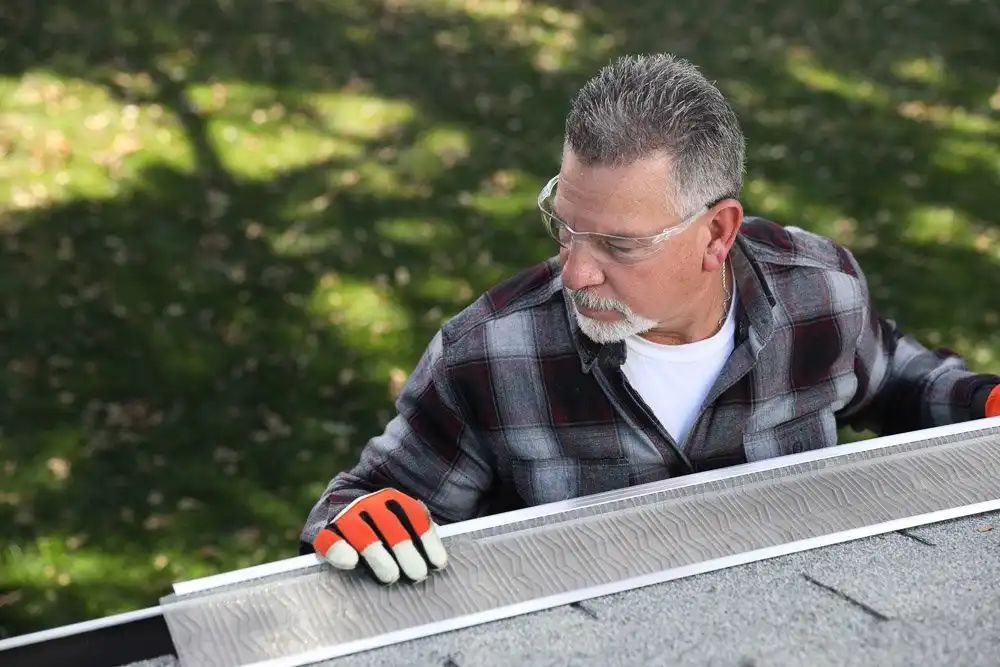
  • Guard option: add a gutter guard (a cover/screen that helps block debris) or plan for routine cleaning.
  • Roof-edge wood: if the fascia board (the vertical board behind the gutter) is damaged, decide how you want repairs handled if it’s discovered during removal.
  • Finish and color: standard vs custom color; match goals and expectations.

Common Planning Mistakes Homeowners Make

  • Picking the lowest number without matching scope line-by-line.
  • Skipping the downspout plan until after the gutters are installed.
  • Assuming “gutter guards” mean zero maintenance.
  • Not confirming disposal of old materials and final cleanup in writing.
  • Waiting to ask about lead times until a start date is already promised.
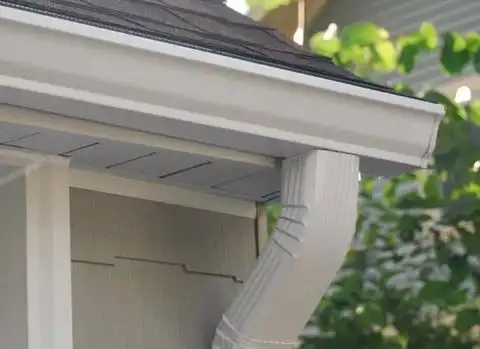
Before and after gutter replacement transformation in

Material Selections And Lead Times For Gutters Contractor Alameda

Material choices affect durability, appearance, and how quickly the job can start. In addition, A good contractor will explain tradeoffs in plain language and list them in the written scope.

What To Decide (And Why It Matters)

  • Metal type: aluminum is common for residential gutters because it’s lightweight and resists rust; other metals may be available for specific looks or needs.
  • Seamless vs sectional: seamless systems reduce the number of joints, which helps reduce leak points.
  • Guard type: screens, surface-tension covers, and micro-mesh products each handle debris differently and can change how often you need to clean.
  • Color/finish: standard colors usually move faster; custom colors can add ordering time.
DecisionCommon optionsWhat it changes
Gutter typeSeamless, sectionalJoints, leak risk, installation time
Gutter styleK-style, half-roundLook, complexity, labor
Gutter guardScreen, micro-mesh, coverMaintenance needs, upfront cost
ColorStandard, customLead time and scheduling flexibility

When you’re comparing bids, ask each contractor to note whether materials are stocked or ordered. That one detail often explains why one company can start next week and another needs a longer runway.

Permits, Inspections, And Scheduling

Most gutter projects are straightforward, but permit needs can change if the scope changes. For this reason, In Alameda, many building and planning permits are handled through the City of Alameda’s online portal (Accela), which is helpful for applications and tracking.

Permit And Inspection Notes (High-Level)

  • A like-for-like gutter replacement may not require a permit, but rules can vary by scope and address.
  • If the project includes structural repairs, changes to exterior surfaces, or new connections to other drainage components, the city may require permits or inspections.
  • If any work affects the public right-of-way, confirm requirements before installation day.
  • A professional contractor should be willing to discuss permit responsibility in the contract and help coordinate inspections when needed.

Typical Gutter Project Timeline (Realistic Ranges)

  • Site check + measurements: 30–90 minutes, depending on roofline complexity.
  • Written proposal: commonly 1–3 business days after measurement.
  • Ordering (if needed): often 3–10 business days for non-stock colors or special items.
  • Installation: commonly 1 day for many homes; more time for complex layouts or add-ons.
  • Walkthrough: same day as install; address punch-list items while the crew is still on site.

If you want a schedule you can plan around, book a timeline-first planning call at https://usconstructioncali.com/free-estimate/ or call +1 (916) 234-6696. Meanwhile, We’ll map out ordering, installation, and any coordination that could affect the start date.

Site Prep And Living-Through Tips

Gutter work moves quickly when the crew has clear access and the plan is settled. A little prep also protects your landscaping and keeps the work area safe.

Quick Prep Checklist

  • Move vehicles away from the work area so ladders and materials can be staged.
  • Clear patio furniture and fragile items near downspout locations.
  • Let the contractor know about sprinklers, delicate plants, or hard-to-see obstacles.
  • Keep pets indoors and plan for normal construction noise during the work window.
  • Confirm where debris will be staged and how final cleanup will be handled.

Communication Tips That Prevent Surprises

  • Ask for a simple sketch or notes showing downspout locations before fabrication begins.
  • Confirm who your point of contact is for day-of questions.
  • Make sure any “optional” add-ons are listed separately so you can decide without pressure.
construction gutters system

Closeout Checklist And Warranty Notes

A professional closeout is more than “it looks good from the street.” It’s a short, practical walkthrough that confirms performance and gives you the paperwork you may need later.

Closeout Checklist (Use This At The Final Walkthrough)

  • Confirm gutters are level with a consistent slope toward outlets (so water moves the right direction).
  • Check corners, seams, and end caps for clean sealing and no visible gaps.
  • Verify downspouts are secured and water exits where you agreed—away from areas that could cause pooling.
  • Run a controlled water test (hose test) on at least one section if feasible.
  • Confirm cleanup: old materials removed, debris picked up, and work area left tidy.

Warranty And Maintenance Notes

  • Get warranty terms in writing and keep them with your home records.
  • Ask what maintenance is expected (especially if you choose a gutter guard).
  • After the first heavy rain, do a quick visual check for overflow or drips and report issues promptly.

Alameda’s bay-side setting can mean more wind-driven rain for some properties. Overall, If your home sees harsh weather exposure, talk through material and finish choices so they fit your environment and your maintenance expectations.

US Construction & Remodeling Corp. Additionally, can help you plan the work, confirm the scope, and set a realistic schedule. Also, Call +1 (916) 234-6696 or book a planning call at https://usconstructioncali.com/free-estimate/.

Helpful Links

Frequently Asked Questions

Permit needs depend on scope and the exact address. A straightforward replacement may not require a permit, but changes to exterior construction or certain drainage-related work can trigger permits or inspections.

  • Ask your contractor to explain the scope in writing and flag any items that could require city review.
  • If permits are necessary, confirm who is responsible for pulling them and scheduling inspections.
  • In Alameda, many permit applications and tracking run through the city’s online portal (Accela).

A strong bid is specific enough that you can compare contractors fairly. If details are missing, request a revised written scope.

  • Gutter style and size, metal type, color/finish
  • Downspout count, locations, and how water exits at grade
  • Corner and joint method (how they’re built and sealed)
  • Removal/haul-away of old materials
  • Protection and cleanup plan
  • Timeline and any material lead times
  • Warranty terms and what’s covered

A gutter guard is a cover or screen designed to reduce debris entering the gutter. It can reduce clogs, but no guard eliminates maintenance entirely.

  • Screens can block larger debris but may still allow small particles through.
  • Micro-mesh can block smaller debris but may need occasional rinsing.
  • Covers can help shed debris, but performance depends on roof type and local conditions.

Ask any contractor to explain what cleaning or inspection they still recommend after installation.

Many homes can be completed in a day once materials are ready. The bigger variable is planning and lead time.

  • Measurements: typically under 90 minutes
  • Proposal: commonly 1–3 business days
  • Ordering (if needed): often 3–10 business days
  • Installation + walkthrough: commonly 1 day

For a schedule tailored to your home, call +1 (916) 234-6696 or book at https://usconstructioncali.com/free-estimate/.

Use the Contractors State License Board (CSLB) to confirm a license is active and see basic details.

Simple prep helps the crew work faster and reduces the chance of accidental damage.

  • Move vehicles and clear the work zone
  • Secure pets indoors during the work window
  • Point out fragile plants, sprinklers, and hard-to-see obstacles
  • Confirm where materials and debris will be staged
  • Review downspout locations one last time before work starts

The right size depends on roof area, roof shape, and how water concentrates in valleys. A contractor should recommend a size and explain the reason in plain language.

  • Ask what problems the larger size is meant to solve (overflow, heavy flow areas, fewer downspouts).
  • Confirm the plan for downspout size and placement, not just the gutter width.
  • Make sure the recommendation is written into the bid so you can compare quotes fairly.

Licensed, insured & trusted local contractor

US Construction & Remodeling Corp.
9821 Business Park Dr, Sacramento, CA, 95827
Phone: +1 (916) 234-6696

CSLB License #: 1117562 Fully licensed and insured.

View our Google Business Profile

Leave a comment

This website uses cookies to improve your web experience.
Explore
Drag