Gutters vs DIY in Alameda: Homeowner Guide
Homeowners searching for gutters vs diy alameda usually want one thing: stop overflow without turning the weekend into a risky ladder project. This guide explains when DIY is reasonable, when it backfires, and what a professional install changes.
Quick checklist:
- Decide the scope: cleaning, repair, guards, or full replacement.
- Confirm gutter size/material and how many downspouts you need for runoff.
- Plan downspout discharge and drainage so water moves away from walls, stairs, and the foundation.
- Ask whether fascia/rot repair is included and how corners/seams will be sealed.
- Compare 2–3 itemized quotes (linear feet, downspouts, guards, disposal, warranty).
- Schedule around weather and run a hose test at the final walkthrough.
TL;DR: DIY can handle light cleaning and small fixes if access is safe and the system is still sound. If gutters sag, leak in several spots, or sit two stories up, hiring a contractor often saves time and prevents hidden wood damage.
- Check ladder access and roof height before doing anything
- Look for sagging, loose hangers, or separated joints
- Inspect the fascia board for soft spots or staining
- Decide if you want sectional gutters or seamless gutters
- Pick a guard style based on the debris you get
- Plan where water should flow at ground level
What Changes The Experience The Most For Gutters Vs DIY Alameda
| Decision | Why it matters | Quick check |
|---|---|---|
| Gutter size (5-inch vs 6-inch) | Capacity affects overflow risk during heavy rain. | Ask the installer to size based on roof area and runoff. |
| Downspout locations | Where water lands affects erosion and slip hazards. | Map discharge points and confirm extensions/splash blocks. |
| Guards/screens | Reduces clogs but still needs maintenance. | Choose based on debris type and confirm cleaning access. |
| Fascia condition | Weak/rotted fascia causes sagging and leaks. | Inspect before install; include repair allowance in scope. |
The real difference between hiring out and doing it yourself is safety plus repeat work. Overall, Gutters sit at the roof edge, so you measure, cut, seal, and fasten while you balance on a ladder.
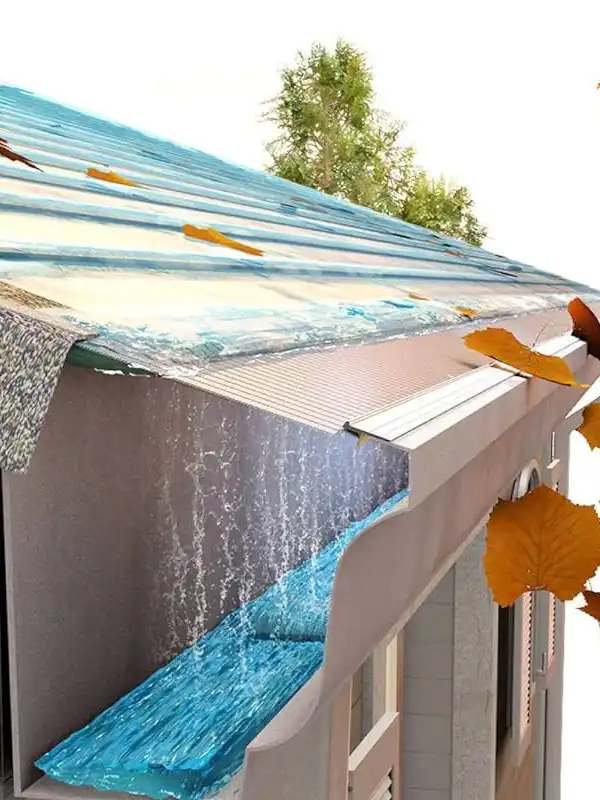
A contractor also sets the pitch (the slight slope that moves water toward the outlet). Meanwhile, When pitch is off, water sits in the gutter and finds gaps at seams and corners.
DIY Is Usually Fine When
- You can also reach the gutter safely with a stable ladder and a helper
- The issue is small: a clog, one loose hanger, or a short leak at a joint
- The fascia (the board behind the gutter) looks solid and dry
- You can clean up and test with a hose afterward
Calling A Contractor Makes More Sense When
- The home is tall, steep, or hard to access
- Gutters pull away, overflow even when clean, or leak in multiple spots
- You see peeling paint, staining, or soft wood along the fascia
- You want seamless gutters (formed from one continuous piece) to reduce joints
- You want guards and a cleaner layout, not just another patch
Example (Hypothetical): A Patch Vs A Reset
Before: A homeowner cleans the gutters, but one corner still spills over. They add more sealant at the joint, and the corner drips again after the next rain.
After: A contractor checks hanger spacing, corrects the pitch, and replaces the worn corner section. Additionally, Water flows to the outlet instead of pooling, and the fascia has a chance to dry.
Want a quick gut-check on whether you're looking at a simple fix or a full replacement? Call +1 (916) 234-6696.
Layout And Function Improvements
When people compare gutters vs diy alameda options, layout is the part that gets missed. In addition, The layout decides how well the system captures water and how often it clogs.
It also changes how the exterior looks. Also, Straight runs, clean corners, and fewer seams make the edge of the roof look finished.
Planning The Gutter Layout (What To Decide)
- Total linear feet (the total length of gutter around the roof)
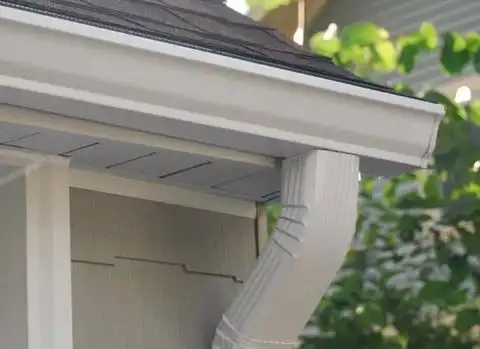
- Where to place outlets and downspouts (the vertical pipes)
- How many downspouts you need for good flow without clutter
- Where each downspout should empty so water does not pool near the home
- Corner count, end caps, and tricky transitions around roof lines
- Hanger style and spacing, including hidden hangers for a stronger hold
Function Upgrades Homeowners Notice
- Seamless runs to cut down on leak points
- Larger gutter sizes for heavy flow areas when the roofline calls for it
- Stronger hangers so the gutter stays straight over time
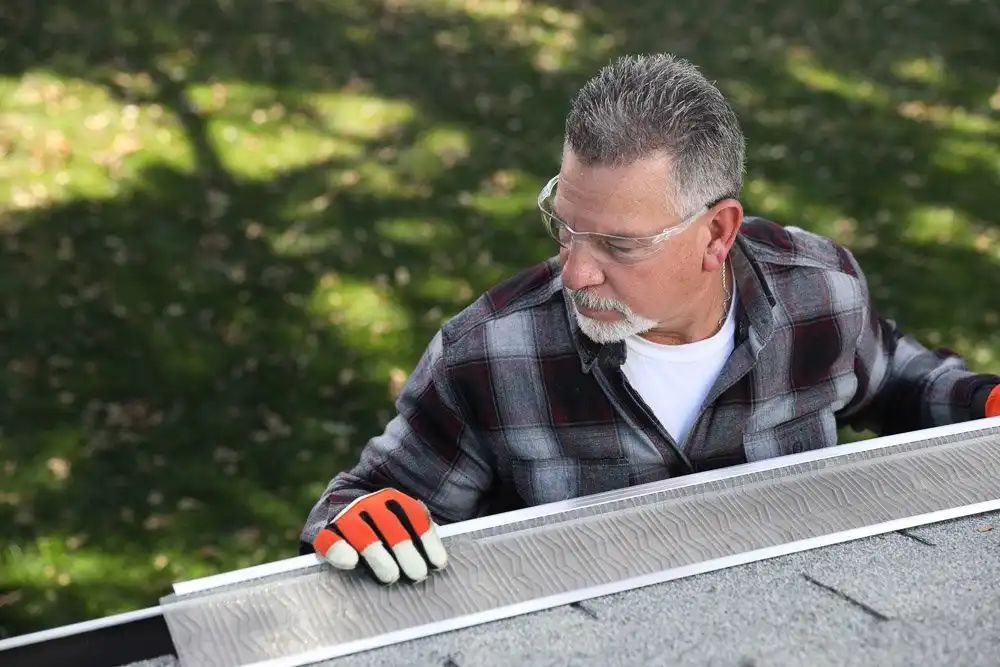
- Guard systems that reduce debris buildup and cleaning frequency
- Ground-level extensions or splash blocks to move water away from the house
Small-Space Layout Tips
Narrow side yards, landscaping, or limited ladder setup space makes DIY harder. For example, In those situations, the best layout decision is the one that stays serviceable.
- Use fewer seams in hard-to-reach spots because seams are where leaks start
- Choose guard options you can service instead of covers you cannot remove
- Keep cleanout areas reachable so maintenance does not become a hazard
Materials And Finish Options For Gutters Vs DIY Alameda
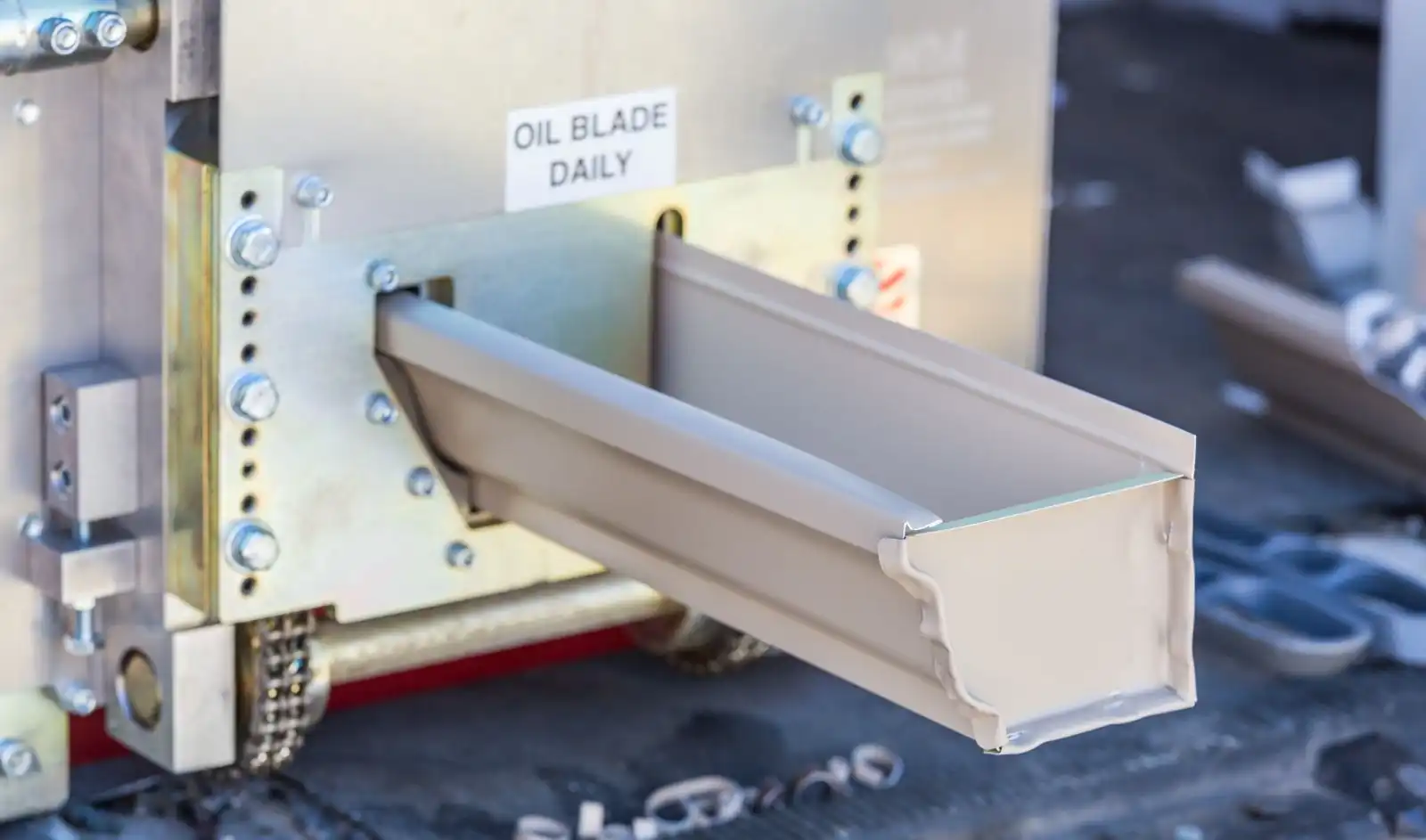
Materials affect how long gutters last, how they look, and how much upkeep they need. For this reason, Many DIY kits use short sectional pieces that you join at the corners; a professional can form seamless gutters on-site for a tighter fit and fewer joints.
Common Gutter Materials (Plain-Language Pros And Cons)
- Aluminum: Lightweight, rust-resistant, and the most common choice for many homes
- Galvanized steel: Strong, but can rust if the coating gets scratched or worn
- Copper: Premium look and long life, usually the highest-cost option
- Vinyl/PVC: DIY-friendly, but joints can loosen and the material can warp over time
Finish And Profile Options
- K-style: A flat-faced profile that looks like trim and hides well from the street
- Half-round: A rounded profile that fits some older styles and sheds debris easily
- Color matching: Most aluminum systems come in multiple colors to blend with fascia and trim
- Seamless vs sectional: Seamless reduces joints; sectional is easier to transport but adds connection points
Gutter Guard Options (What They Actually Do)
Guards help keep leaves and debris out, but they are not maintenance-free. As a result, The best guard is the one that matches the debris you get and the roof edge detail you have.
- Mesh and micro-mesh: Good for small debris, but needs occasional brushing or rinsing
- Solid covers: Can shed larger debris, but performance depends on roof slope and rain intensity
- Foam inserts: Easy to install, but can trap fine debris and need replacement
Cost Drivers + Timeline (Typical)
The price gap between DIY and hiring a contractor is real, but so is the difference in tools, safety, and finish quality. Meanwhile, For gutters vs diy alameda planning, focus on the drivers that change labor and materials.
| Driver | Why it matters | DIY impact | Contractor impact |
|---|---|---|---|
| Home height and access | More height means more safety planning | Higher risk and slower work | Right equipment and crew size |
| Linear feet and corners | More cuts and joints take more time | More chances for leaks | Measured takeoff and cleaner runs |
| Material choice | Changes cost and durability | Limited to what you can transport | More options, including seamless |
| Guard system | Changes install time and upkeep | May not fit every roof edge | Matched to roof and debris |
| Fascia repair | Rot or soft wood will not hold fasteners | Hard to spot until you remove gutters | Repair before reinstalling |
Budget Ranges And Timeline (Typical)
- Simple cleaning or minor re-hang can fit in a few hours if access is safe
- A straightforward full replacement often fits in one day; complex rooflines or wood repair can add time
- DIY costs usually come from materials plus tool purchases or rentals; mistakes can add extra trips and extra parts
- Pro bids usually reflect measured linear feet, corners, home height, and the chosen guard system
How To Prepare Your Home
A little prep keeps the workday smoother and protects your property. It also helps you compare estimates because every contractor sees the same access and conditions.
How A Gutter Job Typically Runs In Alameda
- Share the symptoms (overflow, leaks, sagging) by phone, and schedule an on-site look
- On-site assessment: measure runs, check corners, and inspect the roof edge and fascia
- Get a written scope with options for materials, guards, and any wood repair
- Confirm whether the scope needs a permit; when permits apply, the City of Alameda uses an online permit portal (Accela) for many building and planning submittals and tracking
- Schedule the work and set expectations for access, parking, and protection for landscaping
- Installation day: remove old pieces, install new runs, seal connections, and test with water
- Walkthrough: confirm alignment, show water flow, and review a simple maintenance plan
Alameda Permit Notes (When They Apply)
Many gutter projects are straightforward, but permit needs depend on scope and address. Additionally, If the project involves more than a like-for-like swap, ask the City of Alameda what applies to your property and timeline. For example, For many building and planning items, the city uses an online permit portal (Accela) for submittals and status updates.
Tool Storage And Organization For A Safer DIY Attempt
If you do part of the work yourself, organize tools so you do not climb up and down more than necessary. Meanwhile, Fewer trips up the ladder lowers risk.
- Keep gloves, a scoop, and a small brush in one bucket
- Use a labeled bin for spare hangers, screws, and sealant so parts do not get lost
- Store an extension pole or hose nozzle where you can grab it quickly for testing
- Keep walkways clear so you do not trip while carrying a ladder
Maintenance Tips That Extend The Life Of The System
- Check gutters after the first rain to spot any drips early
- Clean and inspect at least twice a year, and more often if trees drop debris near the roof
- Look for standing water, which can signal a pitch issue
- Make sure hangers stay tight so the gutter does not pull away over time
- Rinse guards so fine debris does not build up and slow flow

Next Steps For Alameda
US Construction & Remodeling Corp. As a result, helps Alameda homeowners weigh DIY against a contractor approach, then completes repairs or full replacements when you want a clean, durable result. Meanwhile, If you're still deciding on gutters vs diy alameda, we'll explain what makes sense for your roofline and access. In addition, Call +1 (916) 234-6696 for a quick consult, or request a free estimate to get pricing for your roofline.
Two Easy Ways To Get Started
- Call: +1 (916) 234-6696 for a fast conversation about access, materials, and scope
- Online: Use the estimate request form and we will follow up to schedule a site visit
Trust Checklist Before You Hire Anyone
- Ask for proof of current contractor licensing and insurance
- Get a written scope that lists material, profile, color, and guard type
- Clarify who handles permits if the scope triggers one
- Confirm how the crew will protect landscaping and clean up debris
- Expect a final water test and a walkthrough of the finished runs and corners
- Use an authority site to verify licensing status before you sign
Helpful Links
Frequently Asked Questions
DIY can be a good fit for light cleaning, a small clog, or tightening a loose hanger when you can reach the area safely. If you need to work high off the ground, replace long runs, or correct sagging and pitch, hiring a contractor is usually safer and faster.
Permit needs depend on the exact scope and the property. A like-for-like gutter swap often differs from a project that includes wood repair or changes to where water exits at ground level. When permits apply, the City of Alameda commonly uses an online permit portal (Accela) for many building and planning items.
Many straightforward replacements can be completed in about a day. Extra time is common when access is difficult, the roofline has many corners, or fascia repairs are necessary before the new gutters can be fastened.
The biggest swings usually come from access and complexity, not just materials.
- Home height and safe ladder setup
- Total gutter length and number of corners
- Seamless vs sectional construction
- Guard selection and how it fits the roof edge
- Any fascia repair needed to hold fasteners
Aluminum is a common choice because it resists rust, comes in many colors, and balances cost with durability. Steel is stronger but can rust if the coating fails, and copper is a premium option. Vinyl is easy for DIY, but it can warp and its joints can loosen over time.
Use a simple checklist and get everything in writing.
- Verify licensing status through CSLB
- Confirm insurance coverage
- Ask for a written scope (materials, profile, color, guards, cleanup)
- Ask how they will test the system and handle corrections
Licensed, insured & trusted local contractor
US Construction & Remodeling Corp.
9821 Business Park Dr, Sacramento, CA, 95827
Phone: +1 (916) 234-6696
CSLB License #: 1117562 Fully licensed and insured.