Gutters Timeline In Sacramento: Checklist + Week-By-Week Plan
Planning a gutters timeline in Sacramento is easier when you know which choices come early, which ones can stall scheduling, and what a clean install day should look like.
Quick checklist:
- Decide the scope: cleaning, repair, guards, or full replacement.
- Confirm gutter size/material and how many downspouts you need for runoff.
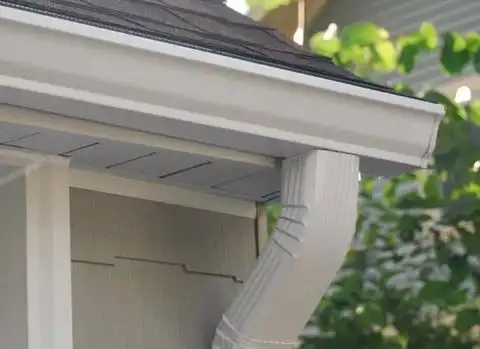
- Plan downspout discharge and drainage so water moves away from walls, stairs, and the foundation.
- Ask whether fascia/rot repair is included and how corners/seams will be sealed.
- Compare 2–3 itemized quotes (linear feet, downspouts, guards, disposal, warranty).
- Schedule around weather and run a hose test at the final walkthrough.
TL;DR: For many homes, the install itself can happen in a single day. The waiting usually comes from getting a written scope, ordering the right materials, and locking a start date. If wood repair or permits are involved, plan extra time.
- Decide: replace gutters, add guards, or fix problem sections.
- Take 6–8 photos of roof edges, corners, and any leak areas.
- Note your home height (one story vs. two) and any tight access.
- Pick priorities: low maintenance, appearance, or heavy rain performance.
- Ask for a written estimate with materials, downspouts, and cleanup included.
- Confirm how fascia repairs are handled if damage is found.
Want a written estimate that matches your real schedule? Have your address, story count, and a few photos ready. Call +1 (916) 234-6696 or request an estimate online.
Gutters Timeline In Sacramento: Step-By-Step Plan
When gutters fail, water can hit the roof edge and run behind the gutter. For example, That can stain siding, rot trim, and soak areas near your foundation. In addition, A clear plan helps you avoid last-minute add-ons and keeps the job moving.
Two quick definitions help when you read estimates. Additionally, Fascia is the board the gutter attaches to. As a result, Soffit is the underside of the roof overhang. In addition, If either is damaged, it can slow the gutters timeline until repairs are approved and completed.
Step-By-Step Plan Homeowners Can Follow
- Document the problem spots (leaks, also sagging sections, overflowing corners).
- Decide if you want a like-for-like replacement or a change in gutter size/profile.
- Choose add-ons early, such as gutter guards and extra downspouts.
- Schedule a site measure so the estimate matches your roofline, corners, and access.
- Get the scope in writing, including wood repair allowances and cleanup.
- Set a target install window and make a plan for pets, parking, and yard access.
At-A-Glance Table: What Changes Time And Price
| Decision | Why it matters | What to confirm |
|---|---|---|
| Material & finish | Different metals and colors can affect ordering and cost. | Material type, color, and whether it’s seamless or sectional. |
| Home height & access | Two-story work and tight side yards take more setup time. | Where ladders or lifts will be used and what’s protected. |
| Fascia/wood condition | Hidden rot can change the scope once old gutters come off. | How repairs are priced and approved before work continues. |
| Guards | Guards reduce debris but add parts and labor. | Guard type and whether it’s installed on every run. |
| Downspout plan | Outlet locations affect water flow and splash patterns. | Downspout count, locations, and where water is directed. |
Who This Timeline Is For
- Homes with aging gutters that leak at seams or corners.
- Homeowners adding gutter guards to reduce cleaning.
- Anyone coordinating exterior paint, roofing, or siding work with new gutters.
Decisions To Make Before Demo
“Demo” for gutters usually means removing the old gutters and any damaged fasteners. As a result, If you lock these decisions before removal day, you reduce surprises and protect the schedule.
- Keep the same gutter size/profile or upgrade for your roof area.
- Choose gutter type: seamless (formed on-site) or sectional (assembled from pieces).
- Pick a color that matches trim and downspouts.
- Confirm how many downspouts you want and which sides of the home need them.
- Decide if you want gutter guards now or later.
- Call out areas with landscaping, patio covers, or fragile plants that need protection.
- Decide how you want water to land away from the foundation (for example, with an extension or a splash block where appropriate).
Contractor Questions That Protect Your Budget
- Will you inspect fascia and rafter tails once the old gutters are off?
- How do you price wood repairs if you find damage—time and materials, or a set unit rate?
- What gutter material and thickness are included in the bid?
- How will you fasten the gutters, and what hanger spacing do you use?
- How many downspouts are included, and where will each outlet send the water?
- Is hauling away old gutters and jobsite cleanup included?
- Do you provide a written scope, start window, and payment schedule?
Permits, Inspections, And Local Requirements
Many gutter replacements are straightforward. Also, They often do not require a building permit when the work is like-for-like and stays non-structural. In addition, Permits can come up when the job includes structural repairs, changes tied to other trades, or work that alters how water is routed off the roof.
Permit Notes For Sacramento Homeowners
If your address is within the City of Sacramento, permitting and plan review typically run through the City of Sacramento Community Development portal (Accela Citizen Access). In addition, You can start here to look up applications and track status: https://aca-prod.accela.com/SACRAMENTO/Default.aspx.
- Ask early whether a permit is necessary based on your scope and address.
- If a permit is necessary, confirm who submits it and who schedules inspections.
- Keep product spec sheets if the city asks for them during review.
When inspections apply, the inspector typically checks that the permitted work matches the approved scope. For this reason, Plan for someone to be available if an inspection is scheduled.
What Happens Week By Week
Every home is different, but the basic rhythm is consistent. Meanwhile, Most delays happen before install day, not during it. For this reason, If you want a cleaner gutters timeline, decide on options (like guards) before materials are ordered.
Week 0: Scope And Site Notes
- List what’s wrong today and what you want improved.
- Note any trees, valleys, or roof areas that drop a lot of debris into gutters.
- Mark water staining, peeling paint, or soft wood near the roof edge.
Week 1: Measure And Written Estimate
- On-site measure (or a photo-based pre-quote) to confirm lengths and corners.
- Written estimate that lists materials, downspouts, guards (if chosen), and cleanup.
- Decision on options so the order matches the plan.
Week 2: Materials And Scheduling
- Order materials and confirm color availability if you want a specific finish.
- Set the install date and confirm access for ladders, trucks, and disposal.
- Address permit submittal if your scope requires it.
Week 3: Install Day And Walkthrough
- Remove old gutters, inspect fascia, and complete any approved repairs.
- Install new gutters and downspouts, confirm pitch (the slope that moves water).
- Do a final walkthrough and identify any touch-ups or adjustments.
Accessibility And Safety Options (Less Ladder Time)
If ladder use is a concern, plan for it up front. Overall, A few smart choices can reduce how often you need to climb.
- Add gutter guards in areas with heavy leaf debris to reduce cleaning visits.
- Keep downspout outlets accessible so you can spot clogs from the ground.
- Schedule seasonal maintenance with a pro instead of doing risky ladder work.
- Ask about ground-level cleanout options where they make sense.

Common Pitfalls And How To Avoid Them
Most gutter problems aren’t caused by the gutter itself. Overall, They come from rushed decisions, hidden wood damage, or a scope that didn’t match the house. For this reason, The goal is a gutters timeline that includes the real work, not just the best-case scenario.
Pitfalls That Cause Delays Or Rework
- No allowance for wood repair: Ask how fascia repairs are handled before removal starts.
- Missing downspouts in the quote: Confirm the count and locations in writing, not “as needed.”
- Unclear water direction at the bottom: Decide where water should exit so it doesn’t splash against the home.
- Access surprises: Tight side yards, steep roofs, and patio covers can slow setup.
- Guard choice made late: Adding guards after installation may require extra labor and another trip.
- No walkthrough: Inspect corners, seams, and outlets before the crew leaves.
Maintenance Tips After Installation
Even new gutters need basic upkeep. For this reason, The goal is to keep water moving and catch small issues early.
- Check gutters at least twice a year and after big storms.
- Look for loose fasteners, separated seams, and stains along the fascia line.
- Flush a short section with a hose to confirm water moves toward each downspout.
- Keep roof valleys and nearby tree branches trimmed when possible.
- If you have guards, clear roof debris so it doesn’t pile up on top.
Request A Written Estimate (And What To Have Ready)
US Construction & Remodeling Corp. Additionally, helps Sacramento homeowners plan the schedule before work begins. As a result, We’ll give you a written estimate that spells out materials, options, and timing.
- Address in Sacramento and best on-site access details
- Story count and any tight side-yard areas
- Photos of corners, problem leaks, and roof edges
- Your preference on guards, color, and seamless vs sectional
Call +1 (916) 234-6696 or book an estimate online.
Helpful Links
Frequently Asked Questions
Most projects break into two parts: planning and installation. The install day is often the shorter piece.
A realistic gutters timeline usually looks like this:
- Measure + estimate: A visit (or a photo-based starting quote) so the scope matches your roofline.
- Selections: Material, color, guards, and downspout count confirmed in writing.
- Scheduling + ordering: Materials are ordered and an install date is set.
- Install + walkthrough: Old gutters come off, the crew checks fascia condition, installs, then you walk the lines together.
Wood repairs, hard-to-access areas, or permit requirements can add time. The best way to avoid surprises is an itemized written estimate and clear decisions up front.
Delays usually come from scope changes or unknown conditions, not the actual installation.
- Hidden wood damage: Rot behind the gutter can’t be confirmed until removal.
- Custom colors or special materials: Some finishes take longer to source.
- Access constraints: Two-story elevations, tight side yards, or patio covers can slow setup.
- Permits and inspections: If required for your scope, the schedule needs to include review and inspection windows.
- Weather and safety: Wet conditions can make ladder work unsafe and can affect sealants.
You can reduce these risks by documenting problem areas with photos, choosing options early, and getting repair pricing rules in writing before demo.
Many like-for-like gutter replacements do not require a building permit, but requirements can change based on scope and address. Permits are more likely when the job involves structural repairs or gets bundled with other permitted work.
For addresses within the City of Sacramento, permitting and plan review typically run through the Community Development portal (Accela Citizen Access): https://aca-prod.accela.com/SACRAMENTO/Default.aspx.
Ask your contractor to confirm, in writing, whether a permit is expected for your scope and who will handle submittals and inspections if needed.
Gutter pricing is mostly about labor complexity and materials. A low quote can be missing important scope items, so compare bids carefully.
- Linear footage and the number of corners and transitions
- Home height and how hard it is to access roof edges safely
- Material type and finish (including color-matching)
- Downspout count and any routing changes needed at the bottom
- Fascia or wood repair allowances
- Gutter guards (type and coverage)
Ask for an itemized written estimate so you can see what’s included and what’s optional.
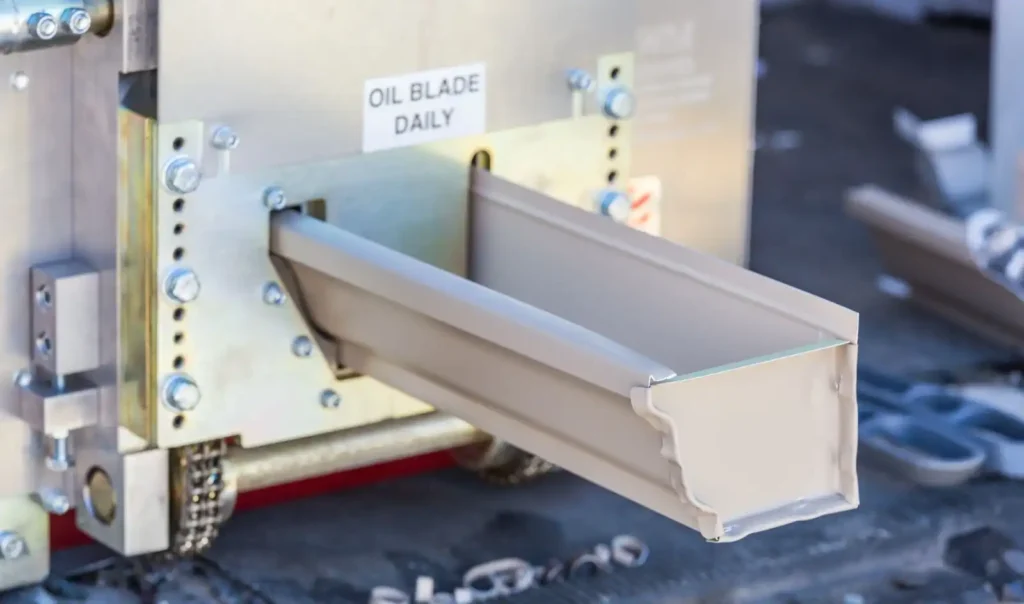
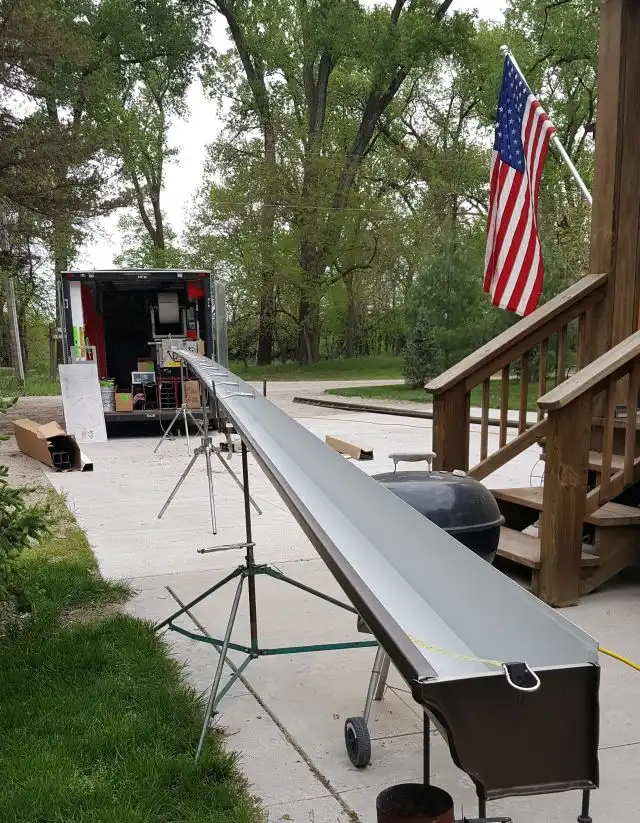
Seamless gutters are formed on-site in long runs, which reduces joints. Sectional gutters are assembled from pieces, which can mean more seams.
From a scheduling standpoint, both can be installed quickly once materials are ready. Seamless work typically depends on the crew arriving with the forming equipment and matching coil stock. Sectional systems may rely on pre-cut lengths and fittings.
If you want fewer joints, seamless is a common choice. If you’re comparing bids, make sure both contractors are quoting the same type.
Yes, and it’s common to address these repairs when old gutters come off. Fascia (the board behind the gutter) and soffit (the underside of the eave) are part of what keeps the roof edge solid and clean-looking.
The key is clarity:
- Ask how repairs are priced and approved before the crew proceeds.
- Confirm whether paint touch-ups are included or separate.
- Make sure the written scope says what happens if more damage is found.
Building in a repair allowance is one of the simplest ways to protect the timeline and avoid stop-and-go work.
You can reduce ladder use without ignoring maintenance. That matters for safety and for aging-in-place planning.
- Install gutter guards where leaf debris is heavy so cleanings are less frequent.
- Do ground checks after storms: look for stains, drips, or water marks along the fascia line.
- Keep roof debris cleared so it doesn’t pile up on guards.
- Schedule seasonal service with a pro if you don’t feel comfortable on ladders.
If you’re calling for an estimate, mention that ladder access is a concern so the plan can include lower-maintenance options.
Licensed, insured & trusted local contractor
US Construction & Remodeling Corp.
9821 Business Park Dr, Sacramento, CA, 95827
Phone: +1 (916) 234-6696
CSLB License #: 1117562 Fully licensed and insured.