
Skip links

Siding Permit Requirements Placer | US Construction

When homeowners search for siding permit requirements placer, they usually want a clear yes-or-no on permits. They also want a checklist that keeps the job moving once work starts.

Quick checklist:

  • Pick a siding material and finish that matches climate and maintenance goals.
  • Confirm moisture management details (housewrap, flashing, caulking) in writing.
  • Define the full scope (trim, soffit/fascia, paint, insulation upgrades).
  • Confirm access/safety plan and how landscaping/property will be protected.
  • Compare 2–3 itemized quotes and verify warranty coverage.
  • Check permit requirements if altering exterior walls or doing structural repairs.

TL;DR: A like-for-like siding swap can be simpler, but repairs, new openings, and added insulation often push the project into permit review. Ask who pulls the permit and who schedules inspections before you sign. Get the full scope in writing, including water-control details around windows and doors.

  • Confirm whether your address is under a city department or Placer County.
  • Decide if you are doing full tear-off or an overlay.
  • Ask how the crew will handle hidden damage, including rot.
  • Require window and door water-control details in the written estimate.
  • Verify license and insurance before you pay a deposit.
  • Get a timeline that shows inspection points and daily communication.

Want a written estimate for your Placer siding project? Call +1 (916) 234-6696 or request an estimate online. Have your address, a few photos, and your preferred siding material ready so we can price it accurately.

Contractor Selection Checklist For Siding Permit Requirements Placer

Decision Why it matters Quick check 
Material choice Durability and maintenance differ by material. Compare fiber cement vs vinyl and verify warranties. 
Moisture management Water control prevents rot and mold. Confirm housewrap and flashing details around openings. 
Trim & transitions Details control fit and long-term sealing. Specify corners, soffit/fascia scope, and finish plan. 
Access & protection Staging affects speed, cost, and safety. Plan scaffolding, landscaping protection, and cleanup. 

This checklist makes it easier to compare bids and get a straight answer on permits for your address. In addition, If you are still sorting out siding permit requirements placer, start with a written scope and clear details on how the wall will stay dry.

Contractor Selection Checklist (Bring This To The Walkthrough)

  • A written scope that says whether you are also removing old siding or installing over it.
  • A plan for repairs once the wall is open, including sheathing (the wood panels under the siding) and framing.
  • A water-control plan: WRB (weather-resistant barrier) and flashing (thin metal or membrane that routes water away from openings).
  • Clear details for trim, corners, and wall penetrations like vents and hose bibs.
  • Who handles permits, inspections, and any HOA paperwork.
  • Material specs in writing, plus the manufacturer installation guide they will follow.
  • A cleanup and disposal plan, including how they protect plants and walkways.
  • A payment schedule tied to milestones, not vague dates.

Ask the contractor to point to the exact line items where these details live. For this reason, If they cannot, the estimate is not complete.

Accessibility And Exterior Safety Upgrades (Good Time To Consider)

Siding work often includes ladders, scaffolding, and changed walkways. For example, Small safety upgrades can make the exterior easier to use for kids, guests, and aging-in-place needs.

  • Add bright, glare-free lighting at entries and along paths.
  • Install secure handrails on steps where you need extra stability.
  • Improve house-number visibility for deliveries and emergency crews.
  • Discuss a low-threshold entry only if waterproofing details are included in writing.

t1 siding traditional simple style house design

What To Ask Before You Hire For Siding Permit Requirements Placer

Use these questions during the site walk. As a result, Clear answers reduce change orders (written approvals for added work and cost) later.

Questions That Prevent Surprises

  • Is this a full tear-off or an overlay? Meanwhile, What do you recommend for my home and why?
  • What happens if you find rot or insect damage after removal?
  • Are you changing any window or door openings, even slightly?
  • Will you add exterior insulation or change the wall thickness?
  • How will you seal around windows, doors, and penetrations?
  • Who will be on site each day, and who is my point of contact?
  • How do you handle changes once work starts (pricing and approval)?

Info To Prepare For A Written Estimate

  • Your Placer address and whether an HOA has exterior rules.
  • Photos of each side of the house and close-ups of problem areas.
  • Number of stories, steep grades, or tight access points.
  • Your preferred siding type (fiber cement, vinyl, wood, or engineered wood).
  • Any related work: windows, doors, exterior lights, vents, or trim changes.

If you want a faster quote, send photos first and confirm the scope on a short call. Overall, Then schedule an on-site visit for final measurements.

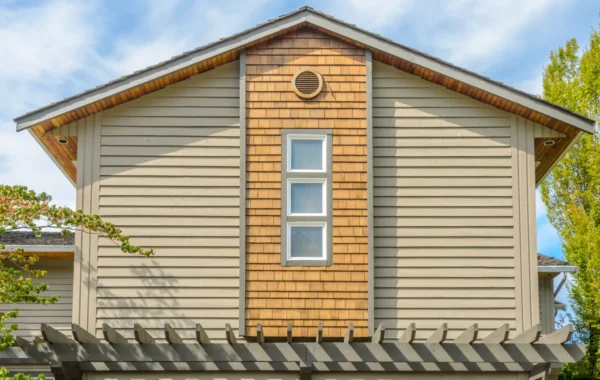
t1 siding roof house nice window

Red Flags And How To Verify Licensing

In Placer, your permit path can change based on jurisdiction and scope. Additionally, A contractor who dodges paperwork or refuses documentation can put your project and resale at risk.

Red Flags To Take Seriously

  • No written scope, or vague material descriptions such as standard siding.
  • Pressure to start demolition before you agree on permit responsibility.
  • Requests for full payment up front, or cash-only demands.
  • Refusal to explain how they manage water around windows and doors.
  • No proof of insurance, or delayed follow-through.

How To Verify The Basics

  • Ask for the contractor license number and verify it with the state lookup tool.
  • Request a certificate of insurance for general liability and workers' compensation.
  • Confirm who will pull the permit if one is necessary and who schedules inspections.
  • Make sure the contract lists the exact materials, start window, and change-order rules.

US Construction & Remodeling Corp. Also, provides written estimates and clear scopes for siding work in Placer. Meanwhile, Call +1 (916) 234-6696 if you want to walk through your options before you hire.

Frequently Asked Questions

It depends on what you change. A straightforward replacement that keeps the wall assembly the same can be simpler, but repairs and upgrades often change the requirements.

If you are comparing siding permit requirements placer checklists online, focus on these common permit triggers:

  • Structural repairs (framing, shear panels, or major sheathing replacement).
  • New or resized windows and doors, or any new wall openings.
  • Adding exterior insulation or changing wall thickness.
  • Changing the exterior finish type in a way that affects fire resistance or weather protection.

Your address matters because some properties fall under a city building department and others go through Placer County. Confirm requirements before demolition so you can schedule inspections and order materials with confidence.

In many cases, the contractor pulls the permit and lists you as the property owner. That keeps responsibility aligned with the party doing the work and scheduling inspections.

  • Ask for a copy of the permit application or confirmation number.
  • Make sure the permit lists the correct contractor and job address.
  • Confirm who will be on-site for inspections and who will meet the inspector.
  • Do not accept pressure to pull the permit yourself without a clear reason in writing.

If someone asks you to pull the permit in your name, ask for a written explanation and do not proceed until it makes sense.

Inspection needs depend on scope and jurisdiction. Some jobs only need a final inspection, while others require in-progress sign-offs before new siding covers the wall.

  • Repair inspection: after framing or sheathing fixes, before the wall gets covered.
  • Water-control inspection: for WRB and flashing around windows, doors, and penetrations.
  • Final inspection: once siding, trim, and sealant details are complete.

Ask your contractor to list expected inspections in the written estimate. It helps you plan access, pets, and work-from-home days.

The on-site installation can move quickly, but the full timeline includes decisions, material lead times, and permits when required.

  • Estimate and scope: often within a week once you choose a material and scope.
  • Permits (if required): timing depends on the reviewing office and the plans needed.
  • Material ordering: commonly 1-4 weeks depending on availability.
  • On-site work: often 3-10 working days, plus repairs if hidden damage shows up.

Set expectations for update frequency and how changes get approved. That keeps the schedule steady even when the wall needs extra repair.

Siding pricing depends on the surface area, the material, and how much repair work the crew finds once the wall is open. A detailed estimate spells out what is included so you can compare bids fairly.

  • Material choice and finish (painted, pre-finished, or factory color).
  • Tear-off vs. installing over existing siding.
  • Repairs to sheathing, framing, and trim.
  • Height and access (scaffolding, steep grades, tight side yards).
  • Permit fees, inspection coordination, and disposal.

Ask for a clear change-order process so any added work stays documented and approved before it happens.

Material choice affects installation details, but permits usually hinge on the wall assembly and whether you change structure, openings, or insulation.

Fiber cement, vinyl, engineered wood, and wood siding all come with manufacturer requirements for fasteners, clearances, and sealing details. Ask your contractor to include the product line in the estimate and follow the installation guide.

  • Thicker systems or added insulation can change trim and flashing.
  • Some communities or HOAs restrict profiles or colors.
  • Fire and weather-resistance details can matter on certain scopes.

If you are unsure, ask for two options priced side by side with maintenance expectations for each.

A good estimate starts with a clear scope and a few site details. You do not need perfect measurements, but photos help.

  • Your address in Placer and any HOA exterior rules.
  • Photos of each wall, plus close-ups of damage or soft spots.
  • Number of stories and any access limits.
  • Your preferred material and any window or door changes.
  • Your target start window and the best way to reach you.

Call +1 (916) 234-6696 or use the online estimate form to request a written quote.

Leave a comment

This website uses cookies to improve your web experience.
Explore
Drag