Skip links

Bathroom Sink

A bathroom refresh can look simple until the bathroom sink has to line up with the vanity top, faucet holes, drain height, and shutoff valves. When those details don’t match, you lose time and sometimes end up re-buying parts.

This guide gives California homeowners a practical roadmap for scope, materials, permits, and closeout checks. US Construction & Remodeling Corp. can review your current setup and help you map a clean sequence before you order fixtures. Visit our website for more remodeling info.

TL;DR: Keep the plumbing location if you want the fastest path. Match sink type, faucet hole count, and drain parts before you buy. Put budget into the vanity box, countertop, and mirror lighting for daily comfort.

Quick Checklist:

  • Measure vanity width/depth and note drain centerline.
  • Decide: keep the same footprint or move plumbing.
  • Match faucet holes (single, 4-inch, 8-inch) to sink/top.
  • Choose sink style (undermount, drop-in, integrated) based on cleanup and compatibility.
  • Confirm shutoff valves are accessible; plan to replace old supply lines.
  • Build a timeline for ordering, fabrication, and install—then book a planning call.

What To Expect From A Licensed Team For Bathroom Sink

DecisionWhy it mattersQuick check
Wet-area finishesWet zones need durable, easy-clean surfaces.Choose materials rated for bathrooms and simple maintenance.
VentilationHelps prevent humidity and long-term damage.Confirm fan sizing and vent routing.
LayoutGood layout improves daily usability.Verify clearances and door swings.
Budget controlKeeps scope creep from blowing up the price.Use allowances and a written change-order process.
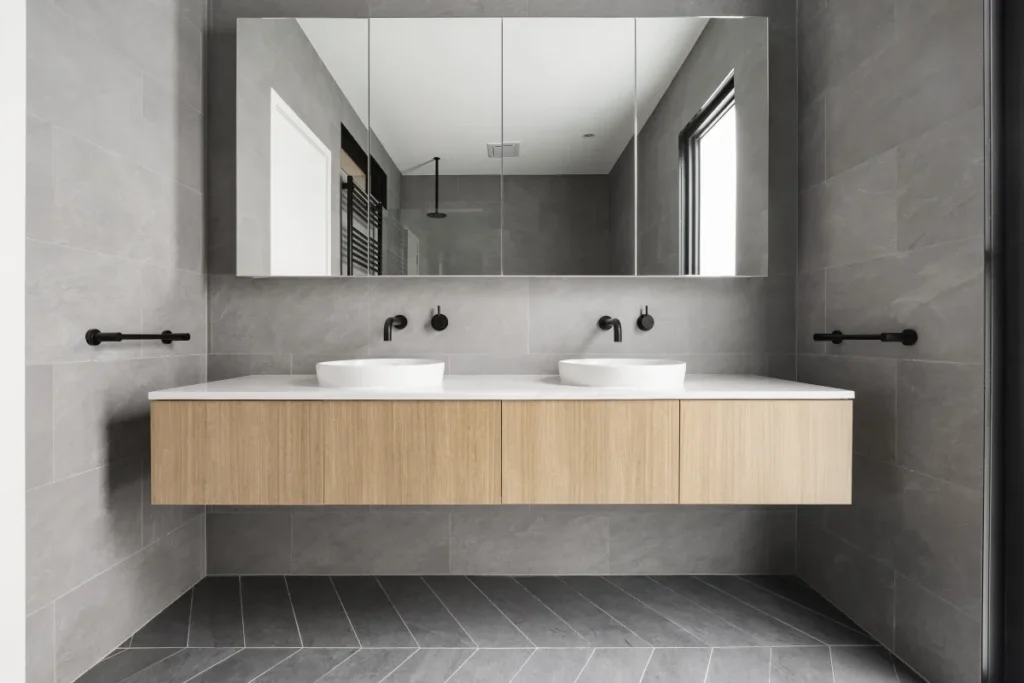
  • Confirm whether a single or double sink fits your routine and countertop length.
  • Choose undermount, drop-in, or integrated sink styles based on how you want to clean.
  • Match faucet hole count to the sink or countertop before you purchase fixtures.
  • Pick a vanity top thickness and edge profile that fits the room’s scale.
  • Choose countertop material and color that fit your maintenance preferences.
  • Add a backsplash or full-height splash panel to protect drywall behind the faucet.
  • Upgrade task lighting at the mirror with side sconces or a bar light in the 2700–3000K range.
  • Select drawers and pull-outs for toiletries so the counter stays clear.
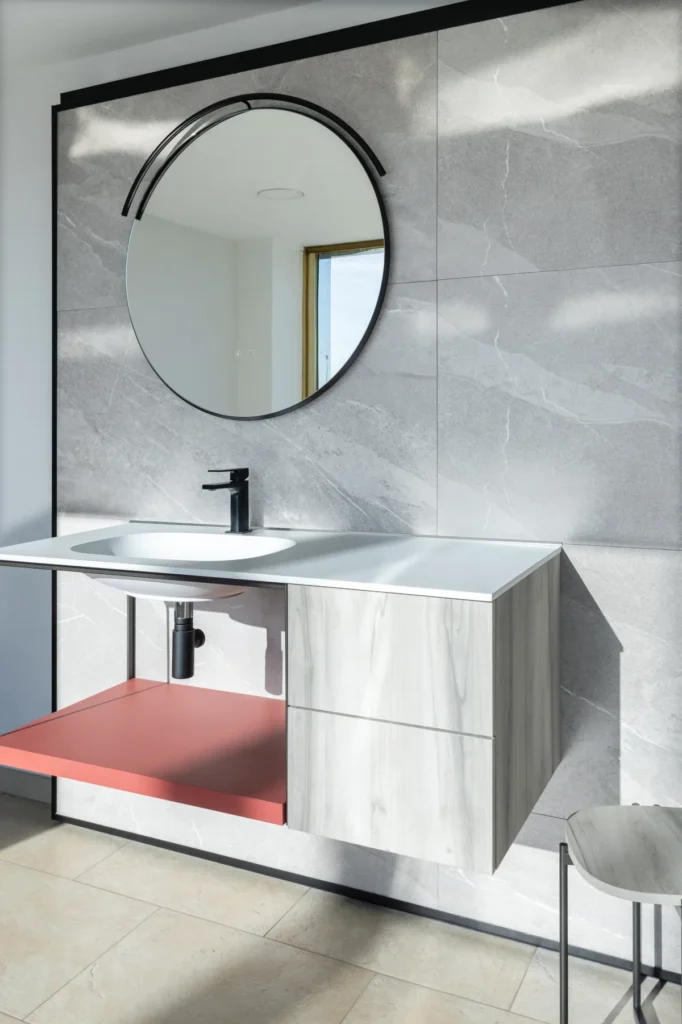
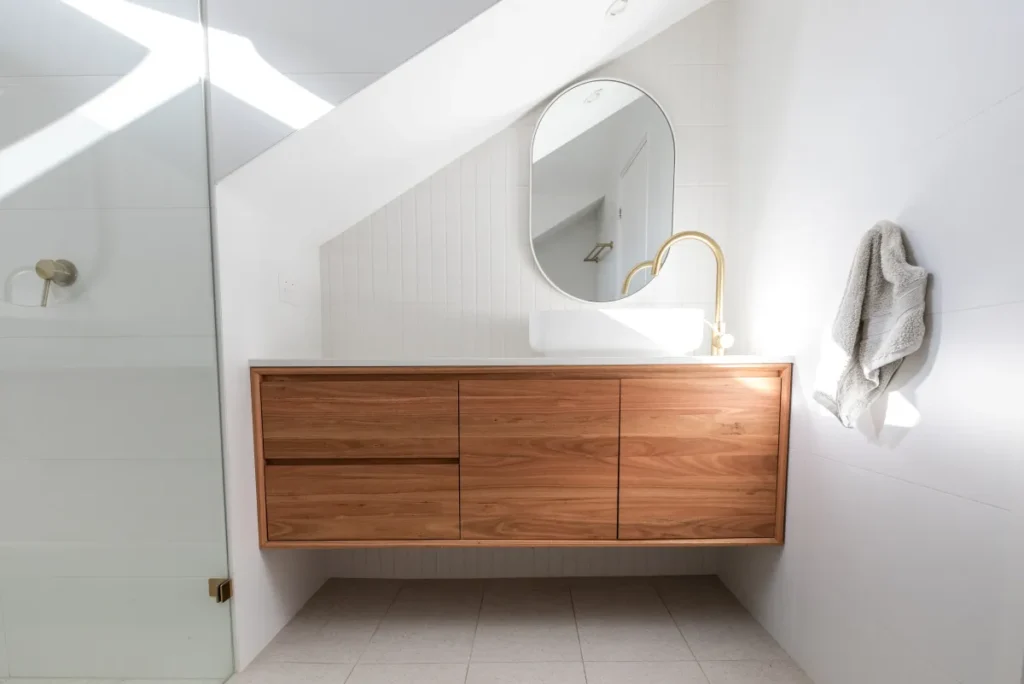
  • Consider a wall-hung vanity or open toe-kick to visually “lift” a small room.
  • Coordinate drain trim, hardware, and finishes so the sink area feels intentional.

If your bathroom sink is stained, cracked, or paired with a vanity that’s swelling at the corners, a targeted upgrade can make the whole room feel newer. A licensed team should start with measurements and compatibility checks, not guesswork. That includes confirming drain height, shutoff access, and the condition of the vanity base before materials get ordered.

Done right, you get a cleaner look, better storage, and a sink that drains and seals the way it should.

Small-Bath Layouts That Feel Bigger

Tight bathrooms punish clutter and awkward clearances. The sink zone can either open up the room or block the door swing, so it’s worth planning this area with daily movement in mind.

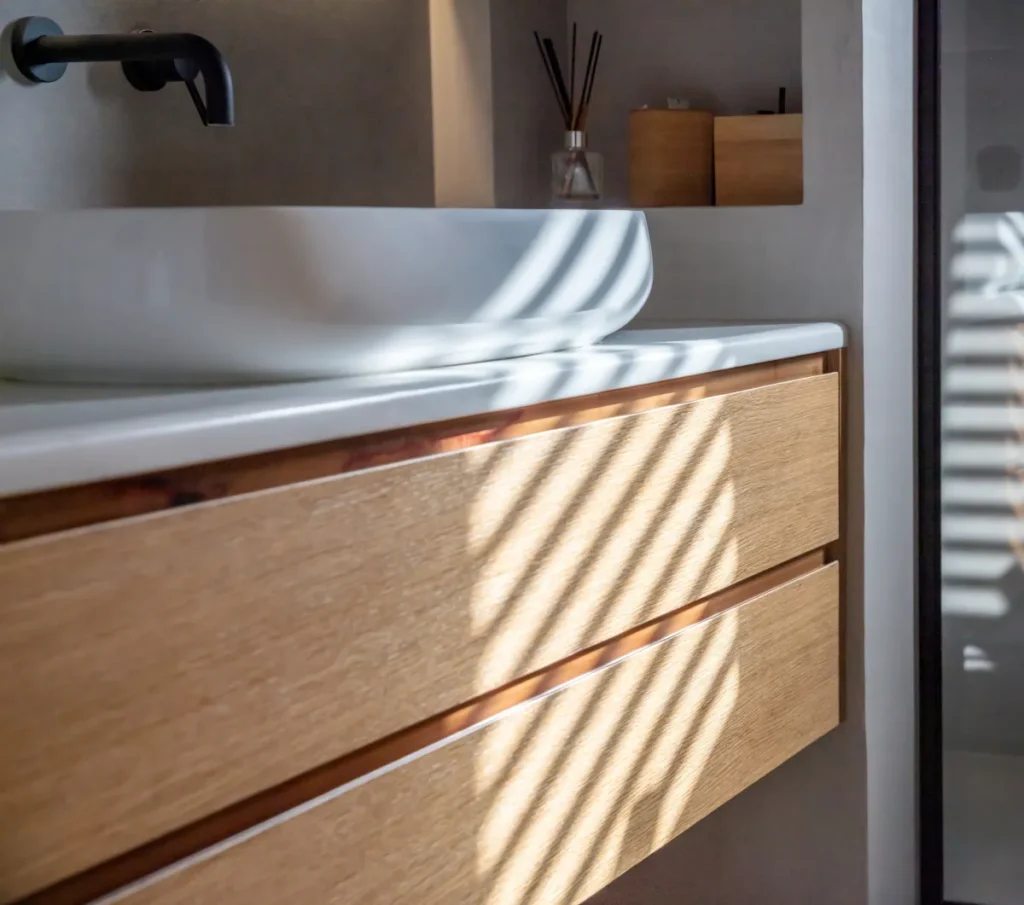
  • Wall-hung vanity: shows more floor and helps the room feel less crowded.
  • Corner sink option: helps in powder rooms where every inch counts.
  • Recessed medicine cabinet: adds storage without protruding into the room.
  • Single bowl, wider counter: creates landing space for toiletries even with a narrow vanity.
  • Hardware that matches your use: longer pulls and soft-close drawers improve day-to-day comfort.

ROI And Resale Priorities

A refreshed vanity and sink can improve buyer perception because it’s a daily-touch area. For ROI, focus on durability and a clean, neutral look rather than chasing the most expensive fixtures.

  • Choose standard sizes and finishes that are easy to service later.
  • Prioritize a solid vanity box and a countertop that handles moisture.
  • Invest in mirror lighting; it changes how the room feels every day.
  • Keep product specs and care instructions for future maintenance.

If you’re deciding between a simple swap and a full vanity replacement, call +1 (916) 234-6696 and we’ll talk timing and what to measure.

home plants bathroom construction cali

Planning And Scope Decisions For Bathroom Sink

Start by deciding whether you’re keeping the plumbing in the same spot. A like-for-like swap can move quickly, while changing vanity width, moving the drain, or adding outlets usually expands the scope.

Roadmap You Can Plan Around

  1. Measure and document: vanity width/depth, hole spacing, drain location, outlet and light placement.
  2. Set the scope: refresh fixtures, replace the top/sink, or install a new vanity.
  3. Compatibility check: faucet hole count, overflow type, drain assembly, and trap clearance inside the cabinet.
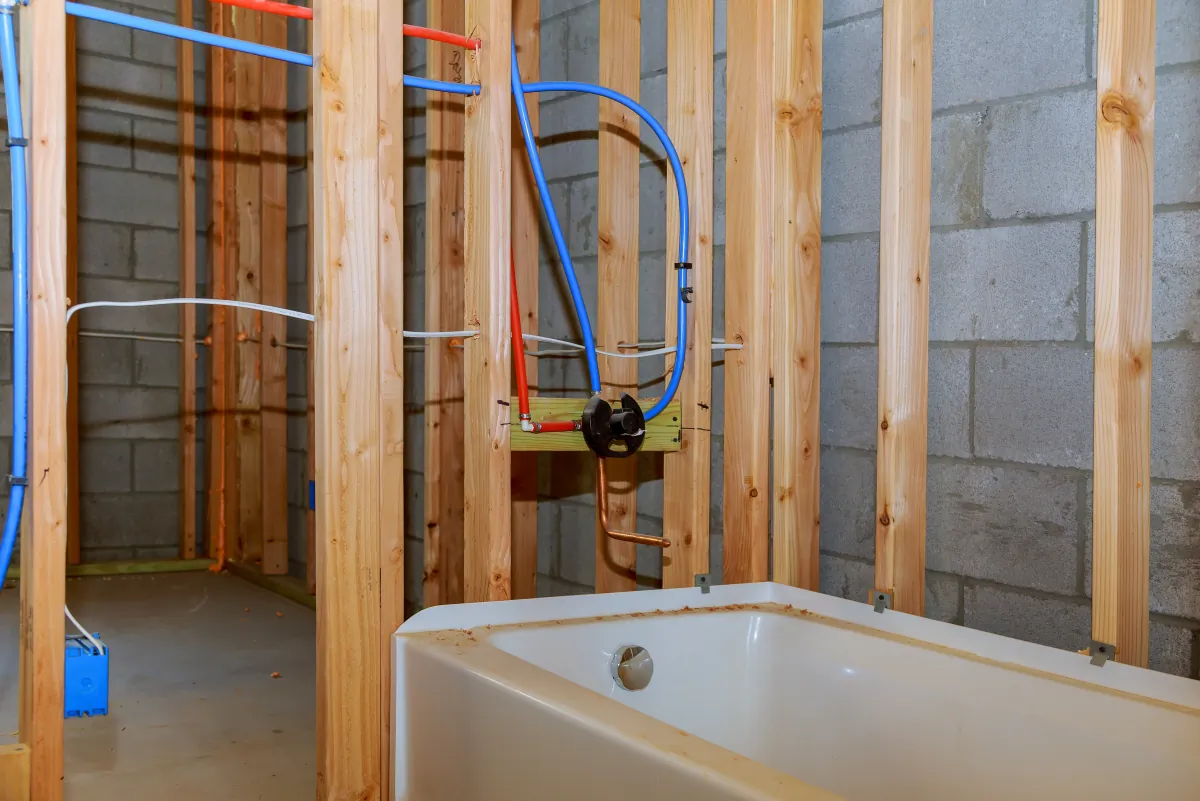
  4. Review wall conditions: look for soft drywall, swelling at the vanity toe-kick, or hidden leaks.
  5. Confirm permit triggers: moving plumbing/electrical, opening walls, or changing ventilation wiring.
  6. Order and schedule: lock lead times for countertops, faucets, and hardware before demo day.
  7. Install and test: set vanity level, connect plumbing, seal edges, then water-test and drain-test.
  8. Closeout: walkthrough, punch list, care instructions, and documentation for any warranty items.

Planning Mistakes That Add Rework

  • Buying a sink or faucet without confirming hole count and spout reach at the mirror line.
  • Ignoring drain placement—center drains can block drawers; rear-offset drains often preserve storage.
  • Skipping shutoff valve updates when they’re corroded or hard to reach.
  • Choosing a vanity that leaves no room for the P-trap or supply lines behind drawers.
  • Assuming the wall is fine and covering up water-damaged drywall or baseboard.
  • Underestimating lead time for stone/quartz fabrication and specialty hardware finishes.

Materials, Permits, And Scheduling

Materials affect both the finished look and your calendar. Some countertops and fixtures are special-order items, so it pays to lock selections before you remove the old vanity—especially if this bathroom gets daily use.

Quick Decision Table

DecisionCommon optionsWhat changes cost/timeline
ScopeSink swap; new top; new vanity + topMoving plumbing or electrical adds time and inspections
Sink styleUndermount; drop-in; integratedCutouts/templates and compatibility with countertop material
CountertopQuartz; solid surface; stone; laminateFabrication lead time and edge details
Faucet setupSingle-hole; 4-inch; 8-inchHole count must match; finish availability can delay

Vanity, Top, Sink, Faucet

Choose materials that match your cleaning habits and how hard the bathroom gets used. These tradeoffs come up most often around the sink zone.

  • Vanity boxes: plywood or furniture-grade panels handle moisture better; particle board swells if it stays damp.
  • Door and drawer fronts: Shaker is versatile, slab is modern, raised-panel is traditional; soft-close hardware is worth it.
  • Countertops: quartz is low-maintenance; solid surface is repairable; natural stone needs periodic sealing; laminate keeps costs down.
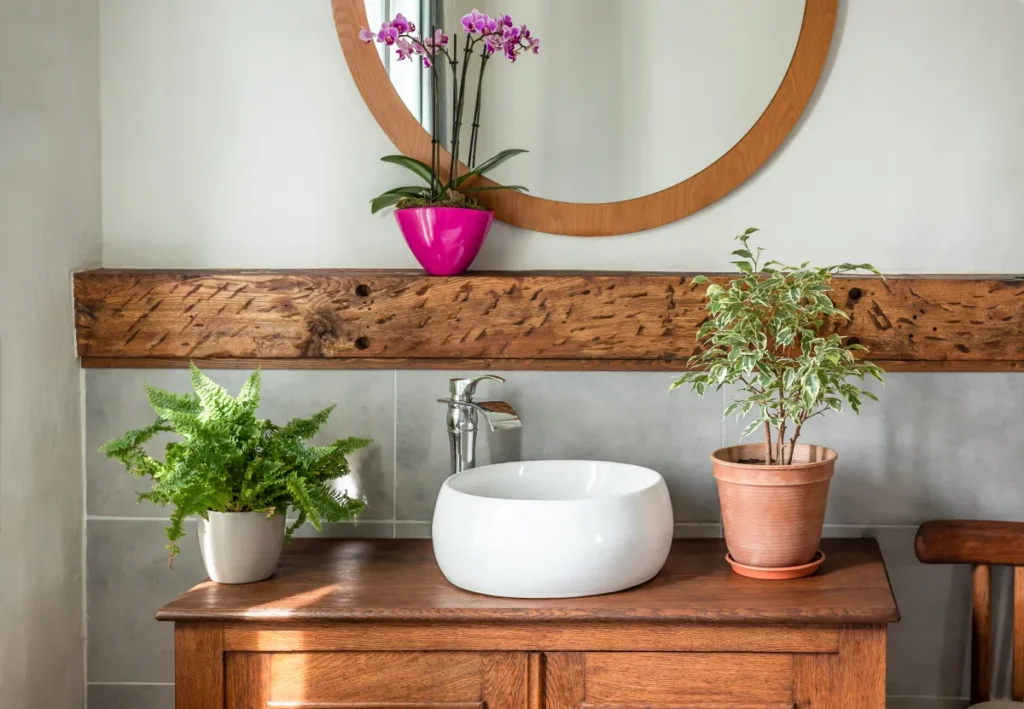
  • Sinks: vitreous china and porcelain are common; undermount looks clean; drop-in swaps easily; integrated tops reduce seams.
  • Faucets and drains: look for metal internals and a replaceable cartridge; match drain trim finish to the faucet.
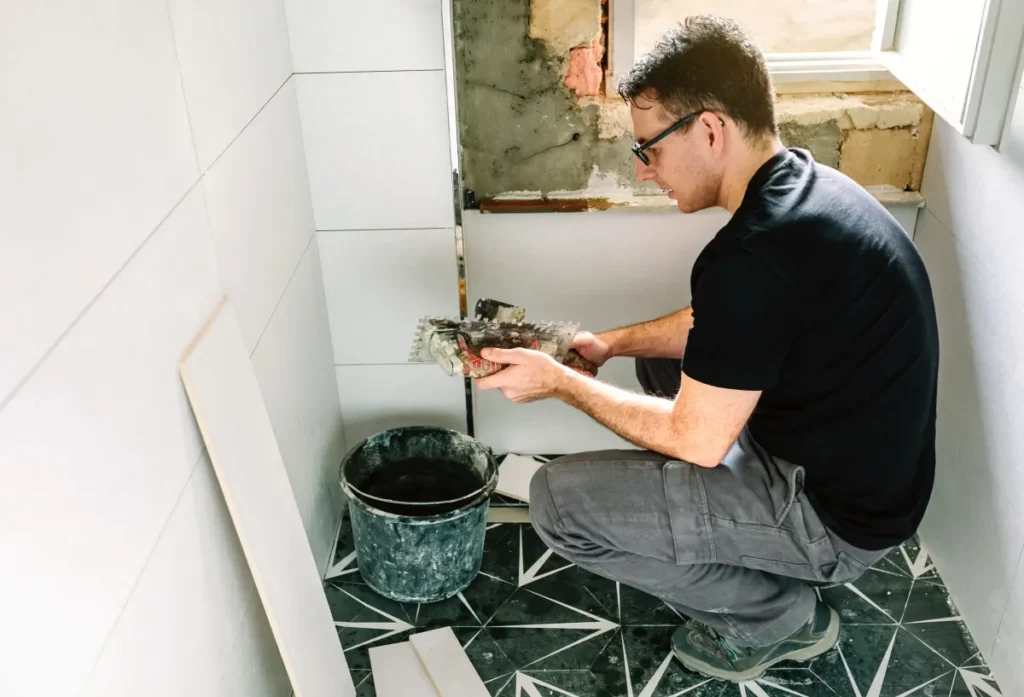
  • Backsplashes and wall protection: a short backsplash or tiled splash zone reduces repainting behind the faucet.

Layout, Flooring, And Lighting Choices That Work Together

In kitchens, layouts get labeled “galley,” “L-shape,” “U-shape,” or “island-centered.” Bathrooms rarely use those words, yet the same planning logic applies: protect clearances, keep splashes contained, and make the mirror area bright without glare.

  • Galley-style bathrooms: keep vanity depth modest so two people can pass more comfortably.
  • L-shape corners: a short counter return can add landing space without widening the main run.
  • U-shape planning: when fixtures wrap around you, check door swings and drawer pull-outs so nothing collides.
  • Island-centered concept: in a large primary bath, a freestanding vanity can act as a centerpiece, but it requires careful plumbing planning.

For cabinet looks, Shaker, slab, and raised-panel door styles all work; the bigger choice is finish durability. For countertop options, quartz, solid surface, natural stone, and laminate each have a place depending on budget and maintenance preferences.

Flooring choices should handle routine splashes: porcelain tile is a common long-life option, while sheet vinyl can reduce seams in small rooms. Luxury vinyl plank can work when the product and installation are appropriate for bathrooms.

Plan layered lighting so the sink area works early mornings and evenings: ambient ceiling light for the room, task light at the mirror (sconces help), and accent light such as under-vanity night lighting.

When They Come Up

A basic sink swap may not need a permit, but rules vary across California. If you move plumbing, add or relocate outlets, change lighting circuits, or open walls, permitting and inspections often apply. A contractor should explain what’s required for your address and who will pull the permit.

Budget Ranges And Timeline (Typical)

  • Sink and faucet refresh: often $500–$1,500 and completed in a day when parts fit.
  • New vanity + top + sink (same footprint): often $2,500–$6,500 with 2–4 working days on site.
  • Scope with plumbing/electrical moves: often $6,000+ and 1–3+ weeks depending inspections and lead times.
  • Stone or quartz fabrication: add 1–3 weeks for template, fabrication, and install.

Use these numbers for early planning, not as a quote. The most accurate way to price the job is to confirm scope and select materials.

Quality Checks And Closeout

Closeout is where small issues get caught before they become stains, swelling, or callbacks. A well-finished sink area should look clean, drain fast, and keep water off the walls and cabinet seams.

Quality Checks Before Closeout

  • Pressure test and drain test at every connection; look for slow weeps after a few minutes.
  • Confirm the sink sits level and the faucet operates smoothly without wobble.
  • Verify continuous caulk lines at splash zones and countertop edges.
  • Open and close drawers/doors fully; confirm clearance at doors, toilets, and baseboards.
  • Check mirror and lighting for shadows; adjust placement before patch/paint cures.
  • Review shutoff valve access and show how to isolate water quickly.

Maintenance Tips For The First Year

Small habits keep the vanity area looking new and help you catch issues early.

  • Wipe standing water from the countertop and around the faucet base after heavy use.
  • Use non-abrasive cleaners on sinks and tops; avoid harsh pads that dull finishes.
  • Clean the faucet aerator if water flow slows; mineral buildup is common.
  • Inspect silicone/caulk lines a couple of times a year and replace if they crack.
  • If you choose natural stone, follow the fabricator’s guidance on sealing and cleaners.

elegant bathroom two sinks bathtub construction cali

Serving Homeowners In Sacramento

US Construction & Remodeling Corp. helps Sacramento homeowners plan and complete sink-and-vanity upgrades with clear scope, coordinated ordering, and a finish checklist you can inspect. You’ll know early if your design calls for plumbing or electrical changes that affect timing.

Timeline-first CTA:Book a planning call to review your current setup, lead times, and the cleanest path to install. Prefer the phone? Call +1 (916) 234-6696.

Ways To Get A Timeline Plan

  • Planning call: confirm scope, compatibility, and ordering lead times before you buy fixtures.
  • On-site measure: best when you’re changing vanity size, countertop material, or lighting locations.
  • Written estimate: once selections are set, get a scope that spells out what’s included and what’s optional.

Sacramento Permitting Touchpoints (As Needed)

When a sink project expands into moving plumbing, adding circuits, or opening walls, permitting becomes part of the schedule. In Sacramento, permitting and plan review typically run through the City of Sacramento Community Development portal (Accela Citizen Access) for applications, payments, and status tracking. Requirements depend on address and scope, so confirm early whether an inspection will be required before walls get closed.

Trust And Accountability

  • Licensing and insurance: request current proof and confirm it matches the company doing the work.
  • Permits: clarify when permits apply and who is responsible for pulling them before the job starts.
  • Communication: expect a clear start date, regular updates, and a written punch list at the end.
  • Workmanship verification: run a water test at the sink, inspect caulk lines, and confirm drawer/door alignment at walkthrough.
  • Independent verification: check a contractor’s license status directly through the CSLB.

Related Upgrades Around The Vanity

Bundling a few adjacent updates can improve function without turning the job into a full gut remodel.

  • Vanity lighting and mirror replacement for better daily use.
  • Tile backsplash or splash protection behind the faucet area.
  • Flooring updates near the vanity if the existing floor has swelling or gaps.
  • Vent fan switch or timer upgrades when electrical scope allows.

Contact Details

Phone: +1 (916) 234-6696
Scheduling: use the booking link above when you’re ready.

Helpful Links

Frequently Asked Questions

It depends on scope and material lead times. A like-for-like swap can often be completed in a day, while a new vanity and top typically takes a few working days on site.

  • Same footprint swap: hours to one day when parts fit and shutoffs are accessible.
  • New vanity + countertop: usually 2–4 working days, plus any fabrication lead time.
  • Moved plumbing/electrical: longer due to inspections and wall repairs.

Often, a like-for-like replacement doesn’t require a permit, but rules vary by city and county. If the scope includes moving plumbing, relocating electrical, or opening walls, permitting and inspections may apply. A contractor should confirm requirements for your address before work begins.

The biggest cost drivers are usually scope changes and material choices.

  • Moving drain, water lines, or adding electrical work
  • Countertop fabrication (stone/quartz vs laminate)
  • Vanity size and cabinet quality
  • Tile/backsplash and wall repair from prior leaks
  • Fixture grade (faucet, drain, accessories)

Each has a strong use case.

  • Undermount: clean look and easy wipe-in cleanup; best with solid countertops.
  • Drop-in: simpler replacement and often lower labor; the rim can collect grime.
  • Integrated: fewer seams and a streamlined look; replacement usually means replacing the top.

Do a compatibility check before purchasing. A few minutes here prevents expensive returns.

  • Confirm faucet hole count and spacing (single/4-inch/8-inch)
  • Check spout reach so water lands near the drain, not the rim
  • Match drain size and overflow style (or no overflow)
  • Verify P-trap and supply line clearance inside the vanity

Look for clear scope, proof of licensing/insurance, and straightforward permit responsibility.

  • Written scope with included/excluded items
  • Product list that confirms compatibility (sink, faucet, drain, top)
  • Clear start date, protection plan, and closeout checklist
  • A plan for permits and inspections when the scope requires them
  • License status verified through CSLB

Licensed, insured & trusted local contractor

US Construction & Remodeling Corp.
9821 Business Park Dr, Sacramento, CA, 95827
Phone: +1 (916) 234-6696

CSLB License #: 1117562 Fully licensed and insured.

View our Google Business Profile

Leave a comment

This website uses cookies to improve your web experience.
Explore
Drag