
Roofing Business Guide | US Construction &Amp; Remodeling Corp.
If you’re searching for a roofing business in California, you’re probably trying to stop a leak, plan a replacement, or make sure you hire the right contractor. US Construction & Remodeling Corp. put this guide together so you can compare options, understand material choices, and know what should be in a written estimate before work begins.
Quick checklist:
- Confirm the scope: repair, partial replacement, or a full reroof.
- Pick a material system and verify underlayment, flashing, and ventilation details.
- Clarify tear-off vs overlay and what happens if decking damage is found.
- Compare 2–3 itemized bids (materials, disposal, permits, warranty).
- Schedule around weather and confirm daily cleanup and protection.
- Do a final walkthrough: flashing, vents, and warranty documentation.
TL;DR: Treat roofing like a system, not a single product. A solid roofing business will document the roof condition, spell out flashing and ventilation details, and put assumptions in writing so you can compare bids fairly.
- Ask for a written scope with specified materials
- Confirm underlayment, flashing, and ventilation details
- Request photos of problem areas and proposed fixes
- Clarify tear-off vs overlay and how deck damage is handled
- Understand permit/inspection needs for your jurisdiction
- Get warranty terms and product info in writing
Use the sections below as a decision framework. It keeps the conversation objective and helps you avoid “cheap now, expensive later” surprises.
Options And What Each Includes For Roofing Business
Hiring a roofing business isn’t only about replacing shingles. For example, You’re buying a weatherproof system that includes underlayment, flashing, ventilation details, and cleanup. Additionally, Because each roof behaves differently, a good contractor starts with photos, measurements, and clear assumptions—not a guess from the driveway.
Service Options You Can Hire For
- Roof inspection: identifies leak sources, also soft spots, and flashing issues.
- Targeted leak repair: fixes penetrations (vents, skylights, chimneys) and damaged areas.
- Roof tune-up: reseals critical areas and replaces a limited number of damaged components.
- Full roof replacement: tear-off (when needed) and installation of a complete new roofing system.
- Re-roof/overlay (where allowed): adds a new layer over an existing roof when conditions and codes permit.
- Ventilation improvements: balances intake and exhaust to support roof performance and manufacturer requirements.
- Flashing upgrades: replaces worn metal at valleys, walls, and penetrations—common leak points.
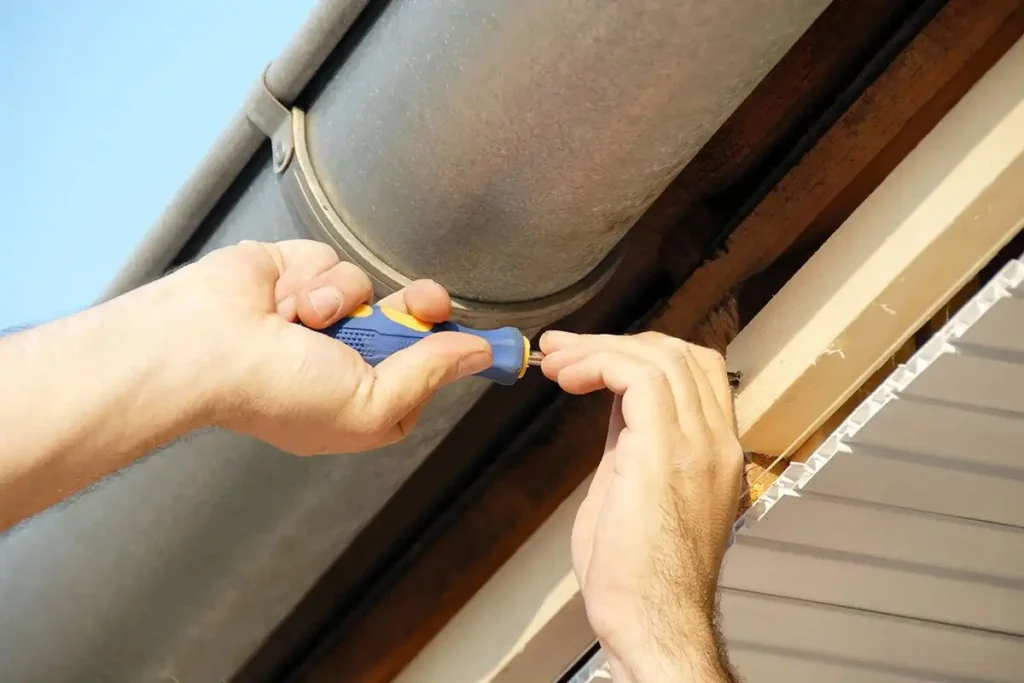
- Gutter and downspout work: improves drainage and protects fascia and foundations.
- Storm or emergency response: temporary dry-in measures until permanent repairs are scheduled.
When you compare bids, look for the same scope across each option. As a result, If one proposal “includes everything” but doesn’t list components, ask for the details in writing so you can compare apples to apples.
Common Planning Mistakes That Cost More Later
- Choosing a bid that skips flashing or ventilation details to look cheaper.
- Approving vague wording like “repair as needed” without a defined change-order method.
- Not confirming who protects landscaping, moves debris, and runs nail-magnet cleanup.
- Skipping attic review when heat, moisture, or musty smells suggest ventilation issues.
- Assuming permits aren’t needed; rules vary by city and county in California.
- Paying for a roof without receiving warranty paperwork and product documentation.
ROI And Resale Priorities (Practical)
A roof rarely “adds value” the way a kitchen does, but it can remove big objections during a home sale. Meanwhile, In practice, buyers and inspectors focus on leak risk and visible workmanship, so prioritize details that reduce inspection red flags.
- Prioritize watertight details: valleys, penetrations, and wall intersections.
- Replace rotten fascia or damaged decking where discovered, and document the repair.
- Choose a material profile and color that fits the home; it boosts curb appeal without overspending.
- Keep records: photos, permits (if pulled), product names, and warranty terms.
Scope Options (Refresh Vs Full Remodel)
Roof work typically falls into two buckets. For this reason, A “refresh” focuses on repairs and preventive upgrades, while a “full remodel” means replacing the roof system so you can reset the clock on performance and reduce recurring leak risk.
Refresh (Repairs + Tune-Up)
This route fits when the roof is generally serviceable and the problem is isolated.
- Leaks trace to a small area (for example, one vent boot or a short section of flashing).
- Shingles or tiles show limited damage, not widespread brittleness or granule loss.
- You want a near-term fix while you plan a replacement later.
- You understand a repair won’t make an older roof “new.”
Full Replacement (New Roofing System)
This approach makes sense when age, repeated leaks, or widespread wear point to systemic failure.
- The roof has multiple leak points or prior patchwork that keeps returning.
- You need to inspect the decking and correct hidden damage.
- You want consistent appearance and a single warranty set for the whole roof.
- You’re upgrading materials (for example, moving from basic shingles to architectural shingles or metal).
Key Decisions At A Glance
| Decision | What it affects | Questions to ask |
|---|---|---|
| Repair vs replace | Cost, longevity, risk | What failed, and will the fix address the cause? |
| Tear-off vs overlay | Weight, inspection access | Will you inspect decking and replace damaged sections? |
| Material choice | Looks, durability, upkeep | Which product line, color, and ventilation details are specified? |
| Flashing and ventilation | Leak resistance, attic health | How will you detail valleys, walls, chimneys, and roof penetrations? |
If you want a second set of eyes on your options, call +1 (916) 234-6696 and ask for a written estimate you can compare line by line.


Materials And Finish Selections For Roofing Business
Materials drive cost, curb appeal, and maintenance. In California, you also need to consider roof slope, weight on the structure, and fire-rating requirements that may apply in your area. Additionally, A roofing business that plans to stand behind the job will specify the “hidden” components up front, not only the top layer you see from the street.
Pros, Cons, And Fit
Use these comparisons to guide the conversation during your estimate.
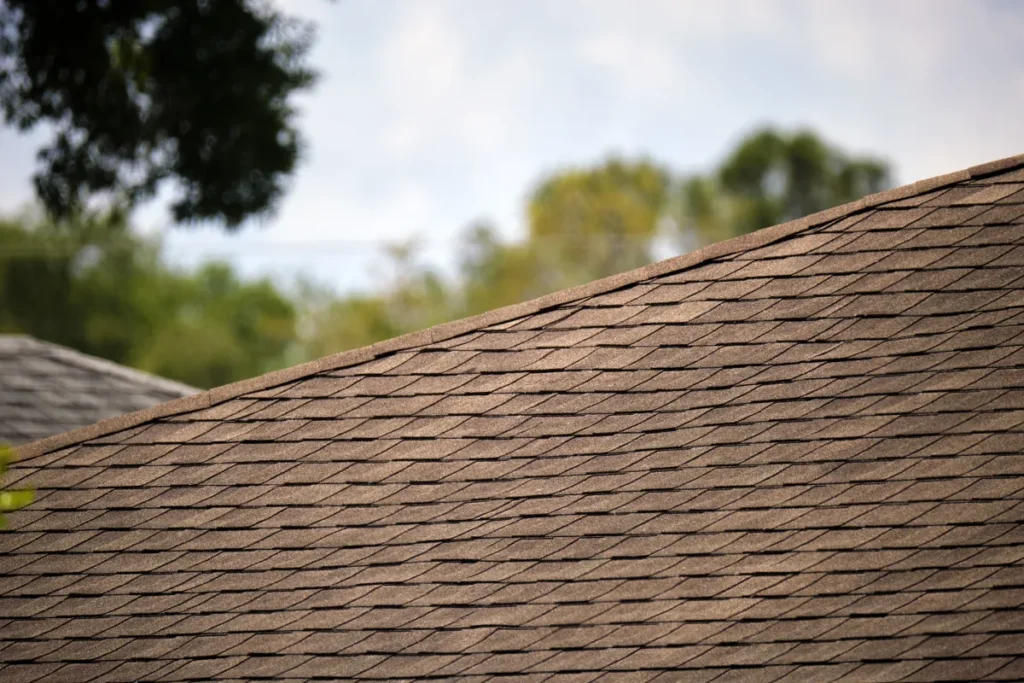
- Asphalt composition shingles: common, cost-effective, and available in many colors. Also, Architectural styles usually look thicker and can hide minor roof-plane variation better than basic 3-tab shingles.
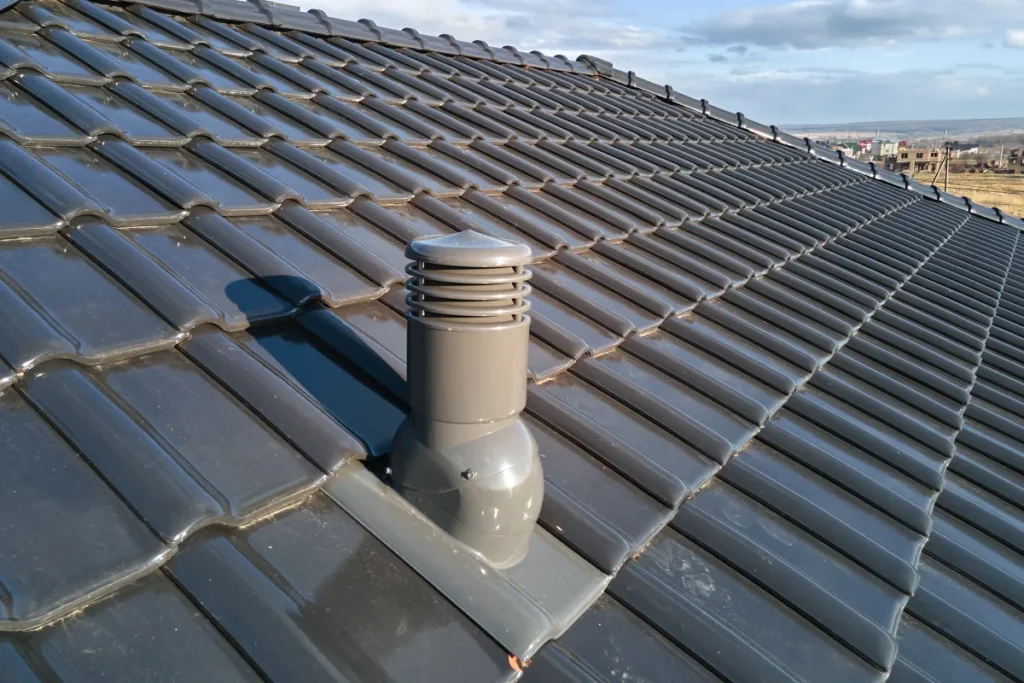
- Concrete or clay tile: long service life and strong curb appeal. Overall, Tile is heavier, so the contractor should confirm the roof structure and detail underlayment and flashings carefully.
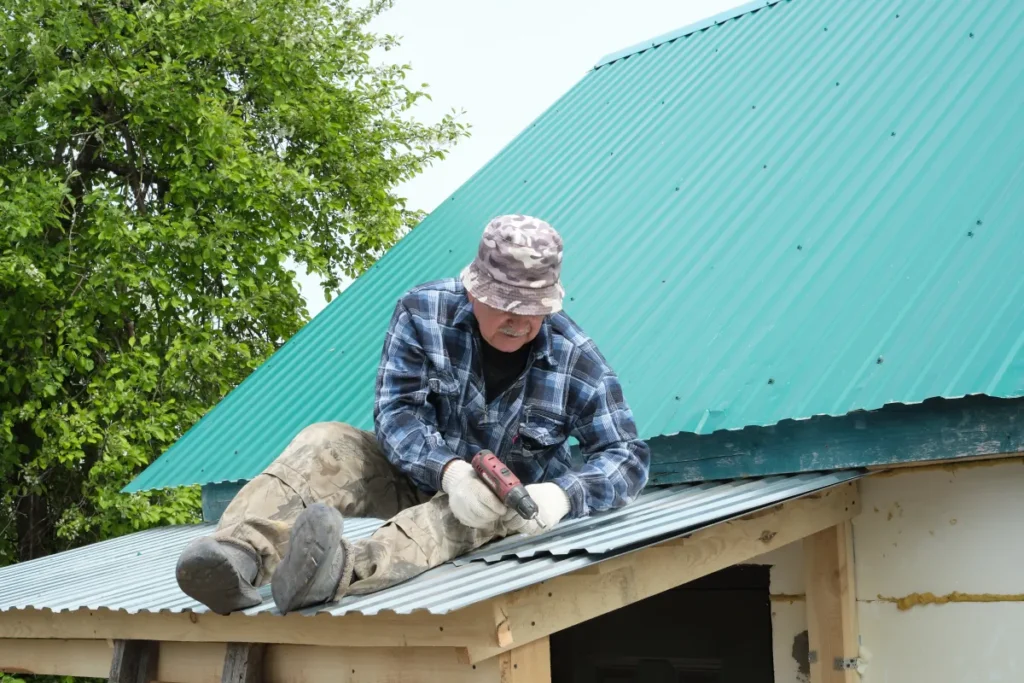
- Metal roofing: lightweight and durable with modern profiles. In addition, Ask about underlayment, noise considerations, and how they handle expansion and fastener details.
- Low-slope membranes (for flat areas): often used for patio covers or sections with minimal pitch. In addition, The details at transitions and drains matter as much as the membrane itself.
Finish Details That Make Roofs Last
- Underlayment: the water-shedding layer beneath the main material; confirm type and coverage areas.
- Flashing: metal at valleys, walls, chimneys, skylights, and vents; ask what gets replaced versus reused.
- Drip edge: helps manage water at eaves and rakes and supports clean shingle edges.
- Ventilation: balanced intake and exhaust supports temperature and moisture control in the attic.
- Fasteners: correct length and placement reduce blow-offs and callbacks.
- Gutters and drainage: water management protects fascia, siding, and foundations.
Bring a couple of exterior photos and, if you have them, prior roof paperwork. Meanwhile, Even so, the contractor should verify everything on site before final pricing.
Timeline And Site Disruption (Typical)
Most roof projects move fast once work starts. As a result, Scheduling, materials lead times, and permits (when required) can stretch the calendar, so plan ahead if you’re coordinating movers, painters, or other exterior work.
Inspection Through Final Sign-Off
- On-site inspection: the roofer documents the roof condition, takes measurements, and checks penetrations and attic ventilation.
- Written estimate: you receive a defined scope, specified materials, and clear exclusions so you can compare proposals.
- Permits and planning: when the job needs a permit, the contractor confirms requirements and schedules inspections.
- Jobsite setup: delivery planning, protective covering, and a clear path for debris and materials.
- Removal and deck prep: tear-off (if included), sheathing inspection, and correction of damaged areas discovered.
- Installation: underlayment, flashings, vents, and the main roofing material go on in the correct sequence.
- Cleanup and walkthrough: magnet sweep, debris removal, photo documentation, and a final review of details.
Budget Ranges & Timeline (Typical)
- Budget: minor repairs can be hundreds, while full replacements often move into five figures depending on size and material.
- On-site work: repairs may take a day; replacements commonly take a few days once started.
- Lead times: specialty materials and color choices can add wait time before installation.
- Permits/inspections: timing varies by jurisdiction and can affect start dates.
Keeping Your Home Organized During The Job
- Move vehicles out of the driveway so crews can stage materials and remove debris safely.
- Store patio furniture, grills, and potted plants away from eaves where materials may fall.
- Cover items in the attic if you store belongings there; vibrations can shake dust loose.
- Plan for noise during tear-off hours and keep pets inside or in a quiet room.
- Ask where the dumpster will sit so you can protect gates, sprinklers, and walkways.
- Request a daily cleanup plan so nails and debris don’t drift into your yard.

How To Get Started In Sacramento
US Construction & Remodeling Corp. For example, supports Sacramento homeowners with roof inspections, repair-or-replace guidance, and written estimates that spell out materials and workmanship details.
Request a written roofing estimate, or call +1 (916) 234-6696. Also, When you reach out to a roofing business, having a few basics ready speeds up pricing and keeps the scope clear.
What To Prepare Before You Request Pricing
- Your address and any access notes (gated yard, steep driveway, pets).
- Approximate roof age and any known leak history.
- Photos of problem areas inside and outside, if available.
- Your preferred material type (shingle, tile, metal) and color direction.
- Whether you want a repair, a full replacement, or pricing for both options.
- Any planned work that touches the roof (gutters, skylights, HVAC vents).
Sacramento Permitting And Inspections (Local Note)
Across California, permit requirements depend on scope. As a result, In Sacramento, many building permit applications and plan review updates run through the city’s online permitting system (Accela Citizen Access), so expect digital paperwork and status tracking for permitted scopes.
- Ask the contractor to confirm whether your project needs a permit and who will pull it.
- Request the permit number once it’s issued so you can track progress if you want.
- Plan for inspections when required; they can influence start and finish dates.
Trust And Verification Checklist
- Verify the contractor’s license status and classification through the state, and confirm active insurance.
- Get a scope that lists the material brand/product line, underlayment type, and flashing approach.
- Confirm who handles permits and inspection scheduling when the project requires it.
- Set communication expectations: daily updates, a single point of contact, and how changes get approved in writing.
- Ask how they protect landscaping, where debris goes, and how they handle nail cleanup.
- Review warranty terms in writing, including what’s covered and what maintenance is expected.
- Request photo documentation of critical details before the final payment.
Hypothetical Before-And-After Snapshot
Hypothetical example: A homeowner notices a ceiling stain after heavy rain. For this reason, The inspection traces the leak to worn flashing at a vent and a vulnerable valley detail. Overall, The completed work replaces the failing flashing, reinforces underlayment at the valley, and restores clean shingle alignment—plus the homeowner receives photos and a written summary for their records.
Related Projects To Consider
Roof work often reveals adjacent needs. For example, Bringing them up early helps you avoid piecemeal fixes and mismatched finishes.
- Gutter replacement or gutter guard installation for better drainage.
- Skylight replacement or re-flashing when skylights are near the end of their service life.
- Attic insulation and ventilation improvements to support moisture control.
- Fascia and soffit repairs where wood has softened from past leaks.
- Chimney cap and masonry waterproofing to reduce water entry points.
Business Details
- Company: US Construction & Remodeling Corp.
- Phone: +1 (916) 234-6696
- Website: https://usconstructioncali.com/
Helpful Links
Frequently Asked Questions
A usable written estimate should do more than give a total. Look for a defined scope and enough detail to compare apples to apples.
- Material type and product line (shingle/tile/metal, underlayment, vents, flashings)
- Tear-off vs overlay, and how damaged decking is handled
- Site protection and debris disposal plan
- Schedule assumptions (start window, working hours, inspection dependencies)
- Warranty terms and how issues get reported
Start with the cause, not the symptom. A repair works when the roof is mostly sound and the leak source is isolated; replacement makes sense when wear is widespread or the roof has multiple failures.
- Choose repair when the damage is limited and the roof still has useful life.
- Choose replacement when you see repeated leaks, widespread cracking, or heavy deterioration.
- If you’re unsure, ask for photos and a written explanation of what failed and why.
Pricing depends on size and complexity. These factors usually move the number the most:
- Roof area and pitch (steeper roofs take longer and require more safety setup)
- Material choice and accessory components (vents, flashings, ridge cap)
- Tear-off needs and disposal volume
- Deck repairs found after removal
- Permit and inspection requirements for your jurisdiction
Many repairs finish in a day once scheduled. A full replacement often takes a few working days on site, plus lead time for materials and any permit steps. Weather can also shift the calendar, especially during rainy periods.
It depends on scope, but many reroof and structural changes require permits. Sacramento commonly manages building permit applications and tracking online through Accela Citizen Access. Ask your contractor to confirm what applies to your address and whether they will handle the permit and inspections.
Match the material to the home and the roof structure. Shingles are versatile and cost-effective; tile offers strong curb appeal but adds weight; metal provides a sleek look with long service life. Your roofer should confirm slope, weight, and detailing needs before you decide.
Use a quick checklist so you’re not relying on gut feel.
- Verify license and insurance, and confirm the classification fits roofing work
- Ask for a written scope that specifies materials and critical details (flashing, ventilation)
- Confirm who pulls permits when needed and how changes get approved in writing
- Get a cleanup plan and a final walkthrough before the last payment
Licensed, insured & trusted local contractor
US Construction & Remodeling Corp.
9821 Business Park Dr, Sacramento, CA, 95827
Phone: +1 (916) 234-6696
CSLB License #: 1117562 Fully licensed and insured.
Related service
Looking for a step-by-step overview before you choose materials? Read Roofing Remodeling (Landing Page).