Bathroom Ideas for California Homes: Layout, Materials & Value
Scrolling inspiration boards is fun, but when you're collecting bathroom ideas, the real win is a plan that fits your space, plumbing locations, and daily routine. This California guide keeps the design side strong while staying realistic about budget and timing.
Quick checklist:
- Define the scope and prioritize daily function (shower, storage, ventilation).
- Confirm what trade work is involved (plumbing, electrical, drywall) and the order of work.
- Choose finishes that hold up in wet areas and are easy to clean.
- Collect 2–3 quotes and compare line-by-line (scope, allowances, cleanup, warranty).
- Decide what needs to be ordered first (tile, fixtures, vanity) to keep the schedule moving.
TL;DR: Start with layout and clearances, choose durable wet-area surfaces, and invest in lighting and storage you'll use every day. To map your timeline and next steps before you buy materials, book a planning call or call +1 (916) 234-6696.
- Measure walls, windows, and door swings
- Decide tub vs. shower (and who uses it)
- Pick one or two durable wet-zone finishes
- Choose a vanity size that supports storage
- Plan layered lighting: ambient, task, accent
- Confirm ventilation, outlets, and GFCI locations
Materials, Layout, And Long-Term Value For Bathroom Ideas
| Decision | Why it matters | Quick check |
|---|---|---|
| Wet-area finishes | Wet zones need durable, easy-clean surfaces. | Choose materials rated for bathrooms and simple maintenance. |
| Ventilation | Helps prevent humidity and long-term damage. | Confirm fan sizing and vent routing. |
| Layout | Good layout improves daily usability. | Verify clearances and door swings. |
| Budget control | Keeps scope creep from blowing up the price. | Use allowances and a written change-order process. |
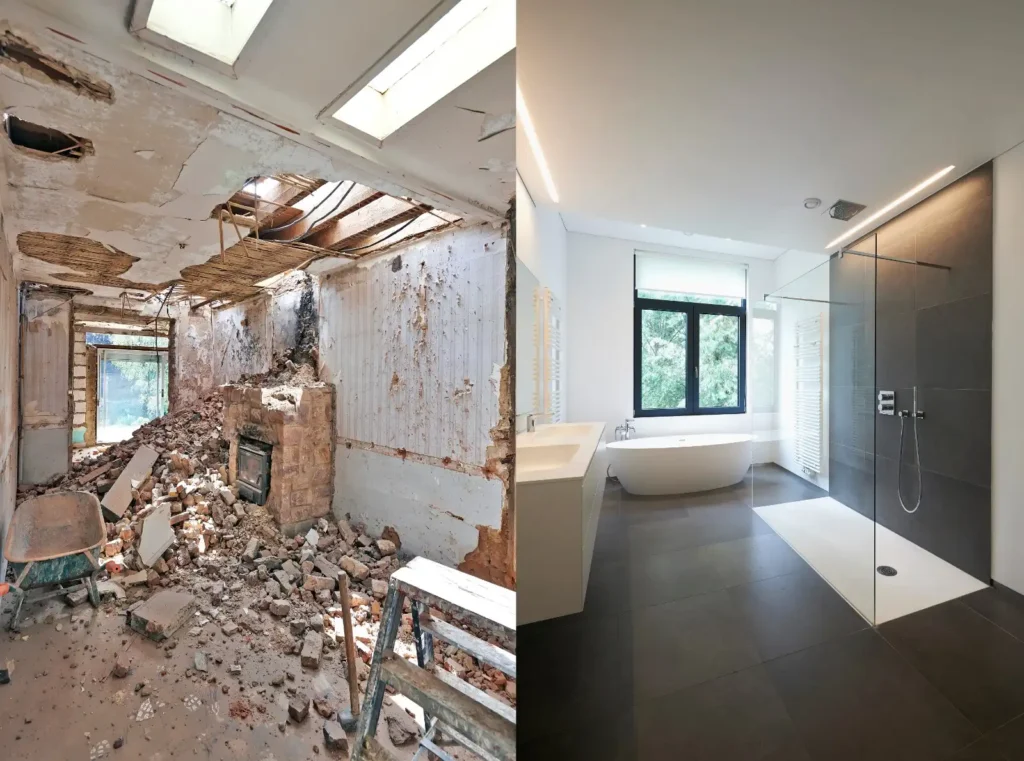
- Swap a bulky tub for a walk-in shower with a low curb (when the layout allows).
- Use large-format porcelain on shower walls to reduce grout lines and simplify upkeep.
- Choose a vanity with deep drawers so daily items stay organized and off the counter.
- Add a recessed medicine cabinet to gain storage without taking up floor space.
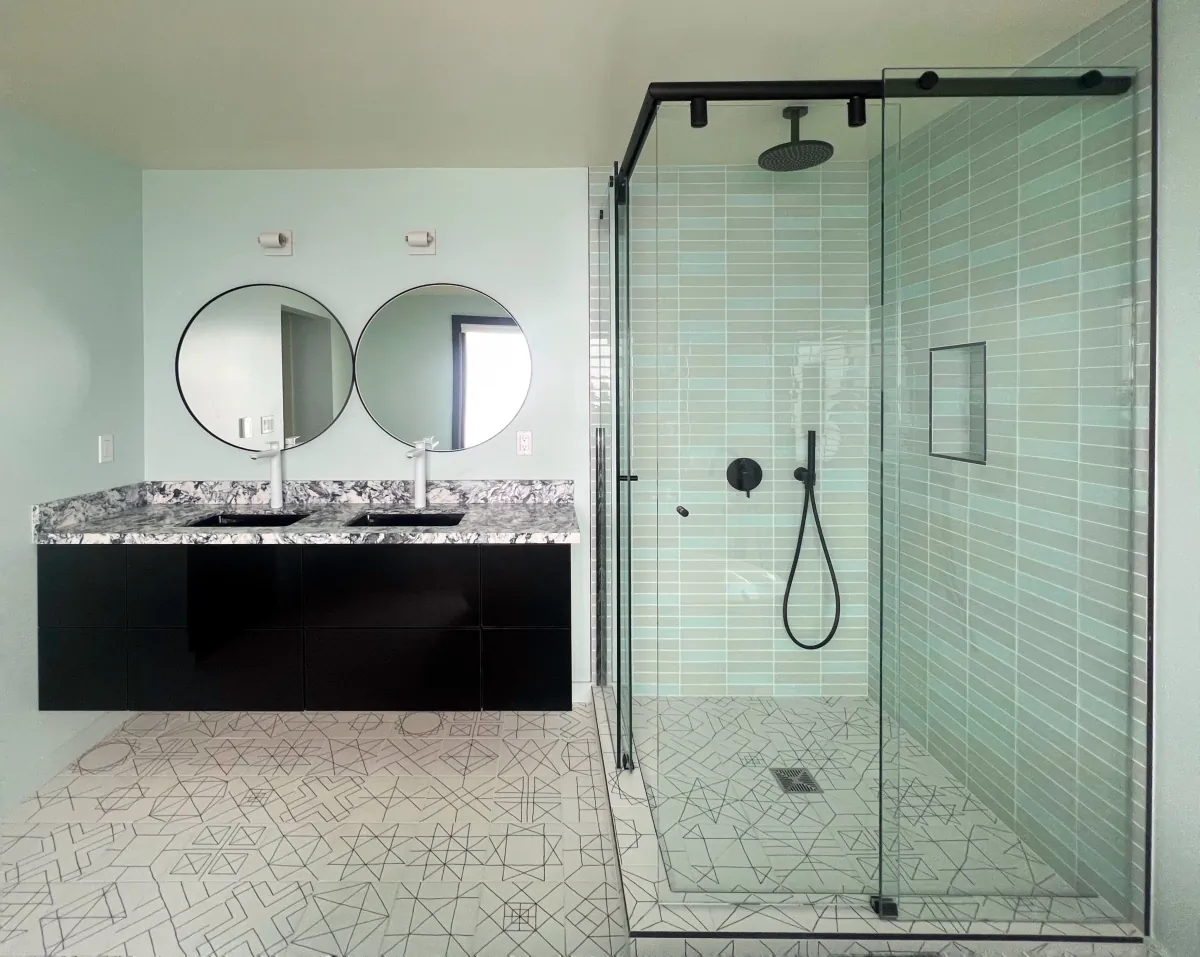
- Use a frameless glass panel for a cleaner sightline in smaller bathrooms.
- Specify slip-resistant floor tile with texture, also especially near the wet zone.
- Keep the palette disciplined: one main tile, one accent, one metal finish.
- Upgrade mirror lighting with vertical sconces or a wide bar to reduce shadows.
- Build a shower niche or ledge at elbow height so bottles don't sit on the floor.
- Plan towel and robe hooks near the shower so the room works on busy mornings.
If your bathroom feels dark, cramped, or hard to keep organized, pick a direction you can live with for years, not just a season. Additionally, The goal is simple: make everyday use easier, keep surfaces durable, and avoid choices that look great online but age poorly in moisture.
Storage That Keeps Counters Clear
Storage solves more day-to-day frustration than another accent tile. As a result, Aim for easy access, fewer “junk zones,” and a place for every routine item.
- Prioritize drawers over doors for toiletries and hair tools.
- Add a slim linen tower or tall cabinet if wall space allows.
- Use a recessed niche in the shower plus a second small niche for razors/soap.
- Include an outlet inside a drawer or cabinet for charging (as allowed by code).
- Choose a mirror cabinet when the wall cavity depth and framing make sense.

Layout Planning And Everyday Usability For Bathroom Ideas
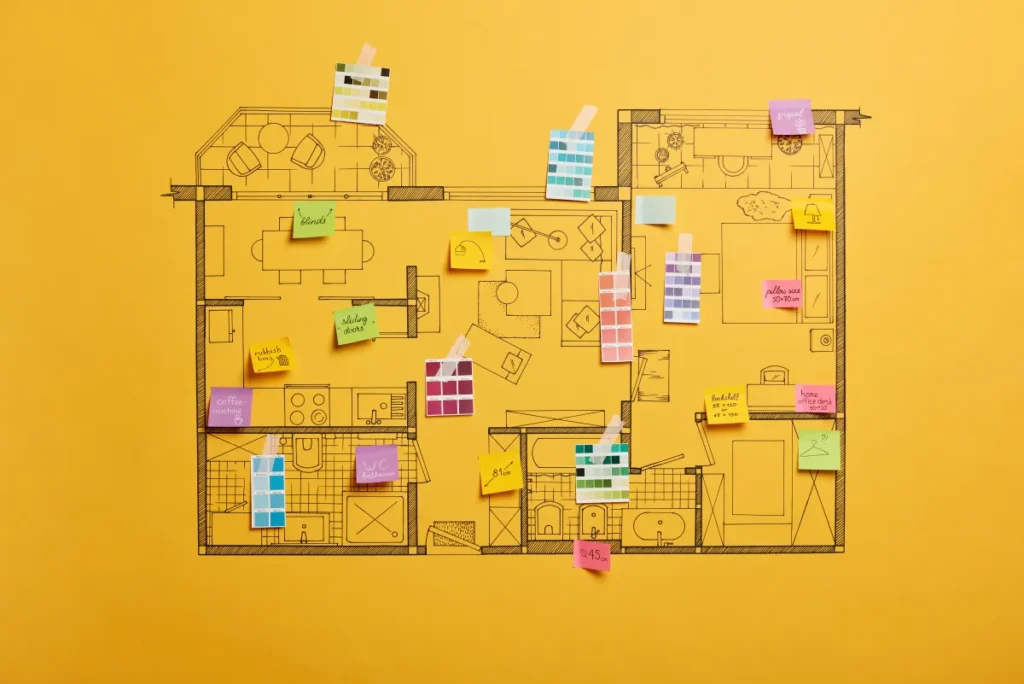
Great bathrooms start with what you can't see in photos: clearances, door swings, and where the “wet wall” can realistically sit. For this reason, Lock in the layout before you fall in love with a vanity that doesn't fit, or a shower size that blocks the toilet.
Layout Shapes That Translate Well To Bathrooms
Even though bathrooms are smaller than kitchens, you can still think in familiar shapes. Meanwhile, The trick is to protect circulation and keep the wet area contained.
- Galley: fixtures on two opposite walls with a walkway down the middle; works well in long, narrow baths.
- L-shape: fixtures wrap one corner (for example, vanity on one wall and shower on the adjacent wall); creates a natural wet/dry separation.
- U-shape: fixtures on three sides; best when you have enough width to avoid feeling boxed in.
- Island-centered: rare in bathrooms, but possible in large primary suites where a freestanding tub or vanity sits as a centerpiece; allow generous clearance on all sides.
Small-Space Layouts That Feel Bigger
- Use a pocket door or an outswinging door when feasible to reclaim floor area.
- Choose a single sink with more counter space instead of a cramped double vanity.
- Consider a shower with a fixed glass panel instead of a swinging door.
- Run the same floor tile into the shower (where appropriate) to reduce visual breaks.
- Mount accessories on walls (towel bars, hooks, toilet paper) to keep surfaces open.
Selections That Stay Coherent (And Easy To Live With)
Once the layout works, your finishes can do their job: make the room feel clean, bright, and consistent. Also, Keep “busy” patterns to one surface and let everything else support it.
- Cabinet door styles: Shaker reads classic and flexible; slab feels modern; raised-panel leans traditional and can feel heavier in small baths.
- Countertop options: quartz offers durability and consistent color; granite brings natural variation; solid surface keeps seams subtle; porcelain slabs give a crisp, modern look.
- Flooring choices: porcelain tile is a workhorse; luxury vinyl can feel warmer underfoot; natural stone looks premium but needs more care.
- Layered lighting: use ambient light for overall brightness, task light at the mirror for grooming, and accent light (like a shower light or toe-kick glow) for depth.

Materials That Hold Up (Pros/Cons)
Based in Sacramento, US Construction & Remodeling Corp. For example, helps homeowners in many California markets turn bathroom ideas into a buildable plan, then align material selections with the schedule. Book a planning call to talk timeline and next steps, or call +1 (916) 234-6696.
What To Look For
- Plywood boxes: strong and stable; often a solid “middle ground” for durability.
- MDF panels: smooth for painted finishes; can swell if water sits on edges, so detailing matters.
- Solid wood: attractive; can expand/contract with humidity, so construction quality matters.
Regardless of box material, drawers usually beat doors for daily use. Soft-close hardware also reduces wear over time.
Durability Vs. Character
- Quartz: consistent appearance and good stain resistance; avoid harsh heat directly on the surface.
- Granite: natural movement and strong heat tolerance; sealing needs vary by slab.
- Solid surface: integrated look and repairable; can scratch more easily than stone.
- Porcelain: sleek and heat friendly; edges and fabrication details make or break the final look.
Shower Walls And Wet-Zone Surfaces
- Porcelain tile: huge style range; grout selection and installation quality control long-term performance.
- Solid-surface panels: fewer seams and a clean look; style choices can be more limited.
- Acrylic surrounds: budget-friendly and fast; may not match higher-end design goals.
For floors, look for slip resistance and texture. Also, choose a grout color that fits your tolerance for maintenance, not just the photo you saw online.
Frequently Asked Questions
Start with layout and clearances, then pick wet-zone surfaces (shower walls, pan, floor). After that, choose the vanity size and storage, and finish with lighting and accessories. This order prevents expensive rework.
Base the decision on who uses the bathroom and how long you plan to stay. A tub can matter for families, while a walk-in shower often improves daily usability for adults. If space is tight, a well-planned shower with smart storage can feel like an upgrade without growing the footprint.
Sometimes. If you change plumbing, electrical, ventilation, or structural elements, many jurisdictions require permits and inspections. Requirements vary by city or county, so confirm early as part of planning.
Porcelain tile is the most common choice for durability and water resistance. Luxury vinyl can feel warmer underfoot, while natural stone can look premium but may require more care. Prioritize slip resistance and choose grout and texture with maintenance in mind.
Use vertical space and recessed storage first.
- Choose a vanity with drawers
- Add a mirrored cabinet or recessed medicine cabinet
- Include a shower niche or ledge
- Use hooks and wall-mounted accessories
Many bathrooms take about 3–6 weeks of on-site work, depending on tile scope, plumbing changes, and inspections. Planning and material lead times can add time before the start date, so it helps to select key items early.