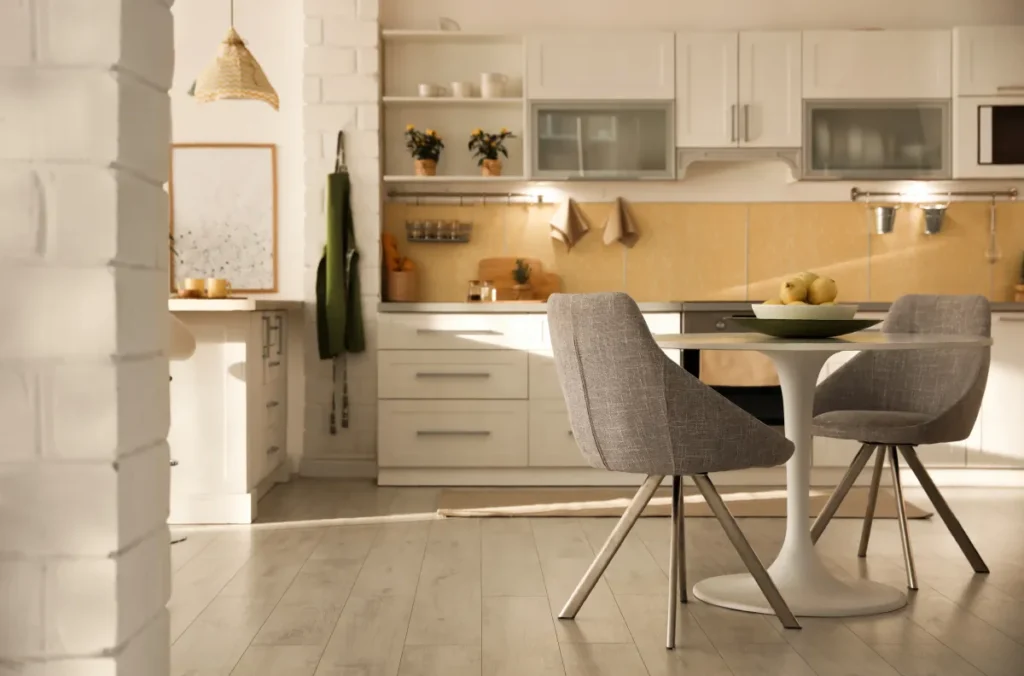

Construction jobs guide | US Construction & Remodeling
Home remodeling can involve dozens of “construction jobs” at once—demo, framing, trades, finishes—and the order matters as much as the workmanship.
Quick checklist:
- Define the scope and your must-have outcome (performance, budget, timeline).
- Confirm what work is involved and the order of operations.
- Finalize measurements and key selections before ordering long-lead materials.
- Collect 2–3 quotes and compare line-by-line (scope, allowances, cleanup, warranty).
- Create a simple schedule and pre-order the items that most often cause delays.
TL;DR: Treat your remodel like a sequence of work packages, not a single event. When you lock the scope early and line up materials before demolition, you cut surprises and keep decisions simple.
- Write the scope in plain language (rooms, sizes, key features).
- Decide what changes the layout (and what stays put).
- Pick long-lead materials before the start date (cabinets, tile, fixtures).
- Confirm who pulls permits and schedules inspections where required.
- Plan access, dust control, and a daily work window.
- Agree on how changes get priced and approved in writing.
Construction Jobs For Homeowners: A Practical Overview
| Decision | Why it matters | Quick check |
|---|---|---|
| Scope | Defines what is included and prevents surprises. | Write a line-item scope and allowances list. |
| Site constraints | Access and hidden conditions can change the plan. | Check access and existing surfaces before work starts. |
| Selections | Long-lead items can drive the schedule. | Confirm availability before starting. |
| Permits | Some scopes require approvals and inspections. | Ask your city/county what applies to your project. |
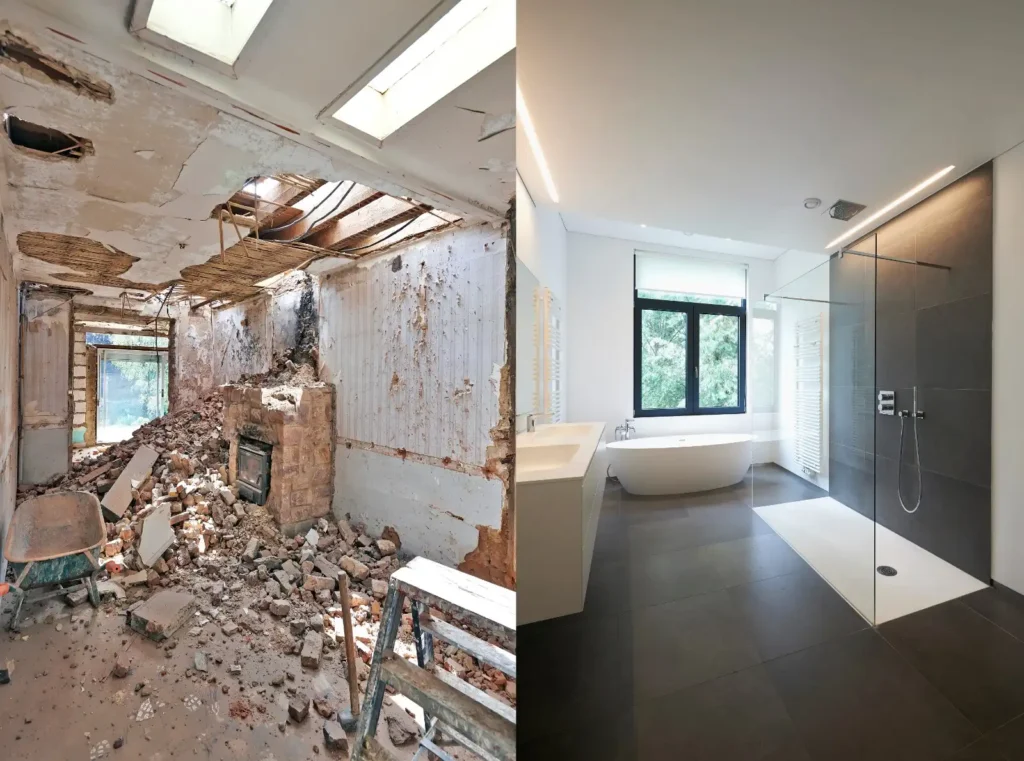
If you’re hiring for a remodel, “construction jobs” usually means the coordinated tasks and trades that turn a plan into a finished space. Overall, The key is sequencing: demolition can’t outpace ordering, and finishes can’t start until rough work passes inspection.
Jobs That Often Need Trade Coordination
- Selective demolition and haul-away
- Framing changes (openings, headers, blocking)
- Plumbing rough-in and fixture set
- Electrical rough-in and device/fixture install
- HVAC adjustments and ventilation upgrades
- Drywall repair, also texture, and paint prep
- Cabinet installation and trim carpentry
- Countertop templating and install
- Tile waterproofing, setting, and grouting
- Finish paint, hardware, and final punch list
Some small tasks fit a handyman. For example, Once you move plumbing, touch structural framing, or coordinate multiple trades, a contractor-run plan saves time because everyone works from the same schedule and drawings.
Bid Details That Help You Compare Apples-To-Apples
- Clear scope summary with exclusions called out
- Selection list for cabinets, countertops, tile, and fixtures (or placeholders with ranges)
- Who supplies materials vs who installs them
- Work-hour expectations and jobsite protection plan
- Payment milestones tied to completed phases
- How changes are priced and approved in writing
- Who handles permits and inspection scheduling when required
If you want a baseline for your conversations, start with the overview of our home remodeling services and bring a written wish list to your estimate meeting.


Planning And Scope Decisions
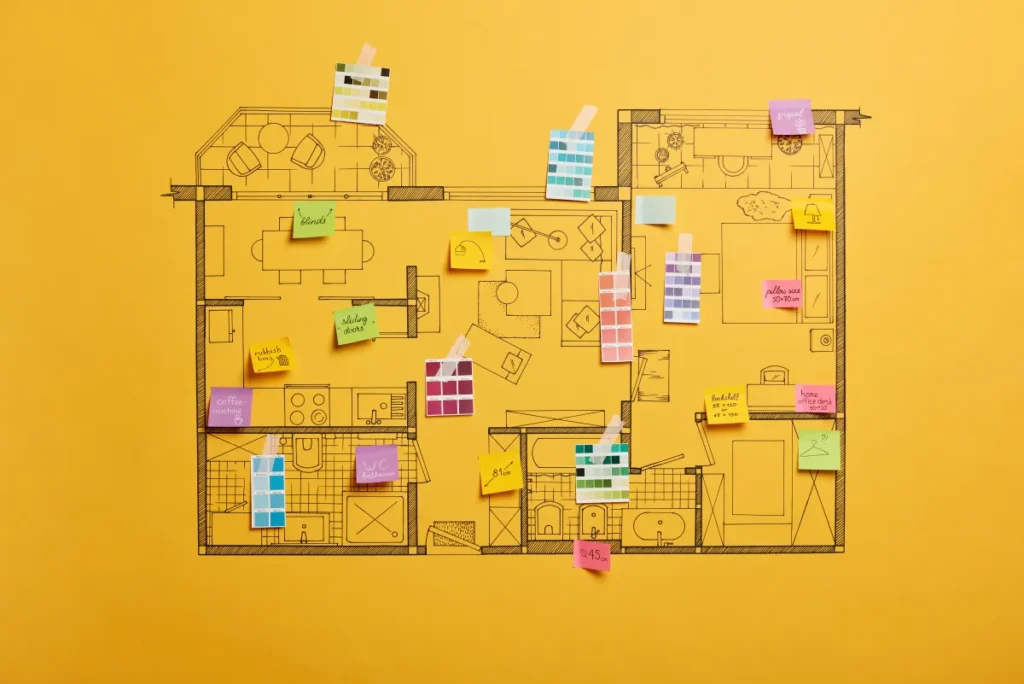
Planning drives almost every cost and schedule outcome. When you decide what stays and what moves, you also decide which trades show up and how many inspections you’ll need.
Layout Planning That Supports The Build
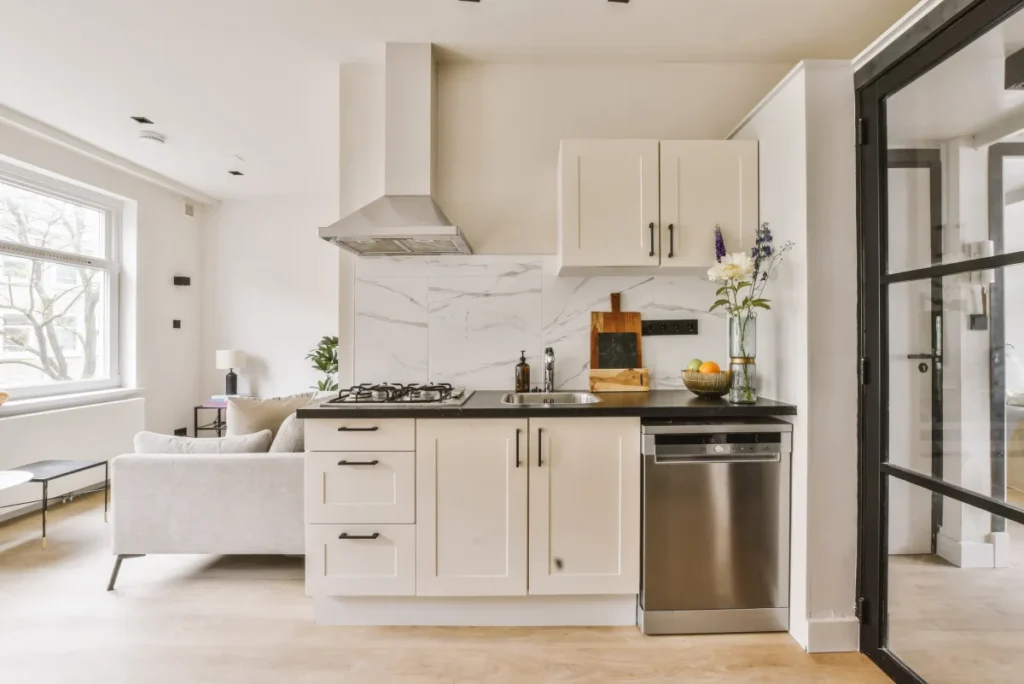
Kitchen layouts usually fall into a few patterns: galley, L-shape, U-shape, or an island-centered plan. Additionally, Choose based on clearances, traffic flow, and where the sink, range, and refrigerator can live without forcing long plumbing or electrical runs.
- Galley: Efficient for narrow rooms; prioritize continuous counter space and task lighting.
- L-shape: Opens sightlines; add a peninsula if you want seating without a full island.
- U-shape: Maximizes storage; keep a comfortable aisle so two people can work.
- Island-centered: Great for prep and gathering; confirm walkway clearances before committing.
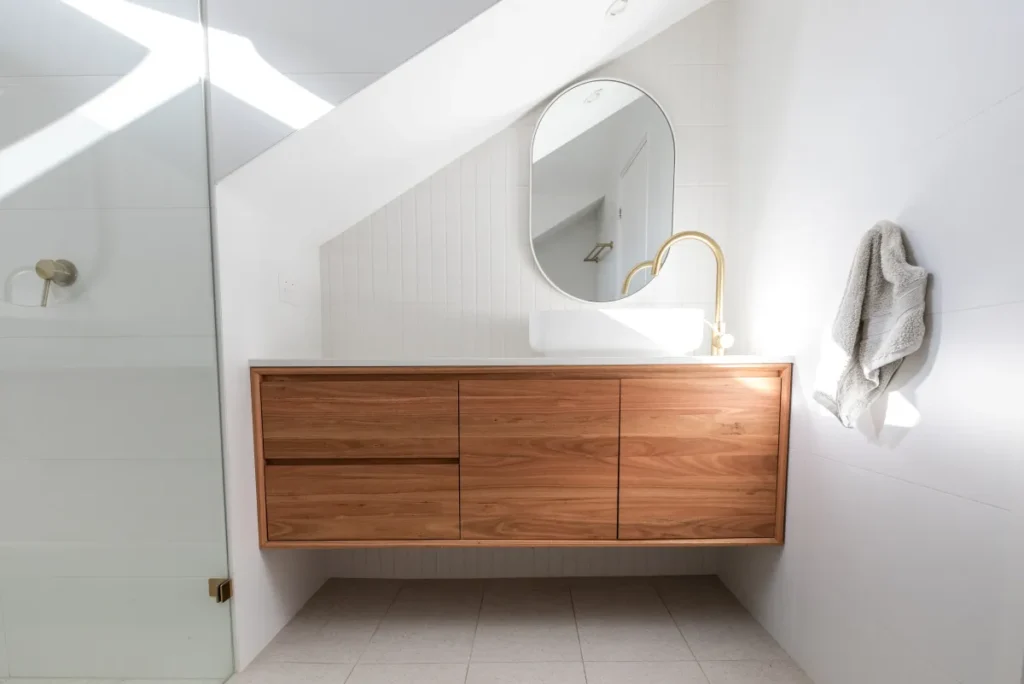
Bathroom planning works the same way. Also, A walk-in shower can save space and improve access, while a tub/shower combo may fit better for families. For example, Door swings, vanity depth, and storage niches often matter more than adding square footage.
Small-Space Layouts That Still Feel Open
- Use a pocket or out-swing door where feasible to free up floor area.
- Choose a wall-mounted or narrower vanity to widen the walking path.
- Put tall storage over the toilet or in a recessed cabinet instead of a bulky linen tower.
- In a small kitchen, add a tall pantry cabinet rather than extra lowers that crowd the aisle.
ROI And Resale Priorities
Resale impact depends on your neighborhood and price point, but the same fundamentals tend to win: durable finishes, strong lighting, good storage, and a layout that feels easy to use. As a result, If you’re split between two directions, invest in the invisible work (waterproofing, ventilation, electrical capacity) and keep visible finishes more neutral.
Design choices also affect maintenance. For this reason, Shaker and slab cabinet doors clean quickly, while raised panels collect more dust. For countertops, quartz offers low upkeep, granite handles heat well, and laminate keeps costs down for rental-style refreshes. Flooring choices like porcelain tile and quality LVP can handle moisture, although each has a different feel underfoot. Layer lighting with ambient (general), task (work areas), and accent (features) so the space works day and night.

Material Choices And Lead Times
US Construction & Remodeling Corp. In addition, helps homeowners plan construction jobs around real material lead times, so trades don’t stall while you wait on cabinets, tile, or special-order fixtures.
Schedule a free estimate online and we’ll review your scope, selections, and a realistic start window. Prefer a call? Meanwhile, Reach us at +1 (916) 234-6696.
Make The Long-Lead Picks Early
Many delays come from late selections. Also, Make these decisions before demolition whenever possible:
- Cabinets: Stock moves faster; semi-custom offers better sizing; full custom fits unusual rooms but often takes longer.
- Door styles: Shaker suits most homes; slab reads modern and cleans easily; raised panel adds depth but needs more upkeep.
- Countertops: Quartz is consistent and low-porosity; granite tolerates heat; solid-surface can be repaired; laminate is budget-friendly for lighter use.
- Tile: Large-format can reduce grout lines; mosaics add grip and detail but take more labor; confirm slip rating for floors.
- Flooring: Porcelain tile handles water well; engineered wood offers warmth; quality LVP works for many households when installed over a flat subfloor.
- Fixtures: Match valve bodies and trim kits; order shower drains, niches, and specialty trim early for waterproofing continuity.
Lead-Time Reality Check (How To Shop Smarter)
Order the locked-in items first: cabinets, countertops, custom glass, and specialty tile. Overall, Keep a backup option for anything on backorder. Also confirm delivery logistics—some products require someone on-site to receive them, and oversized pallets need a clear drop zone.
Maintenance Tips That Protect The Investment
- Use pH-neutral cleaners on stone and quartz; avoid abrasive powders on polished finishes.
- Seal natural stone and cementitious grout when the manufacturer recommends it.
- Keep shower corners and countertop seams caulked; re-caulk when you see gaps or mildew.
- Wipe down fixtures after heavy use to reduce spotting and mineral buildup.
Frequently Asked Questions
For homeowners, construction jobs usually means the bundled tasks and trades needed to complete a remodel—demo, framing, plumbing, electrical, drywall, cabinets, tile, paint, and finishing.
The important part is coordination. The right sequence prevents rework and keeps inspections, deliveries, and trades aligned.
Sometimes. Permit needs depend on the scope (for example, structural changes or major trade work) and the local city or county rules.
A contractor should explain what typically triggers permits and who will handle permit and inspection coordination for your specific scope and address.
Cost usually moves with scope and complexity. The biggest drivers often include:
- Layout changes that relocate plumbing or electrical
- Structural modifications (walls, openings, headers)
- Custom cabinetry and specialty finishes
- Tile complexity (format, pattern, niches, waterproofing details)
- Unexpected conditions found during demolition
Lock selections early, keep one decision-maker, and approve changes in writing with schedule impact noted.
confirm delivery windows before demolition so the job doesn’t pause waiting on long-lead items.
Start with long-lead items that dictate sequencing: cabinets, countertops (templating depends on cabinets), specialty tile, custom glass, and certain fixtures that require specific rough-in valves or drain assemblies.
After that, paint colors, hardware, and accessories can stay flexible without stopping progress.
Choose based on clarity and accountability, not just price. Look for a written scope, a realistic phase plan, a clear change-order approach, and steady communication.
Before you sign, verify licensing and insurance, and confirm who coordinates permits and inspections when the project needs them.
Frequently Asked Questions
For homeowners, construction jobs usually means the bundled tasks and trades needed to complete a remodel—demo, framing, plumbing, electrical, drywall, cabinets, tile, paint, and finishing.
The important part is coordination. The right sequence prevents rework and keeps inspections, deliveries, and trades aligned.
Sometimes. Permit needs depend on the scope (for example, structural changes or major trade work) and the local city or county rules.
A contractor should explain what typically triggers permits and who will handle permit and inspection coordination for your specific scope and address.
Cost usually moves with scope and complexity. The biggest drivers often include:
- Layout changes that relocate plumbing or electrical
- Structural modifications (walls, openings, headers)
- Custom cabinetry and specialty finishes
- Tile complexity (format, pattern, niches, waterproofing details)
- Unexpected conditions found during demolition
Lock selections early, keep one decision-maker, and approve changes in writing with schedule impact noted.
confirm delivery windows before demolition so the job doesn't pause waiting on long-lead items.
Start with long-lead items that dictate sequencing: cabinets, countertops (templating depends on cabinets), specialty tile, custom glass, and certain fixtures that require specific rough-in valves or drain assemblies.
After that, paint colors, hardware, and accessories can stay flexible without stopping progress.
Choose based on clarity and accountability, not just price. Look for a written scope, a realistic phase plan, a clear change-order approach, and steady communication.
Before you sign, verify licensing and insurance, and confirm who coordinates permits and inspections when the project needs them.