
Dry Rot / Siding Repair Estimator Calculator: California Homeowner Guide
Dry Rot / Siding Repair Estimator
Estimate a siding repair budget in minutes.
Siding Repair Summary
Online calculators can be a helpful starting point when you’re trying to budget for exterior repairs. If you’re searching for a dry rot siding repair estimator calculator, the big goal is simple: confirm the real scope and stop the moisture that caused the damage. For a written estimate you can plan around, call +1 (916) 234-6696.
Quick checklist:
- Pick a siding material and finish that matches climate and maintenance goals.
- Confirm moisture management details (housewrap, flashing, caulking) in writing.
- Define the full scope (trim, soffit/fascia, paint, insulation upgrades).
- Confirm access/safety plan and how landscaping/property will be protected.
- Compare 2–3 itemized quotes and verify warranty coverage.
- Check permit requirements if altering exterior walls or doing structural repairs.
TL;DR: Dry rot is usually a moisture problem first and a wood problem second. A calculator can’t see hidden damage behind trim, under windows, or at corners, so treat any number as a rough range until someone inspects the wall. The quickest path to a reliable budget is a written, itemized estimate based on photos and a site visit.
- Take 6–10 clear photos (wide shots and close-ups).
- Measure the rough height and width of the suspect area.
- Note what’s above it: gutter, roof edge, window, deck, or sprinkler line.
- Identify the siding type if you can (wood, fiber cement, vinyl, etc.).
- Call out access limits (two-story wall, tight side yard, landscaping).
- Mention interior clues on the same wall (stains, musty smell).
What To Expect From A Licensed Team For Dry Rot Siding Repair
| Decision | Why it matters | Quick check |
|---|---|---|
| Material choice | Durability and maintenance differ by material. | Compare fiber cement vs vinyl and verify warranties. |
| Moisture management | Water control prevents rot and mold. | Confirm housewrap and flashing details around openings. |
| Trim & transitions | Details control fit and long-term sealing. | Specify corners, soffit/fascia scope, and finish plan. |
| Access & protection | Staging affects speed, cost, and safety. | Plan scaffolding, landscaping protection, and cleanup. |
Most estimator calculators start with square footage and a material type. As a result, Real dry rot siding repair depends on what’s behind the siding. Dry rot is wood decay caused by moisture and fungus, and it can travel along wood grain to nearby framing.
A reliable estimate covers two jobs: replace the damaged materials and fix the water path that fed the rot. Also, When a licensed crew inspects a wall, they look for the moisture source, the spread of damage, and the best way to protect the home while work is open.
What A Thorough Estimate Usually Includes
- Moisture source check: gutters, also roof edges, window and door corners, decks, hose bibs, and ground contact.
- Selective open-up plan: where to remove a small section of siding to confirm hidden damage before finalizing the scope.
- Substrate review: sheathing (the plywood or OSB under siding) and framing (studs) if rot reaches them.
- Waterproofing details: flashing (metal or membrane that directs water out) and housewrap (a water-resistive barrier behind siding).
- Match strategy: siding profile, trim style, texture, and paint/primer steps so the repair blends.
- Protection & cleanup: landscaping protection, dust control, daily pickup, and haul-away.
Mistakes That Skew Calculator Results
Homeowners often get surprised by the gap between a calculator number and a contractor’s estimate. These are the usual reasons.
- Budgeting only for surface boards and missing rot in trim, corners, or the window sill area.
- Ignoring the leak and paying for a patch that fails again.
- Assuming paint match is automatic (sun fade, sheen, and texture matter).
- Forgetting access costs on two-story walls or tight side yards.
- Mixing material types (wood, fiber cement, engineered wood, vinyl) without accounting for different labor and detailing.
- Not planning for change orders if the open-up reveals wider damage.
What To Send So You Get A Tighter Number
You’ll get a better written estimate when you share the right details up front. For this reason, Send 6–10 photos (wide shots and close-ups), a rough height/width measurement, and notes about anything above the damage (a gutter run, roof edge, window, or deck). If the interior has staining on the same wall, mention it.
Planning And Scope Decisions
The key planning decision is scope. In addition, A localized repair can work when the damage stays confined and the surrounding wood feels solid. A broader replacement makes sense when rot spreads behind the siding, when multiple penetrations leak, or when matching the existing siding becomes a problem.
Scope Options You Can Compare In Writing
- Trim-only repair: Replace rotten trim boards and reseal the joints.
- Localized siding patch: Remove siding in a defined area, repair sheathing, and reinstall matching boards or panels.
- Wall-section replacement: Replace siding on a larger section to improve the blend and update the water barrier.
- Structural repair (when needed): Repair framing after the open-up confirms rot has reached studs or plates.
Ask each bidder to spell out what’s included and what triggers a change. That keeps estimates comparable.
Seams, Trim, And Water Management
Even small repairs need a layout plan so the wall sheds water and looks consistent. For example, Layout means where seams land, how courses line up, and how trim meets windows and corners.
- Stagger butt joints (board ends) so seams don’t stack in a straight line.
- Avoid placing seams right above windows and doors when you can.
- Maintain clearances: keep siding up off roofs, decks, and soil so water can drain and air can dry the wall.
- Integrate flashing at transitions so water exits on top of the siding, not behind it.
- Match the reveal (the visible height of each course) to the rest of the house.
Before/After Example (Hypothetical)
Before: A homeowner notices paint bubbling and soft wood under a window. Meanwhile, The siding looks intact from a distance, but a closer check finds a failed caulk joint and damp trim. An online calculator suggests a small patch.
After: A contractor removes a small test section and finds rot in the window trim and a portion of sheathing. Overall, The crew replaces the damaged wood, installs proper flashing around the window, patches in matching siding, primes exposed cut edges, and finishes with paint that blends with the wall.
This is a hypothetical example. Additionally, Your scope depends on the siding type, how long the leak has been active, and what the open-up reveals.
Prioritize Water Control And Clean Lines
Exterior rot reads as a water problem to buyers and inspectors. For this reason, Repairs that stop the moisture source and restore a straight, consistent finish usually protect resale value better than a surface-only patch.
- Fix the leak path (flashing, sealants, and water barrier), not just the damaged boards.
- Keep the repair area square and the trim lines straight so the work looks intentional.
- Choose materials that match the home or upgrade a full section so it ages evenly.
- Save documentation: scope, materials used, and photos of the waterproofing before it’s covered.


Materials, Permits, And Scheduling For Dry Rot Siding Repair
Material choice affects cost, how the repair blends, and how you maintain it. It also affects details at seams, corners, and penetrations (vents, lights, hose bibs) where leaks often start.
Siding And Trim That Repair Well
If your current siding is still available, matching it can keep the repair small. For example, When matching becomes difficult, replacing a larger, clean section can look better and can reduce future patchwork.
- Wood siding/trim: Easy to shape and match, but it needs paint and periodic caulk checks. In addition, Seal cut ends and keep wood away from soil.
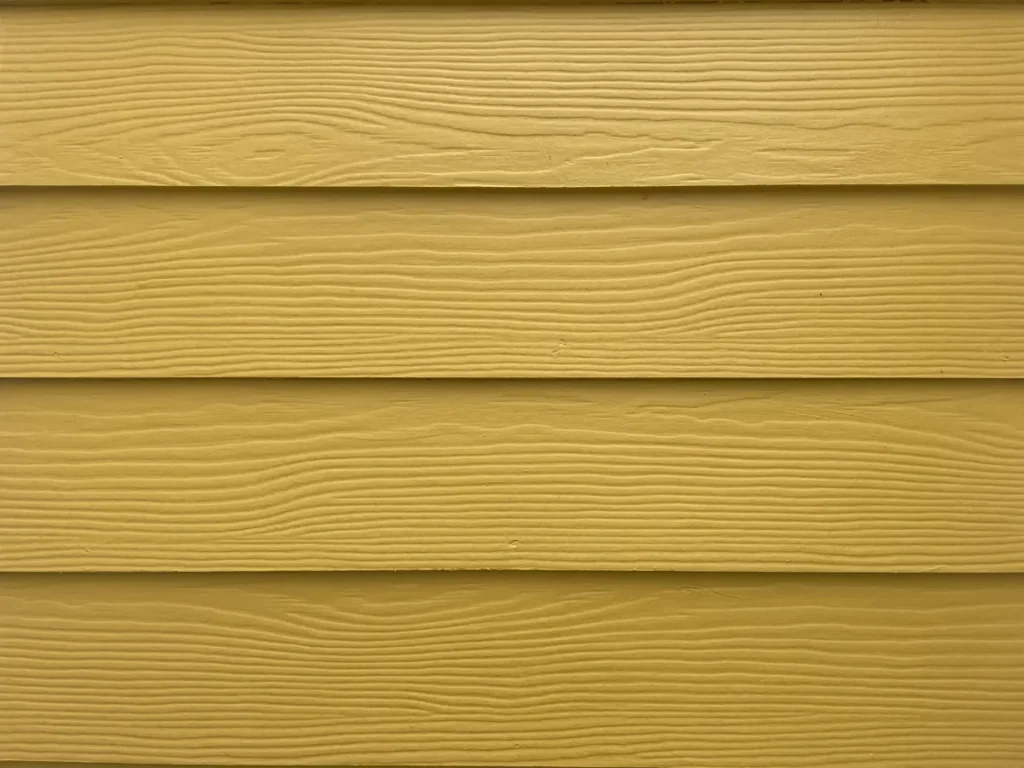
- Fiber cement: A cement-and-fiber board that resists rot and insects. Meanwhile, It’s heavier, and it needs proper flashing and dust-safe cutting methods.
- Engineered wood: Factory-primed wood-based boards. In addition, They can perform well when installers keep required clearances and maintain the paint film.
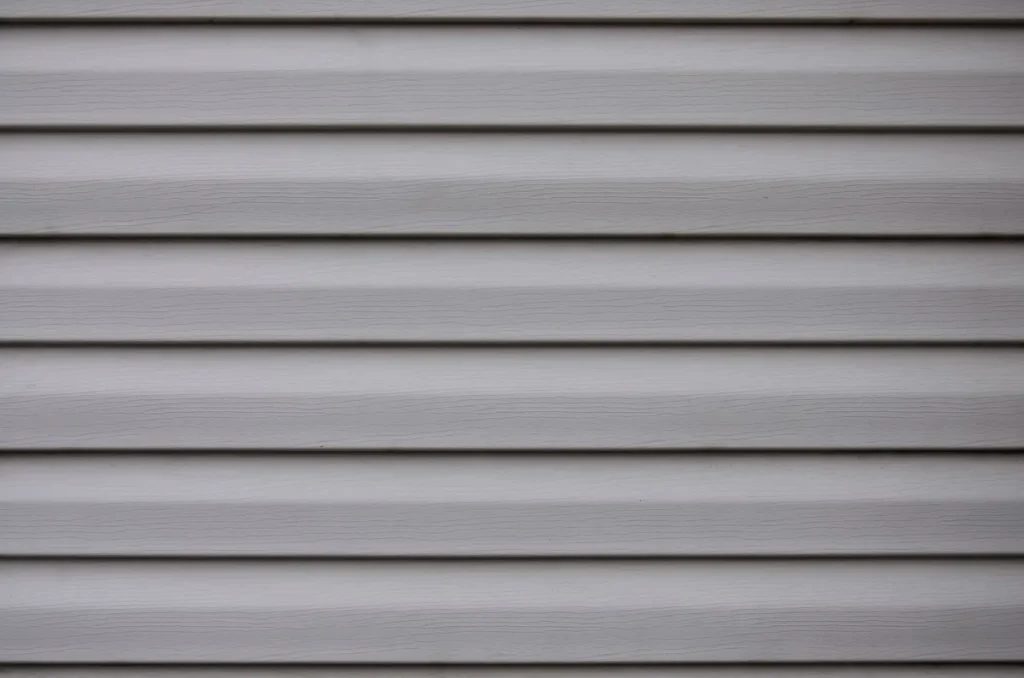
- Vinyl: Low maintenance, but color matching can be hard. In addition, Vinyl still relies on a sound water-resistive barrier behind it.
- PVC/composite trim: Great for rot-prone spots like corner boards and window trim. For this reason, It expands and contracts with temperature, so installers need the right fasteners and gaps.
Typical Repair Sequence (Inspection To Reinstall)
Most projects follow a predictable sequence. Overall, The open-up step is where the estimate moves from “range” to “confirmed scope.”
- Inspect the area, trace moisture paths, and confirm likely entry points.
- Protect landscaping and set safe access (ladders, scaffolding, or lift).
- Remove trim/siding in a controlled area and verify the spread of damage.
- Replace damaged sheathing and framing as needed, back to solid wood.
- Install housewrap and flashing with proper overlaps so water drains out.
- Install siding/trim, prime cut edges, seal joints where specified, and finish with paint.
Keep It Simple And Address-Based
Permit requirements vary by city and county and by how deep the repair goes. Overall, Cosmetic siding replacement may not trigger the same rules as repairs that involve structural framing, window changes, or electrical work. A good contractor will tell you when permits typically apply and who will handle the permit and inspection scheduling.
What Can Change Your Timeline
Most dry rot siding repair work moves fast once materials are on site. Also, The schedule usually stretches when matching materials have long lead times, when the wall needs extra drying time, or when inspections are necessary.
- Access setup for higher walls.
- Material availability for older or discontinued profiles.
- Drying and prep time before primer and paint.
- Inspection scheduling when permits apply.
Budget Ranges & Timeline (Typical)
- Small localized repairs: Often fall in the hundreds-to-low-thousands range, depending on access and finish work.
- Sheathing or framing repairs: Adds labor and can expand the repair area after the open-up confirms the spread.
- Material matching vs. Overall, larger replacement: A clean, larger section can cost less than repeated patching when products are hard to source.
- Permits and inspections (when required): Can add days or weeks depending on the jurisdiction and review queue.
| Cost driver | Why it matters | What to share with your estimator |
|---|---|---|
| How far rot spreads | Trim-only vs sheathing/framing repair | Photos, soft spots, any interior stains |
| Height and access | Scaffolding/lift and labor time | One-story or two-story, side-yard width |
| Siding type and availability | Matching vs replacing a larger section | Close-up of profile/texture, manufacturer if known |
| Waterproofing details | Flashing/housewrap work helps prevent repeat damage | What’s above the area (window, gutter, roof edge) |
| Finish blending | Primer, paint, and caulk affect labor | Recent paint history, color name if known |
Quality Checks And Closeout
A repair can look finished while the important waterproofing work stays hidden. Closeout checks focus on water management, solid fastening, and a consistent finish.
Quality Checks To Review Before Final Payment
- All damaged wood removed back to solid material (no soft edges left behind).
- New sheathing and framing installed tight and supported, with proper fasteners.
- Housewrap and flashing overlap correctly so water drains out.
- Clearances maintained at roofs, decks, and soil to reduce future moisture exposure.
- All cut edges primed and sealed, and caulk joints tooled smooth where specified.
- Paint coverage and sheen look consistent from the street and up close.
Maintenance Tips To Keep Repairs Solid
You can extend the life of any siding system with a simple routine. The goal is to keep water off the wall and give wet areas time to dry.
- Do a quick exterior walk-around twice a year and after big storms.
- Keep sprinklers and hoses from soaking siding and trim.
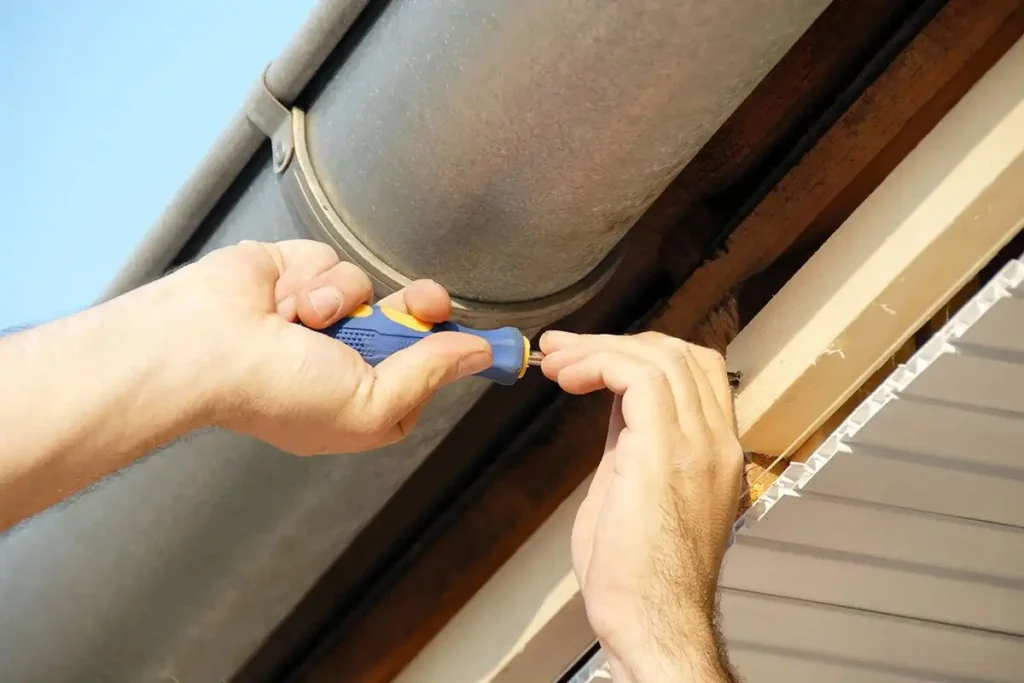
- Clear debris from gutters and downspouts so water doesn’t run down the wall.
- Re-caulk small gaps before they become leaks, especially at windows, doors, and trim joints.
- Touch up peeling paint early; bare wood absorbs moisture fast.

Serving Homeowners In Sacramento
US Construction & Remodeling Corp. helps Sacramento homeowners solve dry rot at the source, not just cover it up. We start with photos and a short call, confirm scope on site, and provide a written estimate for the siding and wood repairs needed to keep the wall dry.
Request a written estimate and include wide-angle photos, close-ups, rough measurements, and notes on anything above the damage (gutter, window, roof edge, or deck). Prefer to talk it through? Call +1 (916) 234-6696.
How To Compare Apples To Apples
Ask for an itemized scope that separates demolition, substrate repair, waterproofing, siding/trim install, and finish work. That makes two bids comparable and reduces surprises if hidden damage expands the job.
Sacramento Permit And Plan Review Realities
In Sacramento, permitting and plan review often run through the City’s Community Development online portal (Accela Citizen Access). Permit needs depend on the work. Simple siding replacement can differ from repairs that involve structural framing. We’ll explain what typically applies for your address and confirm who will pull permits and schedule inspections when needed.
Trust And Accountability (Licensing, Insurance, And Permits)
Exterior rot repairs involve ladders, power tools, and waterproofing details that are hard to inspect after the siding goes back on. Clear documentation protects you.
- Licensing & insurance: Ask for proof before work starts and keep a copy with your paperwork.
- Permit responsibility: When permits apply, confirm in writing who pulls the permit and books inspections.
- Communication: Expect a written scope, change-order approval before extra work, and a daily update while the project is active.
- Verifying workmanship: Ask for photos of flashing and the water barrier before they’re covered, and confirm clearances at roofs and soil.
Related Exterior Work To Consider While Walls Are Open
When a section of siding is open, homeowners sometimes bundle related exterior fixes to save time. Common add-ons include exterior trim repair, window and door re-sealing, gutter adjustments, and targeted exterior painting. An estimate can list these as optional line items.
Company Contact Info
Helpful Links
Frequently Asked Questions
It’s a useful starting point, but it can’t see hidden damage behind siding and trim. Rot often spreads farther than the first soft spot, and the leak source can add real scope.
To make any estimate tighter, share clear photos, rough measurements, the siding type, and what’s above the area (window, roof edge, gutter, deck). A small on-site open-up is usually the moment when scope becomes certain.
The biggest cost swings usually come from what you can’t confirm in a photo.
- How deep the damage goes (trim vs sheathing vs framing)
- Height and access (two-story walls, tight side yards)
- Material matching (older profiles and textures)
- Waterproofing details (flashing and water barrier work)
- Finish blending (primer, caulk, paint match)
It depends on your jurisdiction and the scope. A simple siding replacement may not be treated the same as repairs that involve structural framing, window changes, or electrical work.
A contractor should explain what typically applies for your address and confirm in writing who will pull permits and schedule inspections when required.
Often, yes. Localized repairs work best when the surrounding wood is solid, the moisture source is addressed, and matching siding is available.
If the open-up shows wider damage, replacing a larger section can be the cleaner long-term solution and can blend better than multiple patches.
Moisture control matters more than any single product. That said, certain choices can reduce risk in rot-prone zones.
- Proper flashing at windows, doors, and roof-to-wall transitions
- A continuous water-resistive barrier behind siding
- Rot-resistant trim (often PVC/composite) in vulnerable spots
- Durable siding options like fiber cement where matching allows
- Clearances from soil, decks, and roofs so the wall can dry
Bring the same inputs a good estimator needs:
- Wide photos and close-ups of the damage
- Rough height and width measurements
- Siding type (and any manufacturer info if you have it)
- Notes on access limits and landscaping concerns
- Any interior staining on the same wall
This helps the contractor confirm scope faster and reduces back-and-forth.
Licensed, insured & trusted local contractor
US Construction & Remodeling Corp.
9821 Business Park Dr, Sacramento, CA, 95827
Phone: +1 (916) 234-6696
CSLB License #: 1117562 Fully licensed and insured.
Frequently Asked Questions
It’s a useful starting point, but it can’t see hidden damage behind siding and trim. Rot often spreads farther than the first soft spot, and the leak source can add real scope.
To make any estimate tighter, share clear photos, rough measurements, the siding type, and what’s above the area (window, roof edge, gutter, deck). A small on-site open-up is usually the moment when scope becomes certain.
The biggest cost swings usually come from what you can’t confirm in a photo.
- How deep the damage goes (trim vs sheathing vs framing)
- Height and access (two-story walls, tight side yards)
- Material matching (older profiles and textures)
- Waterproofing details (flashing and water barrier work)
- Finish blending (primer, caulk, paint match)
It depends on your jurisdiction and the scope. A simple siding replacement may not be treated the same as repairs that involve structural framing, window changes, or electrical work.
A contractor should explain what typically applies for your address and confirm in writing who will pull permits and schedule inspections when required.
Often, yes. Localized repairs work best when the surrounding wood is solid, the moisture source is addressed, and matching siding is available.
If the open-up shows wider damage, replacing a larger section can be the cleaner long-term solution and can blend better than multiple patches.
Moisture control matters more than any single product. That said, certain choices can reduce risk in rot-prone zones.
- Proper flashing at windows, doors, and roof-to-wall transitions
- A continuous water-resistive barrier behind siding
- Rot-resistant trim (often PVC/composite) in vulnerable spots
- Durable siding options like fiber cement where matching allows
- Clearances from soil, decks, and roofs so the wall can dry
Bring the same inputs a good estimator needs:
- Wide photos and close-ups of the damage
- Rough height and width measurements
- Siding type (and any manufacturer info if you have it)
- Notes on access limits and landscaping concerns
- Any interior staining on the same wall
This helps the contractor confirm scope faster and reduces back-and-forth.