Gutters Contractor in Arden: Checklist, Permits, and Timeline
Overflowing gutters can stain siding, soak landscaping, and push water toward the foundation. If you’re searching for a gutters contractor arden homeowners can hire with confidence, this checklist shows what to ask, what to expect, and how to keep the job on track.
Quick checklist:
- Decide the scope: cleaning, repair, guards, or full replacement.
- Confirm gutter size/material and how many downspouts you need for runoff.
- Plan downspout discharge and drainage so water moves away from walls, stairs, and the foundation.
- Ask whether fascia/rot repair is included and how corners/seams will be sealed.
- Verify license/insurance where required, and compare bids line-by-line (allowances, exclusions, change orders).
- Schedule around weather and run a hose test at the final walkthrough.
TL;DR: Compare bids by scope, materials, and drainage plan—not just price. Get the details in writing, and confirm how permits (if needed) and scheduling will be handled before you sign.
- Get a written, line-item quote (materials, labor, disposal)
- Confirm gutter size, profile, and color before ordering
- Map downspout locations so water exits away from the home
- Ask how fascia repairs are handled if damage is found
- Clarify who coordinates any required inspections
- Verify cleanup, warranty terms, and payment schedule
Want a quick answer on your roofline and options? Call +1 (916) 234-6696.
Permits, Timeline, And What To Expect For Gutters Contractor Arden
| Decision | Why it matters | Quick check |
|---|---|---|
| Gutter size (5-inch vs 6-inch) | Capacity affects overflow risk during heavy rain. | Ask the installer to size based on roof area and runoff. |
| Downspout locations | Where water lands affects erosion and slip hazards. | Map discharge points and confirm extensions/splash blocks. |
| Guards/screens | Reduces clogs but still needs maintenance. | Choose based on debris type and confirm cleaning access. |
| Fascia condition | Weak/rotted fascia causes sagging and leaks. | Inspect before install; include repair allowance in scope. |
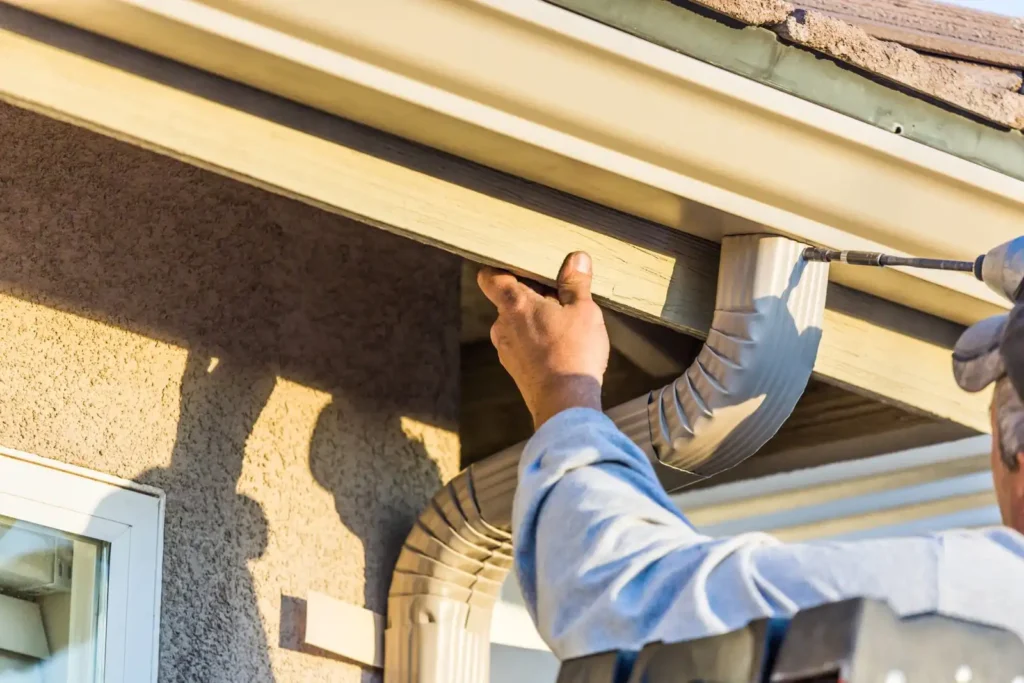
A gutter project is not just “hang new gutters.” Small details decide whether water stays off your walls and away from your foundation. For example, A solid contractor should help you choose the right size, place downspouts (the vertical pipes that carry water to the ground), and spot wood issues early—before they become a bigger repair.
Signs You Should Bring In A Pro
- Water spills over the front edge during rain, also even after cleaning
- Gutters sag, pull away, or drip at seams
- Staining on siding, stucco, or fascia (the board behind the gutter)
- Downspouts dump water too close to the home
- You want gutter guards (covers designed to reduce leaf buildup)
What To Verify Before You Hire
Use this list to compare companies side by side. Overall, Ask for answers in writing so each bid stays clear.
- Scope: Replace only, or also adjust slopes, add downspouts, or reroute drainage?
- Materials: Gutter type (seamless vs sectional), metal type, thickness, and finish.
- Fastening method: Ask what hangers/screws they use and how they prevent pull-out.
- Water path: Confirm where every downspout discharges and how far from the home.
- Hidden damage plan: Ask how they handle fascia rot or soft wood found during removal.
- Protection: How will landscaping, AC units, and walkways be protected during work?
- Cleanup: Old gutter disposal, magnet sweep for fasteners, and final rinse/test.
- Paperwork: Proof of insurance, written warranty terms, and a clear payment schedule.
Make Quotes Match
Two quotes can look “cheaper” or “more expensive” simply because the scope is vague. As a result, Ask each bidder to include the same line items so you can compare apples to apples.
- Linear footage and gutter profile (for example, K-style vs half-round)
- Number of corners, end caps, outlets, and splash blocks/extensions
- Downspout sizes and total count (including elbows)
- Gutter guard type (if included) and what maintenance is still needed
- Allowance or unit pricing for fascia repair if damaged wood is found
- Haul-away/disposal and how they protect/repair small paint scuffs
Common Planning Mistakes (And Easy Fixes)
- Choosing the lowest bid with a vague scope: Require a written, line-item breakdown.
- Not planning downspout discharge: Decide where water should go before install day.
- Ignoring fascia condition: Ask the contractor to check and explain any soft spots.
- Adding guards without asking about cleaning: Even good guards need occasional checks.
- Paying too much up front: Tie payments to clear milestones you can verify.
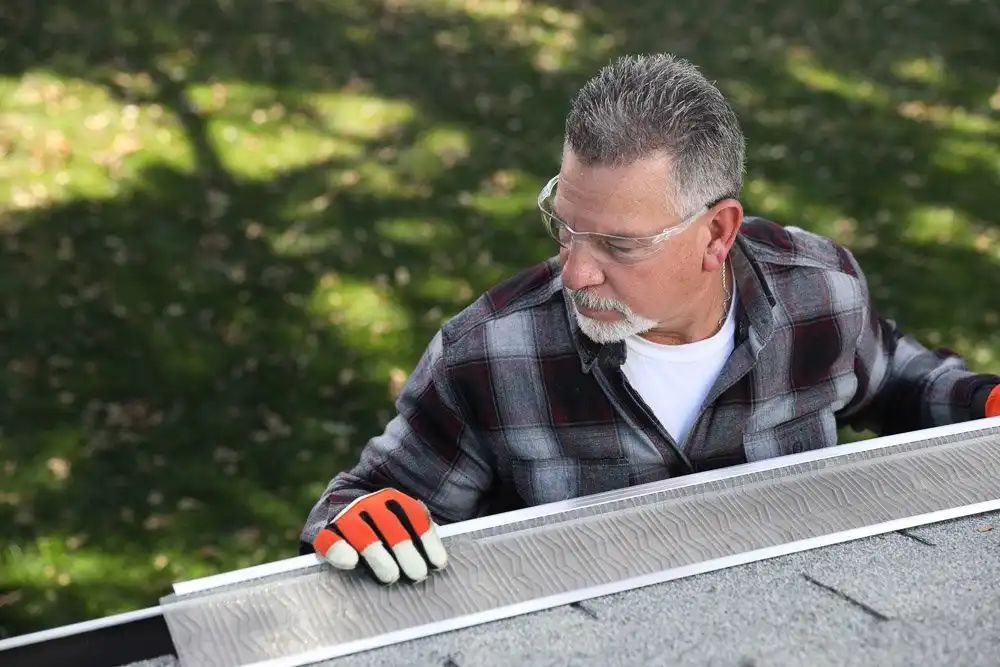
When Permits Are Typically Necessary (General) For Gutters Contractor Arden
Permit needs depend on scope and jurisdiction. In addition, Many like-for-like gutter replacements are treated as maintenance, but permits can come up when you change structural elements or modify drainage in a way that affects the property.
Situations That May Trigger Permits Or Inspections
- Replacing or rebuilding fascia/rafter tails as part of the job
- Changing roof edge details as part of a larger exterior scope
- Adding new drain lines, changing where water discharges, or tying into existing drainage systems
- Working on multi-unit buildings, shared drainage, or complex access setups
Questions To Ask Each Bidder
- Based on my scope, do you expect permits or inspections?
- If permits are necessary, who prepares the paperwork and schedules inspections?
- What could change the answer once old gutters are removed?
Typical Milestones
Most gutter installations are quick once materials are ready, yet scheduling and repairs can add time. Also, Ask each contractor to walk you through a realistic timeline so you can plan around it.
Typical Phases (With Rough Durations)
- On-site measure: 30–60 minutes for measurements and drainage notes.
- Written estimate: Often 1–3 business days, depending on bid volume and scope details.
- Scheduling + materials: Commonly 1–3 weeks; custom colors or guards can take longer.
- Installation: Often 1 day for straightforward homes; 1–2 days if access or repairs add work.
- Final test + cleanup: Same day. Additionally, You should see a water test and clean haul-away.
What You Should See On Installation Day
- A quick walkthrough confirming downspout locations and discharge points
- Protection for landscaping and clear access to ladders/scaffolding
- Old gutter removal, fascia check, and a plan for any unexpected damage
- New gutter install with consistent slope (the slight angle that moves water to the outlet)
- A final water test and a clear explanation of basic maintenance
Quick Planning Table
| Decision | Why it matters | Typical impact |
|---|---|---|
| Custom color | May require special ordering | Can extend lead time |
| Adding downspouts | Changes drainage layout and materials | More labor and coordination |
| Fascia repair | Sound wood is necessary for secure mounting | Can add time once old gutters come off |
| Gutter guards | Different types install differently | May add labor and material lead time |
| Two-story or tight access | May require extra safety setup | Can add install time |

Decisions That Affect Schedule
Before you approve a start date, make a few choices that keep the installation simple and prevent last-minute changes. Clear decisions also help contractors price accurately.
Materials And Sizing Choices
- Gutter profile: K-style (common, flat-backed) vs half-round (rounded profile).
- Gutter size: Ask what size fits your roof area and runoff points.
- Downspout size and count: More capacity and better placement can reduce overflow.
- Guard type: Screen, micro-mesh, or solid covers—each has tradeoffs.
Drainage Layout Decisions
- Choose discharge points that move water away from foundations and walkways.
- Decide whether you want above-ground extensions, splash blocks, or a cleaner hidden route.
- Confirm the plan won’t create runoff issues for a neighbor’s property line.
Tight Access And Small Rooflines
Smaller homes and narrow side yards can still be straightforward, but access needs planning. For this reason, This is where a detailed site visit matters.
- Ask where ladders will be set and whether gates/fences need temporary clearance.
- Keep downspout runs simple where possible to reduce elbows and joints.
- Confirm how the crew will protect patios, carports, and landscaping below eaves.
How To Avoid Delays
Delays usually come from unclear scope, access issues, or late material choices. Meanwhile, A gutters contractor arden homeowners work with should be able to prevent most of this by confirming details early.
Local Note For Arden Homeowners
Arden-Arcade is largely unincorporated. For example, Depending on the exact address and scope, permits are often handled through Sacramento County’s building permit and electronic plan submittal process. For example, Your contractor should confirm what applies before work starts.
Before Work Begins
- Clear driveway/side-yard access and move vehicles away from downspout areas.
- Point out known leaks, overflow spots, and any soft wood you’ve noticed.
- Confirm colors, guard type, and downspout discharge locations in writing.
- Ask how change orders work if fascia damage is found after removal.
After Installation
- Request a water test and confirm there is no standing water in long runs.
- Walk the perimeter to verify downspouts discharge where you agreed.
- Get simple maintenance guidance based on nearby trees and debris.
US Construction & Remodeling Corp. Additionally, provides clear scopes and written estimates so you can compare options without guesswork. In addition, To schedule a site visit, call +1 (916) 234-6696.
Helpful Links
Frequently Asked Questions
It depends on the exact scope and address. Many like-for-like replacements are treated as maintenance, but permits can come up if you’re repairing structural wood, changing drainage routing, or combining the work with a larger exterior project.
In the Arden-Arcade area, many permits are handled through Sacramento County depending on the property. A responsible contractor should help you confirm what applies before work starts.
For straightforward homes, installation is often completed in a day once materials are ready. Tight access, two-story work, added downspouts, or fascia repairs can extend the install to additional time.
When comparing bids, ask for both the lead time (scheduling/materials) and the on-site work time.
A solid bid should make the scope easy to understand and compare.
- Gutter type/profile, material, thickness, and color
- Linear footage and number of corners/end caps/outlets
- Downspout size, count, and discharge plan
- Old gutter removal and disposal
- Gutter guards (if included) with the exact type
- How fascia repairs are priced if hidden damage is found
- Timeline, payment schedule, and warranty terms
They can be, especially if you have trees nearby or don’t want frequent cleanings. Guards reduce debris buildup, but they don’t eliminate maintenance. Some types handle small debris better than others, and all systems can clog if neglected.
If you’re considering guards, ask what cleaning is still needed and whether the guard type fits your roof edge and debris.
The right size depends on roof area, roof shape, and where water concentrates (valleys and low points). Larger gutters or more downspouts can help when overflow is a recurring problem.
Ask the contractor to explain the sizing choice in plain terms and to map downspout locations during the site visit.
This is common on older systems or where leaks have been ongoing. A contractor should point out damaged areas, show photos, and explain options before moving forward.
- Small spot repairs to restore a solid mounting surface
- Section replacement if wood is soft or crumbling
- Clear change-order pricing so you stay in control of the budget
Licensed, insured & trusted local contractor
US Construction & Remodeling Corp.
9821 Business Park Dr, Sacramento, CA, 95827
Phone: +1 (916) 234-6696
CSLB License #: 1117562 Fully licensed and insured.