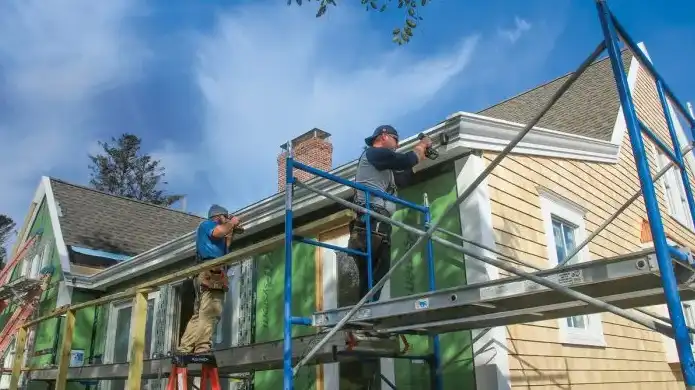
Skip links

Gutters Vs Diy Rocklin: When To Hire Help

When homeowners search for gutters vs diy rocklin, they’re usually deciding between a weekend project and hiring a pro to keep water moving away from the house. Gutters look simple, but a small slope or sealing mistake can create leaks, stains, and soggy soil next to the foundation.

Quick checklist:

  • Decide the scope: cleaning, repair, guards, or full replacement.
  • Confirm gutter size/material and how many downspouts you need for runoff.
  • Plan downspout discharge and drainage so water moves away from walls, stairs, and the foundation.
  • Ask whether fascia/rot repair is included and how corners/seams will be sealed.
  • Compare 2–3 itemized quotes (linear feet, downspouts, guards, disposal, warranty).
  • Schedule around weather and run a hose test at the final walkthrough.

This guide breaks down what DIY really involves, when hiring help is the safer choice, and what to expect from a well-scoped gutter project in Rocklin.

TL;DR: DIY can work for straightforward, single-story situations when you have safe access and the right tools. If the home is tall, the rooflines are complex, or the drainage plan needs changes, hiring help often prevents water problems and saves time.

  • Check roof height and safe ladder placement
  • Map every run, corner, and outlet (downspout)
  • Look for fascia rot (the board behind the gutter)
  • Decide how you’ll route water away from the house
  • Choose a guard option only if it fits your tree debris
  • Plan for cleanup and where debris will go

If you want a clear scope before buying materials, schedule a free estimate online or call +1 (916) 234-6696.

Why Homeowners Hire Help For Gutters Vs DIY In Rocklin For Gutters Vs DIY Rocklin

Decision Why it matters Quick check 
Gutter size (5-inch vs 6-inch) Capacity affects overflow risk during heavy rain. Ask the installer to size based on roof area and runoff. 
Downspout locations Where water lands affects erosion and slip hazards. Map discharge points and confirm extensions/splash blocks. 
Guards/screens Reduces clogs but still needs maintenance. Choose based on debris type and confirm cleaning access. 
Fascia condition Weak/rotted fascia causes sagging and leaks. Inspect before install; include repair allowance in scope. 

Gutters protect more than the roof edge. They control where rainwater goes. Overall, The job becomes harder when you add height, multiple roof planes, or older fascia that can crumble when you fasten into it. Homeowners also hire help because ladder work carries real risk.

When DIY Is A Good Fit

DIY can also make sense when the project stays simple and you can work safely.

  • You have a single-story area with solid, accessible fascia
  • You are replacing like-for-like (same routing and outlets)
  • You can measure accurately and cut clean corners
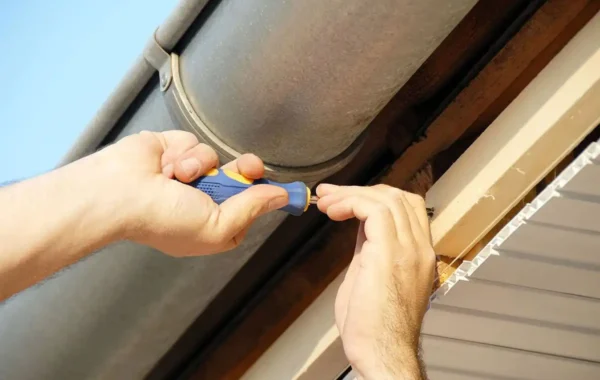
  • You can seal joints and end caps carefully and consistently
  • You can test with a controlled hose flow and fix leaks before the next storm

When Hiring Help Is Usually The Smarter Choice

Most gutters-vs-DIY decisions turn on safety and water control details, not just the price of materials.

  • Two-story or steep access where a ladder feels unstable
  • Multiple roof sections, valleys, or tight corners
  • Staining, rot, or soft spots on fascia or roof edge trim
  • You need to add outlets or change where downspouts discharge
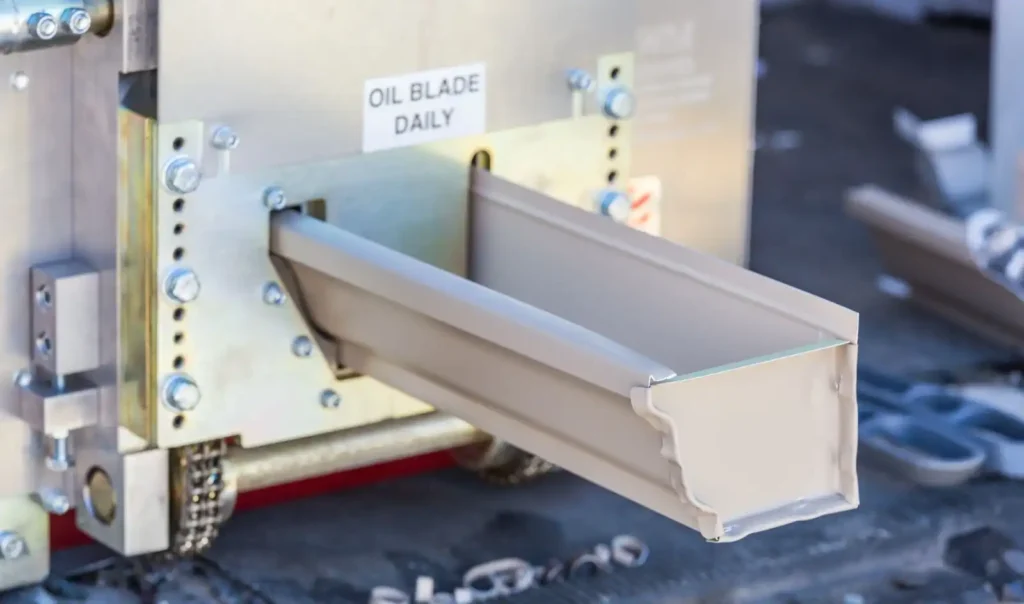
  • You want seamless gutters (formed to length) for fewer joints

Common DIY Mistakes That Lead To Leaks And Callbacks

  • Installing with uneven slope (pitch), so water sits and finds seams
  • Spacing hangers too far apart, which lets gutters sag over time
  • Sealing dirty metal, so the sealant never bonds well
  • Skipping end-cap checks, which often drip first
  • Placing downspouts where water concentrates next to the foundation
  • Mixing dissimilar metals without thinking about corrosion

Where The Water Should Go

A downspout is the vertical pipe that carries water to the ground. Additionally, Planning its placement matters as much as the gutter itself. As a result, Start by sketching your rooflines and noting where water naturally funnels at corners and valleys. Additionally, Then decide where each downspout will discharge (where it empties) so water moves away from siding, walkways, and the foundation.

  • Choose discharge points that don’t dump water onto steps or entry paths
  • Avoid draining right next to the house; use extensions or drainage tie-ins when appropriate
  • Keep outlets clear of obvious clogs like tight elbows at ground level
  • Make sure the gutter pitch is consistent so water travels to the outlet

Storage And Organization That Keeps Upkeep Simple

DIY homeowners often forget the “after” part: cleaning and maintenance. In addition, A small plan for tools and debris storage makes upkeep safer and faster.

  • Store ladders flat or secured to prevent tip hazards in the garage
  • Keep a dedicated bin for sealant, spare screws, and a small caulk gun
  • Use a lidded yard-waste container for wet debris so it doesn’t re-clog the area
  • If you plan rainwater storage for garden use, ask about a screened barrel setup and overflow routing
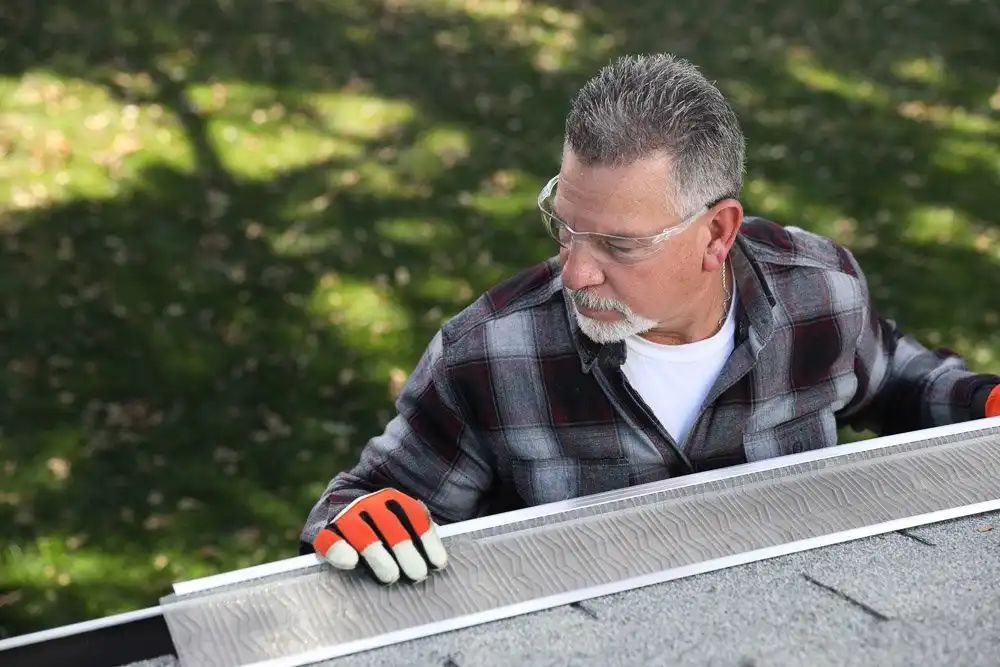
seamless gutter style selection

How To Choose The Right Contractor For Gutters Vs DIY Rocklin

A good contractor doesn’t just “put up gutters.” They help you control water, protect the roof edge, and avoid future repairs. For example, Use the estimate conversation to confirm you’re getting a complete plan.

What To Confirm In The Proposal

  • Material and build: seamless vs. As a result, sectional, color match, and fastener type
  • Attachment method and hanger plan (how the system stays rigid)
  • Outlet and downspout routing plan (where water will discharge)
  • How they handle fascia repairs if they find soft wood
  • How they protect landscaping and clean up metal shavings and debris
  • How they test for leaks before they leave

Quick Comparison Table

DriverWhat it changesWhat to verify
Home heightSafety setup, access time, and install paceSafe ladder/stabilizer plan and crew approach
Roofline complexityMore corners, joints, and custom fittingCorner details and how seams will be sealed
Downspout routingWater control at ground levelDischarge points and any extensions or tie-ins
Fascia conditionAttachment strength and future sag riskPlan for replacing or reinforcing damaged boards
Guard choiceCleaning frequency and debris handlingGuard type and how it attaches for service access

Practical Choices

Material choices affect durability, maintenance, and how clean the install looks.

  • Aluminum: Common for residential work. Meanwhile, It resists rust and comes in many colors.
  • Steel: Strong, but it can rust if coatings get scratched.
  • Copper: Premium look and long life, with higher upfront cost.
  • Vinyl: Budget-friendly, but it can warp or crack over time in some conditions.

Guard options vary widely. For this reason, Screens and surface covers can reduce big debris, while finer mesh can block smaller debris but needs correct installation to avoid maintenance headaches.

Planning To Completion

Here’s how a well-run gutter project typically moves from idea to finished install.

  1. Site walk and measurements: Confirm runs, corners, and where water concentrates.
  2. Water-control plan: Map outlet locations and where each downspout will discharge.
  3. Scope and materials selection: Choose the gutter build, color, and any guard option.
  4. Schedule and prep: Confirm access, protect landscaping, and stage materials.
  5. Installation: Remove old sections (if applicable), install new gutters, outlets, and downspouts.
  6. Seal, secure, and test: Check seams, end caps, and flow with a controlled hose test.
  7. Cleanup and walkthrough: Remove debris and confirm discharge points behave as planned.

Local Process Note For Rocklin

Some exterior work is simple, while other scopes touch drainage or structural elements. Also, If a permit or inspection is necessary for your specific scope, Rocklin typically uses an eTRAKiT portal for submissions, status checks, and scheduling. In addition, A contractor should be able to explain whether your scope needs that step and who will handle it.

Budget & Timeline (Typical)

Gutter work is usually fast compared to major remodeling, but the details decide the final scope.

Budget Ranges & Timeline (Typical)

  • Timeline: Many standard installs finish in a day; complex routing or fascia repair can extend the schedule.
  • Main cost drivers: total linear footage, number of corners, home height, and downspout routing.
  • Optional upgrades: guard systems, additional outlets, and improved discharge control can add cost but reduce maintenance.

Hypothetical Before-And-After Example

Before: Water drips at a few joints, the gutter sags near a corner, and the downspout empties too close to the house. Meanwhile, The homeowner cleans often but still sees staining and soggy soil.

After (example): The new system uses longer seamless runs to reduce joints, solid hangers to prevent sagging, and a revised downspout plan so water moves away from the foundation. Additionally, The homeowner gets a walkthrough and a simple maintenance plan that fits the yard’s tree debris.

If you’re comparing DIY costs to a professional scope, the fastest way to get clarity is to request a written estimate with the routing plan included.

professional gutter repair services

How We Help In Rocklin

US Construction & Remodeling Corp. For example, helps Rocklin homeowners plan and complete gutter projects with clear scope, clean installation, and practical guidance on water control so you can protect the exterior and landscaping.

Schedule your free estimate online to get a written plan for your home. Meanwhile, Prefer to talk it through first? Call +1 (916) 234-6696.

Trust And Accountability

  • Licensed and insured: We work with homeowners who want professional accountability and safe jobsite practices.
  • Permits (when needed): We explain when a permit may apply and who is responsible for the paperwork and inspections.
  • Communication: You get a defined scope, a start window, and a point of contact for questions.
  • How to verify workmanship: Ask for a final water test, confirm the gutter pitch is consistent, and check that discharge points move water away from the house.

Company contact: US Construction & Remodeling Corp. | +1 (916) 234-6696 | https://usconstructioncali.com/

Helpful Links

Frequently Asked Questions

It depends on the scope. Many straightforward replacements may not require a permit, but changes to drainage routing or repairs that affect structural elements can trigger additional steps.

If a permit or inspection applies, Rocklin typically uses an eTRAKiT portal for submissions and scheduling. A contractor should confirm requirements for your address and scope.

Many standard installs can be completed in a day. The timeline can extend if the home is tall, the rooflines have many corners, or the crew needs to repair fascia (the board behind the gutter).

Both matter, but scope usually drives the total. Key drivers include:

  • Linear footage and number of corners
  • Home height and access setup
  • Downspout count and routing complexity
  • Fascia repairs and edge-wood condition
  • Guard option and how it attaches

They can be, if your yard drops a lot of debris and you want fewer cleanings. The best choice depends on the type of debris (leaves vs. small particles) and how the guard mounts for future service.

Ask for a specific guard type in writing and confirm how it will be maintained.

DIY can be safe on a single-story area when you use stable ladder placement, proper stabilizers, and you avoid working near hazards like overhead power lines.

If you feel rushed, unsteady, or unsure about routing water away from the house, hiring help is often the safer choice.

  • Are you licensed and insured for this scope?
  • Will you provide a written downspout routing plan?
  • How will you handle any fascia damage you find?
  • How will you test for leaks and confirm flow?
  • What cleanup steps are included?

Licensed, insured & trusted local contractor

US Construction & Remodeling Corp.
9821 Business Park Dr, Sacramento, CA, 95827
Phone: +1 (916) 234-6696

CSLB License #: 1117562 Fully licensed and insured.

View our Google Business Profile

Leave a comment

This website uses cookies to improve your web experience.
Explore
Drag