
Gutters vs DIY in Roseville: A Practical Guide
If you’re deciding between hiring a contractor and tackling it yourself, gutters vs diy roseville is really a question about safety, water control, and long-term upkeep. The right setup keeps runoff where it belongs and helps protect fascia, paint, and landscaping.
Quick checklist:
- Decide the scope: cleaning, repair, guards, or full replacement.
- Confirm gutter size/material and how many downspouts you need for runoff.
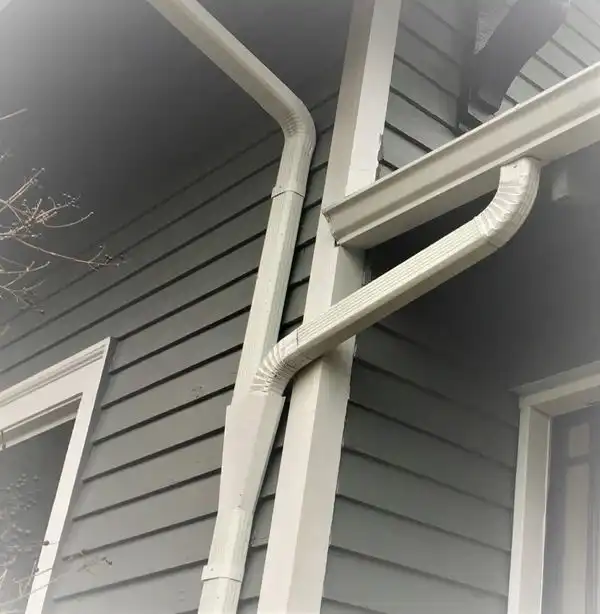
- Plan downspout discharge and drainage so water moves away from walls, stairs, and the foundation.
- Ask whether fascia/rot repair is included and how corners/seams will be sealed.
- Compare 2–3 itemized quotes (linear feet, downspouts, guards, disposal, warranty).
- Schedule around weather and run a hose test at the final walkthrough.
TL;DR: DIY can be fine for a single-story home with simple runs and solid fascia. If your home is two stories, your gutters sag, or you see rot, a licensed contractor is usually the safer path.
- How many stories and how steep is the roof?
- Are the gutters leaking at seams, overflowing, or pulling away?
- Is the fascia board solid, or does it feel soft?
- Where will each downspout discharge water?
- Do you want gutter guards, and what type?
- Do you have safe ladder access and a full day to work?
This guide walks through the decisions that matter, what a pro install typically includes, and how to avoid the most common DIY missteps.
A Practical Overview For Gutters Vs DIY Roseville
| Decision | Why it matters | Quick check |
|---|---|---|
| Gutter size (5-inch vs 6-inch) | Capacity affects overflow risk during heavy rain. | Ask the installer to size based on roof area and runoff. |
| Downspout locations | Where water lands affects erosion and slip hazards. | Map discharge points and confirm extensions/splash blocks. |
| Guards/screens | Reduces clogs but still needs maintenance. | Choose based on debris type and confirm cleaning access. |
| Fascia condition | Weak/rotted fascia causes sagging and leaks. | Inspect before install; include repair allowance in scope. |
Most searches for gutters vs diy roseville come down to three tradeoffs: height and safety, the condition of the fascia behind the gutter, and how well the system moves water away from the house. Overall, A clean look matters, but performance matters more—especially at corners and long runs where small pitch errors show up fast.
When DIY Can Make Sense
DIY works best when the scope is also small, access is simple, and you can verify the wood behind the gutter is still solid.
- Single-story home with safe, stable ladder placement
- Minor repairs like resealing a joint or replacing an end cap
- Re-hanging a short section where fasteners backed out
- Cleaning and flushing downspouts to fix a basic overflow issue
- Installing downspout extensions or splash blocks to improve discharge
When Hiring A Licensed Contractor Is The Smarter Move
Professional installation earns its cost when risk or complexity goes up, or when hidden damage is likely.
- Two-story homes, steep rooflines, or limited ladder footing
- Multiple corners, long runs, or heavy-flow roof valleys
- Soft fascia, peeling paint behind the gutter, or visible wood rot
- Recurring overflows even after cleaning (capacity or pitch issue)
- Downspouts need rerouting to keep water away from slabs and walkways
- You want seamless gutters and a clean, straight finished line
DIY Gutter Mistakes To Avoid
- Wrong pitch: water sits in the trough, then leaks at seams and end caps.
- Fastening into weak wood: hangers pull out if the fascia is soft or already damaged.
- Too few hangers: long runs sag, especially where water collects.
- Mixing metals: dissimilar metals can speed up corrosion at connections.
- Undersizing the system: small gutters or too few downspouts lead to overflow at peak flow.
- Skipping the water test: a quick hose test catches low spots before you call it done.
- Ignoring discharge: dumping water next to the house can cause staining, erosion, and puddling.
- Overconfidence on ladders: gutter work happens at the edge, where falls happen fast.
Before/After Example (Hypothetical)
Hypothetical example: A homeowner notices one corner overflowing during storms and sees the gutter line bow slightly in the middle.
Before: The run pitches the wrong direction, so water sits and finds the weakest seam. The downspout drops water right next to the slab, leaving puddles and splash marks.
After: The installer resets hangers for a consistent pitch, replaces the leaking section, and adds a downspout extension so water discharges away from the foundation line.
Resale And ROI Considerations
Gutters don’t sell a home like a new kitchen, but they protect value by reducing the chance of water-related repairs. Clean lines also improve curb appeal, and buyers notice staining or erosion around the perimeter.
- Prioritize a discharge plan that moves water away from the home.
- Fix fascia damage now instead of covering it with new gutters.
- Choose a material and color that looks intentional, not patched together.
- Keep your estimate and product details for future maintenance planning.
If you want a quick sanity check on whether a repair is enough, call +1 (916) 234-6696 and describe what you’re seeing (overflow points, sagging runs, or staining). For example, You’ll know what to inspect before you spend on materials.
Planning And Scope Decisions For Gutters Vs DIY Roseville
Before you buy materials or schedule labor, define the goal: stop overflows, eliminate leaks, straighten sagging runs, or improve drainage away from the home. For this reason, The best plan starts with a simple walk-around and a few photos, because you can’t price or scope accurately without seeing corners, downspout locations, and fascia condition.
- Repair vs. Additionally, replace: small leaks can be repaired; widespread sagging often points to bigger issues.
- Fascia condition: new gutters won’t hold if the wood behind them is compromised.
- Capacity: gutter size and downspout count should match roof areas and flow concentration.
- Discharge: decide where each downspout sends water before installation day.
- Guards: choose a guard type that fits your cleaning tolerance and roof debris pattern.
Runs, Downspouts, And Discharge
Think of gutters as a system, not a single product. Also, Downspout placement and discharge paths often matter more than the gutter material itself.
- Identify where roof valleys dump high volumes; those areas often need extra attention.
- Plan downspouts so water doesn’t pour onto walkways, door thresholds, or tight side yards.
- Use splash blocks or downspout extensions when water would otherwise land too close to the home.
- Avoid sending discharge onto neighboring lots; route water to your own drainage areas.
- Confirm you can keep a consistent pitch across each run without creating a visible “dip.”
Quick Decision Table
| Decision | Why it matters | What you choose |
|---|---|---|
| Home height & access | Drives safety setup, labor time, and equipment needs | Single-story vs. two-story; clear ladder zones |
| Gutter size | Affects overflow risk during heavy flow | Standard vs. higher-capacity options based on roof areas |
| Seamless vs. sectional | More seams usually mean more leak points | Seamless for fewer joints; sectional for small repairs |
| Downspout routing | Controls puddling, staining, and erosion near the home | Extensions, splash blocks, or other approved discharge paths |
| Fascia repair | New gutters won’t hold on damaged wood | Spot repair vs. replacement where needed |
Material Choices And Lead Times
Material selection affects durability, appearance, and how quickly you can schedule. As a result, Some colors, guard systems, or specialty profiles take longer to source, so it helps to decide early if you need a specific finish or add-ons.
What To Pick
- Aluminum (common for seamless): lightweight, corrosion-resistant, and cost-effective for many homes.
- Steel: strong, but it can corrode if coatings fail; make sure the finish and cut edges are protected.
- Copper: premium look and long lifespan, with a price to match; best when you want a distinct architectural style.
- Profiles: K-style offers a familiar look; half-round fits certain architectural designs but can change capacity.
- Guards: screens and micro-mesh reduce debris entry; however, no guard is “zero maintenance.”
- Hangers & fasteners: hidden hangers support straighter lines and stability when installed into solid framing.
Timeline And Work Phases
A solid plan keeps the job short and clean. In addition, Whether you DIY or hire it out, the most reliable results come from verifying fascia condition, setting consistent pitch, and testing discharge before you wrap up.
On-Site Installation Sequence
- Walk the perimeter and confirm scope (runs, corners, downspouts, discharge points).
- Protect landscaping and clear ladder zones.
- Remove old gutters and inspect fascia for soft spots.
- Repair or replace damaged fascia areas as needed.
- Install hangers, set pitch, and secure gutters with straight alignment.
- Connect downspouts and verify discharge lands where you planned.
- Run a hose test, confirm there are no leaks or low spots, and complete cleanup.
Cost Drivers & Timing (Typical)
- Linear footage and corners: more complexity takes more labor and more parts.
- Height and access: two-story work changes safety setup and install time.
- Fascia condition: repairs add carpentry scope and can extend the job.
- Guards and finishes: specialty products can add material lead time.
Maintenance Tips That Prevent Leaks
Even well-installed gutters need light maintenance. Meanwhile, A simple routine prevents most “mystery leaks” that show up later.
- Clean gutters and check downspouts before the rainy season and after major storms.
- Flush downspouts with a hose to confirm full flow.
- Look for standing water in the trough; it often signals a pitch or hanger issue.
- Check corners and end caps for early seepage so you can reseal before it worsens.
- Keep extensions or splash blocks positioned so discharge stays away from the home.
- Trim back vegetation that drops debris directly onto the roof edge.
How To Avoid Delays
Delays usually come from access issues, unclear discharge plans, or last-minute changes. Meanwhile, A few decisions made upfront keep the schedule tight and the jobsite calmer.
Homeowner Prep Checklist
- Move vehicles so ladders and material can be staged safely.
- Clear patio furniture and valuables from the work perimeter.
- Secure pets and plan for gate access if the side yard is necessary.
- Decide on gutter guards early if you want them.
- Confirm where you want downspouts to discharge and note any problem puddle areas.
- If an HOA has exterior color rules, share them before ordering.
- Share photos of known leaks or overflow points so the estimate reflects reality.
If you want apples-to-apples comparisons, ask for a written estimate that lists gutter size, downspout count, guard options, and any fascia repairs. Also, That makes it easier to compare DIY receipts to a professional install.

Serving Homeowners In Roseville
US Construction & Remodeling Corp. Meanwhile, helps Roseville homeowners plan and install gutters that drain correctly and look clean. Also, We provide written estimates, clear options for materials and guards, and straightforward communication throughout the job.
Request a written estimate: Use our online booking form at Free estimate or call Call. In addition, To keep the estimate accurate, share your address, a few photos of each gutter run, and any concerns about overflow, staining, or downspout drainage.
Roseville Considerations That Affect Scope
Like-for-like gutter replacements often don’t need a permit, but projects that involve fascia replacement, structural repairs, or drainage changes can be different. Meanwhile, When you’re unsure, check with the City of Roseville Development Services online permit center before work begins—especially if the gutter work ties into a larger exterior project.
Trust Checklist Before You Hire
- Confirm the contractor is properly licensed and insured (no guessing).
- Ask for a written scope that lists materials, gutter size, downspout count, and discharge plan.
- Clarify who will handle permit questions if the job includes fascia or structural repairs.
- Agree on how changes will be documented if hidden damage is found after removal.
- Do a perimeter walk-through and a hose test to verify pitch, flow, and leak-free joints.
- Keep product information and your estimate for future maintenance planning.
Helpful Links
Frequently Asked Questions
You can, but height changes the risk profile fast. If you don’t have stable ladder placement, fall protection, and comfort working at the roof edge, hiring a licensed contractor is usually the safer choice.
- Two-story work often needs more than a basic ladder.
- Small pitch mistakes are harder to spot from the ground.
- If you suspect fascia damage, plan for carpentry—not just gutter replacement.
When homeowners weigh gutters vs diy roseville costs, the biggest drivers are height/access, linear footage, corners, downspout count, and fascia condition. Guards, specialty finishes, and disposal also affect the total.
A written estimate that lists materials and downspouts makes comparisons much easier.
Many straightforward replacements don’t require a permit, but scope matters. If the job includes fascia replacement, structural repairs, or changes to how water is routed, check with the City of Roseville Development Services online permit center to confirm requirements.
Choose based on roof area and where water concentrates (valleys and long runs). Higher-capacity options can reduce overflow, but they may change appearance and material cost.
If you’re not sure, take photos of the roof edges and problem areas and ask for a written recommendation.
Guards can reduce how often you clean, but they don’t eliminate maintenance. The right choice depends on what debris lands on your roof and how comfortable you are doing periodic checks.
- Micro-mesh: good filtration, but it still needs occasional clearing.
- Screen: simpler and often cheaper, but it can let smaller debris through.
- Surface-tension styles: can work well in the right conditions, but installation details matter.
Many single-family homes can be completed in a day when fascia is in good condition and access is clear. Complex rooflines, two-story installs, or fascia repairs can extend the job to a second day.
Weather and material availability can also affect scheduling, especially for specialty colors or guard systems.
Licensed, insured & trusted local contractor
US Construction & Remodeling Corp.
9821 Business Park Dr, Sacramento, CA, 95827
Phone: +1 (916) 234-6696
CSLB License #: 1117562 Fully licensed and insured.