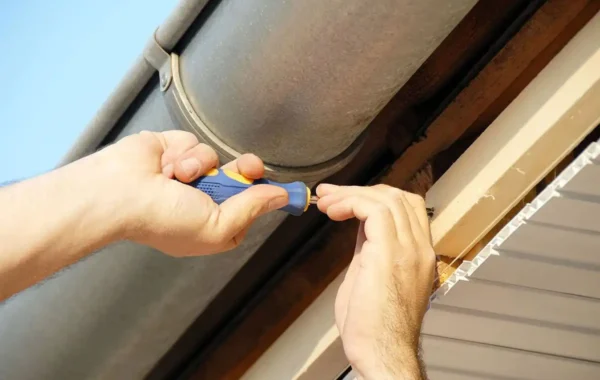
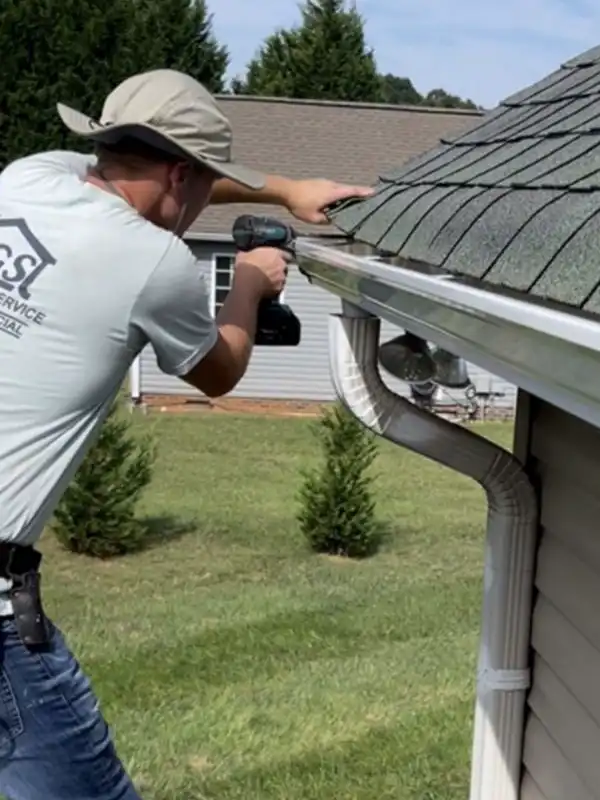
Gutters Vs DIY In San Francisco
Trying to decide between hiring a pro and doing it yourself? For San Francisco homeowners, gutters vs diy san usually comes down to ladder safety, roof edges, and how much risk you want to take with hidden water damage. This guide covers what to look for, what materials matter, and how to plan the work so it lasts.
TL;DR: DIY can work for cleaning and small repairs when you can reach the gutters safely. Replacement runs, recurring leaks, and any work that touches damaged fascia (the board behind the gutter) usually go smoother with a trained crew. Start with a short inspection and a realistic timeline.
Quick Checklist (5 Minutes):
- After a rain, walk the perimeter and note drips at corners or joints.
- Look for peeling paint or soft spots on the fascia.
- Check for sagging sections or hangers pulling loose.
- Confirm the gutter has pitch (a slight slope) toward the downspout.
- Think through safe ladder access and where you’ll set it up.
- Decide whether you want guards to reduce leaf buildup.
Prefer to talk through the timeline before you commit? US Construction & Remodeling Corp. offers a planning call you can book online at https://usconstructioncali.com/free-estimate/.
Common Pain Points With Gutters Vs DIY In San Francisco (And Fixes) For Gutters Vs DIY San
| Decision | Why it matters | Quick check |
|---|---|---|
| Gutter size (5-inch vs 6-inch) | Capacity affects overflow risk during heavy rain. | Ask the installer to size based on roof area and runoff. |
| Downspout locations | Where water lands affects erosion and slip hazards. | Map discharge points and confirm extensions/splash blocks. |
| Guards/screens | Reduces clogs but still needs maintenance. | Choose based on debris type and confirm cleaning access. |
| Fascia condition | Weak/rotted fascia causes sagging and leaks. | Inspect before install; include repair allowance in scope. |
Gutter problems tend to start with small signs: a drip at a corner, a stain on trim, or a wet spot that shows up after storms. In addition, When people search gutters vs diy san, they’re usually trying to stop the damage before it spreads. Here are the most common pain points and the practical fixes.
- Drips at corners or joints: Old sealant fails. As a result, Clean the joint, dry it, and use a gutter-rated sealant.
- Sagging sections: Hangers (the brackets that hold the gutter) loosen or miss solid wood. For example, Re-anchor into sound fascia or rafter tails.
- Water behind the gutter: The roof edge may also need drip edge (a thin metal strip that guides water forward) or flashing adjustment.
- Overflow during storms: Clogs, crushed sections, or a run that holds standing water. Additionally, Clear debris, flush with a hose, and reset the slope.
- Downspout clogs: Debris collects at the outlet. Meanwhile, Add a strainer and plan for periodic flushing.
- Stains on siding or trim: Leaks can run behind paint. Also, Fix the leak first, then address the finish once the area dries.
Planning The Gutter Layout (Before You Buy Materials)
Layout planning means sketching each roof edge and matching it to the right parts. For this reason, Note corners, long straight runs, and valleys (the V-shaped lines where two roof sections meet). That sketch helps you avoid mid-project “extra trip” problems.
- Choose a profile: K-style (most common), half-round (rounded look), or box-style (clean lines).
- Decide on sectional vs seamless. Overall, Seamless gutters have fewer joints, so they often stay tighter over time.
- Plan downspout placement based on where you can connect to existing drains or direct water away from the home.
Tight-Access Homes: Ladder And Staging Plan
In San Francisco, access can be the hardest part. Overall, Narrow side yards and limited staging space change what DIY looks like. If you can’t place a ladder securely and move along the run safely, stop and rethink the plan.
- Pick ladder locations that keep you off sloped, slick, or soft surfaces.
- Protect walkways, windows, and landscaping from falling debris during cleaning or tear-off.
- Set a debris plan so you don’t leave sharp offcuts or wet sludge on the ground.
Debris Control Options (Guards, Screens, And Micro-Mesh)
Guards don’t eliminate maintenance, but they can reduce how often you need to clean. Overall, The right guard depends on the debris you get and the roof edge details.
- Screen guards: Budget-friendly and simple, but small debris can still pass through.
- Micro-mesh: Blocks finer debris, but it needs careful fit to avoid lifting at the edges.
- Solid covers: Shed larger leaves, but performance depends on roof pitch and rainfall intensity.


Planning, Budget, And Materials For Gutters Vs DIY San
This checklist helps you scope the work and compare a weekend DIY plan to a professional install. For example, Use it before you price materials or schedule labor.
Planning Checklist
- Define the goal: stop one leak, improve flow, or replace failing runs.
- Inspect fascia and rafter tails. Additionally, Fix wood damage before hanging new gutters.
- Check pitch with a level. For example, Gutters need a slight slope so water moves to the downspout.
- Decide on sectional vs seamless based on leak history and the number of joints.
- Choose material: aluminum (common and corrosion-resistant), steel (strong but coating matters), or copper (premium).
- Pick a guard approach or plan for routine cleaning instead.
- Confirm access: stories, roof steepness, and safe ladder locations.
- Plan for cleanup and hauling of old metal and debris.
Materials That Change Performance
End caps, corners, outlets, and hangers (the support brackets) prevent leaks and sagging. Don’t treat them as “extras.”
- Fasteners and hangers: Use corrosion-resistant hardware and anchor into solid wood.
- Sealants: Use a sealant rated for gutters, not general-purpose caulk.
- Flashing and drip edge: Roof-edge metal should guide water into the gutter, not behind it.
| Decision | DIY-friendly? | What matters most |
|---|---|---|
| Cleaning and flushing | Often | Safe access, debris control, and a full water check |
| Joint repairs | Sometimes | Surface prep, dry conditions, and correct sealant |
| Full replacement | Rarely | Straight runs, proper slope, and solid anchoring |
| Guard selection | Yes | Debris type, fit, and edge lift prevention |
| Wood repair at roof edge | No | Rot removal, structural soundness, and flashing details |
Timeline And Permit Considerations
Gutter work can move quickly once you have materials. Also, The timeline stretches when you uncover rotten wood, need custom fabrication, or have hard access that requires extra safety setup.
Budget Drivers & Timeline (Typical)
- Cleaning and minor re-sealing: often same-day if access is safe.
- Standard replacement on a straightforward roofline: commonly completed in a day.
- Complex rooflines, multi-story access, or wood repair: plan for more than one day.
- Budget changes most with material choice, access height, and roof-edge repair needs.
San Francisco Permit Tracking And Scheduling
Some exterior work may require permits depending on what you change and what you repair. Overall, If your scope triggers a permit, San Francisco DBI provides online permit tracking for plan review status and inspections: https://sfdbi.org/.
How To Avoid Costly Mistakes
Mistakes usually show up as repeat leaks, water behind the gutter, or sagging sections. Also, These checks prevent most of the headaches.
- Don’t hang new gutters on soft wood: Repair fascia first so fasteners hold.
- Don’t miss the slope: Flat runs hold water and spill at low points.
- Don’t under-support long runs: Too few hangers leads to sagging and pulled fasteners.
- Don’t seal dirty, wet metal: Clean and dry joints before sealing.
- Don’t skip a water test: Hose-test every corner and outlet before you call it done.
- Don’t ignore roof-edge metal: Drip edge and flashing should guide water forward.
- Don’t gamble on safety: If ladder setup isn’t solid, pause and get help.
DIY Safety Reality Check
- Use a ladder stabilizer and keep the feet on a flat, firm surface.
- Move the ladder often. Avoid reaching far sideways.
- Don’t work in wind, rain, or on wet surfaces.
- If you can’t keep three points of contact, stop.
If you’d rather talk scope and timing before you climb up, call +1 (916) 234-6696.

Next Step For Homeowners In San Francisco
US Construction & Remodeling Corp. Also, helps San Francisco homeowners compare repair vs replacement, choose materials that fit the home, and set a realistic schedule before work starts. Book a planning call to talk timeline and next actions: https://usconstructioncali.com/free-estimate/.
Quick Decision Rules
Use these rules to decide whether you should handle the job yourself or bring in a crew.
- DIY makes sense for cleaning, flushing, or a small joint repair you can reach safely.
- Hire a pro for multi-story work, long runs that need precise slope, or any wood repair at the roof edge.
- Get eyes on it if you see stains on trim, soft fascia, or repeat overflow during storms.
- Choose the plan you can maintain (guards help, but every system needs checkups).
Trust And Verification
Solid gutter work is easy to confirm when the scope is clear. Additionally, Ask for a written plan that lists materials, replacement areas, and protection for the roof edge and surrounding surfaces.
- Licensing and insurance: Ask for current documentation before work begins.
- Permit responsibility: Put in writing who checks permit needs and who schedules any inspections, if required.
- Communication: Expect an update if the crew finds damaged wood or hidden problems.
- Workmanship checks: Look for straight lines, solid hangers, clean sealed joints, and a final water test.
Before/After Example (Anonymized)
Example scenario (hypothetical): A homeowner notices drips at a corner and paint peeling on the fascia below the gutter line. In addition, The root cause turns out to be loose hangers and failed sealant at the corner joint.
After: The crew re-anchors the hangers into solid wood, resets the slope, reseals the corner with gutter-rated sealant, and hose-tests the full run to confirm the leak is resolved.
Maintenance After Installation
New gutters still need simple upkeep. A short routine helps you catch small issues before they stain trim or damage wood.
- Inspect and clear debris twice a year and after heavy wind.
- Flush with a hose and watch for slow sections or standing water.
- Check hangers and joints for looseness or separation.
- Keep roof valleys clear so water reaches the gutters cleanly.
Explore Related Home Exterior Projects
If gutter issues exposed damaged trim or roof-edge wood, it may connect to broader exterior upkeep. Visit https://usconstructioncali.com/ or schedule directly at https://usconstructioncali.com/free-estimate/.
Contact Details
US Construction & Remodeling Corp. | Phone: +1 (916) 234-6696 | Online booking: https://usconstructioncali.com/free-estimate/
Helpful Links
Frequently Asked Questions
It depends on scope and access. Once materials are on site, many jobs move quickly.
- Cleaning and flushing: often done in a single visit.
- Targeted repairs: usually same-day if the joint is accessible and dry.
- Replacement runs: can take a full day, longer with complex rooflines or wood repair.
The biggest cost drivers are materials, access, and what you find at the roof edge.
- Material choice (aluminum vs steel vs copper)
- Number of corners and joints
- Story height and safety setup
- Fascia or trim repair before new gutters go up
- Guard selection and complexity
Some minor repairs may not require a permit, but requirements can change based on what you repair or modify. If the work involves structural wood repair or other exterior changes, permits may apply. When in doubt, check with San Francisco DBI and document the decision before work starts.
Sectional gutters come in pieces that join together. Seamless gutters are formed in long runs, which reduces the number of joints.
- Sectional: more DIY-friendly, but more joints can mean more leak points over time.
- Seamless: fewer joints and a cleaner look, usually fabricated and installed by a crew.
If you keep coming back to gutters vs diy san, start with safety and scope. DIY works best when you can reach the work securely and the fix is small.
- DIY: cleaning, flushing, and small seal repairs you can access safely.
- Pro: multi-story work, replacement runs, persistent leaks, or any wood repair at the roof edge.
Good questions keep the project clean and predictable.
- What materials, profile, and guard options do you recommend for my roof edge?
- How will you confirm slope and test for leaks at the end?
- What wood repair or flashing adjustments might be needed?
- Who checks permit requirements and schedules inspections, if needed?
- Can you provide current license and insurance documentation?
Licensed, insured & trusted local contractor
US Construction & Remodeling Corp.
9821 Business Park Dr, Sacramento, CA, 95827
Phone: +1 (916) 234-6696
CSLB License #: 1117562 Fully licensed and insured.