Home Siding Options in California: Materials, Checks & Timeline
Siding does more than change curb appeal; it also protects your wall system from sun, wind, and water. The right home siding options for California homes balance durability, maintenance, and how the house is detailed around windows and doors.
Quick checklist:
- Pick a siding material and finish that matches climate and maintenance goals.
- Confirm moisture management details (housewrap, flashing, caulking) in writing.
- Define the full scope (trim, soffit/fascia, paint, insulation upgrades).
- Confirm access/safety plan and how landscaping/property will be protected.
- Compare 2–3 itemized quotes and verify warranty coverage.
- Check permit requirements if altering exterior walls or doing structural repairs.
TL;DR: Choose a material you can maintain, then make sure the installation manages water correctly at every edge and penetration. Ask for a written scope that spells out prep, repairs, and finish work. If you want help sorting home siding options before you commit, US Construction & Remodeling Corp. can review your exterior and price the work in writing.
- Pick the primary material (fiber cement, vinyl, engineered wood, wood, stucco, or metal).
- Decide on profile and layout (lap, board-and-batten, shingle accents, or panels).
- Confirm trim strategy at windows, doors, and corners.
- Ask how the crew will handle the weather barrier and flashing at penetrations.
- Plan attachment points (lights, cameras, hose reels, address numbers) before install.
- Request a line-item estimate that includes prep, repairs, finish, and cleanup.
Quality, Safety, And Long-Term Value For Home Siding Options
| Decision | Why it matters | Quick check |
|---|---|---|
| Material choice | Durability and maintenance differ by material. | Compare fiber cement vs vinyl and verify warranties. |
| Moisture management | Water control prevents rot and mold. | Confirm housewrap and flashing details around openings. |
| Trim & transitions | Details control fit and long-term sealing. | Specify corners, soffit/fascia scope, and finish plan. |
| Access & protection | Staging affects speed, cost, and safety. | Plan scaffolding, landscaping protection, and cleanup. |
When homeowners compare home siding options, it is easy to get stuck on color and texture. For this reason, Long-term performance depends on details you do not see from the street: straight layout, clean trim transitions, and a wall system that sheds water instead of trapping it. For example, Because California spans many microclimates, the best choice is the one you can maintain and detail correctly on your specific home.
This guide is also for homeowners replacing aging siding, addressing recurring paint failure, fixing soft spots, or upgrading curb appeal before selling. It is also useful when you want a clear scope to share with contractors so bids stay comparable.
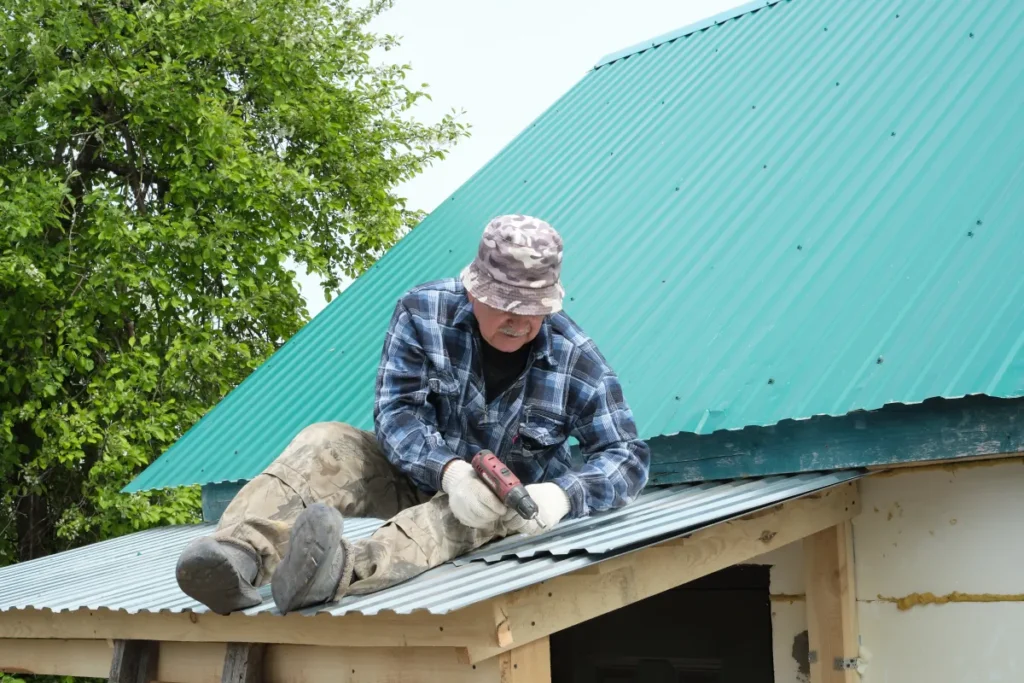
Siding work involves ladders, cutting tools, and sometimes old paint. In addition, If your home was built before 1978, ask how the crew handles lead-safe practices during removal and cleanup.
Make The Look Intentional
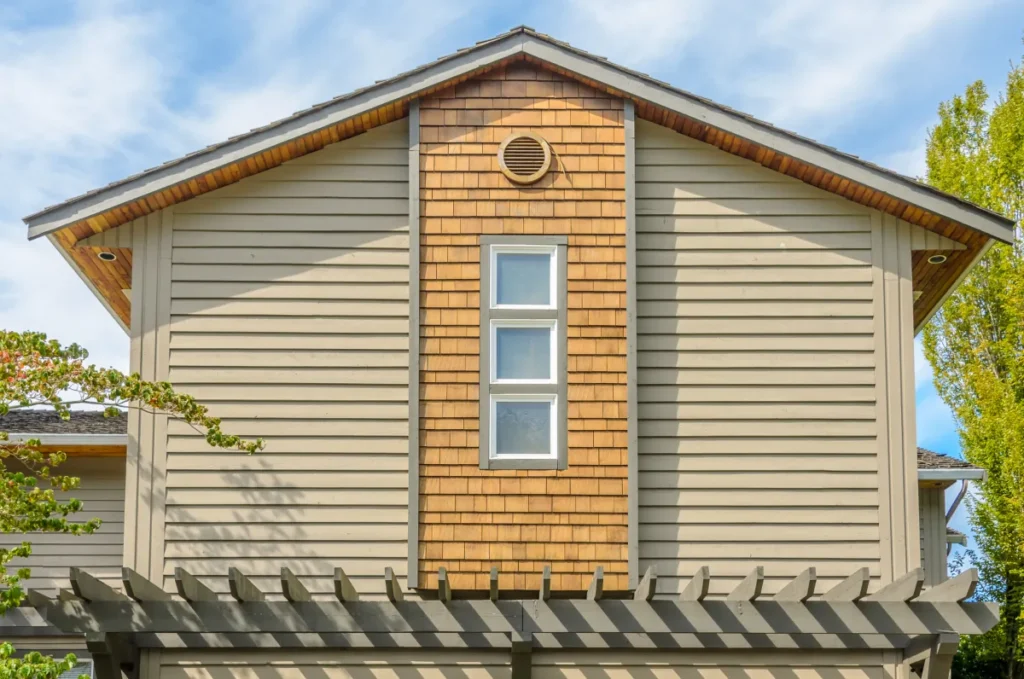
- Choose a primary profile: traditional lap, smooth modern lap, or board-and-batten.
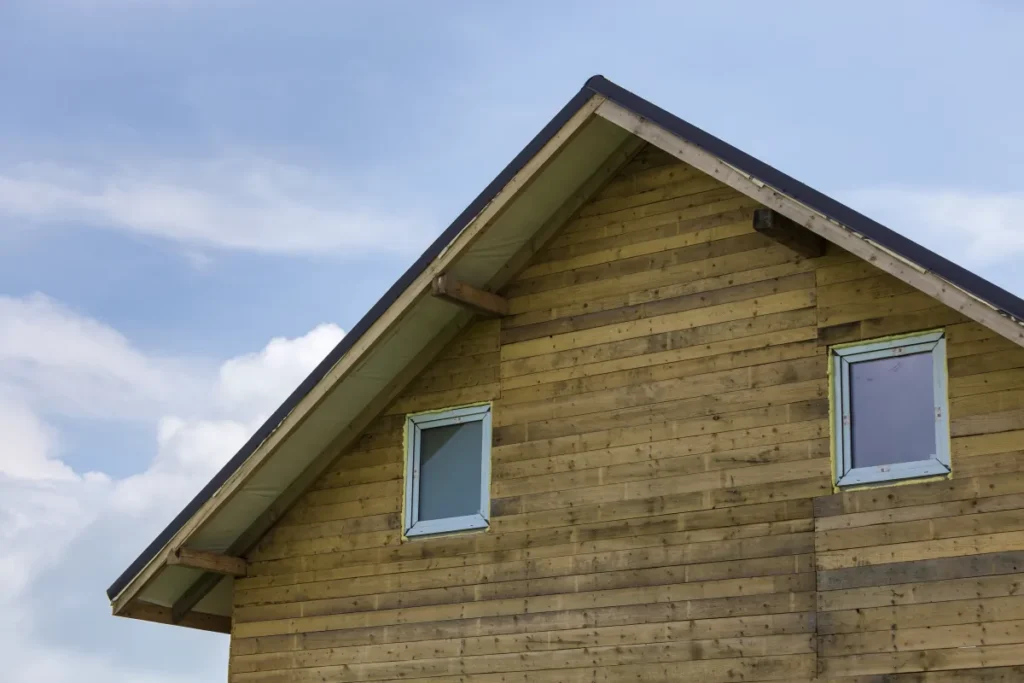
- Use an accent zone to add character (gable ends, entry walls, or a bump-out).
- Pick a reveal and course height that fits the proportions of your home.
- Select trim widths that match the style (clean modern lines or bold traditional casing).
- Decide on corner treatment: corner boards, mitered corners, or system-matched corners.
- Plan clean transitions where siding meets stucco, brick, or stone accents.
- Coordinate soffit and fascia finishes so the roofline looks finished.
- Add mounting blocks now for lights, hose reels, cameras, and address numbers.
- Build a simple color plan: body, trim, and accent; test samples in sun and shade.
- Consider prefinished vs field-painted based on schedule and touch-up comfort.
- Place vents and hose bibs intentionally so the elevation stays balanced.
Planning Mistakes That Create Expensive Rework
- Choosing by the lowest price without comparing what the scope actually includes.
- Skipping a discussion about hidden repairs and how they will be priced and documented.
- Ignoring clearance needs at grade, patios, and roof-to-wall intersections.
- Relying on caulk to fix bad detailing instead of planning proper water management.
- Forgetting exterior attachments until after installation, which leads to patchwork penetrations.
- Picking a material with maintenance demands you do not want to keep up with.
- Accepting a vague estimate that omits trim, finish work, or cleanup.


Quality Checks That Matter For Home Siding Options
Two homes can use the same siding and age very differently. Additionally, The difference usually comes from execution: layout, fastening, and how the crew handles every edge, joint, and penetration. A good contractor will explain these details in plain language and show you what will happen before the first board goes up.
How The Work Typically Runs On A Siding Project
- Site visit and measurements, plus a discussion of goals, style, and maintenance tolerance.
- Material selection: profile, trim package, color/finish, and any accent areas.
- Written estimate with a clear scope, assumptions, and an allowance or plan for repairs if issues are found.
- Permits and inspections when required by the local jurisdiction and the project scope.
- Ordering materials and setting a start date once lead times are confirmed.
- Site protection (landscaping, walkways), then careful removal of old siding as needed.
- Substrate review and repairs, followed by the weather barrier and detailing around openings and penetrations.
- Siding and trim installation, then paint/finish work (if applicable), cleanup, and a final walkthrough.
Permit requirements vary across California and can change based on what you are modifying. Overall, Ask early who will pull the permit (if needed) and what inspections you should expect so the schedule stays realistic.
Details That Separate A Good Install
- Straight courses and consistent reveals, especially across long walls.
- Neat trim joints at corners and around windows/doors, with consistent gaps where required.
- Clean, well-sealed penetrations for vents, faucets, and exterior electrical boxes.
- Proper clearances at grade and hard surfaces so the siding does not wick moisture.
- Even caulk lines where appropriate (no smeared or overfilled joints).
- Fasteners placed and driven correctly so boards sit flat without cracking or waviness.
- Cut edges treated per the product requirements, especially on site-cut fiber cement or wood.
- Daily cleanup and a punch list at the end so small issues do not linger.

Materials And Maintenance Notes
US Construction & Remodeling Corp. For example, helps homeowners compare home siding options with a practical lens: how each material holds up, what it needs year to year, and which details protect the walls behind it. Based in Sacramento, our team can review your exterior, explain tradeoffs, and outline a scope that fits your budget and maintenance goals.
Request a written estimate and include a few exterior photos, your preferred material (if you have one), and any known repair concerns.
Pros, Tradeoffs, Best Uses
- Fiber cement: A strong all-around option that takes paint well and holds crisp lines. Meanwhile, It is heavier and takes experienced handling and cutting, so installer skill matters. Plan for periodic repainting like any painted exterior.
- Vinyl: Low-maintenance and often budget-friendly. Also, It expands and contracts with temperature changes, so details and fastener placement matter to avoid waviness. Ask about impact resistance and color limitations in high-heat exposures.
- Engineered wood: A wood-forward look with factory finishes available on some lines. As a result, It still needs careful edge treatment and ongoing maintenance, so confirm the manufacturer requirements for touch-up and repaint cycles.
- Natural wood: Great character and easy customization, especially for accents. Overall, It demands the most maintenance, and it is less forgiving if sprinklers, shade, or poor clearances keep it wet.
- Stucco and similar cementitious finishes: Common in parts of California and can look seamless. For example, It needs experienced detailing and ongoing crack monitoring, so treat it as a system, not just a surface.
- Metal cladding: Clean modern lines and durable finishes on many products. Overall, It can dent, and it still needs careful detailing at edges and penetrations, but it can be a good fit for contemporary designs.
Maintenance Reality Check (So You Stay Ahead Of Problems)
- Wash siding periodically, especially on shaded walls where buildup can stick.
- Inspect caulk and paint at trim edges; small touch-ups prevent bigger repairs.
- Keep sprinklers, soil, and mulch from constantly wetting the lower courses.
- Trim back vegetation so air can circulate and the finish can dry after rain.
- Address small cracks or gaps early instead of waiting for water staining.
Exterior Organization Upgrades While Re-Siding
New siding looks best when the wall stays clean and organized. Also, While the crew has access to the framing and sheathing, plan attachment points so you do not have to drill and patch later.
- Add backing or blocking for hose reels, lighting fixtures, cameras, and shade structures.
- Plan a clean path for exterior cables (internet, security, TV) so they do not zigzag across the wall.
- Choose mounting blocks and trim kits that match the siding profile for a finished look.
- Decide where you want address numbers, mail hardware, and doorbell equipment before layout starts.
- Consider a weather-protected package drop spot so deliveries do not clutter the entry.
- Confirm how the crew will seal and flash every penetration so water stays out.
Before/After Example (Hypothetical)
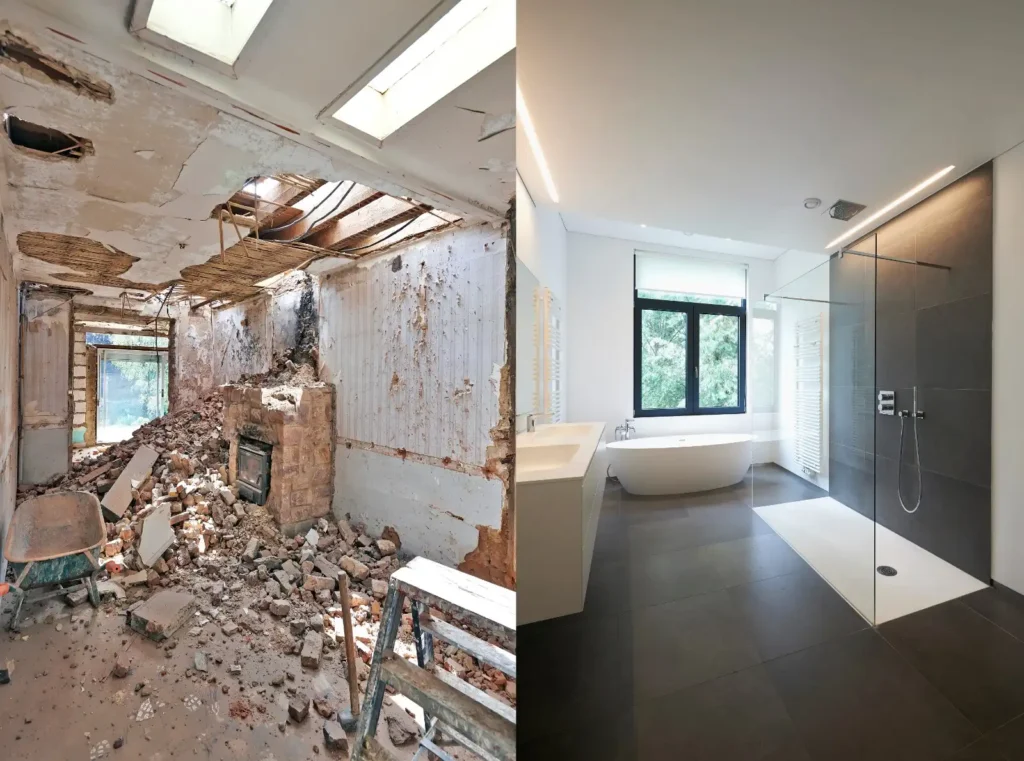
Before: Peeling paint, mismatched patches from past repairs, and soft trim near window corners. Also, The homeowner liked the house style but wanted a cleaner elevation and less maintenance.
After: A refreshed layout with straight lap siding, updated trim proportions, and planned mounting blocks for lights and a hose reel. Overall, The scope included targeted substrate repairs and a finish plan that matched the homeowner's maintenance comfort.
Frequently Asked Questions
Most homeowners compare fiber cement, vinyl, engineered wood, natural wood, stucco-style finishes, and metal cladding. Each option has a different balance of maintenance, durability, and look.
- Want paintable and crisp lines? Compare fiber cement and some engineered wood lines.
- Want low routine maintenance? Vinyl can be a fit if installed correctly for expansion.
- Want natural character? Wood can look great, but plan for more upkeep.
- Want a seamless look? Stucco-style systems can work well with proper detailing.
It depends on your local building department and what the project includes. Simple like-for-like replacement may not require a permit in some jurisdictions, while structural changes, changes to openings, or certain fire-safety or energy scopes can.
Ask the contractor to confirm permit needs in writing. In Sacramento, homeowners often track permit status online through the Accela Citizen Access portal.
Timeline depends on material lead times, the amount of removal and repair work, and whether inspections apply. Many projects move quickly once materials are on site, but surprises behind the old siding can extend the schedule.
- Selection and ordering: days to weeks
- On-site work: several working days for many homes, longer with complex elevations
- Permits/inspections: added time when required
Siding cost usually comes down to scope and complexity more than any single material choice. These factors typically move the price the most:
- Material type and finish (prefinished vs paint)
- Square footage and number of stories (access)
- Trim package complexity and window/door detailing
- Removal, disposal, and number of existing layers
- Repairs to sheathing, trim, or framing found during removal
- Permit/inspection requirements where applicable
Use the scope details as your comparison tool. Two bids can look similar but include very different assumptions.
- Confirm the exact product line, profile, trim package, and finish scope.
- Look for a clear plan for repairs and how changes will be documented.
- Make sure water-management details are described (openings and penetrations).
- Check cleanup, disposal, and final walkthrough expectations.
- Ask who handles permits if they are necessary for your scope.
Siding alone is not always the biggest energy lever, but it can create an opportunity to improve comfort while the exterior is open. Depending on your home, adding air sealing details and considering continuous insulation can help.
If energy performance is a goal, ask your contractor what options fit your wall type and local requirements before you choose materials.