Skip links

Jacuzzi bath remodel: Options, Materials & Timeline

If you’re planning a jacuzzi bath remodel, start by deciding what you actually want from the space: a jetted tub experience, a safer walk-in tub, or a tub-to-shower conversion. That single decision drives the plumbing scope, finish choices, and how much daily disruption you’ll feel.

TL;DR: A clean result comes from a clear scope (keep the layout or move plumbing), a wall system you’ll realistically maintain, and fixtures that match the right valve and rough-in. In California, permits may apply when plumbing, electrical, or ventilation changes, so plan for inspections. Call +1 (916) 234-6696 to talk through your options.

Quick Checklist:

  • Choose the direction: keep the tub, switch to walk-in, or convert to a shower
  • Confirm whether any plumbing needs to move (drain, valve, supply lines)
  • Pick a wall system you can maintain (tile vs panels vs solid surface)
  • Decide on safety features (grab bars, bench, slip-resistant floor)
  • Plan ventilation and lighting upgrades while walls are open
  • Set expectations for bathroom downtime and inspection scheduling

Options And What Each Includes For Jacuzzi Bath Remodel

DecisionWhy it mattersQuick check
ScopeDefines what is included and prevents surprises.Write a line-item scope and allowances list.
Site constraintsAccess and hidden conditions can change the plan.Check access and existing surfaces before work starts.
SelectionsLong-lead items can drive the schedule.Confirm availability before starting.
PermitsSome scopes require approvals and inspections.Ask your city/county what applies to your project.
  • Low-threshold shower pan for easier entry and cleaning
  • Handheld shower + slide bar for comfort and accessibility
  • Built-in niche (or two) placed at shoulder height
  • Solid-surface or acrylic wall panels for a low-grout look
  • Frameless (or minimal-frame) glass to keep sightlines open
  • Slip-resistant flooring with a clean, also tight transition at the shower
  • Quiet exhaust fan with a humidity sensor to protect finishes
  • Vanity with deep drawers instead of doors for better storage
  • Layered lighting: ceiling ambient + vanity task + accent
  • Grab bars and a corner bench that look intentional, not “afterthought”

Homeowners use “Jacuzzi” in two different ways. For this reason, Some mean a jetted tub they can soak in. For this reason, Others mean a branded bath system they’ve seen advertised. Either way, the smart move is to define what’s being replaced (tub, shower, walls, flooring, vanity, lighting) and what stays.

A solid jacuzzi bath remodel scope usually includes demolition of the existing wet area, corrections to any water damage discovered during demo, waterproofing behind the finished surfaces, new fixtures, and clean trim/caulking details. If you’re converting a tub to a shower, the plan should also address curb height, door swing, and where you’ll place storage so shampoo bottles don’t end up on the floor.

This service fits homeowners who want a safer bathing setup, easier cleaning, or a more updated look without guessing which choices will create extra rework.

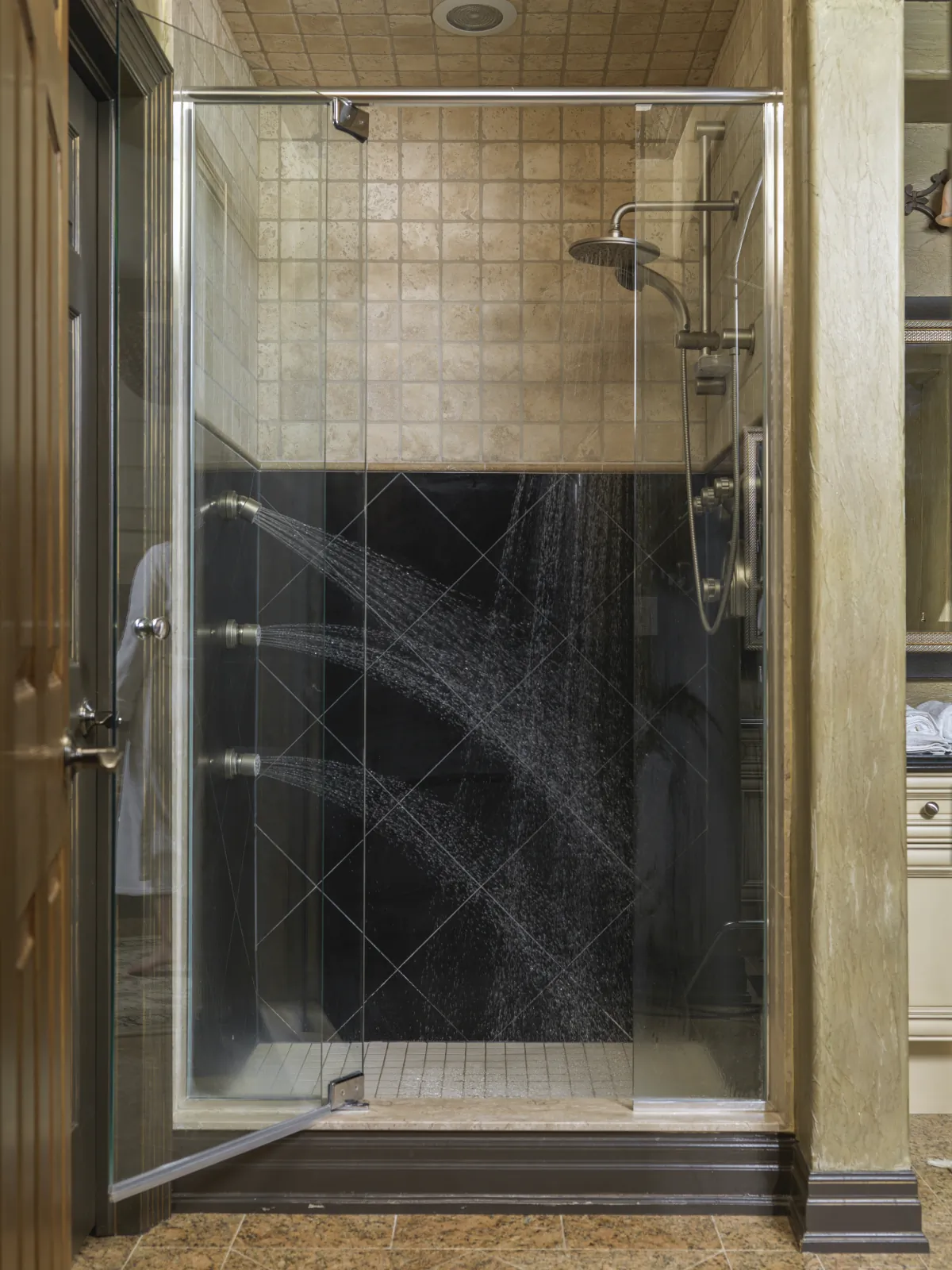
shop assistant showing bathroom furniture custo construction cali

Scope Options (Refresh Vs Full Remodel) For Jacuzzi Bath Remodel

Most bath projects fall into one of two lanes. Overall, A refresh keeps the footprint and plumbing locations largely in place. As a result, A full remodel changes layout, moves plumbing, or adds electrical/ventilation work beyond a simple swap. Getting this right early keeps the schedule realistic and avoids mid-project redesign.

Refresh Scope (Layout Stays Put)

  • Replace an existing tub or shower with a similar-size unit
  • Update the surround (tile refresh, wall panels, or solid surface)
  • Upgrade the valve trim, showerhead, and accessories
  • Improve lighting and ventilation without major rewiring
  • Refresh paint, baseboards, and minor finish carpentry

Full Remodel Scope (Layout Changes Or Systems Expand)

  • Move the drain or valve, or change the wet-area footprint
  • Replace flooring throughout and update subfloor as needed
  • Swap or relocate the vanity, mirror, and electrical devices
  • Add a new fan circuit, upgraded lighting, or GFCI adjustments
  • Address waterproofing, backing, and framing changes behind walls

Small-Bath Layout Moves That Work

  • Convert tub-to-shower to free up floor space and improve access
  • Use a shallower vanity with drawers to keep clearance comfortable
  • Place niches on the “short wall” to keep elbows clear in the shower
  • Choose a sliding shower door when a swing door crowds the room
  • Add a tall linen tower only if it doesn’t choke the entry path

Planning Mistakes That Add Cost

  • Choosing fixtures before confirming valve compatibility and rough-in depth
  • Underestimating waterproofing details behind tile or panels
  • Ignoring ventilation needs, then fighting moisture and peeling paint later
  • Skipping storage planning, which leads to clutter and “redo” requests
  • Mixing metal finishes without a plan, creating a mismatched look
  • Not budgeting for hidden repairs discovered after demolition

Resale And ROI Priorities

If resale value matters, keep the look clean and broadly appealing. In addition, Neutral, durable finishes usually win over trendy colors that date fast. Accessibility upgrades also help ROI when you choose pieces that look intentional (a corner bench, well-placed grab bars, a handheld shower).

For the best payback, prioritize: a watertight installation, good ventilation, solid lighting, and mid-range fixtures that feel substantial in daily use.

Materials And Finish Selections

Materials should match how you live. A high-end tile pattern looks great, but it also demands regular care. Meanwhile, Wall panels reduce grout lines and keep cleaning simple. Overall, The right answer depends on your tolerance for upkeep and how long you plan to stay.

Tile Vs Panels Vs Solid Surface

  • Tile: most design flexibility; more grout to clean; waterproofing quality matters.
  • Acrylic/composite panels: fast to clean; fewer seams; limited pattern choices.
  • Solid surface: premium feel; easy maintenance; higher material cost.

Fixtures And Water Performance

Pick fixtures as a system, not as isolated parts. For example, Make sure the valve type matches your function (pressure balance vs thermostatic), and decide whether you want a handheld, rain head, or both. Meanwhile, If you’re keeping a jetted tub, confirm access to the pump and service panel so future repairs don’t require demolition.

Vanity, Cabinets, And Counters

Bathroom storage lives or dies on drawer space. As a result, For cabinet door styles, Shaker fits most homes, slab reads modern, and raised-panel leans traditional. Overall, Countertop options include quartz (durable and easy), granite (natural variation), solid surface (seam-friendly), and laminate (budget-friendly, but watch edges near water). Choose a sink style that keeps daily cleanup simple—integrated tops reduce seams.

Flooring Choices And Safety

Porcelain and ceramic tile handle water well and offer great slip-resistant options. Additionally, Natural stone looks high-end but needs sealing and careful cleaners. As a result, Luxury vinyl plank (LVP) can work in bathrooms when installed correctly, but you still need tight transitions and careful edge detailing around the wet zone. Whatever you choose, favor a floor with grip and a finish that won’t show every water spot.

Lighting That Feels Finished

A good bath uses layered lighting: ambient lighting for overall brightness, task lighting at the mirror for grooming, and accent lighting for a calm feel at night. Also, Add ventilation to match—good air movement protects paint, grout, and cabinetry.

Layout Language You May Hear

Even in bathrooms, designers borrow kitchen terms to describe storage runs and circulation. Also, A galley layout places storage and fixtures on two parallel walls. An L-shape uses two connected walls, while a U-shape wraps three sides for maximum storage. An island-centered concept can show up as a freestanding tub or a center “island” element (like a furniture-style linen tower) that anchors the room—use it only when it won’t pinch the walking path.

Timeline And Site Disruption (Typical)

A bath remodel moves fast once demolition starts, but a few variables can slow things down. Overall, Product lead times, inspection timing, and hidden conditions behind walls often decide whether your schedule feels smooth or stressful. A clear plan and timely decision-making keep the project moving.

Budget Ranges & Timeline (Typical)

  • Budget: refresh scopes usually stay lower; costs rise quickly when plumbing moves or tile expands.
  • Timeline: simple swaps can be measured in days; full remodels often run a few weeks with inspections.
  • Disruption: expect dust control, daily noise, and limited bathroom access during key phases.
  • Scheduling: specialty fixtures and doors can extend timelines if they arrive late.
DecisionCommon choicesWhat it affects
ScopeRefresh vs full remodelPermit needs, trade work, calendar
Wall systemTile vs panels vs solid surfaceMaintenance, install time, seams/grout
Plumbing changesKeep vs move drain/valveCost drivers and inspection steps
Safety upgradesBench, grab bars, low thresholdComfort, accessibility, resale appeal

Project Flow (Typical)

  1. Phone consult and site visit to confirm scope and constraints
  2. Written proposal that lists what’s included and what’s excluded
  3. Finish and fixture selections aligned to the chosen scope
  4. Permit check and submittal when the scope requires it
  5. Demolition and rough-in work (plumbing/electrical/venting)
  6. Waterproofing and wall system installation
  7. Fixture trim-out, glass/door install, and final detailing
  8. Punch list and cleanup so the bathroom is ready for daily use

Maintenance Tips That Keep It Looking New

  • Use pH-neutral cleaners on tile and stone; avoid harsh abrasives.
  • Squeegee shower walls to cut down on spotting and soap buildup.
  • Keep the fan running after showers to reduce moisture damage.
  • Seal grout or stone when recommended by the product manufacturer.
  • Re-caulk joints when you see gaps instead of waiting for leaks.

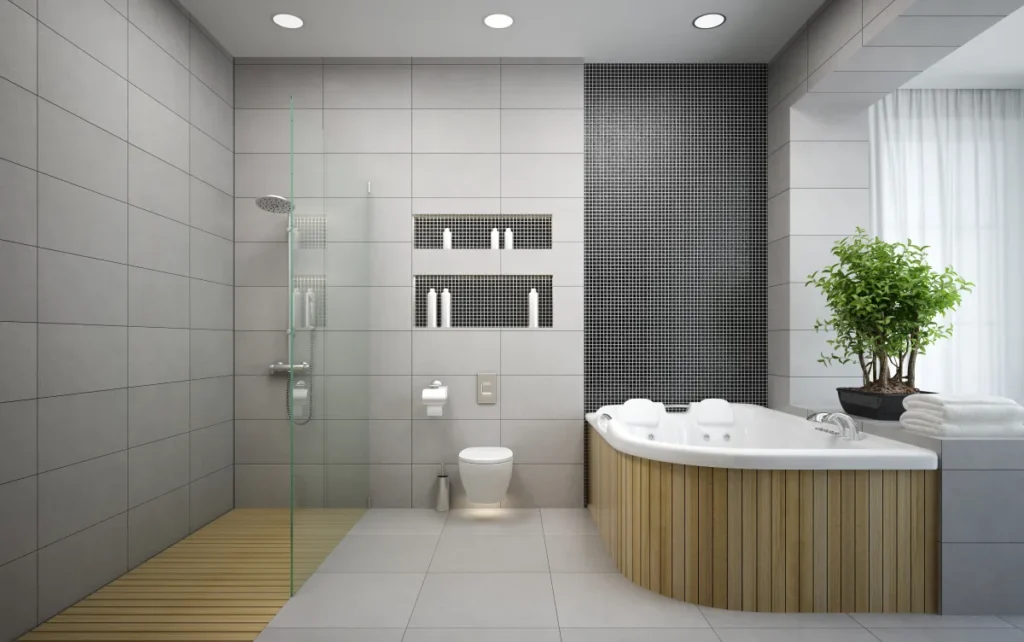
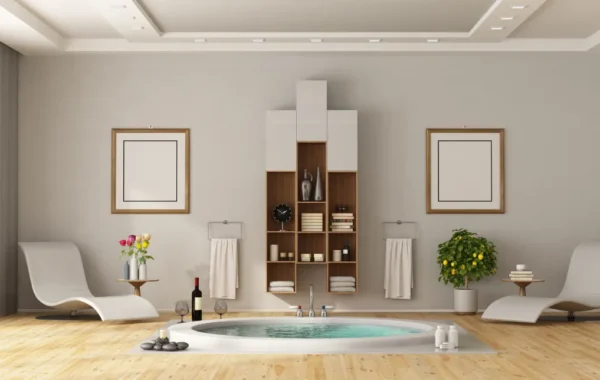
jacuzzi bath remodel interior modern design bedroom 3d renderin

How To Get Started In Sacramento

US Construction & Remodeling Corp. Overall, helps Sacramento homeowners run a jacuzzi bath remodel with a clear scope, coordinated trades, and straightforward communication from demo through finish work.

Call +1 (916) 234-6696 for a quick consult and a practical recommendation based on your bathroom. Prefer online scheduling? For this reason, Use our free estimate request form to book a visit.

Local Permitting And Inspections (General Guidance)

In Sacramento, permitting and plan review often run through the City of Sacramento Community Development portal (Accela Citizen Access). For this reason, Whether you need a permit depends on your exact scope—moving plumbing, adding electrical, or changing ventilation can trigger approvals. A reputable contractor should explain when permits apply and who is responsible for pulling them.

Trust And Accountability

  • Licensing and insurance: confirm both up front and keep copies with your project records.
  • Permit clarity: get it in writing when permits are necessary and who schedules inspections.
  • Communication: expect a single point of contact and timely updates when conditions change.
  • Change control: approve scope changes in writing before additional work begins.
  • Verification: use the state license lookup to confirm the contractor is in good standing.

Helpful Links

Frequently Asked Questions

It depends on the scope and the local building department. Many areas require permits when you move plumbing, add or change electrical devices, modify ventilation, or change structural elements. Ask your contractor to explain what applies to your address and whether they will pull permits and schedule inspections when required.

A straightforward conversion can move quickly, while full remodels take longer. The biggest variables are whether plumbing moves, what wall system you choose, and how inspections fit into the schedule.

  • Simple swap: often measured in days
  • Full remodel: commonly a few weeks

Scope is the main driver. Costs typically increase when you move drains/valves, expand tile coverage, upgrade electrical/ventilation, or add accessibility features.

  • Plumbing relocation and rough-in complexity
  • Wall system choice (tile vs panels vs solid surface)
  • Fixture tier and valve type
  • Hidden repairs after demolition

No. Tile offers the most design flexibility, but it comes with more grout maintenance and higher installation complexity. Wall panels reduce seams and simplify cleaning. Choose based on the look you want and how much upkeep you’re willing to do.

Focus on circulation, light, and storage. Keeping the layout can still deliver a big upgrade when you choose the right fixtures.

  • Use a glass enclosure to keep sightlines open
  • Pick a vanity with drawers and a slimmer depth
  • Add layered lighting (ambient, task, accent)
  • Build storage into niches instead of adding shelves

Compare scope clarity and accountability, not just price. Ask for a detailed written proposal, confirm licensing/insurance, and make sure the contractor can explain permit needs for your scope. Also ask how change requests are handled so you don’t get surprised mid-project.

Licensed, insured & trusted local contractor

US Construction & Remodeling Corp.
9821 Business Park Dr, Sacramento, CA, 95827
Phone: +1 (916) 234-6696

CSLB License #: 1117562 Fully licensed and insured.

View our Google Business Profile

Frequently Asked Questions

It depends on the scope and the local building department. Many areas require permits when you move plumbing, add or change electrical devices, modify ventilation, or change structural elements. Ask your contractor to explain what applies to your address and whether they will pull permits and schedule inspections when required.

A straightforward conversion can move quickly, while full remodels take longer. The biggest variables are whether plumbing moves, what wall system you choose, and how inspections fit into the schedule.

  • Simple swap: often measured in days
  • Full remodel: commonly a few weeks

Scope is the main driver. Costs typically increase when you move drains/valves, expand tile coverage, upgrade electrical/ventilation, or add accessibility features.

  • Plumbing relocation and rough-in complexity
  • Wall system choice (tile vs panels vs solid surface)
  • Fixture tier and valve type
  • Hidden repairs after demolition

No. Tile offers the most design flexibility, but it comes with more grout maintenance and higher installation complexity. Wall panels reduce seams and simplify cleaning. Choose based on the look you want and how much upkeep you’re willing to do.

Focus on circulation, light, and storage. Keeping the layout can still deliver a big upgrade when you choose the right fixtures.

  • Use a glass enclosure to keep sightlines open
  • Pick a vanity with drawers and a slimmer depth
  • Add layered lighting (ambient, task, accent)
  • Build storage into niches instead of adding shelves

Compare scope clarity and accountability, not just price. Ask for a detailed written proposal, confirm licensing/insurance, and make sure the contractor can explain permit needs for your scope. Also ask how change requests are handled so you don’t get surprised mid-project.

Leave a comment

This website uses cookies to improve your web experience.
Explore
Drag