
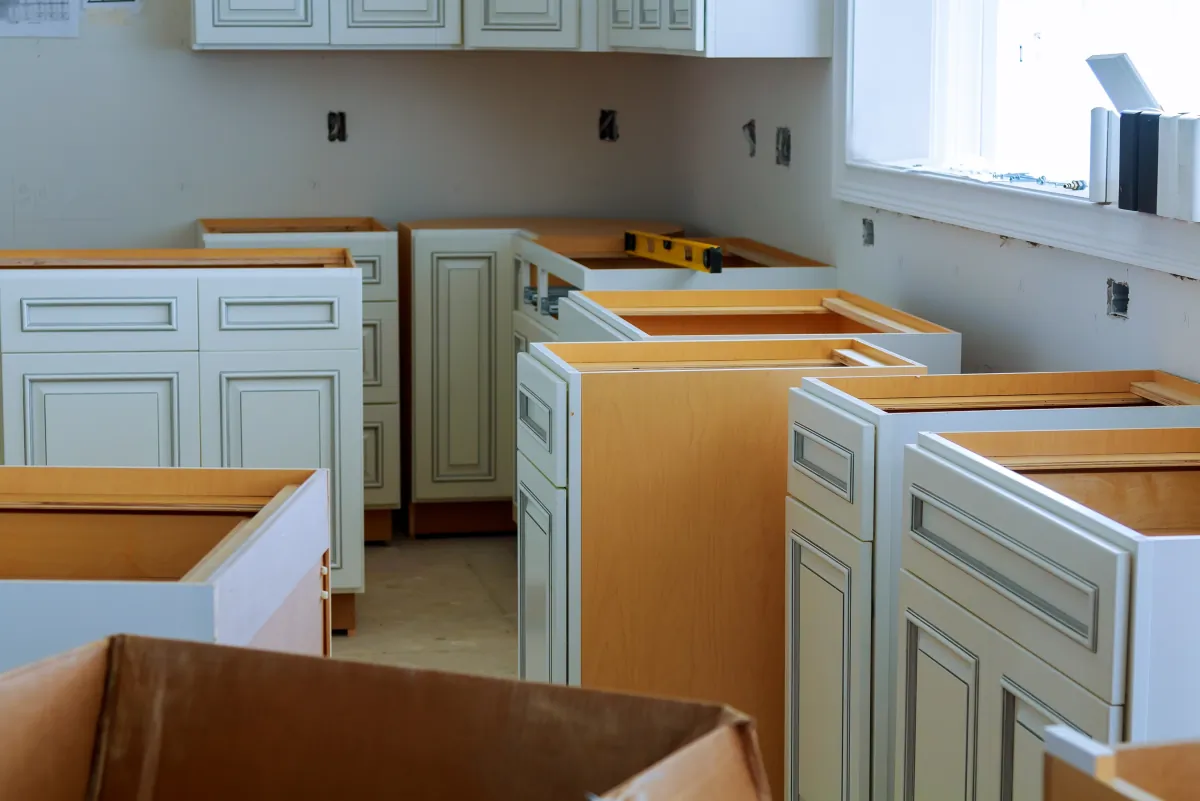
Kitchen remodeling timeline placer: Checklist & FAQs
A kitchen remodel is a chain of decisions, and one late choice can move every date behind it. If you’re planning your kitchen remodeling timeline placer homeowners search for, focus on scope, lead times, and the permit path before you pick a demo day.
Quick checklist:
- Define the scope and your must-have outcome (performance, budget, timeline).
- Confirm what work is involved and the order of operations.
- Finalize measurements and key selections before ordering long-lead materials.
- Collect 2–3 quotes and compare line-by-line (scope, allowances, cleanup, warranty).
- Create a simple schedule and pre-order the items that most often cause delays.
TL;DR: Schedules slip most often when selections come late, materials arrive out of order, or inspections aren’t lined up. Lock your layout, appliance specs, and cabinet plan early, then build the calendar around deliveries and trade sequencing. For a quick phone consult, call +1 (916) 234-6696 or request a free estimate.
- Define scope and any layout changes
- Pick appliances early (dimensions, power, gas)
- Select cabinets and counters with lead times in mind
- Confirm lighting, outlets, and ventilation plan
- Clarify permit/inspection path in Placer
- Set delivery dates and trade schedule before demo
A Homeowner Checklist For Kitchen Remodeling Timeline Placer
| Decision | Why it matters | Quick check |
|---|---|---|
| Scope | Defines what is included and prevents surprises. | Write a line-item scope and allowances list. |
| Site constraints | Access and hidden conditions can change the plan. | Check access and existing surfaces before work starts. |
| Selections | Long-lead items can drive the schedule. | Confirm availability before starting. |
| Permits | Some scopes require approvals and inspections. | Ask your city/county what applies to your project. |
You want a finish date you can plan around. Also, The best way to get there is to treat the remodel like a checklist of decisions, orders, and inspection points—not a single start date. For this reason, This approach works for a cosmetic refresh or a full layout change in Placer.
Build The Plan Around Decisions (Not Demo)
Demo feels like the beginning, but the schedule usually depends on what you decide and order beforehand. Additionally, Use this list to create a “decision calendar” that protects your timeline.
- Confirm scope: keep the footprint or change layout (walls, also sink, range, island)
- Choose appliances early and save spec sheets (rough-in and clearance needs)
- Select cabinet style and layout (door/drawer counts, pantry design, hardware)
- Pick countertop material and edge details (so templating and install stay on track)
- Decide sink, faucet, filtration, and disposal (cutouts and plumbing fittings matter)
- Map lighting and electrical (recessed, pendants, under-cabinet, dedicated circuits)
- Confirm ventilation approach (hood size, duct route, makeup air if applicable)
- Define backsplash scope (height, full wall runs, niche details)
Pre-Construction Checklist To Reduce Downtime
A few hours of prep can save days later. It also makes the home more comfortable if you plan to stay on site during the work.
- Set up a temporary kitchen area (microwave, coffee station, small fridge, dishwashing plan)
- Clear cabinets and protect nearby rooms (dust barriers, path protection)
- Confirm where materials will be stored and staged (garage, covered area, inside)
- Review work hours, access needs, and parking/staging constraints
- Plan for pets and kids (safety zones, doors/gates, noise expectations)
- Agree on communication and change-order rules in writing
Common Mistakes That Stretch Timelines
Most delays come from predictable planning gaps. In addition, Avoid these, and your schedule stays far more stable.
- Ordering cabinets before confirming appliance sizes and required clearances
- Changing layout after rough plumbing or electrical work starts
- Forgetting the “template wait” for countertops after cabinet install
- Scheduling installs before materials are delivered and inspected for damage
- Adding outlets, lighting, or hood changes late because the electrical plan was vague
- Choosing specialty items without checking lead times and return policies

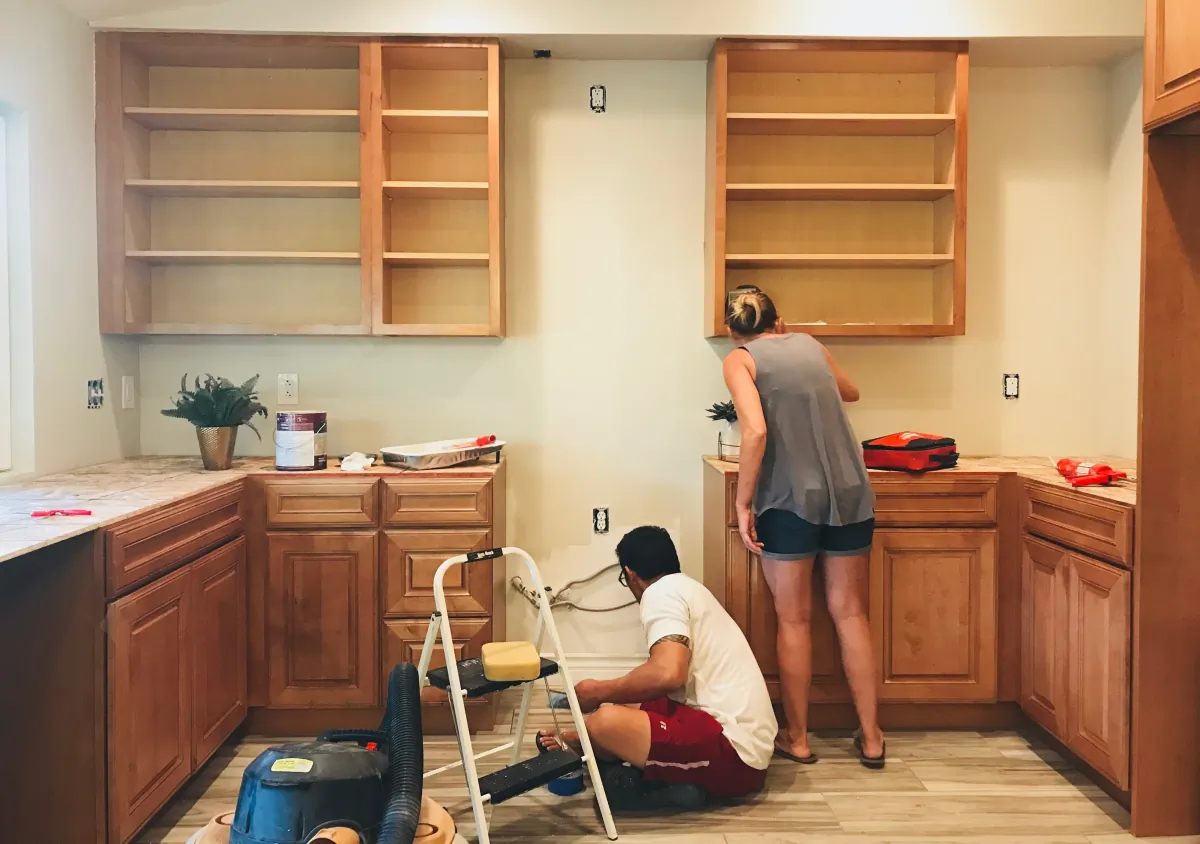
Permits And Code Considerations For Kitchen Remodeling Timeline Placer
Permits and inspections are often part of a kitchen remodel, especially when you change layout, touch structural elements, or modify plumbing/electrical/venting. Overall, Even a “same footprint” update can trigger trade permits if you add circuits, move fixtures, or change a hood setup. As a result, Your local building authority makes the final call, so verify requirements for your exact address and scope.
Permit Notes For Placer Homeowners
In Placer County, permitting often runs through a county online portal (commonly an Accela/e‑Permits workflow), although some addresses fall under an incorporated city’s process. For example, That jurisdiction detail matters because it can change plan review steps and inspection scheduling.
- Higher likelihood of permits: moving plumbing, adding new circuits, changing gas lines, removing walls, changing windows/doors, new vent routes
- Typical inspection touchpoints: rough plumbing/electrical, framing (if structural changes), and final sign-off
- Timeline impact: plan review and inspection windows can drive your calendar as much as material lead times
- Practical tip: align inspection days with trade availability so you don’t lose a week waiting to restart work
Timeline And Scheduling
Most kitchen remodels follow the same sequence, even when finishes differ. As a result, Planning and ordering can take as long as the build phase, so it helps to think in phases instead of a single “start-to-finish” block.
Typical Sequence (With Overlap Opportunities)
- Scope + layout: what changes, what stays, and what you’ll upgrade
- Selections + ordering: cabinets, appliances, counters, fixtures, tile, flooring
- Permits/approvals (as needed): plan review and inspection scheduling
- Demo + rough-in: demo, framing, plumbing/electrical/venting updates
- Close-up + finishes: drywall, paint, flooring, cabinet install, backsplash
- Final installs + punch list: countertops, fixtures, appliances, trim, final checks
Hypothetical Planning Example (For Expectations Only)
Example only: a layout-stable kitchen with readily available products may spend a few weeks on selections and ordering, then several more weeks on-site from demo to final. For this reason, A layout change with permit review and longer-lead materials can extend both phases. Additionally, Your exact timeline depends on scope, lead times, and local review/inspection availability.
| Decision / driver | Timeline impact | Budget impact |
|---|---|---|
| Layout changes (plumbing/gas/walls) | High | High |
| Cabinet type (stock vs semi/custom) | Medium–High | Medium–High |
| Countertop material + edge/detail work | Medium | Medium |
| Appliance availability + rough-in needs | Medium | Medium |
| Electrical/lighting scope (new circuits, can lights, under-cabinet) | Medium | Medium |
| Permit review + inspection scheduling | Medium–High | Low–Medium |
Scheduling Habits That Keep Things Moving
- Confirm who orders each item (contractor vs homeowner) and where it ships
- Set a “no later than” date for selections that affect rough-in work
- Plan around delivery windows so materials don’t arrive mid-demo with nowhere to go
- Hold a pre-start walkthrough to confirm access, protection, and daily cleanup expectations
- Use a written change-order rule so scope changes don’t derail the calendar

How To Choose Materials And Trades
Materials don’t just change the look of your kitchen—they can change the schedule. The smartest approach is to pick finishes that fit how you cook and clean, while also matching realistic lead times and install sequencing.
Choose For Daily Use And Lead Time
- Cabinets: confirm construction, door style, and hardware early; cabinet lead times vary widely by line
- Counters: plan for templating after cabinets; ask about seam placement and sink cutout timing
- Flooring: decide install order (before/after cabinets) and plan transitions to adjacent rooms
- Backsplash: simpler patterns move faster; complex mosaics often require more cuts and time
- Fixtures: match faucet and sink specs to countertop cutouts and plumbing connections
Questions To Ask Before You Hire A Contractor
Use these questions in every bid meeting. Meanwhile, Clear answers reduce schedule surprises later.
- Who is my day-to-day point of contact, and how often will I get schedule updates?
- What’s the realistic start window, and what has to happen before you can start?
- Which selections must be finalized before demo, and by what date?
- Who orders cabinets/counters/appliances, and how do you handle damaged deliveries?
- How do you coordinate trades and inspections to avoid idle days?
- How do you handle change orders, pricing approvals, and schedule impacts?
- What does site protection and cleanup look like each day?
If you want help turning your scope into a workable calendar, call US Construction & Remodeling Corp. at +1 (916) 234-6696. You can also book a free estimate and we’ll review your timeline goals.
What To Verify
The final walkthrough is where you protect the value of the remodel. As a result, Walk the space with a checklist, test what you can, and document any punch-list items so they get handled quickly.
- Cabinet doors and drawers open/close smoothly; hardware is consistent and aligned
- Countertops are secure; seams look clean; sink and faucet are sealed properly
- Backsplash grout/caulk lines are even; corners and edges are finished neatly
- Appliances power on, level correctly, and operate as intended (including vent hood)
- Outlets, switches, and lighting work; GFCI outlets trip/reset properly where installed
- Plumbing has no leaks at shutoffs, traps, and supply lines; water pressure feels normal
- Paint touch-ups, trim, and transitions look complete; floors feel solid with no squeaks
Maintenance Tips For The New Work
- Wipe counters with non-abrasive cleaners; avoid harsh chemicals that dull finishes
- Use cutting boards and trivets to protect surfaces from scratches and heat
- Clean grout and tile with pH-neutral products; reseal as recommended for your material
- Keep cabinet hinges and drawer slides clean; tighten hardware if it loosens over time
- Run the vent hood during cooking to reduce moisture buildup on cabinets and walls
Local note for Placer: permit routing can vary by jurisdiction (county vs incorporated city), so confirming the right path early helps keep inspections and trade scheduling aligned. Meanwhile, When you want a clear plan, call +1 (916) 234-6696 and we’ll talk through scope, lead times, and realistic scheduling.
Helpful Links
Frequently Asked Questions
Timelines vary by scope, lead times, and whether permits/inspections apply. It helps to separate the work into two phases: pre-construction (scope, selections, ordering, permits) and on-site construction (demo through final install). Both phases can move quickly or stretch out depending on decisions and availability.
- Pre-construction can expand when cabinets, appliances, or specialty finishes have longer lead times.
- On-site work can expand when layout changes require more rough-in work or when inspections fall on limited windows.
- Hidden conditions like water damage or out-of-date wiring can add extra steps once walls open.
If you’re comparing options and want a realistic calendar for your scope, call +1 (916) 234-6696 and we’ll help you map the timing.
Sometimes, yes. Permit needs depend on what you change. Moving plumbing, adding circuits, modifying gas lines, changing walls, or altering venting often triggers permits and inspections. A simple cosmetic update (paint, surfaces, cabinet hardware) may not, but the local building authority has the final say.
In Placer County, many projects use a county online permit portal workflow (often Accela/e‑Permits), while some addresses fall under an incorporated city’s process. Because the jurisdiction can affect review and inspection scheduling, confirm requirements early and build that time into your plan.
Order timing depends on when your design and measurements are stable. In practice, cabinets and appliances drive many other decisions, so lock those first. Countertops usually come later because most fabricators template after cabinet install.
- Appliances: choose early and confirm rough-in requirements before electrical/plumbing work begins.
- Cabinets: finalize layout, door style, and hardware before ordering; lead times vary widely by product line.
- Countertops: plan for templating after cabinets are installed; schedule fabrication/install windows accordingly.
A contractor-led schedule should also include receiving/inspection time for deliveries so you can address damage without stopping the job.
A good kitchen schedule works like a relay race. Each trade hands off to the next, and small gaps can snowball if deliveries and inspections aren’t aligned.
- Rough-in work: plumbing/electrical/venting changes happen after demo and before walls close.
- Close-up work: drywall, paint, and flooring prep set the stage for cabinetry.
- Finish installs: cabinets first, then countertops (template + install), then backsplash and final hookups.
Ask your contractor how they avoid idle days, how they schedule inspections, and what happens if a shipment arrives damaged or incomplete.
Cost usually follows scope and selections. Layout changes, cabinetry level, countertop material, and electrical/plumbing upgrades tend to move the budget the most. Instead of guessing, focus on decisions that keep both cost and timing stable.
- Keep the footprint when possible; moving plumbing/gas often adds complexity.
- Finalize selections early to avoid rush fees and last-minute substitutions.
- Ask for a clear written scope and a documented change-order rule.
- Choose materials that match your lifestyle; durability prevents quick replacements.
For an accurate estimate, you’ll need a site-specific review of scope and product choices. Call +1 (916) 234-6696 to talk through options.
Often, yes, but it depends on scope and your tolerance for noise, dust, and limited access to water/power in the kitchen area. Full gut remodels typically remove sink and cooking access for a period of time, so planning a temporary setup helps.
- Create a temporary food prep zone (microwave, air fryer, coffee station).
- Plan dishwashing (utility sink, bathroom sink, or disposable options for a short window).
- Protect nearby rooms and pathways, and plan for daily cleanup expectations.
- Decide how you’ll handle pets and kids around a work zone.
During planning, ask your contractor which days will impact water, power, and access so you can schedule around them.
Use the walkthrough to confirm function, finish quality, and safety basics. Test what you can while the team is still mobilized so fixes happen quickly.
- Open/close every cabinet door and drawer; check alignment and soft-close function if installed.
- Run water at the sink; check under the cabinet for leaks at all connections.
- Turn on every light and outlet; test GFCI where installed.
- Run the vent hood and appliances; confirm proper operation and clearances.
- Inspect caulk and grout lines, countertop seams, and transitions between materials.
Write down punch-list items and agree on a completion plan. If you want help building a walkthrough checklist for your project, call +1 (916) 234-6696.
Licensed, insured & trusted local contractor
US Construction & Remodeling Corp.
9821 Business Park Dr, Sacramento, CA, 95827
Phone: +1 (916) 234-6696
CSLB License #: 1117562 Fully licensed and insured.
Service info for Sacramento
For the complete overview of process and planning in Sacramento, visit Kitchen Remodeling.


