Kitchen remodeling vs diy in Alameda: a homeowner guide
Thinking about a kitchen refresh can feel like a fork in the road: do you tackle it yourself, or bring in a contractor? In Alameda, kitchen remodeling vs diy often comes down to layout changes, utility work, and how much downtime your household can realistically handle.
TL;DR: DIY can work for cosmetic updates when you keep the layout, cabinets, and utilities in place. A full remodel becomes the smarter route when you need coordinated trades, permit-ready work, or a kitchen that functions better every day. Use this quick checklist to decide where you fit.
- Keeping the same layout and appliance locations?
- Cabinets still solid, or failing and out of square?
- Comfortable living without a full kitchen for weeks?
- Ready to plan lighting and ventilation, not just finishes?
- Project touches wiring, gas, or water lines?
- Want one accountable team to manage permits if needed?
Signs It’s Time For Kitchen Remodeling Vs DIY In Alameda
| Decision | Why it matters | Quick check |
|---|---|---|
| Scope | Defines what is included and prevents surprises. | Write a line-item scope and allowances list. |
| Site constraints | Access and hidden conditions can change the plan. | Check access and existing surfaces before work starts. |
| Selections | Long-lead items can drive the schedule. | Confirm availability before starting. |
| Permits | Some scopes require approvals and inspections. | Ask your city/county what applies to your project. |
- Swap base cabinets for full-extension drawers in the main prep run.
- Add a tall pantry cabinet (or pull-out pantry) to get food off the counters.
- Choose a durable countertop (quartz, also granite, or quality laminate) with a simple edge profile.
- Run the backsplash higher in key zones for easier cleanup behind the range and sink.
- Install under-cabinet LED task lighting on dimmers.
- Create a coffee/appliance station so small appliances stop living on the counter.
- Build a true landing zone near the refrigerator for groceries and meal prep.
- Upgrade to a deep sink and a pull-down faucet for easier day-to-day cleanup.
- Add outlets where you actually prep, including hidden/under-cab options where appropriate.
- Use water-resistant flooring (tile or LVP) with clean, flush transitions.
- Plan an island or peninsula with seating and storage if the room allows.
Some kitchens only need a weekend refresh. In addition, Others keep fighting you every morning. Meanwhile, When doors don’t close, counters feel cramped, and lighting leaves shadows on the prep area, homeowners often start weighing kitchen remodeling vs diy as a real decision—not just a “nice-to-have.”
A Practical Decision Line
DIY makes sense when you’re swapping visible items and you can keep the existing layout. Overall, A remodel is typically the better call when you need new cabinets, improved ventilation, or any layout change that requires coordinated trade work and inspections.
- DIY is often a fit for: painting, swapping cabinet pulls, replacing a faucet, updating a backsplash, or adding under-cabinet lighting.
- A full remodel is often a fit for: replacing cabinets, reworking the workflow, adding an island, upgrading the main hood/vent, or changing utility locations.
Mistakes That Derail DIY Kitchens
Most DIY budgets blow up because of planning gaps, not because of effort. Additionally, These are the problems we see most often.
- Buying cabinets or appliances before confirming exact measurements and clearances.
- Skipping a scaled layout and ending up with tight door swings or blocked walkways.
- Choosing finishes first, then discovering the subfloor or walls need repair.
- Underestimating demolition, dust control, and disposal logistics.
- Overlooking ventilation and ending up with lingering odors and grease buildup.
- Starting demolition before confirming whether the scope needs a permit.
Storage Upgrades That Feel Custom
Smart storage changes the daily experience, even when the footprint stays the same.
- Toe-kick drawers for flat items like trays and placemats.
- Drawer dividers for utensils, spices, and food wrap rolls.
- Pull-down shelving in upper cabinets to reach the back without a step stool.
- Vertical dividers for cutting boards and baking sheets.
- Dedicated pull-out shelves for heavy mixers and cookware.
- Shallow “spice” or “sheet pan” pull-outs placed where you cook.

Common Upgrade Paths (What Changes Most)
Most kitchen projects fall into three paths: a cosmetic refresh, a functional upgrade, or a full layout change. For example, The right path depends on whether you can keep the existing cabinet footprint and utility locations.
Pick A Plan That Fits Your Traffic
Good layouts reduce steps between the sink, cooktop, and refrigerator. They also protect clearances so doors and drawers don’t collide.
- Galley: great for tight spaces; keep aisles clear and rely on drawer bases for storage.
- L-shape: flexible for open rooms; it creates a natural prep corner and leaves space for a small table.
- U-shape: efficient for cooks; it maximizes counter space but needs careful entry clearance.
- Island-centered: works when you have enough clearance around the island for seating and traffic.
Cabinets, Counters, Floors
Materials decide how the kitchen feels on day one—and how it holds up after years of cooking.
- Cabinet door styles: Shaker reads classic, slab feels modern, and raised-panel leans traditional. Also, Pick a style that matches the rest of the home so the kitchen doesn’t look “dropped in.”
- Cabinet construction: ask about box material, joinery, and shelf adjustability. As a result, Full-overlay doors and quality hinges often make the biggest “feel” difference.
- Countertops: quartz offers consistency and low maintenance, granite brings natural variation, laminate can be budget-friendly, and butcher block needs regular care around sinks.
- Flooring: porcelain tile is durable, engineered hardwood feels warm, and LVP handles spills well. For this reason, Choose based on your tolerance for scratches, water, and noise.
Layered Lighting That Reduces Shadows
Plan lighting in three layers: ambient for general brightness, task lighting for counters, and accent lighting for depth. Meanwhile, Under-cabinet lighting and well-placed ceiling fixtures make even modest upgrades feel intentional.
How The Work Usually Moves In Alameda
A contractor-led remodel stays smoother when you lock selections early and sequence work around inspections and deliveries.
- Site visit and measurements, plus a clear list of goals and must-keep items.
- Layout options and a selection plan for cabinets, counters, flooring, lighting, and fixtures.
- Finalize scope and a realistic budget range before ordering materials.
- If permits apply, prepare the plan set and submit through the City of Alameda’s online portal (Accela) for many projects.
- Order long-lead items (especially cabinets) and confirm appliance specs.
- Protect floors, control dust, and complete demolition.
- Complete rough-ins and required inspections as needed.
- Install cabinets, countertops, backsplash, and finish trim.
- Complete punch-list items and document final selections and care instructions.
Related Work To Bundle (To Avoid Rework)
If you’re already opening walls or replacing cabinets, it’s often cost-effective to include adjacent improvements in the same scope. You can also explore our home remodeling services to coordinate kitchen work with other interior updates.
- Cabinet replacement or cabinet refacing (depending on box condition)
- Countertop replacement with sink/faucet updates
- Backsplash tile and grout upgrades
- Flooring replacement with clean transitions
- Lighting upgrades (recessed, pendant, under-cabinet)
- Vent hood upgrades and ducting improvements (where feasible)

Budget Ranges And Timeline (Typical)
US Construction & Remodeling Corp. For this reason, helps Alameda homeowners compare kitchen remodeling vs diy by tying scope decisions to real schedule and budget impacts. For a quick budget-and-scope conversation, call +1 (916) 234-6696 or request a free estimate.
Every kitchen is different, so treat these as planning ranges, not a bid. Additionally, Material choices, layout changes, and the condition behind the walls can move the number up or down.
Budget Ranges & Timeline (Typical)
- DIY cosmetic refresh: roughly $1,000–$10,000 and a few days to 2 weeks, depending on prep and deliveries.
- Partial upgrade (same layout): roughly $15,000–$45,000 and about 3–8 weeks once materials arrive.
- Full remodel (layout changes): roughly $45,000–$120,000+ and about 6–12+ weeks, plus plan review/inspections when required.
- Biggest cost drivers: cabinet quality, countertop material, flooring, and moving utility locations.
Quick Decision Table
| Choice | DIY risk level | Budget/time impact |
|---|---|---|
| Keep the existing layout | Lower | Usually faster and less expensive |
| Replace cabinets | Medium | Higher cost; lead times matter |
| Move utility locations | High | More coordination; possible permits/inspections |
| Upgrade lighting plan | Medium | Improves function; may require electrical work |
| Choose premium surfaces | Low | Raises cost; minimal schedule impact once ordered |
Cost Drivers You Can Control
Smart planning protects your wallet without settling for cheap finishes.
- Lock appliance sizes early so cabinet and countertop cutouts don’t change later.
- Choose one “hero” finish (countertops or backsplash) and keep the rest simple.
- Stay in the same layout when the workflow already works; move only what truly fixes a problem.
- Pick readily available materials when you’re trying to shorten the schedule.
Before-And-After Snapshot (Hypothetical Example)
Before: a kitchen with worn cabinets, limited counter space, and poor task lighting at the main prep area. As a result, The homeowner considered painting and new hardware, but the cabinet boxes had swelling and the layout created constant bottlenecks.
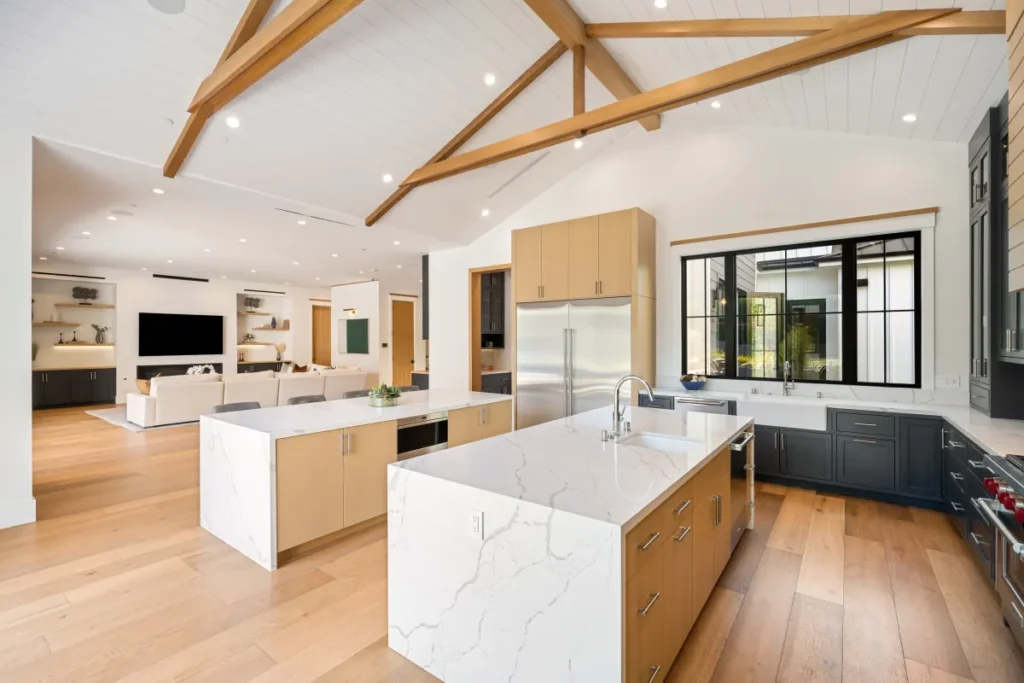
After: a refreshed plan that kept major walls in place, replaced cabinetry with more drawers, added a pantry cabinet, improved lighting layers, and upgraded countertops and flooring for easier cleanup. For this reason, The result felt larger and worked better for everyday cooking—without chasing “perfect” finishes.
Frequently Asked Questions
DIY is usually best for cosmetic and surface-level work: painting, swapping hardware, changing a faucet, installing a straightforward backsplash, or adding under-cabinet lighting. Keep the layout and appliance locations the same, and you reduce risk. Once your plan touches gas lines, major wiring changes, or moving fixtures, bring in a qualified contractor and confirm permit needs with the City.
A DIY refresh can happen over a few weekends, but it often stretches when prep work and deliveries take longer than expected. A contractor remodel depends on material lead times, scope, and whether inspections apply.
- DIY refresh: days to a few weeks, depending on how much you’re changing.
- Partial upgrade: commonly several weeks once materials arrive.
- Full remodel: often multiple weeks to a few months, especially with layout changes.
It depends on the scope. Cosmetic changes (paint, hardware, many finish swaps) often don’t require permits, while work that changes walls, ventilation, or utility lines commonly does. Alameda uses an online portal (Accela) for many permit applications and tracking, but the City’s review will still depend on your exact plan. A contractor should help you confirm requirements before demolition starts.
Cabinets and layout decisions usually sit at the top of the list. After that, countertops, flooring, and any changes to utility locations can move the budget quickly.
- Cabinet quality and amount of cabinetry
- Keeping vs changing the layout
- Countertop material and edge details
- Flooring and subfloor condition
- Electrical/ventilation changes and inspection needs
Quartz is a popular choice for low maintenance and consistent looks. Granite offers natural variation but still needs sensible care. Laminate can be very cost-effective with improved modern styles, while butcher block feels warm but needs regular upkeep—especially near sinks. The “best” option depends on how you cook, how often you want to maintain the surface, and the look you’re aiming for.
In the kitchen remodeling vs diy decision, clarity matters as much as price. Look for a contractor who can explain scope, sequencing, and permit responsibility in plain language.
- Verify license/insurance details through official sources.
- Compare written scopes line-by-line so you’re not guessing.
- Ask how selections (cabinets, counters, lighting) get finalized to avoid surprises.
- Confirm how updates and change approvals are documented during the job.
Service info for Sacramento
For the complete overview of process and planning in Sacramento, visit Kitchen Remodeling.