Best Lotion for Shingles (Roof): Contractor Checklist for California
When someone searches for lotion shingles, they usually mean a roof-shingle rejuvenation product or coating applied to asphalt shingles—not a medical skin lotion. The bigger question isn’t which product sounds best; it’s whether your roof is a good candidate and whether the contractor will prep and apply it correctly.
Quick checklist:
- Confirm the scope: repair, partial replacement, or a full reroof.
- Pick a material system and verify underlayment, flashing, and ventilation details.
- Clarify tear-off vs overlay and what happens if decking damage is found.
- Verify license/insurance where required, and compare bids line-by-line (allowances, exclusions, change orders).
- Schedule around weather and confirm daily cleanup and protection.
- Do a final walkthrough: flashing, vents, and warranty documentation.
This homeowner-friendly checklist is written for California properties where you’re comparing a “shingle lotion” style treatment versus repair or replacement. You’ll know what to ask, what paperwork matters, and how to spot red flags before you sign.
TL;DR: A “shingle lotion” treatment can be reasonable on the right roof, but it’s not a shortcut for active leaks or failed flashing. Compare contractors by inspection quality, written scope, warranty terms, and license verification—then choose treatment, repair, or replacement with confidence.
- Confirm the contractor’s license status and business name match.
- Ask what roof conditions make a treatment a bad idea (and why).
- Require a written scope: prep, repairs, product, and application method.
- Get warranty terms in writing, including exclusions and maintenance.
- Clarify permits/inspections if the scope shifts to repairs or replacement.
- Set communication rules: daily updates, photos, and change-order approvals.
Want a quick consult? Call +1 (916) 234-6696 or request a free estimate at https://usconstructioncali.com/free-estimate/.
Roof Calculator
Get a fast roof estimate delivered by email.
Roof Metrics Summary
Contractor Selection Checklist
| Decision | Why it matters | Quick check |
|---|---|---|
| Material system | Affects lifespan, cost, and appearance. | Confirm shingle/tile type, underlayment, and warranty. |
| Flashing & penetrations | Most leaks start at edges and penetrations. | Specify flashing at chimneys, vents, and valleys. |
| Ventilation | Controls heat/moisture and protects decking. | Confirm intake/exhaust balance and vent types. |
| Tear-off & decking | Hidden damage can change cost and timeline. | Include an allowance and photo documentation. |
Homeowners usually start with the product question, but the real risk is paying for an application that doesn’t match your roof’s condition. A contractor who inspects, documents, and explains options clearly helps you avoid wasted spend and repeat work—whether you end up choosing a rejuvenation treatment, a targeted repair, or a full replacement.
This checklist is for asphalt shingle roofs where you’re exploring a “shingle lotion” style treatment. If you’re seeing active leaks, missing shingles, soft decking, or widespread curling, prioritize diagnosis and repair planning before you chase a coating.
What A “Shingle Lotion” Treatment Actually Is
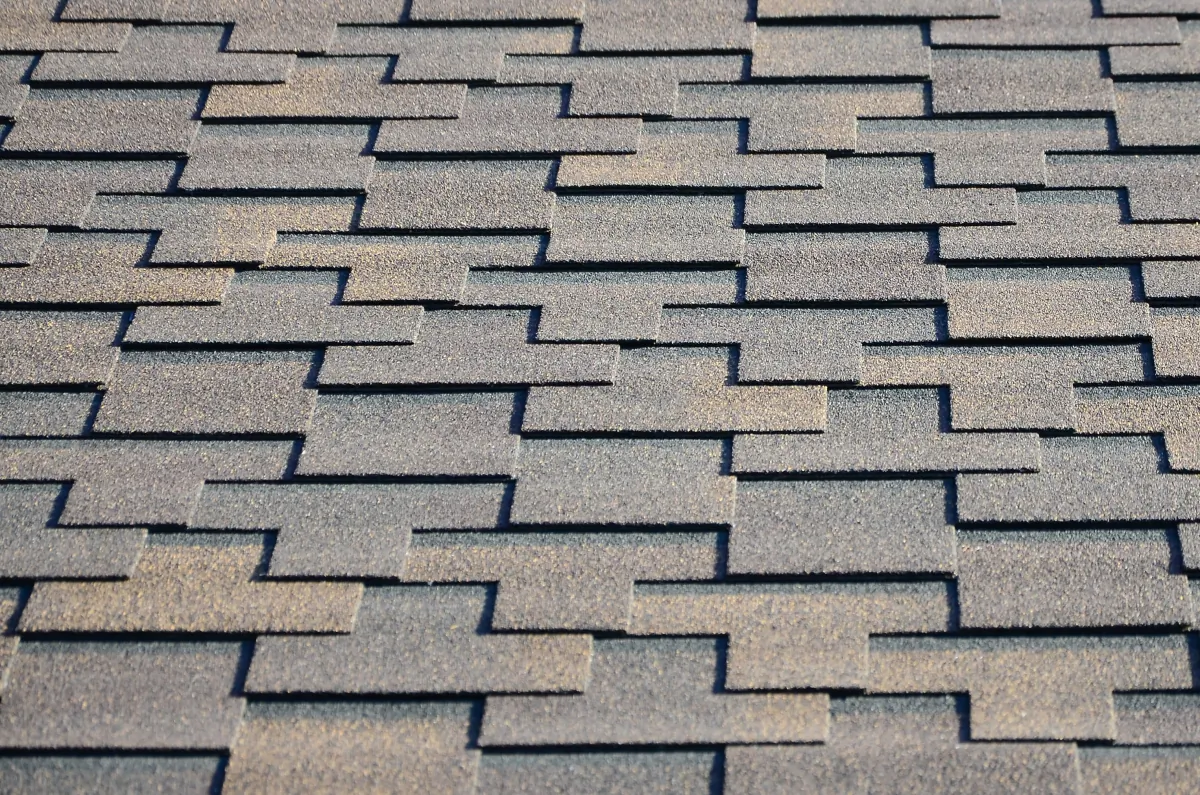
In roofing terms, “lotion” usually refers to a spray-on rejuvenator or coating meant to condition older asphalt shingles. It may help on a roof that’s still structurally sound, but it won’t fix bad flashing, improper transitions, or underlying moisture damage. The contractor’s prep work—and their willingness to tell you when not to do it—matters as much as the product label.
- Ask for documentation: product data sheets, application requirements, and cleanup instructions.
- Confirm compatibility: the contractor should explain how the treatment interacts with your current roof condition and any existing warranties.
- Expect an honest “no”: a reputable contractor will recommend repair or replacement when a treatment won’t address the root issue.
Contractor Selection Checklist (Use This Before You Request Bids)
- Choose contractors who do an on-site inspection (not a price quote from a single photo).
- Look for clear documentation: photos, notes, and a written explanation of options.
- Confirm they include roof details that often cause leaks (flashing, penetrations, valleys, transitions) in the scope discussion.
- Require a plan for protecting landscaping, keeping walkways safe, and cleaning up debris.
- Ask how they handle hidden damage if they find it after work starts (change orders in writing).
- Get line-item clarity: what’s included, what’s excluded, and what’s an optional add-on.
- Ask for proof of insurance and who will be on site (employees vs. subcontractors).
How To Compare Lotion Shingles Bids (Not Just Price)
Bids become hard to compare when each contractor scopes the job differently. Tighten the comparison by making sure every bidder prices the same baseline scope, then lists alternates separately. That approach protects you from “low bid, big add-ons” later.
- Baseline scope: cleaning/prep, minor repairs included, application method, and number of coats (if applicable).
- Protection and cleanup: landscaping protection, debris removal, magnet sweep, and disposal responsibility.
- Problem areas: how they address flashing, vent boots, skylight edges, and transitions (even if you’re not re-roofing).
- Warranty terms: what’s covered, what voids it, and what documentation you’ll receive at closeout.
- Schedule clarity: start window, working hours, and weather-delay plan.
What To Ask Before You Hire
A good contractor should answer questions directly and in writing. You’re not being “difficult”—you’re protecting your home and budget. Use the questions below as a script in every on-site meeting.
Contractor Interview Questions (Bring This List)
- What did you see on the roof that makes a treatment appropriate (or inappropriate) here?
- What prep steps will you do before application (and how will you verify the roof is ready)?
- Will you perform or recommend any repairs first (flashing, penetrations, damaged shingles)?
- What exact product will you use, and can you provide the manufacturer data sheet?
- How do you protect vents, gutters, siding, windows, and landscaping during application?
- What conditions pause the job (temperature, rain, wind), and how do you reschedule?
- Who is my point of contact each day, and how will updates be delivered?
- How do you handle change orders and pricing approvals once work starts?
- What documentation do I receive at completion (photos, warranty, receipts, permit sign-offs if applicable)?
- If the roof still leaks afterward, what’s your troubleshooting and warranty-response process?
Red Flags And How To Verify Licensing
For roof-related work, you’re hiring for safety, water management, and long-term durability. A polished pitch doesn’t replace verification; do the checks below before you commit.
How To Verify Licensing In California
- Get the contractor’s legal business name and license number from the estimate/contract.
- Verify the license status and details using the CSLB online portal: https://www.cslb.ca.gov/OnlineServices/CheckLicenseII/CheckLicense.aspx.
- Confirm the status shows as active and the company name matches what’s on your paperwork.
- Ask for proof of insurance (liability and workers’ compensation, as appropriate for the crew).
- Keep all scope changes in writing, including any price change and schedule impact.
Red Flags That Usually Show Up Later As Extra Charges
- They won’t do a roof inspection but push you to “lock in” a price immediately.
- The estimate doesn’t list prep steps, repair assumptions, or the exact product/application method.
- They promise a treatment will “fix leaks” without identifying the leak source (flashing, penetrations, valleys).
- They can’t explain warranty exclusions, required maintenance, or what documentation you’ll receive.
- They request large up-front payments without a clear written schedule and milestones.
- They avoid written change orders or say “we’ll figure it out as we go.”
Common Planning Mistakes To Avoid With Shingle Treatments
Homeowners often get burned by the same avoidable issues. Keep these in mind while you compare contractors and scope.
- Approving a treatment before confirming the roof is structurally sound and the leak source (if any) is identified.
- Skipping documentation—no photos, no written scope, no clear warranty language.
- Comparing bids that don’t match (one includes repairs and prep, another does not).
- Ignoring roof details that cause problems later: flashing, ventilation, and penetrations.
- Assuming “maintenance” means “no paperwork”—you still need a clear contract and cleanup expectations.
Permits, Inspections, And Paperwork
Permits depend on scope and jurisdiction. In many California cities and counties, a full re-roof or structural repair triggers a building permit and an inspection, while a simple maintenance treatment may not. Your contractor should confirm requirements for your address and spell it out in writing.
Permit Notes For Roof Work (High-Level)
- Expect permits more often when the scope includes replacement, sheathing repairs, structural changes, or significant system upgrades.
- Ask who is responsible for pulling permits (and who pays the fees) before the work starts.
- Request a copy of any signed inspection record or final approval if an inspection applies.
- If the scope changes mid-project, pause and confirm whether the change affects permitting or inspection needs.
Paperwork Checklist Before Work Starts
- Written scope of work with product names, prep steps, and application method.
- Clear start window, working hours, and weather-delay policy.
- Payment schedule tied to milestones (not vague percentages with no deliverables).
- Change-order policy: written approvals before added work begins.
- Cleanup plan, debris disposal responsibility, and protection of landscaping/property.
- Warranty terms (coverage, exclusions, and what documentation you’ll receive).
A Quick Comparison Table For Decisions You Should Lock Early
| Decision | What to check | What to ask the contractor |
|---|---|---|
| Shingle “lotion” treatment | Shingles intact, no widespread failure, details (flashing/penetrations) in good shape | Data sheet, prep plan, application method, written warranty terms |
| Targeted repair | Isolated damage or leak source identified (often flashing or penetrations) | Line-item repair scope, materials match plan, photo documentation |
| Full replacement | Widespread aging/failure, multiple trouble spots, decking concerns | Permit responsibility, disposal plan, ventilation approach, closeout documents |
Small-Space Layout Upgrades To Consider While Crews Are Scheduled
Even if this search started with a roof question, many homeowners bundle projects to reduce disruption. If you’re already coordinating contractors and calendars, these small-space layout moves often improve day-to-day use without adding square footage.
Small bathrooms
- Swap to a wall-hung or shallow-depth vanity to open up floor space.
- Use a pocket door (or out-swing) to eliminate door conflicts.
- Add a recessed shower niche instead of corner caddies to keep the shower clear.
- Choose a single continuous floor tile direction to make the room feel larger.
Small kitchens
- Prioritize a clear work zone (sink–prep–cook) before adding extra features.
- Use tall pantry storage and pull-outs to reduce countertop clutter.
- Consider a slim peninsula for seating and prep if a full island won’t fit.
- Plan lighting early—good task lighting can make a compact kitchen feel dramatically better.

Timeline And Communication Expectations
A good contractor sets expectations early: what happens each day, how weather changes the plan, and how you approve changes. That clarity matters even more when you’re comparing a shingle rejuvenation application (often quick) to repair or replacement (more moving pieces).
Timeline Overview (Typical Phases)
- Initial consult: a short call to understand what you’re seeing and what you’ve already tried.
- Site inspection: an on-site review with photos and notes (roof surface, penetrations, flashing, and any visible trouble spots).
- Written proposal: a clear scope with options (treatment vs repair vs replacement), plus assumptions and exclusions.
- Scheduling: timing depends on season, material availability, and weather windows.
- Work days: treatment applications may be completed quickly, while repairs/replacement can take longer depending on findings.
- Closeout: final walkthrough, cleanup confirmation, and delivery of photos/warranty/paperwork.
Communication Standards To Set Before Day One
- One point of contact who answers questions and confirms schedule changes.
- Daily update expectations (text/call) and photo updates for key steps.
- Change orders in writing, with pricing approved before additional work begins.
- Clear rules for access, parking, pets, and protecting landscaping/property.
- End-of-day cleanup expectations and what “job complete” means on paper.
Request A Consult And Estimate
US Construction & Remodeling Corp. is based in Sacramento and works with homeowners across our California service areas. If you’re weighing lotion shingles treatments versus repair work, call +1 (916) 234-6696 for a straightforward conversation or book a free estimate online.
Request your free estimate here and share what you’re noticing (staining, granule loss, a specific leak location, or general aging). Photos help us make the site visit faster and the written scope clearer.
Helpful Links
Frequently Asked Questions
This page is about roof shingles. Homeowners sometimes use the phrase lotion shingles to describe a roof-shingle rejuvenation product or coating applied to asphalt shingles. If you’re looking for medical guidance, contact a healthcare professional.
Sometimes it can help, but it depends on the leak source. Many leaks come from flashing, penetrations, valleys, or transitions—issues a coating won’t fix by itself.
- Ask the contractor to identify the leak source before recommending any treatment.
- Require repair scope (if needed) to be listed separately from the treatment.
A solid bid should let you compare apples to apples. At minimum, look for:
- Prep steps (cleaning, drying time, minor repairs included/excluded).
- Exact product name and application method.
- Protection and cleanup plan (landscaping, overspray control, debris removal).
- Schedule expectations and weather-delay policy.
- Warranty terms in writing, including exclusions.
Use the Contractors State License Board (CSLB) license check to confirm the license is active and matches the business information on your estimate/contract.
https://www.cslb.ca.gov/OnlineServices/CheckLicenseII/CheckLicense.aspx
It depends on the scope and the local building department. Many full re-roofs and structural repairs require permits and inspections, while some maintenance treatments may not. Your contractor should confirm requirements for your specific address and put that responsibility in writing.
Timelines vary based on roof size, pitch, access, weather, and what the inspection finds. A treatment application may be completed quickly once the roof is properly prepped and conditions allow, while repairs or replacement take longer.
- Inspection + proposal: often a few days from visit to written scope.
- Scheduling: depends on season and crew availability.
- Work days: ranges from a short treatment visit to multiple days for repairs/replacement.
Licensed, insured & trusted local contractor
US Construction & Remodeling Corp.
9821 Business Park Dr, Sacramento, CA, 95827
Phone: +1 (916) 234-6696
CSLB License #: 1117562 Fully licensed and insured.
Explore the full service overview
If you want the big-picture process, pricing factors, and what to expect, start here: Roofing Remodeling (Landing Page).
Frequently Asked Questions
This page is about roof shingles. Homeowners sometimes use the phrase lotion shingles to describe a roof-shingle rejuvenation product or coating applied to asphalt shingles. If you’re looking for medical guidance, contact a healthcare professional.
Sometimes it can help, but it depends on the leak source. Many leaks come from flashing, penetrations, valleys, or transitions—issues a coating won’t fix by itself.
- Ask the contractor to identify the leak source before recommending any treatment.
- Require repair scope (if needed) to be listed separately from the treatment.
A solid bid should let you compare apples to apples. At minimum, look for:
- Prep steps (cleaning, drying time, minor repairs included/excluded).
- Exact product name and application method.
- Protection and cleanup plan (landscaping, overspray control, debris removal).
- Schedule expectations and weather-delay policy.
- Warranty terms in writing, including exclusions.
Use the Contractors State License Board (CSLB) license check to confirm the license is active and matches the business information on your estimate/contract.
https://www.cslb.ca.gov/OnlineServices/CheckLicenseII/CheckLicense.aspx
It depends on the scope and the local building department. Many full re-roofs and structural repairs require permits and inspections, while some maintenance treatments may not. Your contractor should confirm requirements for your specific address and put that responsibility in writing.
Timelines vary based on roof size, pitch, access, weather, and what the inspection finds. A treatment application may be completed quickly once the roof is properly prepped and conditions allow, while repairs or replacement take longer.
- Inspection + proposal: often a few days from visit to written scope.
- Scheduling: depends on season and crew availability.
- Work days: ranges from a short treatment visit to multiple days for repairs/replacement.