Skip links

Bathroom Renovation Contractor Checklist for California Homeowners

Hiring a bathroom renovation contractor can feel stressful when you’re balancing budget decisions, permit questions, and a household that still needs a working bathroom. This checklist is built for California homeowners who want to compare companies clearly and protect the schedule before work starts.

Quick checklist:

  • Define the scope and prioritize daily function (shower, storage, ventilation).
  • Confirm what trade work is involved (plumbing, electrical, drywall) and the order of work.
  • Choose finishes that hold up in wet areas and are easy to clean.
  • Verify license/insurance where required, and compare bids line-by-line (allowances, exclusions, change orders).
  • Decide what needs to be ordered first (tile, fixtures, vanity) to keep the schedule moving.

For a timeline-first planning call, Free estimate or call +1 (916) 234-6696.

TL;DR: Choose the company that can explain the work in plain English, show a realistic sequence, and write down who’s responsible for permits and inspections. Order long-lead items early, and lock in waterproofing and tile details before demo. Compare bids line-by-line so surprises don’t pile up mid-project.

  • Confirm who manages permits/inspections (when required)
  • Get a detailed, written bid you can compare
  • Ask who coordinates plumbing, electrical, tile, and glass
  • Verify lead times for vanity, tile, and shower glass
  • Plan for water shutoffs and bathroom downtime
  • Use a final walkthrough checklist before last payment

A Homeowner Checklist For Bathroom Renovation Contractor

DecisionWhy it mattersQuick check
Wet-area finishesWet zones need durable, easy-clean surfaces.Choose materials rated for bathrooms and simple maintenance.
VentilationHelps prevent humidity and long-term damage.Confirm fan sizing and vent routing.
LayoutGood layout improves daily usability.Verify clearances and door swings.
Budget controlKeeps scope creep from blowing up the price.Use allowances and a written change-order process.

Most bathroom remodel problems start before demolition: vague bid language, missing line items, and a start date that ignores material lead times. Meanwhile, A good bathroom renovation contractor should answer questions directly and put key decisions in writing so you’re not guessing mid-project.

This section is also for homeowners who want a clean bid comparison, fewer change-order surprises, and a day-to-day plan that respects the reality of living in the home—especially in a one-bath layout.

Prep Checklist

  • List your non-negotiables (tub vs. shower, storage, lighting)
  • Measure the room and note door swings and clearance issues
  • Take photos of the vanity wall, shower wall, and any plumbing access
  • Decide what stays vs. For this reason, what moves (toilet, vanity, shower valve)
  • Pick a rough finish level so bids aren’t apples-to-oranges
  • Set rules for the jobsite (work hours, pets, parking, noise limits)

Questions To Ask When Comparing Companies

  • Who is the day-to-day contact, and how will updates be shared?
  • Who will be on site most days: employees, subs, or a mix?
  • Who coordinates plumbing, electrical, tile, and shower glass?
  • How are changes priced and approved before extra work starts?
  • What payment milestones are used, and what is delivered at each one?
  • Can you provide recent references for similar bathroom work?

It also helps to read recent reviews for patterns (missed days, unclear pricing, communication). Overall, Instead of chasing perfect scores, look for consistency in how issues were handled.

Items That Should Be Explicit

  • Demolition and disposal (what is removed and what is protected)
  • Plumbing scope (valves, drains, relocating fixtures, shutoff plan)
  • Electrical scope (GFCI, lighting, fan, any new circuits)
  • Shower waterproofing approach and where it applies
  • Tile scope (coverage, trims, grout/caulk locations)
  • Fixture installation (toilet, vanity, faucets, accessories, glass)

Common Red Flags

  • Pressure to sign before key materials are selected
  • Vague answers about waterproofing, ventilation, or inspections
  • A low bid that skips protection, disposal, or finishing work
  • No clear plan for schedule gaps between trades

step-by-step bathroom remodeling in

Permits And Code Considerations For Bathroom Renovation Contractor

Permits and inspections add accountability for plumbing, electrical, ventilation, and structural changes. Additionally, Requirements vary by scope and by the city or county permit office for your address, so the contractor you hire should explain what applies and who will handle it.

Work That Often Triggers Permits Or Inspections

  • Moving plumbing lines or relocating a shower/tub/toilet
  • New electrical circuits, relocating wiring, or adding recessed lights
  • Installing or rerouting a bathroom exhaust fan/duct
  • Changes to walls, framing, or window/door openings

Permit Responsibility Checklist (Ask Before You Sign)

  • Who prepares and submits the permit application (if needed)?
  • Who schedules inspections, and who is on site for them?
  • What work must remain accessible until inspections are complete?
  • Is the permit/inspection coordination included in the written bid?

If someone tells you permits are never needed for bathroom work, treat that as a warning sign. Also, Even when a permit isn’t required, you still want safe, code-aligned work for waterproofing, electrical protection, and ventilation.

Timeline And Scheduling

A bathroom remodel schedule is a coordination problem: multiple trades, cure times, inspection windows, and product lead times. In addition, A strong plan maps dependencies so you don’t end up waiting on a missing trim kit with an unfinished shower.

Typical Phases (Ranges Vary By Scope)

  • Planning + selections: 1–3 weeks
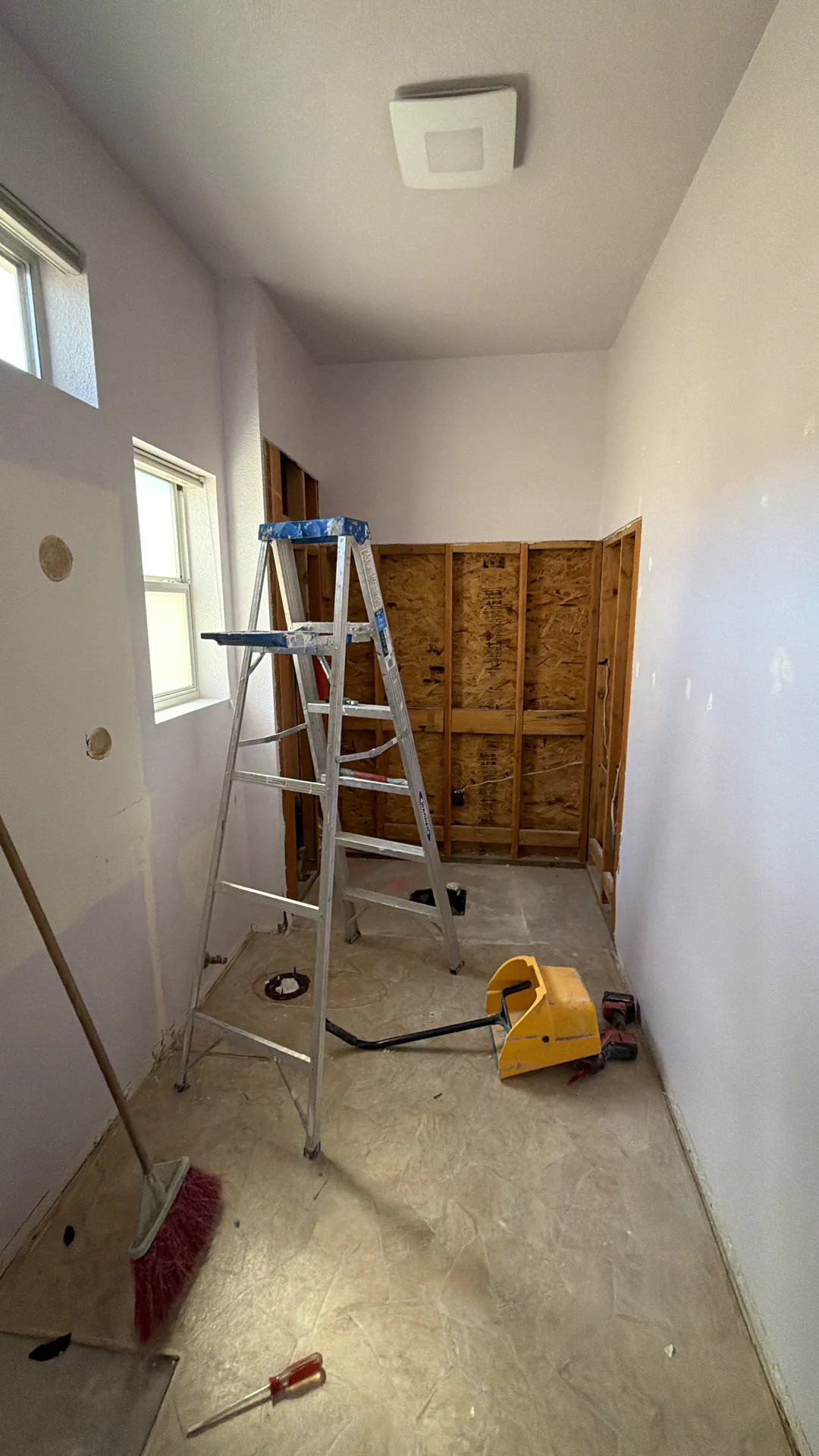
  • Demolition: 1–2 days
  • Rough plumbing/electrical: 2–5 days
  • Waterproofing + tile work: 5–12 days (includes cure time)
  • Paint, trim, fixtures, glass: 2–6 days
  • Punch list + final cleanup: 1–2 days
Decision/driverImpact on cost or timeWhat to lock in early
Moving plumbingMore demo/rough-in; may add inspectionsExact locations and who manages inspections
Tile scope + patternComplex layouts take longer and cost moreCoverage, trims, grout/caulk lines
Shower waterproofingCritical quality step; sequencing and cure timeWhere it’s applied and who installs it
Vanity + glass lead timeDelays finishing if deliveries slipOrder dates and delivery windows
One-bath logisticsMay need phased work or temporary solutionsDowntime plan for toilet and shower access

Scheduling Questions That Prevent Surprises

  • What is the earliest realistic start date once materials are confirmed?
  • How will you sequence trades so the room isn’t idle for days?
  • What days will water or power be shut off, and for how long?
  • How do you handle hidden damage discovered during demo?

If you want a bathroom renovation contractor to review your scope and map a realistic schedule, book a planning call or call +1 (916) 234-6696.

bathroom exhaust fan ventilation shaft with air grates on the ceiling

How To Choose Materials And Trades

Materials determine the look and the sequence. For example, Even a well-run crew can’t install a vanity that hasn’t arrived, and a mismatched valve/trim set can stall a shower at the worst moment.

Material Checklist That Keeps The Job Moving

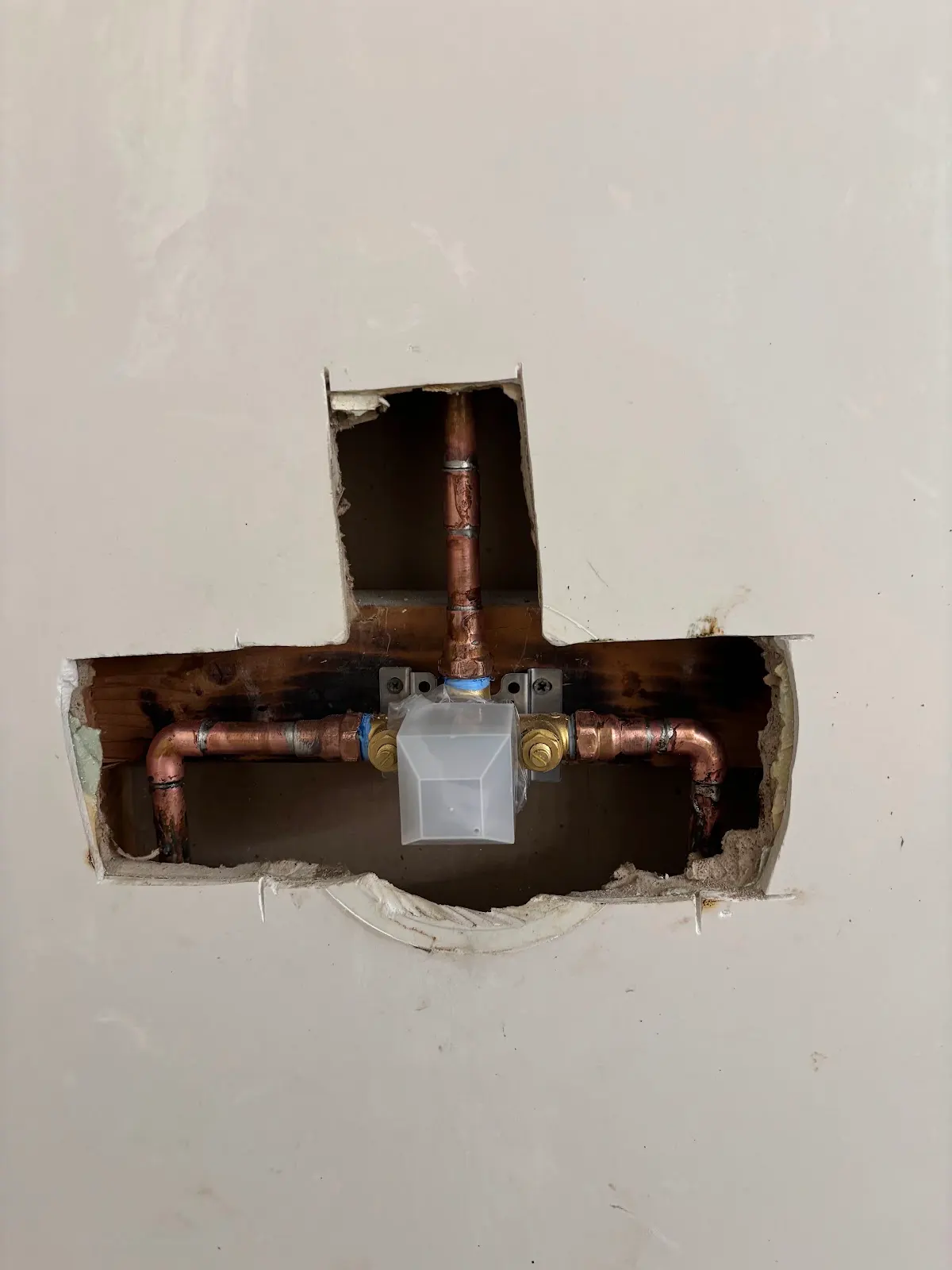
  • Confirm the shower valve brand and the exact trim kit that fits it
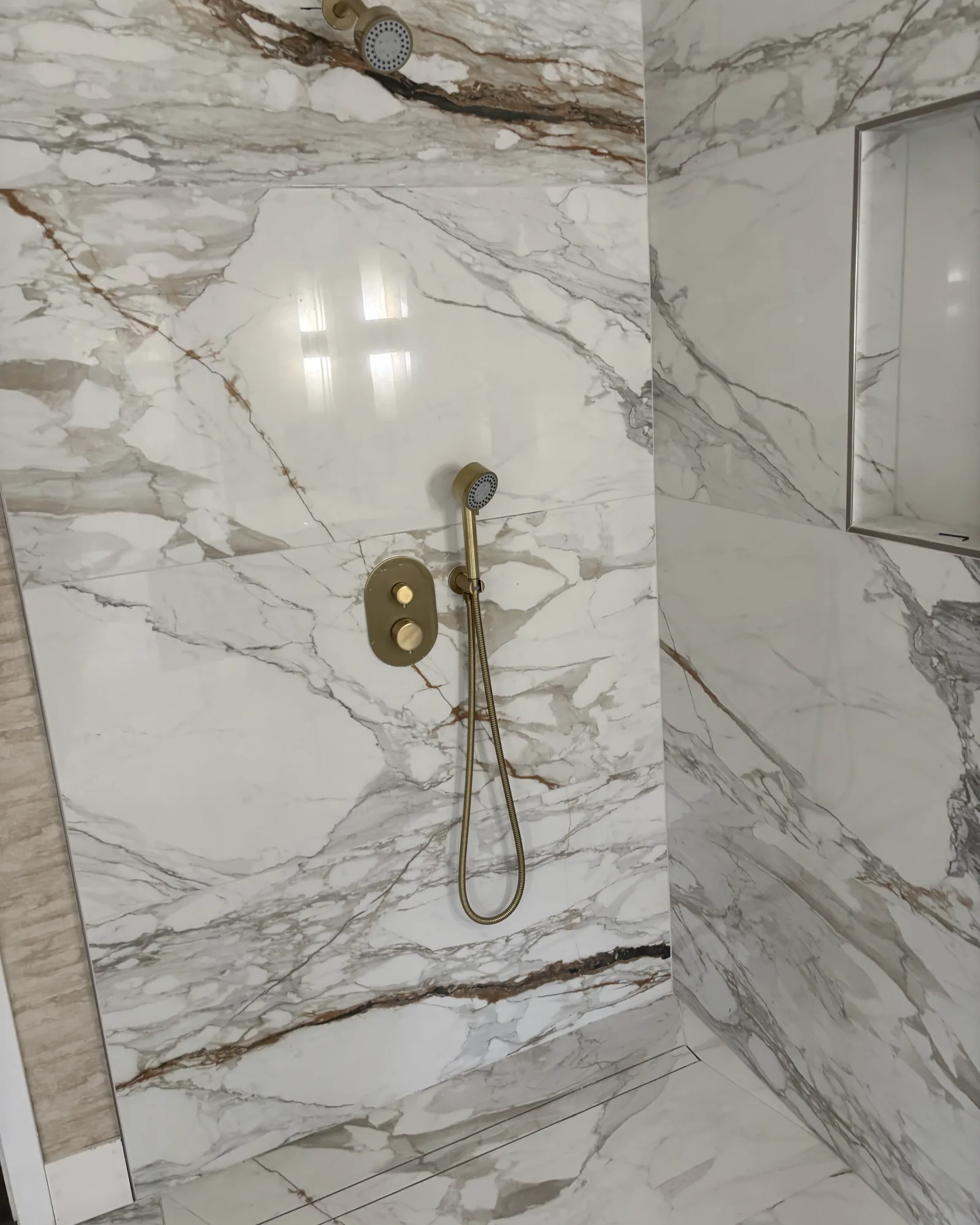
  • Select tile early (including niche shelves, edge trims, and grout color)
  • Choose the vanity and verify rough plumbing matches the sink location
  • Decide on shower glass style and who measures after tile is complete

On the trade side, ask who performs plumbing and electrical work, who installs waterproofing and tile, and who is responsible for coordination and scheduling. As a result, You’re looking for one accountable lead who keeps the handoffs clean.

Small-Bath Layout Moves (Space-Saving Options)

  • Use a shallower vanity or a wall-hung vanity to improve clearance
  • Consider a shower conversion when a tub isn’t being used
  • Add recessed storage (medicine cabinet or shower niches) where feasible
  • Use a fixed glass panel instead of a bulky framed enclosure
  • Review door swings; in some homes, an alternate door style helps

What To Verify

A final walkthrough is where you confirm performance, not just appearance. For example, Run water, test electrical, open every drawer, and check finish details in good lighting.

Walkthrough Checklist

  • No leaks at supply lines, shutoffs, drains, or under the vanity
  • Shower drains correctly (no standing water); caulk lines are clean
  • GFCI outlets trip/reset; lights and fan operate as expected
  • Toilet is secure; the tank and supply connection stay dry
  • Doors/drawers align and hardware is anchored into solid backing
  • Touch-ups are complete and debris is removed from the home

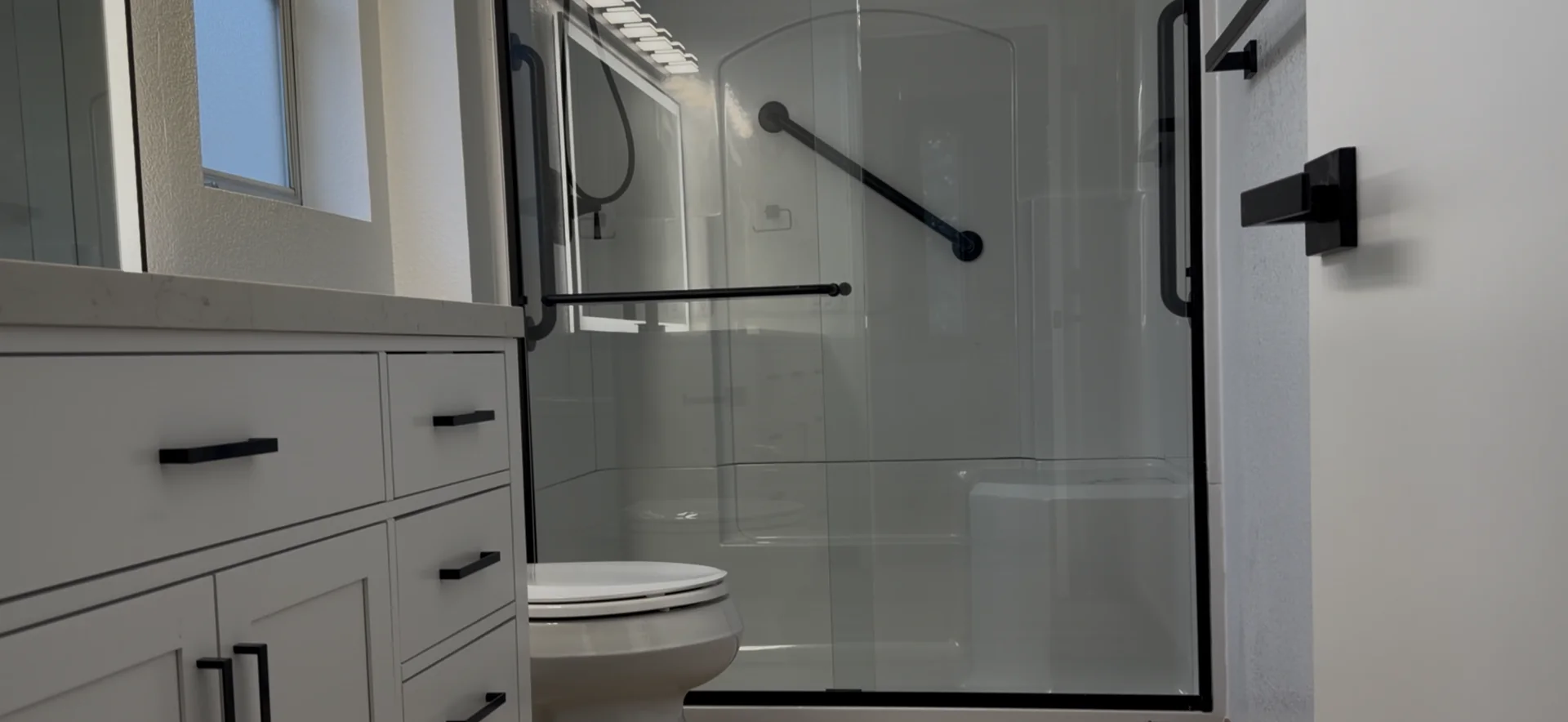
Hypothetical example: If the shower glass is installed and the door rubs or doesn’t close smoothly, flag it immediately. Meanwhile, It’s easier to adjust before everyone demobilizes.

US Construction & Remodeling Corp. In addition, is based in Sacramento and serves homeowners across parts of California, including the Bay Area and Los Angeles. Also, For a timeline-first planning call, book online or call +1 (916) 234-6696.

Helpful Links

Frequently Asked Questions

Sometimes. Permits are commonly needed when the scope involves moving plumbing, changing electrical, adding circuits, or modifying ventilation. Rules vary by the jurisdiction for your address, so ask the contractor what applies and who will handle inspection scheduling.

Many projects fall in the 2–6 week range once work begins, but the timeline depends on selections, inspections, and tile/glass complexity. Ask for a schedule tied to specific milestones instead of a single guess.

Look for clear scope by trade: demo/disposal, plumbing, electrical, waterproofing, tile coverage, fixtures, and finishing work. If an item is vague, request a written clarification before you compare prices.

Yes. Share model numbers early so the plan matches the exact products. Common delays come from valve/trim mismatches, vanity plumbing that doesn’t line up, and missing tile trims or niche pieces.

Plan it up front. Ask which days water will be shut off, when the toilet must be removed, and whether phased work is realistic for your layout. Some households schedule work around travel or arrange temporary access to another bathroom.

Ask for a written bid, recent references, and proof of insurance. In California, you can also check the contractor’s CSLB record to confirm status and classification. If the paperwork stays vague, keep shopping.

Licensed, insured & trusted local contractor

US Construction & Remodeling Corp.
9821 Business Park Dr, Sacramento, CA, 95827
Phone: +1 (916) 234-6696

CSLB License #: 1117562 Fully licensed and insured.

View our Google Business Profile

Leave a comment

This website uses cookies to improve your web experience.
Explore
Drag