Skip links

Roofing Contractor in Alameda: Hiring Checklist

Hiring the right team matters when you’re searching for a roofing contractor alameda homeowners can count on for a repair or full replacement. The goal is simple: protect your home and avoid scope surprises.

Quick checklist:

  • Confirm the scope: repair, partial replacement, or a full reroof.
  • Pick a material system and verify underlayment, flashing, and ventilation details.
  • Clarify tear-off vs overlay and what happens if decking damage is found.
  • Verify license/insurance where required, and compare bids line-by-line (allowances, exclusions, change orders).
  • Schedule around weather and confirm daily cleanup and protection.
  • Do a final walkthrough: flashing, vents, and warranty documentation.

TL;DR: Compare bids with the same scope, verify the contractor’s California license status, and get the permit plan in writing if your job needs one. Nail down the timeline early—start date, daily work window, inspection timing, and how weather delays are handled. To talk through your schedule, call +1 (916) 234-6696 or book a planning call.

  • Request a line-item scope (tear-off, underlayment, flashing, ventilation, cleanup).
  • Confirm the exact material system and warranty coverage.
  • Verify license status and ask for current insurance documents.
  • Clarify who pulls permits and schedules inspections in Alameda.
  • Set communication expectations (daily update, photos, written change orders).
  • Agree on payments tied to milestones—not vague dates.

Contractor Selection Checklist For Roofing Contractor Alameda

DecisionWhy it mattersQuick check
Material systemAffects lifespan, cost, and appearance.Confirm shingle/tile type, underlayment, and warranty.
Flashing & penetrationsMost leaks start at edges and penetrations.Specify flashing at chimneys, vents, and valleys.
VentilationControls heat/moisture and protects decking.Confirm intake/exhaust balance and vent types.
Tear-off & deckingHidden damage can change cost and timeline.Include an allowance and photo documentation.

Two roofing bids can look similar and still cover very different work. Also, A strong checklist forces each company to price the same scope, so you can compare value instead of guessing what’s missing.

Decisions To Make Before Estimates

Clear inputs lead to clearer quotes. Additionally, Even if you’re still deciding, pick a direction on these items before you compare numbers.

  • Scope: targeted repair, also partial replacement, or full replacement.
  • Material preference (architectural shingle, tile, metal, or low-slope system).
  • Any active leaks or interior staining locations to show during the visit.
  • Penetrations to review: skylights, chimneys, plumbing vents, attic fans, solar mounts.
  • Gutters and downspouts: keep, repair, or replace.
  • Access constraints: narrow side yard, shared driveway, limited staging space, HOA rules.
  • Your ideal work window (and any “no-go” days).

What A Complete Proposal Should Include

If the bid doesn’t spell these out, ask the contractor to revise it. Overall, You’re not being difficult—you’re protecting your roof and your budget.

  • Tear-off and disposal plan (what gets removed and what stays).
  • Decking inspection approach and a clear plan for wood replacement if needed.
  • Underlayment type and where it’s installed (eaves, valleys, full coverage).
  • Flashing scope at walls, chimneys, valleys, and all pipe penetrations.
  • Ventilation plan (intake/exhaust) and how it changes, if at all.
  • Edge details like drip edge, starter course, ridge cap, and valley method.
  • Property protection steps and daily cleanup standard (including nail sweep).
  • Warranty terms separated into labor and materials.

Site Layout When Access Is Tight

Some properties simply don’t have much room to stage materials or place a dumpster. Meanwhile, A quick site-layout plan helps avoid blocked walkways, damaged landscaping, and last-minute conflicts with neighbors.

  • Where materials will be delivered and stored during the job.
  • Dumpster or hauling plan, plus where debris will be loaded out.
  • How the crew will protect driveways, patios, and HVAC equipment.
  • How you’ll handle parking, gates, and pet safety while work is underway.
  • How cleanup will be handled each day, especially around nails and sharp debris.

Once the scope is tight, the interview becomes straightforward. The next section gives you the exact questions that expose shortcuts and hidden costs.
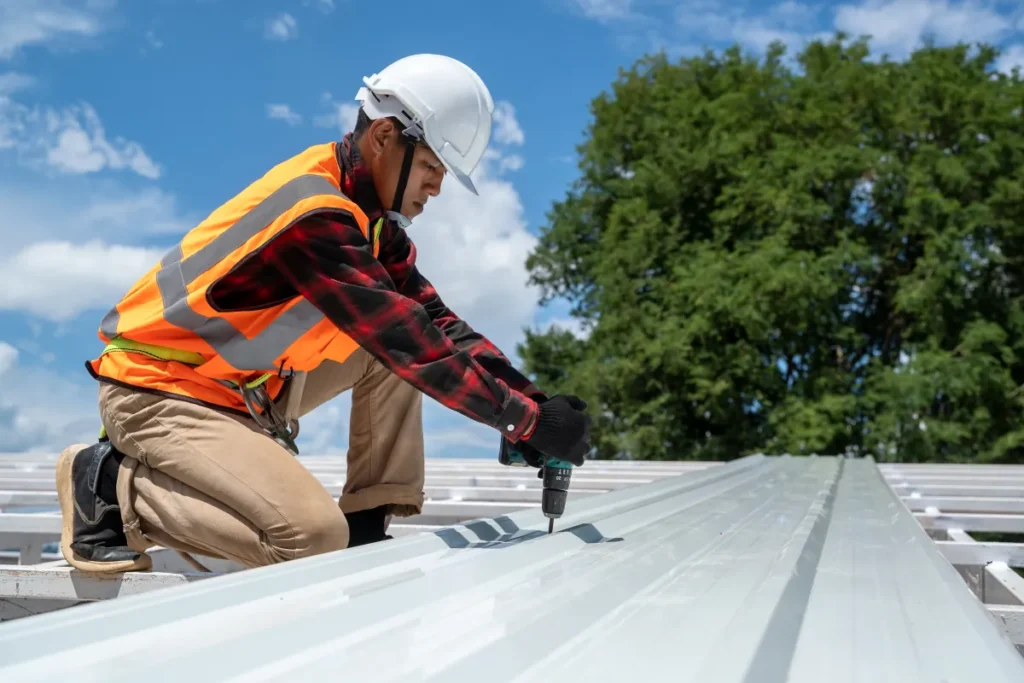
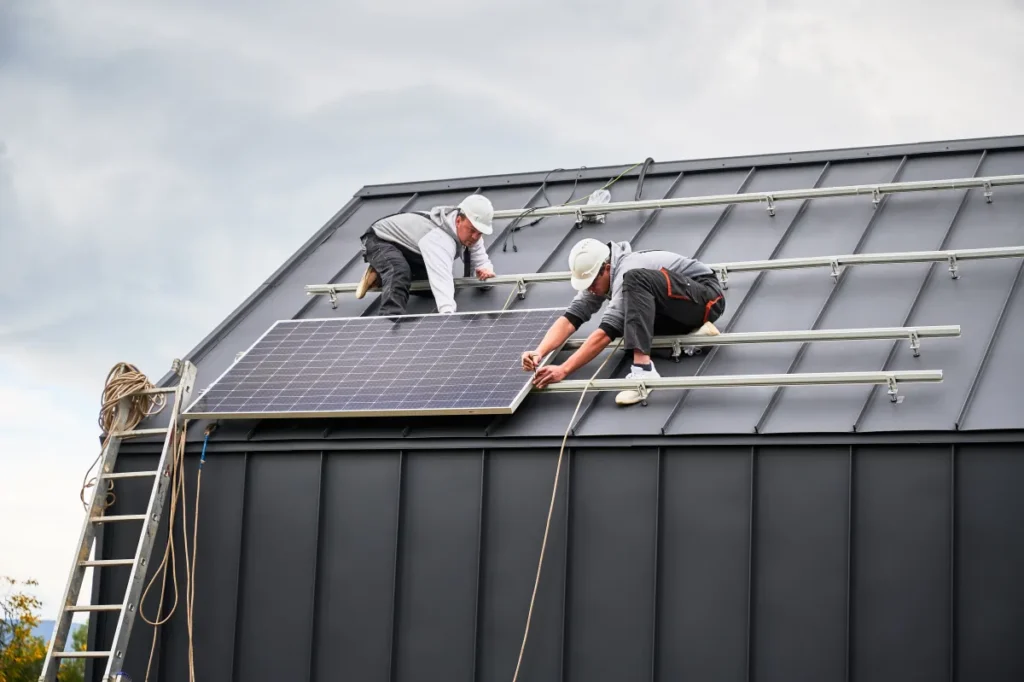
metal roof installation the roofer technicians work and installing new roo

What To Ask Before You Hire

Good roofing work starts with clear communication. In addition, These questions help you confirm the contractor understands your roof, can explain their approach, and will put everything in writing.

Questions That Uncover Scope Gaps

  • “What roofing system are you proposing, and why is it a fit for my roof?”
  • “Will you do a full tear-off? For example, If not, what stays and why?”
  • “Which flashings will you replace (chimney, wall, valleys, pipe boots)?”
  • “How will you handle damaged decking if you find it?”
  • “What’s the ventilation plan, and what changes will you make?”
  • “What protection and cleanup steps do you include every day?”
  • “Who is my on-site point of contact, and how do I reach them?”
  • “What does the schedule look like from permit to final inspection?”

Request These Documents Before You Sign

  • A detailed scope with material specs (not just “replace roof”).
  • A written payment schedule tied to milestones.
  • A change-order policy that requires written approval before extra work.
  • Warranty information that separates labor coverage from manufacturer materials coverage.

Red Flags And How To Verify Licensing

Some low bids are legitimate; others leave out critical steps like flashing replacement or proper underlayment. As a result, When you’re evaluating a roofing contractor alameda homeowners are considering, vague paperwork is a warning sign—not a harmless shortcut.

Red Flags That Often Lead To Leaks Or Added Cost

  • A one-page estimate with no material list and no installation details.
  • High-pressure sales tactics or “today only” discounts.
  • Large upfront payment requests without clear milestones.
  • Verbal warranty promises that don’t appear in the contract.
  • No plan for protecting the property and performing daily cleanup.
  • “We can start tomorrow” claims that ignore permitting or material lead times.

How To Verify A California Contractor Quickly

  1. Ask for the contractor’s license number and the exact legal business name that will appear on your contract.
  2. Confirm the license status using the CSLB lookup tool: https://www.cslb.ca.gov/OnlineServices/CheckLicenseII/CheckLicense.aspx.
  3. Make sure the license classification aligns with roofing work and that the business name matches the contract.
  4. Request current proof of insurance and keep it with your project file.

Hypothetical example: Bid A lists new chimney flashing, new pipe boots, and full tear-off. For this reason, Bid B says “replace roof” with no flashing details. Meanwhile, Even if Bid B costs less, you’re not comparing the same job.

Permits, Inspections, And Paperwork

Permit requirements depend on the exact scope and address, but many roof replacements and structural changes trigger permits. For example, The City of Alameda uses an online permit portal (Accela) for many building and planning applications and tracking, so it’s smart to discuss permitting before you set a start date.

When Permits Are Commonly Involved

  • Full roof replacement, especially when changing the roof assembly or materials.
  • Structural repairs beyond minor spot fixes (sheathing or framing work).
  • Changes to roof penetrations like skylights, vents, or new mechanical equipment.
  • Low-slope systems on certain structures, depending on the work scope.

Paperwork To Keep Organized

  • Signed contract with the full scope and material specs attached.
  • Permit paperwork and inspection sign-offs (when required).
  • Change orders with pricing and written approvals.
  • Warranty documents and manufacturer information.
  • Final invoice marked paid.

If a contractor says a permit is never needed, ask them to explain why for your specific scope. For this reason, When in doubt, confirm requirements with the City for your address.

Timeline And Communication Expectations

Roofing schedules shift because of weather, inspections, and material availability. For this reason, A solid plan still gives you predictability: a start-date window, daily work hours, and a clear path for approving changes.

Typical Phases (With Rough Time Ranges)

  • Site visit and proposal: an on-site review, followed by a written estimate within a few days.
  • Permitting (if required): timing varies by scope and City review. In addition, Plan for it early, not “after we start.”
  • Material ordering and scheduling: often 1–3 weeks, depending on product and season.
  • On-site installation: many standard homes take 1–3 days; complex roofs can take longer.
  • Final walkthrough/inspection: typically within days of completion, based on inspection scheduling.
DecisionWhy it affects cost/timelineWhat to confirm in writing
Material systemLead time, installation method, warranty termsProduct line, color, underlayment pairing
Tear-off scopeLabor, disposal, access to decking for repairsLayers removed, disposal plan, protection
Flashing planLeak prevention at penetrations and wallsWhich flashings get replaced vs reused
Permit/inspection planStart date and close-out timingWho pulls permits and schedules inspections

Communication Standards To Agree On

  • A daily update method (text/call) and who you contact with questions.
  • Photo documentation if the crew finds damaged decking or unexpected issues.
  • Written change orders with pricing before extra work begins.
  • Planned work hours, plus how weather delays will be communicated.
  • Daily cleanup expectations, including a nail sweep around the property.
  • A final walkthrough checklist before the last payment.

If you want to talk through options and get a practical start-date plan, US Construction & Remodeling Corp. Meanwhile, can review your scope and timing. In addition, Call +1 (916) 234-6696 or schedule a planning call.

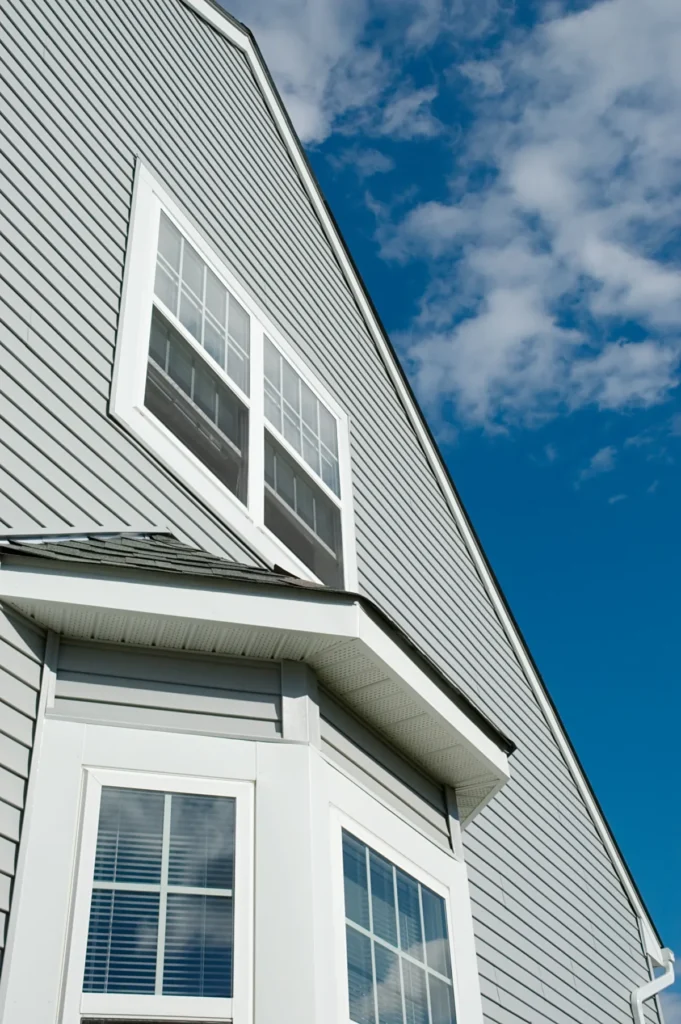
t1 siding a beautiful house metal roof during the sunset

Planning With A Roofing Contractor Alameda Homeowners Can Vet

US Construction & Remodeling Corp. For example, serves homeowners in Alameda, and we treat the planning stage as part of the job. For this reason, A short call helps confirm scope, expected timeline, and any permitting questions before you commit.

Because Alameda supports online permit tracking for many projects through the City’s Accela system, you can often follow the permit status once it’s submitted. Additionally, Even so, requirements depend on the exact address and scope, so it’s worth clarifying early.

What We’ll Cover On A Planning Call

  • Your goals: stop a leak, extend roof life, or replace the full system.
  • Material options that fit your roof type and budget.
  • Flashing and ventilation checkpoints that prevent repeat leaks.
  • Access and site protection plan (staging, debris, cleanup).
  • A realistic schedule window and how we’ll communicate day to day.

To get a timeline-first plan for your Alameda roof, call +1 (916) 234-6696 or book online at https://usconstructioncali.com/free-estimate/.

Local Links

Frequently Asked Questions

It depends on your exact scope and address, but many roof replacements and structural repairs require permits and inspections. Ask your contractor to explain the permit plan in writing and confirm requirements with the City of Alameda if anything is unclear.

  • Full replacements often trigger permits.
  • Structural repairs typically require permits.
  • Changes to skylights, vents, or penetrations may require permits.

Two to three written bids usually gives you enough information to compare scope, timing, and professionalism. The key is to compare apples to apples, so ask each contractor to price the same material system and the same flashing/underlayment scope.

  • Match material specs and underlayment.
  • Confirm tear-off, disposal, and cleanup.
  • Compare warranties and change-order policies.

At minimum, your contract should spell out scope, materials, schedule expectations, and how changes get approved. Avoid signing anything that relies on verbal promises.

  • Detailed scope and material list
  • Milestone-based payment schedule
  • Written change-order process
  • Cleanup and property protection
  • Warranty terms (labor vs materials)

Many standard residential roofs take 1–3 days of on-site work once materials and permits (if required) are in place. Planning, scheduling, and permitting can add days or weeks depending on the scope, season, and inspection timing.

Ask your contractor for a start-date window and what would move that date (weather, materials, permits, or unexpected deck repairs).

Ask for the license number and legal business name on the contract, then verify status through the California Contractors State License Board (CSLB). This step helps you confirm the license is active and that the company name matches what you’re signing.

CSLB license lookup

Sometimes, yes. A targeted repair can make sense when the issue is isolated (for example, a flashing failure or a small damaged area). If problems show up across the roof—multiple leaks, widespread wear, or repeated repairs—replacement may be the more practical long-term fix.

Either way, ask for photos of the problem areas and a written scope for the repair so you know what’s being addressed.

Licensed, insured & trusted local contractor

US Construction & Remodeling Corp.
9821 Business Park Dr, Sacramento, CA, 95827
Phone: +1 (916) 234-6696

CSLB License #: 1117562 Fully licensed and insured.

View our Google Business Profile

Related service

Looking for a step-by-step overview before you choose materials? Read Roofing Remodeling (Landing Page).

Leave a comment

This website uses cookies to improve your web experience.
Explore
Drag