
Roofing Contractor in Rocklin: Hiring Checklist
Replacing or repairing a roof is one of the highest-impact upgrades you can make for a home. When you’re searching for a roofing contractor rocklin homeowners can hire, the fastest way to avoid regret is to compare scope, materials, and schedule—not just price.
Quick checklist:
- Confirm the scope: repair, partial replacement, or a full reroof.
- Pick a material system and verify underlayment, flashing, and ventilation details.
- Clarify tear-off vs overlay and what happens if decking damage is found.
- Verify license/insurance where required, and compare bids line-by-line (allowances, exclusions, change orders).
- Schedule around weather and confirm daily cleanup and protection.
- Do a final walkthrough: flashing, vents, and warranty documentation.
TL;DR: Get at least two written bids that list the same work. Verify license and insurance, confirm who handles permits, and ask how the crew will protect your property and clean up each day. Want an estimate from US Construction & Remodeling Corp.? Book online or call +1 (916) 234-6696.
- Request written, itemized bids you can compare.
- Confirm tear-off, underlayment, flashing, and ventilation details.
- Ask how hidden wood damage is priced if it’s discovered.
- Get the material brand/model and lead time in writing.
- Clarify permit and inspection responsibility for your address.
- Review warranty coverage and service contact details.
This page walks you through a planning checklist, a question list for contractors, a realistic timeline, and a closeout checklist. Use it before you sign anything so you know what you’re buying and what happens if conditions change.
The Planning Checklist That Prevents Rework
| Decision | Why it matters | Quick check |
|---|---|---|
| Material system | Affects lifespan, cost, and appearance. | Confirm shingle/tile type, underlayment, and warranty. |
| Flashing & penetrations | Most leaks start at edges and penetrations. | Specify flashing at chimneys, vents, and valleys. |
| Ventilation | Controls heat/moisture and protects decking. | Confirm intake/exhaust balance and vent types. |
| Tear-off & decking | Hidden damage can change cost and timeline. | Include an allowance and photo documentation. |
Most roofing headaches start before work begins: vague scopes, missing details around roof penetrations, and unclear responsibilities. As a result, A good estimate visit should feel like an inspection, not a sales pitch. As a result, Use the checklists below to compare companies on the details that affect performance and long-term maintenance.
Pre-Estimate Checklist: What To Gather And Decide
Bring the same information to every estimate. Additionally, That keeps bids comparable and reduces change orders later.
- Photos of any leaks or ceiling stains, also plus the room location below.
- Your best guess on roof age and any prior repair paperwork you have.
- Whether you want a full tear-off (remove old material) or you’re open to alternatives if allowed.
- Access notes: locked side gates, steep driveways, tight streets, or HOA rules.
- Must-haves: upgraded underlayment, gutter coordination, or attic ventilation improvements.
- Your preferred start window and any “no work” dates.
Contractor Interview Questions: Ask These Before You Choose
Ask the same questions to every contractor. For example, Write down the answers and compare them side by side.
- Who will be on site each day—company crew or subcontractors—and who is the day-to-day lead?
- How do you protect landscaping, windows, and driveway areas during tear-off and cleanup?
- What’s your plan for flashing (metal sealing) at chimneys, skylights, walls, and vent pipes?
- How do you handle roof ventilation (airflow through attic spaces) and confirm it’s balanced?
- If damaged roof decking (the wood under the roof) is found, how is it priced and approved?
- Which product line are you quoting, and is it a complete manufacturer system (matched components)?
- What is the payment schedule, and what triggers each payment (deliveries, milestones, final walk)?
- What does daily cleanup include (magnetic nail sweep, dumpster placement, debris control)?
- What warranty documentation will you provide, and who do I call if an issue shows up later?
- Can you provide current proof of insurance and the contractor license information for verification?
Planning Mistakes That Cause Rework (And How To Avoid Them)
- Comparing mismatched bids: One quote includes new flashing and ventilation work, another doesn’t. Align the scope first.
- Accepting “as needed” without prices: Deck repair is real. Also, Ask for unit pricing and a clear approval process.
- Skipping the attic conversation: Ventilation and moisture issues often show up there. In addition, Ask what the contractor will check and recommend.
- Not clarifying disposal and protection: Confirm where debris goes, how nails are swept, and how the property is protected daily.
- Signing without a written change rule: Changes happen. For this reason, Make sure any extra work gets priced and approved in writing before it starts.
Define Scope And Must-Haves
The easiest way to spot a strong roofing bid is simple: it names the parts, not just the price. Overall, When every contractor quotes the same scope, you can evaluate quality, timing, and professionalism without guessing.
Scope Items That Should Be Spelled Out
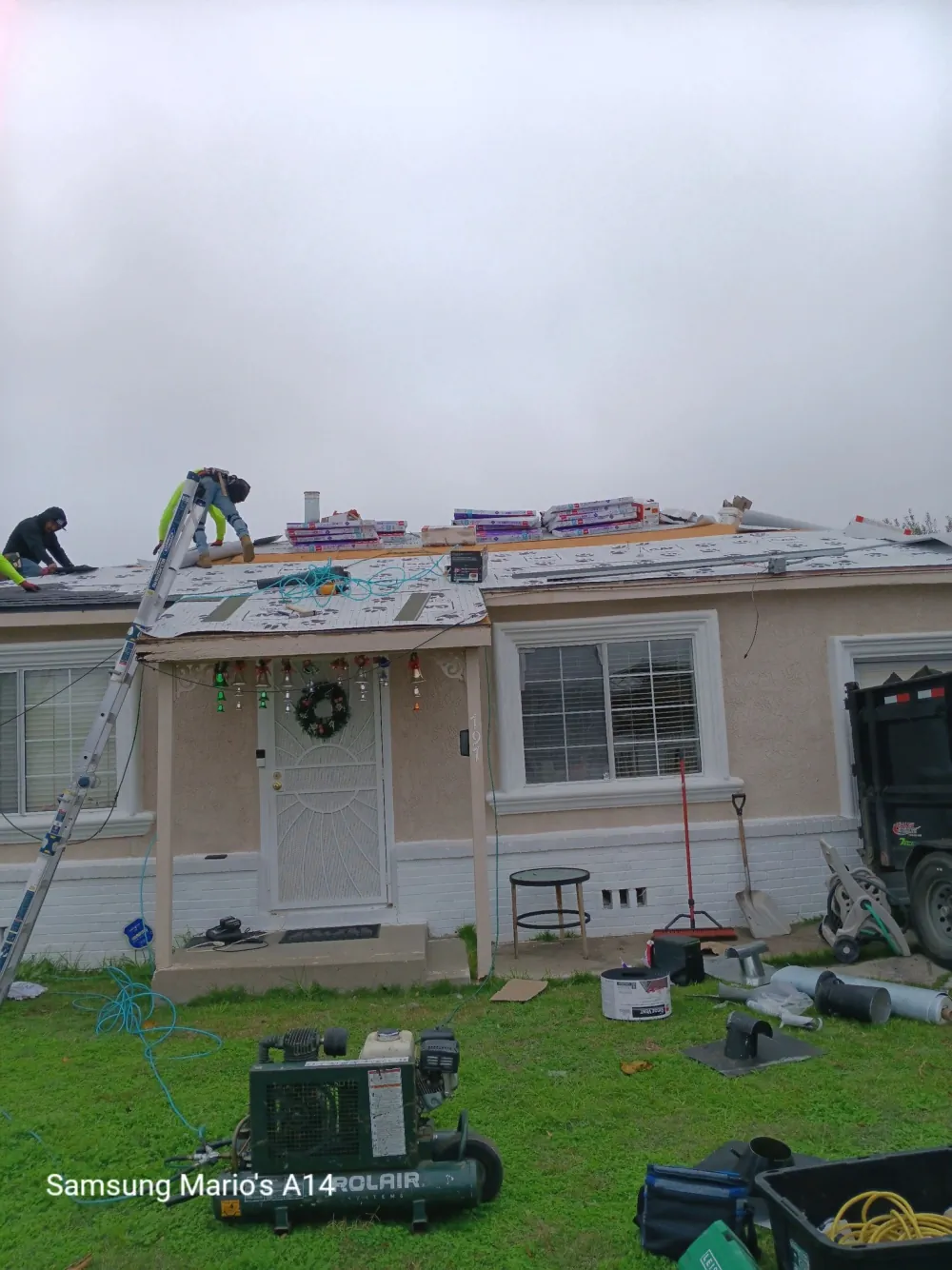
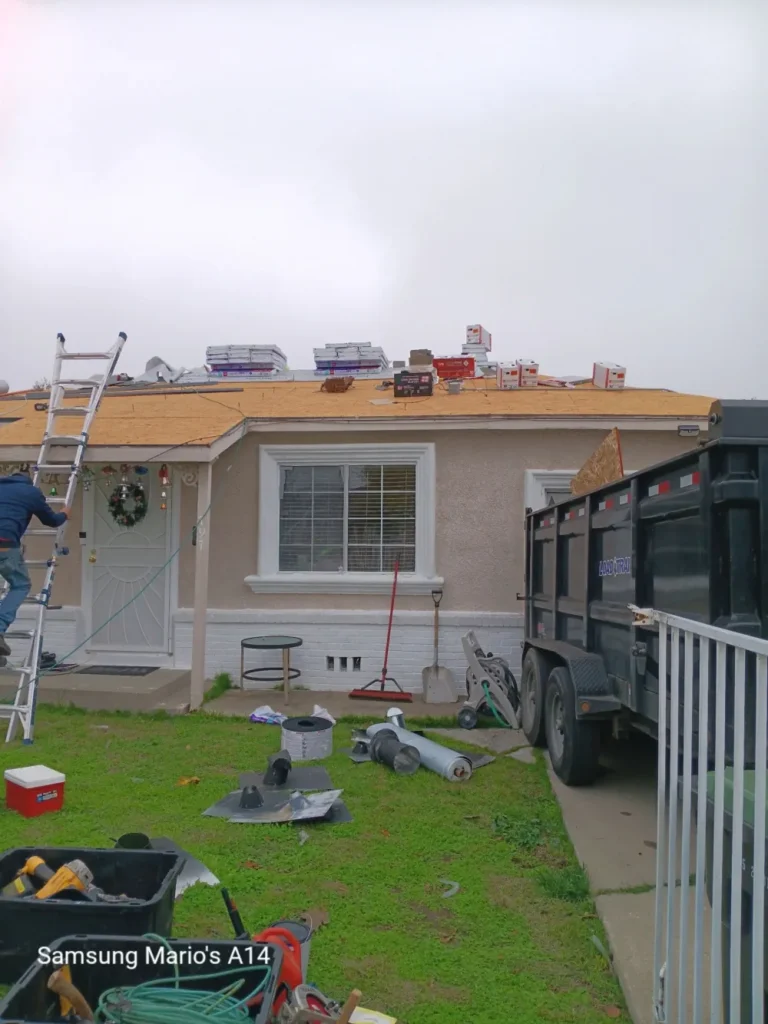
- Tear-off: How many layers are removed, and how debris is contained and hauled away.
- Underlayment: The water-resistant layer under the roofing material; ask for the type and brand.
- Flashing: Metal pieces that keep water out at chimneys, walls, skylights, and vents; confirm what gets replaced.
- Drip edge: Metal edging at eaves and rakes that guides water into gutters and protects wood trim.
- Ventilation: Ridge/roof vents and intake vents that move air through attic spaces; ask what changes are included.
- Decking/sheathing: The wood panels the roof is fastened to; ask how repairs are identified and priced.
- Penetrations: Plumbing vents, exhaust vents, and other roof openings; confirm how each will be sealed.
Must-Haves To Put In Writing
- Start window and expected job duration, plus what happens if weather delays work.
- Protection plan for driveways, landscaping, and attic access points.
- Cleanup expectations, including a final magnetic nail sweep.
- Warranty details (materials vs workmanship) and how service calls are handled.
How To Compare A Roofing Contractor Rocklin Bid
Once you have two or three written quotes, use this quick checklist to compare them without getting lost in marketing terms.
- Same scope: Make sure the scope items above appear on every bid.
- Clear assumptions: Look for what is excluded and what triggers extra charges.
- Documented deck repair pricing: Confirm unit pricing and photo documentation.
- Schedule clarity: Ask for a start window and how weather delays are handled.
- Paperwork readiness: Insurance proof, contract terms, and warranty documents should be easy to provide.

Material Selections And Lead Times
Material choice affects more than how the roof looks. Meanwhile, It changes weight, installation details, and how long the project takes to schedule. Overall, Ask each contractor to quote the same material category so you can compare labor and system details fairly.
Common Residential Roofing Material Options
- Asphalt shingles: A common option. “Architectural” shingles are thicker than basic 3-tab shingles and can handle wind better.
- Tile: Durable, but heavier. For example, Tile work may require extra evaluation of the roof structure and can take longer to source and install.
- Metal: Long-lasting and lightweight. For example, Metal systems vary by panel type and fastening method, so details matter.
Questions That Reveal Real Lead Times
- What brand and product line are you quoting, and what colors are available now?
- Are key components stocked (underlayment, ridge vent, flashing), or does anything need special order?
- If a product is backordered, what is the backup option and how does it affect price and warranty?
- Will you provide a sample and a written spec sheet before I approve the final selection?
Permits, Inspections, And Scheduling
Some roof work needs a building permit, and the rules can vary by scope and address. As a result, In Rocklin, many permit submissions and inspection scheduling are handled through the city’s online eTRAKiT system, so ask your contractor how they plan to coordinate paperwork and inspection timing.
What To Confirm Before The Start Date Is “Real”
- Who pulls the permit (if needed) and whose name it is issued under.
- Whether an inspection is expected, and when it is typically scheduled.
- Where the dumpster and material drop will go, and whether curbside placement needs extra permission.
- Work hours, parking plan, and how the crew will protect gates and exterior access.
Typical Phases And Durations
Every home is different, but a solid contractor should explain the phases and the time ranges. Additionally, Use the outline below to judge whether a proposed schedule is realistic.
- Estimate + inspection (1–2 days): On-site review of roof surfaces, flashings, and attic/ventilation where accessible.
- Proposal + revisions (2–7 days): Written scope, product selection, and options (ventilation upgrades, gutter coordination).
- Permitting (varies): If a permit is necessary, timing depends on jurisdiction and inspection availability.
- Material ordering (0–14+ days): Stock colors can be quick; special-order materials can extend the schedule.
- Installation (1–3 days for many homes): Tear-off, deck review/repairs as needed, installation, and daily cleanup.
- Final checks (same day or next): Punch list, final cleanup, and any required inspection sign-off.
Decisions That Move Price And Timing
| Decision | Why it matters | What to ask |
|---|---|---|
| Tear-off depth | More layers mean more labor and disposal | How many layers are included, and what’s the disposal plan? |
| Deck repair risk | Hidden damage can add cost and time | What is the unit price, and how do you document/approve repairs? |
| Flashing scope | Leaks often start at penetrations and transitions | Which flashings are replaced vs reused, and why? |
| Ventilation changes | Helps manage attic heat and moisture | What intake/exhaust balance do you recommend for this roof? |
| Site access | Tight access can slow work and limit staging | Where will materials and the dumpster go, and how will you protect surfaces? |

Site Prep And Living-Through Tips
Roof work is loud and messy for a short period. Additionally, A little preparation makes the week smoother and helps the crew work safely.
- Move vehicles out of the garage/driveway the night before, and plan guest parking.
- Take fragile items off walls and shelves; hammering can shake the house.
- Cover items in the attic, and keep attic access clear if the contractor needs to check ventilation.
- Protect pets from noise and open gates; plan an indoor room or a day away if needed.
- Point out sprinkler heads, delicate plants, and exterior power lines before work starts.
Small-Lot Layout Options
If your driveway is short or side-yard access is limited, talk through staging before the job starts. Meanwhile, A simple site map avoids blocked cars, damaged landscaping, and last-minute relocations.
- Driveway staging: Confirm where the dumpster sits and how you’ll keep a walking path clear.
- Garage buffer: Ask if bundles can be staged along one garage wall to free driveway space (when safe and dry).
- Street placement: If the best spot is curbside, confirm whether extra permission is necessary before delivery.
- Landscape protection: Request plywood or protective coverings where foot traffic is unavoidable.
Closeout Checklist And Warranty Notes
Before you make final payment, do a quick, organized closeout. In addition, It protects you and it gives the contractor a clear punch list.
Closeout Checklist
- Walk the perimeter and look for visible debris; request a final magnetic sweep for nails.
- Confirm flashings around vents, walls, and skylights look tight and properly sealed.
- Review any deck repairs completed and ask for photos if the work was under the roofing material.
- Collect warranty paperwork and product info. Overall, Ask which items are covered by the manufacturer and which are covered by the installer.
- If a permit was pulled, confirm the inspection status and keep the final record with your home documents.
When You Want A Clear, Written Estimate
US Construction & Remodeling Corp. Overall, provides straightforward roofing estimates in Rocklin with a written scope and material options you can compare. Schedule your free estimate online, or call +1 (916) 234-6696.
Helpful Links
Frequently Asked Questions
Sometimes. Permit needs depend on scope (replacement vs repairs), and requirements can change by address. Ask your contractor whether a permit is expected for your project, and confirm directly with the City of Rocklin if you’re unsure; many permit and inspection steps are managed online through the city’s eTRAKiT system.
- Ask who will pull the permit (if needed) and schedule the inspection.
- Keep the final inspection record with your home paperwork.
Get at least two written quotes, and three if the scopes are not matching. The goal is to understand what’s included and what changes the price—not to compare a single number.
- Make every bidder quote the same material category and tear-off plan.
- Compare deck repair pricing and how changes are approved.
A strong estimate reads like a scope of work. It should list the roofing system components, the cleanup plan, and how surprises are handled.
- Tear-off, disposal, and daily cleanup details
- Underlayment, flashing, drip edge, and ventilation scope
- Warranty coverage and who to call for service
Many homes can be roofed in 1–3 working days once materials and scheduling are set. The overall timeline can be longer if a permit is necessary, materials are special order, or weather causes delays.
Ask for a start window and a day-by-day plan so you know what to expect.
Ask for the contractor’s California license number and company name exactly as filed, then verify status with the Contractors State License Board (CSLB). Also request current proof of insurance before work starts.
- Confirm the license is active for the work type.
- Make sure the contract matches the licensed business name.
It’s common to find some damaged decking once the old roof is removed. The best way to avoid conflict is to agree on pricing and documentation before the job starts.
- Ask for unit pricing (per sheet or per linear foot) for deck repairs.
- Require photos and a written approval before extra work continues.
Licensed, insured & trusted local contractor
US Construction & Remodeling Corp.
9821 Business Park Dr, Sacramento, CA, 95827
Phone: +1 (916) 234-6696
CSLB License #: 1117562 Fully licensed and insured.
Start with the pillar guide
For a complete overview (scope, timeline, and planning tips), see our main page: Roofing Remodeling (Landing Page).


