
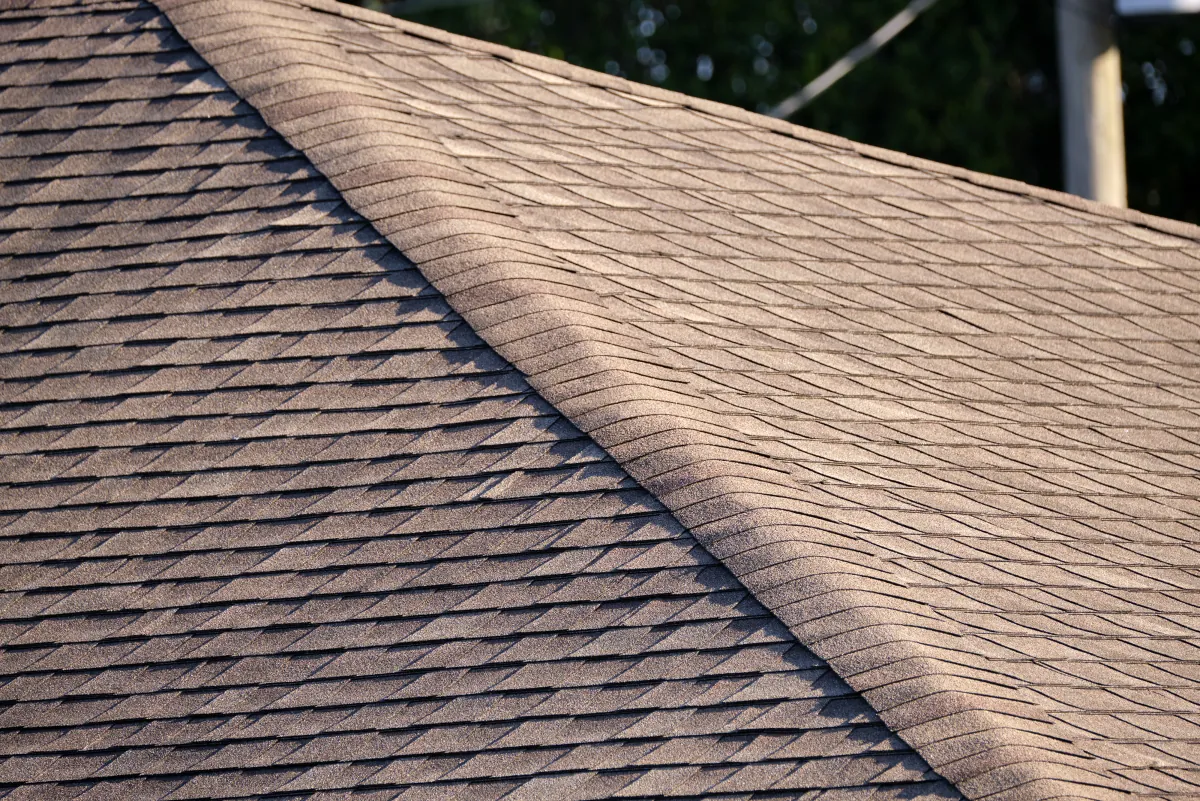
Roofing Cost in Roseville: Cost & Timeline Guide
Replacing or repairing a roof is a major expense. And the number can swing quickly based on pitch, layers, and the material you choose. This guide explains roofing cost roseville homeowners typically budget for. Plus the trade-offs that affect price and timeline before you request a detailed quote.
TL;DR:Most pricing comes down to roof size, material. And what the crew finds after tear-off (soft decking, hidden leak paths, or damaged edges). For a quick ballpark, callCall or book a time at Free estimate. Use this quick checklist for faster pricing:
- Your address (or rough roof square footage)
- Material preference (asphalt, tile, or metal)
- Any active leaks or interior stains (and where)
- Number of stories and access notes (tight side yard, steep driveway)
- Extras you want priced now (gutters, skylight work, solar detach/reattach)
- Target timing and constraints (HOA rules, insurance, upcoming sale)
How Much Does Roofing In Roseville Cost In Roseville? (Roofing Cost Roseville)
“Roofing” can mean a small repair or a full replacement, so start by matching the scope to the problem. As a result, If you have a few missing shingles or a localized leak. Repairs often cost far less than replacing the entire roof. When homeowners ask about roofing cost roseville ranges, these ballpark brackets cover many common scenarios:
- Minor repair: about $300–$1,500
- Leak diagnosis + repair: often $500–$2,500
- Partial re-roof (one area): commonly $2,500–$8,000
- Full replacement: many single-family homes land around $8,000–$25,000+ depending on material and complexity
For another lens, you can divide a full replacement quote by roof area. Also, Installed pricing often falls around $4–$12+ per square foot for many homes, while tile, metal, steep slopes. And extensive wood replacement can push beyond that.
What Changes The Price The Most
- Roof size and pitch: more area and steeper slopes increase labor and safety setup
- Material choice: asphalt shingles usually cost less than tile or standing-seam metal
- Layers to remove: multiple existing layers add labor and haul-away volume
- Decking condition: soft or damaged sheathing needs replacement before new roofing goes on
- Roof complexity: valleys, also dormers, and many penetrations add detail work
- Access: tight staging areas, landscaping, or multi-story homes can slow production
A Simple Cost Breakdown You Can Request
A clear estimate helps you compare contractors. For this reason, Ask for line items (not a single lump number) that spell out what you’re paying for:
- Tear-off and haul-away
- Roofing materials and fasteners (with product names)
- Labor for installation and waterproofing details
- Wood repair allowance (and how changes get approved)
- Permit/inspection handling if required
- Jobsite protection and cleanup
| Decision / driver | Budget impact | What to clarify |
|---|---|---|
| Material (asphalt, tile, metal) | Low to high | Exact product line and color options |
| Remove old layers vs overlay | Medium | Whether you’re paying for full tear-off |
| Decking repairs | Medium to high | How many sheets are included and the unit price beyond that |
| Roof pitch / access | Medium | Safety setup, staging plan, and protection for landscaping |
| Permits and inspections | Low to medium | Who pulls permits and when inspections happen |
Basic Vs Mid-Range Vs High-End
Prices vary by roof size and condition, so treat these as hypothetical examples—not promises. Additionally, They show how scope and finish levels can change the total even for the same square footage.
Hypothetical Budget Snapshots
- Basic (budget-focused asphalt): $8,000–$13,000 for straightforward tear-off, standard architectural shingles, and limited wood repair
- Mid-range (upgrade materials + details): $13,000–$20,000 for premium shingles or upgraded accessories, more complex roof lines, and moderate wood work
- High-end (premium material or complex roof): $20,000–$35,000+ for tile or metal, larger roofs, steep pitches, and extensive detailing
Value Choices That Protect Your Investment
When you want long-term value, prioritize parts of the roof that prevent water entry and reduce future maintenance. Meanwhile, Upgrading to better shingles can help, but the bigger payoff often comes from correct edge metal, clean transitions at walls and chimneys. And high-quality sealants around penetrations. Separately, ask how the crew evaluates attic airflow so the new roof doesn’t trap heat and moisture.
What Tends To Matter
A new roof can support resale by removing a major inspection concern and improving curb appeal. Overall, Buyers typically care about visible workmanship, consistent materials, and clear paperwork. Keep your contract, product info, and any permit records in a folder so you can hand them over during a future sale.
Want a fast sanity-check on your situation? For example, Call Call and we’ll talk through your roof type, symptoms, and budget range.

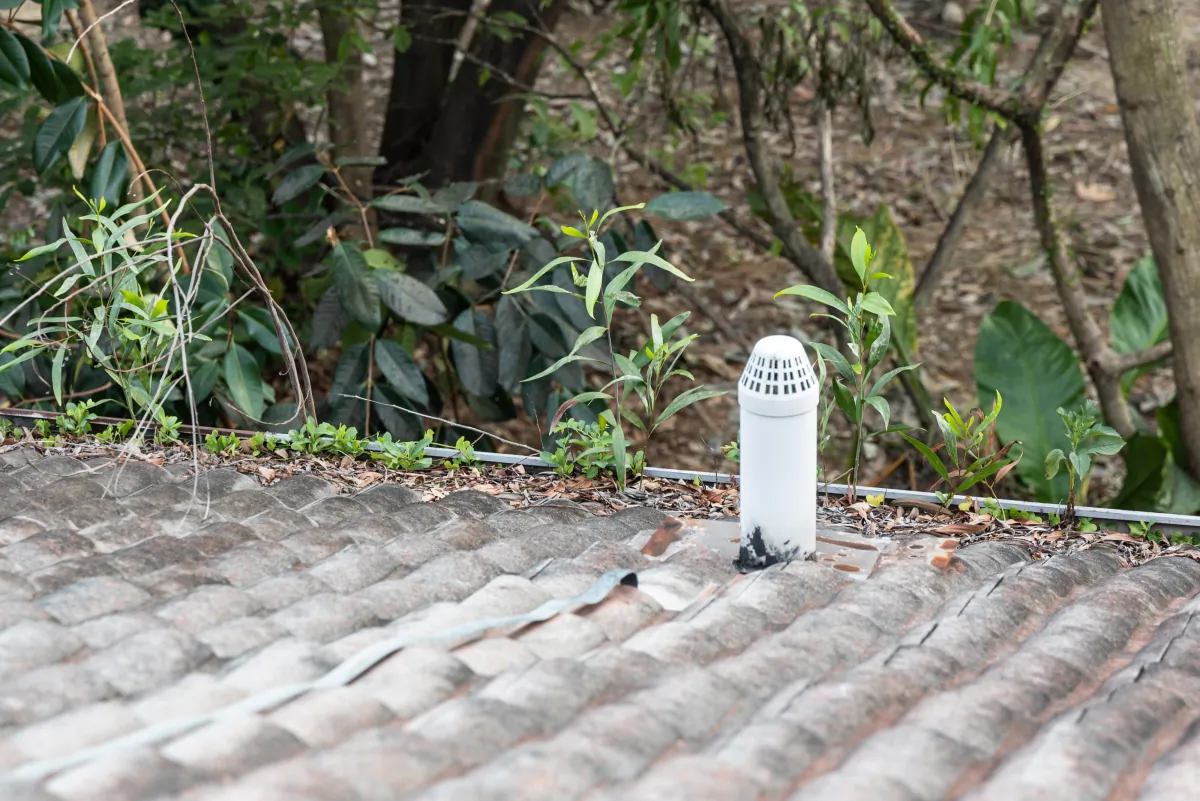
Hidden Costs To Plan For
Even a solid estimate can change once the crew removes the old roofing and can see the substrate. In addition, If you’re comparing roofing cost roseville numbers across bids. Plan for a few “unknown until opened” items and build a cushion into your budget.
- Sheathing replacement: soft plywood or OSB needs replacement so nails hold and the surface stays flat
- Fascia or edge repairs: water damage at edges can require carpentry before new metal goes on
- Skylights and penetrations: older skylights, pipe boots, or vents may need replacement to stop recurring leaks
- Gutters: sometimes gutters need re-hanging or replacement after roof work, especially if the old system sagged
- Solar detach/reattach: if you have panels, plan for coordination and reinstallation costs
- Permits and inspections: some scopes require permits, which add fees and can affect scheduling
- Dry-rot discovery: hidden rot can add labor and materials, particularly around eaves and previous leak paths
Many homeowners set aside 10–15% as a contingency for these unknowns. Also, That buffer keeps you in control if the project uncovers damage.
Financing Options Homeowners Commonly Consider
If a full replacement isn’t in the cash budget, you may have ways to spread payments out. In addition, These are common routes to discuss with a lender or financial professional:
- Home equity options: a HELOC or home equity loan often offers lower rates than unsecured credit, since it uses your home as collateral
- Unsecured home-improvement loan: fixed payments without tapping equity, although rates vary widely by credit profile
- Credit card (small repairs only): can work for minor fixes if you can pay it off quickly and avoid long-term interest
- Insurance claim (when applicable): if a covered event caused damage, your adjuster may guide the process; you still want an itemized scope
Whatever you choose, confirm the deposit, progress payment schedule, and what triggers change orders before work starts.
From Planning To Completion
Installation moves fast once the crew starts, yet planning and approvals can take longer than people expect. Meanwhile, A straightforward replacement often finishes in 1–3 working days on-site, while quoting, materials. And any permitting can stretch the overall calendar to 1–4+ weeks.
Typical Timeline By Phase
- Quick phone consult (same day): share your roof type, leak symptoms, and goals; get a rough range and next steps
- On-site inspection (1–3 days): measurements, attic check if accessible, and a look at edges, valleys, and penetrations
- Written estimate review (same week): confirm materials, tear-off plan, and allowances for wood repair
- Scheduling + materials (1–3 weeks): order materials, coordinate solar if needed, and line up any required permits
- Roof installation (1–3 days): tear-off, substrate repairs, install new roofing, and daily cleanup
- Wrap-up (same or next day): punch list, magnetic nail sweep, and inspection coordination when required
Weather can pause tear-off days, so leave a buffer if you have tight deadlines. For this reason, If you’re trying to align the project with insurance, a home sale, or an HOA window, call Call early so you can reserve a realistic start date.

Questions To Ask Before You Book An Estimate
Roofing bids are hard to compare when one quote includes extras and another leaves them out. Meanwhile, These questions help you line up scope, materials, and responsibilities so the price actually means something.
- What exact product line are you quoting? For example, Ask for manufacturer, style, and the accessory components included
- Is this a full tear-off? Also, Confirm how many layers come off and how debris removal is handled
- How do you price wood repairs? Overall, Get the per-sheet price and how you approve additional work on-site
- What’s included at roof edges and wall transitions? For example, Clarify edge metal, sealing methods, and how they prevent wind-driven rain
- Will you replace aging penetrations? As a result, Pipe boots and similar parts often cost little compared to a callback
- Who pulls permits if required? As a result, Confirm responsibility, fees, and inspection scheduling
- What workmanship warranty do you provide? Get it in writing, along with manufacturer warranty details for the products
- How will you protect the property? Ask about landscaping protection, daily cleanup, and final nail sweep
Local Permitting Note For Roseville
Depending on the scope, Roseville may require permits and inspections for roofing work. The City of Roseville provides an online permit center through Development Services for many applications and inspection scheduling. So it helps to confirm requirements early—especially if you have an HOA or plan changes like skylights.
Common Mistakes That Raise Roofing Bills
- Accepting a low price with vague material specs that don’t match what you actually want
- Skipping attic airflow and moisture checks, which can shorten shingle life
- Not budgeting for necessary wood replacement when the old roof comes off
- Assuming permits aren’t needed instead of verifying before scheduling
- Waiting until a leak damages insulation or drywall, which adds repair scope beyond the roof
If you want clear numbers and a realistic schedule, talk with US Construction & Remodeling Corp. Call Call for a quick consult, or book an on-site visit at Free estimate.
Helpful Links
Frequently Asked Questions
Most full replacements fall into a broad range because roof size, pitch, layers, and material make a big difference. Many homeowners see totals in the $8,000–$25,000+ range, while tile, metal, steep roofs, and significant decking repairs can push higher.
The fastest way to compare quotes is to ask for the roof area used and convert the total to a per-square-foot number. For a quick ballpark based on your roof type, call Call.
Repairs usually cost less when the issue is localized (a small leak area. A few missing shingles, or a single penetration). Replacement makes more sense when leaks show up in multiple areas. The roof has widespread wear, or you’re close to the end of the material’s service life.
- Choose repair if the roof is otherwise in good condition and the problem is isolated.
- Choose replacement if you need repeated repairs, see broad granule loss/curling, or want long-term peace of mind before a sale.
Permit rules depend on the exact scope (repair vs full replacement) and what changes you make. In general, some roofing projects require permits and inspections, while minor repairs may not.
Roseville routes many permit applications and inspection scheduling through an online permit center managed by Development Services. Confirm requirements early so permits don’t surprise your timeline.
Once work starts, many straightforward replacements finish in 1–3 working days. The overall timeline often runs longer because you may need time for an on-site inspection. Written scope review, materials ordering, and any required permitting.
If you have tight deadlines, ask for a written schedule and what could delay start or completion (weather. Material lead times, or inspection availability).
A good estimate makes the scope clear so you can compare bids fairly. Ask for specifics, not just a single total.
- Tear-off plan and debris removal
- Exact roofing product line and accessories
- Allowance and pricing method for wood repairs
- Edge and transition details (what materials get replaced)
- Permit/inspection responsibility if required
- Cleanup steps and final nail sweep
Many homeowners finance roofing through home equity options (HELOC/home equity loan). An unsecured home-improvement loan, or (for small repairs) short-term credit they can pay off quickly. If damage comes from a covered event, insurance may also play a role.
Before you sign, confirm the deposit amount, progress payments. And how changes get approved so your financing matches the project’s cash-flow needs.
Licensed, insured & trusted local contractor
US Construction & Remodeling Corp.
9821 Business Park Dr, Sacramento, CA, 95827
Phone: +1 (916) 234-6696
CSLB License #: 1117562 Fully licensed and insured.
Start with the pillar guide
For a complete overview (scope, timeline, and planning tips), see our main page: Roofing Remodeling.