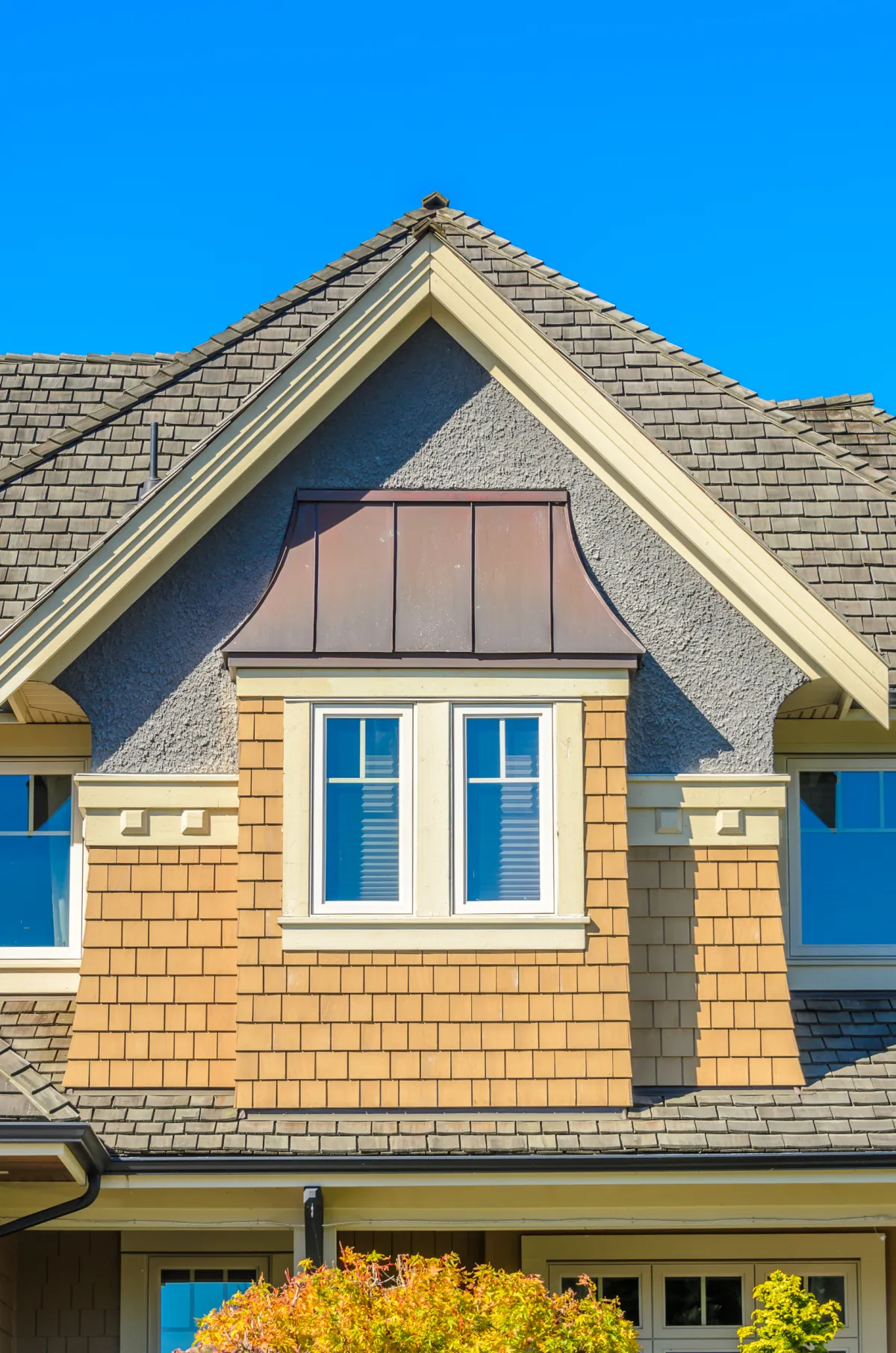
Roofing Permit Requirements In San Francisco
Planning a roof replacement or major repair in San Francisco? Before you sign a contract, it helps to understand roofing permit requirements san so you don’t get stalled by paperwork, inspections, or avoidable rework.
TL;DR: Many reroofing projects in San Francisco require a building permit and at least one inspection, especially if you replace sheathing (the wood deck under the roofing) or change roofing type. To map your timeline and next steps, call +1 (916) 234-6696 or book a planning call online.
Quick Checklist:
- Confirm the exact scope (tear-off, underlayment, flashing, ventilation).
- Ask who pulls the permit and schedules inspections.
- Verify license status and insurance before you pay a deposit.
- Get materials in writing (product line, weight, color, ventilation parts).
- Agree on how surprise deck repairs are priced and approved.
- Lock in communication basics: start window, updates, and cleanup.
Contractor Selection Checklist For Roofing Permit Requirements San
| Decision | Why it matters | Quick check |
|---|---|---|
| Material system | Affects lifespan, cost, and appearance. | Confirm shingle/tile type, underlayment, and warranty. |
| Flashing & penetrations | Most leaks start at edges and penetrations. | Specify flashing at chimneys, vents, and valleys. |
| Ventilation | Controls heat/moisture and protects decking. | Confirm intake/exhaust balance and vent types. |
| Tear-off & decking | Hidden damage can change cost and timeline. | Include an allowance and photo documentation. |
Homeowners usually run into permit trouble when the contractor treats the job like “just a reroof.” In reality, also the details matter—what you replace, what you change, and how you document it.
Use this selection checklist to keep your scope permit-ready and your bid comparisons fair.
- They explain the roof system clearly: underlayment (the waterproof layer under the roofing), flashing (metal that seals joints), and ventilation.
- They put permit responsibility in writing, including who meets the inspector on site.
- They walk the roof deck condition with you and outline what happens if they find damaged wood after tear-off.
- They give a line-item scope, not a single “replace roof” number.
- They can describe how they protect neighbors and the property (staging, debris control, daily cleanup).
- They set expectations for noise, parking, and access to the building.
Common Mistakes That Slow Projects Down
These are avoidable issues that often trigger delays, extra paperwork, or change orders mid-job.
- Starting tear-off before the permit is issued.
- Changing roofing materials after the permit paperwork is submitted.
- Skipping a written plan for deck repairs, then arguing about price on demo day.
- Not confirming how the contractor handles inspections and re-inspections.
- Accepting a vague scope that leaves out flashing, vents, or disposal.
What To Ask Before You Hire
Good questions make the permit and inspection path predictable. They also reveal whether the contractor has done this scope in San Francisco before.
- “Will you pull the permit under your company, and will that be in the contract?”
- “What changes to the roof require updated paperwork—material changes, new vents, skylights, or deck repairs?”
- “If you find rotten sheathing, how do you price it and how fast do you get approval?”
- “How will you document the materials you install (spec sheets, model names, photos)?”
- “Who is my day-to-day contact, and how often will I get schedule updates?”
- “What’s your plan for protecting landscaping, keeping walkways clear, and cleaning up nails?”
Hypothetical example: Two bids both say “replace roof,” but one includes permits and new flashing while the other doesn’t. In addition, That difference can turn into delays and surprise costs later.

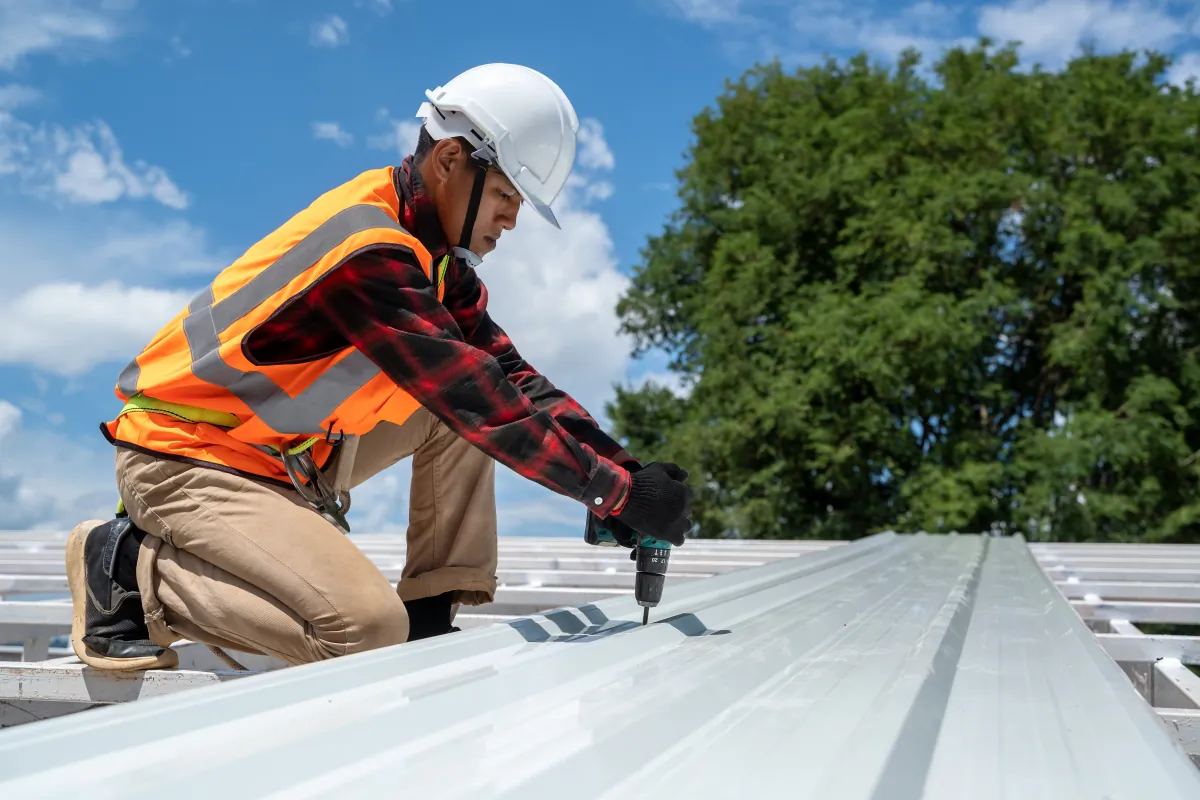
Red Flags And How To Verify Licensing
Roofing is one of those projects where the permit path and the workmanship both matter. Additionally, If a contractor avoids basic paperwork questions, treat it as a risk—not a shortcut.
Red Flags That Should Pause The Job
- They say a permit is never needed for reroofing, no matter the scope.
- They won’t provide a written scope with materials and cleanup included.
- They push for cash-only payments or large upfront deposits.
- They ask you to pull the permit “to save time.”
- They can’t show current insurance documentation.
How To Verify The Basics (Fast)
- Confirm the contractor’s license status with the Contractors State License Board: License Check.
- Ask for a certificate of insurance sent directly from their agent.
- Make sure the company name on the contract matches the license lookup.
- Get a clear change-order rule: no extra work without written approval.
Safety And Accessibility Considerations For Occupied Homes
A roof job affects daily life, especially if someone in the home has mobility limits or you work from home. For example, Set expectations up front so the site stays safe.
- Agree on where materials and dumpsters can go so entrances and walkways stay usable.
- Request end-of-day cleanup and a daily “safe to walk” check around the property.
- Plan quieter work windows if a resident has medical needs or young children nap during the day.
- Ask how the crew protects pets and keeps gates closed.
Permits, Inspections, And Paperwork
San Francisco permit requirements depend on scope. Also, Full reroofing, material changes, or repairs to the roof deck often trigger permits and inspections. Overall, When you align roofing permit requirements san with your specific scope, you reduce the odds of a stop-work order or failed inspection.
San Francisco DBI offers online permit tracking, and some residential scopes may qualify for faster or online permit steps. As a result, Your contractor should tell you what applies to your address and roof type.
Paperwork You Should Expect To See
- A written scope that matches the permit description (tear-off, underlayment, flashing, ventilation, disposal).
- Material documentation (manufacturer specs for shingles, underlayment, or metal panels).
- Plan notes or drawings when the project changes structure or adds openings (for example, skylights).
- A clear inspection plan: what gets inspected and who schedules it.
Decisions That Affect Cost And Timing
| Decision | Why it matters | What to ask |
|---|---|---|
| Repair vs replace sheathing | Deck work can change inspection needs and time on site. | “How do you price and document deck repairs?” |
| Material change | Changing roofing type can trigger extra review and details. | “Will the permit description match the final material?” |
| Access and staging | Tight sites affect labor, safety planning, and scheduling. | “Where will materials go and how will you protect walkways?” |

Timeline And Communication Expectations
Most roofing delays come from two places: waiting on approvals and discovering hidden damage after tear-off. For this reason, A clear timeline sets realistic expectations and reduces stress.
Typical Phases (With Ranges)
- Site visit + scope confirmation: 1–3 days to measure, review access, and confirm materials.
- Proposal + contract: 2–7 days, depending on how many options you compare.
- Permit submission + review: a few days to several weeks, based on scope and city review workload.
- Material ordering: 3–14 days for common materials; longer if you choose specialty products.
- Installation: 1–5 days for many single-family homes; longer for complex roofs or multi-unit buildings.
- Inspection + closeout: typically scheduled shortly after completion, then you receive final sign-off paperwork.
What “Good Communication” Looks Like
- A single point of contact who answers within one business day.
- Weekly updates while permits are in review, then daily updates during installation.
- Photos of deck conditions and any problem areas found during tear-off.
- Change orders in writing before extra work starts.
- A clear plan for inspection day: who is present and what happens if the inspector requests corrections.
Quick Recap For Roofing Permit Requirements San
If you want the shortest path to an approved, inspected roof in San Francisco, keep the scope clear, keep the paperwork consistent with the work, and pick a contractor who will own the permit and inspection steps. Meanwhile, For a timeline-first planning call, book online or call +1 (916) 234-6696.
Helpful Links
Frequently Asked Questions
In San Francisco, many full reroofing jobs require a building permit, especially when you remove and replace the existing roofing. The exact requirement depends on the scope and the building, so treat any online “always/never” advice as a starting point.
If you’re researching roofing permit requirements san, focus on these scope triggers and confirm them with San Francisco DBI or your contractor.
- Full tear-off and replacement of roofing materials
- Replacing sheathing (the wood deck under the roofing)
- Changing roofing type or adding new roof penetrations (like a skylight)
- Structural repairs to rafters or framing
When in doubt, ask the contractor to explain the permit plan in writing before work starts.
A roof repair usually means you fix a limited area to stop a leak or replace damaged material. A reroof typically means you replace roofing across a large portion of the roof, often including tear-off and new underlayment.
Why it matters: the larger the scope and the more layers you touch, the more likely you’ll need permitting and inspections.
- Often a repair: small patch work, replacing a few shingles or tiles, resealing limited flashing (metal at joints).
- Often a reroof: wide-area replacement, full tear-off, new underlayment across the roof, or decking (sheathing) replacement.
Ask the contractor to label your project clearly in the contract scope and match that description to the permit paperwork.
Timing varies by scope and city workload. Some projects move quickly, while others take longer because they need plan review or revisions.
- Simple reroof (no major changes): sometimes a shorter review window.
- Scope with structural work or new openings: often longer because drawings and review steps increase.
- Inspection scheduling: usually happens near the end of the install; you want that date discussed before day one.
San Francisco DBI provides online permit tracking, which helps you see status changes without guessing. The best timeline is the one tied to your exact scope, not a generic estimate.
In most cases, you want the contractor to pull the permit for the work they perform and to put that responsibility in the contract. That keeps the permit description aligned with the contractor’s scope and makes inspection coordination simpler.
When a contractor asks you to pull the permit, ask why. Sometimes it’s a misunderstanding. Other times it’s an attempt to shift responsibility.
- Ask who will meet the inspector and handle corrections, if needed.
- Confirm the permit fee handling (included in price or billed separately).
- Make sure the permit number and scope match what you signed.
If you do anything as an owner, get clear guidance from the city first so you don’t take on unintended risk.
Permits can affect cost in three main ways: city fees, time, and documentation. The fees vary, and some scopes require more paperwork than others.
- Fees and processing: permit and possible plan-review fees may apply.
- Time: waiting for approvals can add carrying costs or scheduling pressure.
- Documentation: drawings or engineered details may be needed when the scope changes structure.
Unpermitted work can cost more later if you need corrections, rework, or additional inspections during a sale or refinance. A clear permit plan is often cheaper than “saving time” on paper.
A solid contract makes it easy to match the work to the permit and inspection expectations. It also prevents change-order surprises.
- Scope details: tear-off, underlayment, flashing, ventilation, disposal, and protection of the property.
- Materials listed by product line and type, not just “30-year shingle” or “tile.”
- Permit responsibility: who pulls it, who pays fees, and who meets the inspector.
- Deck repair rules: how damage is documented and priced (photos, unit pricing, written approvals).
- Schedule expectations: start window, working hours, and update frequency.
- Closeout: how you receive final inspection sign-off and any required paperwork.
If any of those items are missing, ask for revisions before you sign.
Licensed, insured & trusted local contractor
US Construction & Remodeling Corp.
9821 Business Park Dr, Sacramento, CA, 95827
Phone: +1 (916) 234-6696
CSLB License #: 1117562 Fully licensed and insured.
Explore the full service overview
If you want the big-picture process, pricing factors, and what to expect, start here: Roofing Remodeling (Landing Page).