Skip links

Roofing Vs Diy Berkeley | US Construction &Amp; Remodeling Corp.

Debating whether to call a roofer or climb up there yourself? If you’re researching roofing vs diy berkeley, the real decision comes down to safety, water risk, and whether the work will stand up to an inspection. This guide gives you a clear roadmap for both paths.

Quick checklist:

  • Confirm the scope: repair, partial replacement, or a full reroof.
  • Pick a material system and verify underlayment, flashing, and ventilation details.
  • Clarify tear-off vs overlay and what happens if decking damage is found.
  • Compare 2–3 itemized bids (materials, disposal, permits, warranty).
  • Schedule around weather and confirm daily cleanup and protection.
  • Do a final walkthrough: flashing, vents, and warranty documentation.

You’ll see what to plan, what to buy, what to document, and where DIY usually stops making sense.

TL;DR: DIY can work for small, accessible fixes when you can confirm the leak source and protect the roof system. Professional roofing usually makes more sense for full replacements, steep or high roofs, and any job that may involve permits or hidden deck damage. A plan-driven scope beats a rushed weekend patch.

  • Identify the problem: leak repair vs full replacement
  • Check roof access and fall protection before you step up
  • Map penetrations (vents, skylights, chimneys) and flashing details
  • Pick materials that match your roof type and slope
  • Confirm permit and inspection requirements in Berkeley for your scope
  • Get a written scope and cleanup plan if you hire a contractor

Planning, Permits, And Practical Decisions For Roofing Vs DIY Berkeley

Roof leaks don’t always show up directly under the problem. As a result, Water can travel along decking, rafters, and flashing before it stains a ceiling. For example, That’s why a quick patch often fails unless you diagnose the full path.

Homeowners comparing roofing vs diy berkeley usually start with price, but the bigger risk is rework. In addition, One missed flashing detail can undo a weekend of effort. Additionally, Use the decision points below to match the approach to the job, not the other way around.

A Quick Decision Table

Decision pointDIY realityHiring a pro
Small, visible repairPossible if you can reach it safely and the leak source is obviousConfirms the cause and checks nearby flashing and underlayment
Flashing near chimneys/ventsEasy to miss layered details; wrong sealants crack and failInstalls proper flashing and ties it into the roof system
Multiple damaged areasHard to match materials and keep everything watertightReplaces sections cleanly and keeps the roof uniform
Full tear-off or new roofHigh safety risk; disposal, staging, and weather exposure add pressureHandles tear-off, protection, and a clean installation sequence
Permit/inspection involvedYou’ll need documentation and code-compliant detailsDelivers inspection-ready workmanship and clear paperwork

Where DIY Can Be Reasonable

  • Replacing a few shingles or sealing a small, accessible issue you can also clearly see
  • Minor maintenance you can do from a ladder with stable footing and spotter support
  • Short-term protection while you schedule a full evaluation

Where Professional Roofing Is Usually The Smarter Call

  • Steep pitch, multi-story access, or any situation where safety systems are necessary
  • Recurring leaks around valleys, skylights, chimneys, or complex roof lines
  • Any full replacement where weather exposure and timing matter

If you want a second set of eyes before you decide, get a written estimate that spells out materials, flashing scope, and cleanup. You can also review our roofing services to see what a complete scope should cover.
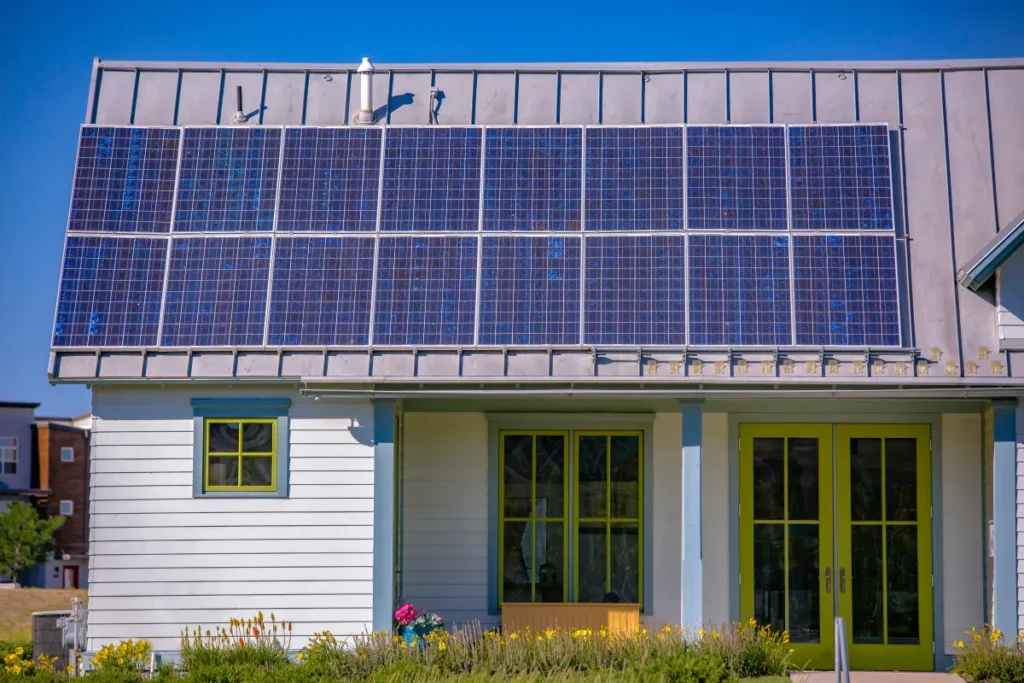
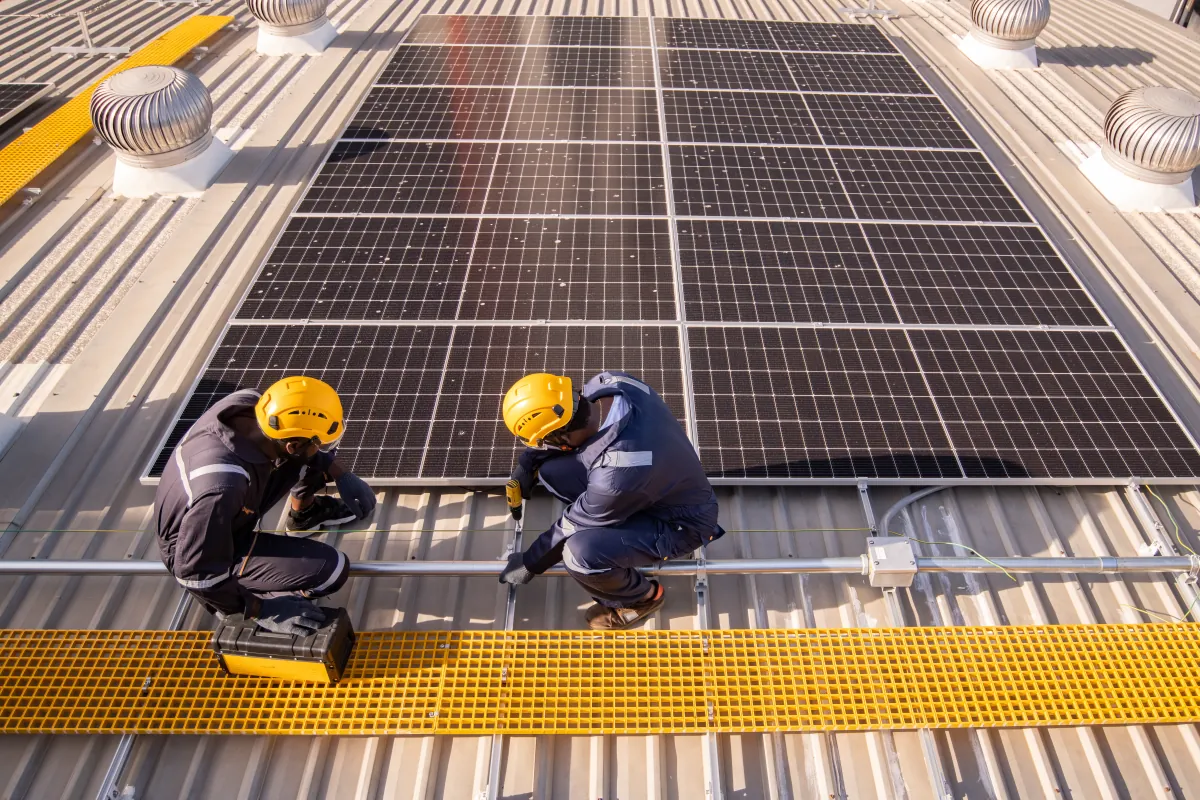
energy efficient upgrade expertise solar panels rooftop utah

Planning Checklist (Scope, Materials, Budget) For Roofing Vs DIY Berkeley

A good plan keeps your roof watertight while work is in progress. It also makes pricing and timelines clearer if you decide to hire a contractor.

Repair, Partial Replacement, Or Full Re-Roof

  • Repair: best when the damage is localized and the roof system is otherwise healthy
  • Partial replacement: useful when one slope is failing but others still have life
  • Full replacement: the right move when materials are near end-of-life or leaks keep returning

Before you buy materials, confirm how many layers exist, whether the decking feels solid, and where water is actually entering. For example, When you can’t confirm those basics safely, that’s a strong signal to bring in a professional.

Plan The Roof Layout (Water And Air)

Think of this as a “roof map.” You want water to shed cleanly and attic air to move intentionally.

  • Mark valleys, ridges, and transitions where water concentrates
  • List every penetration (vents, skylights, solar mounts, chimneys) and note the flashing type it needs
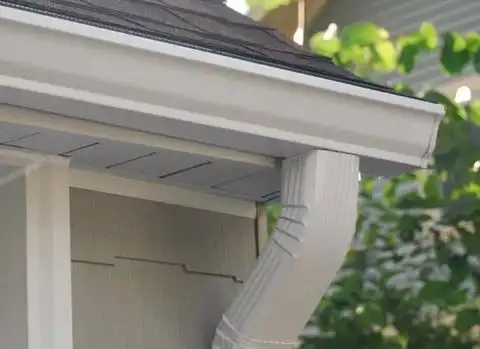
  • Confirm gutter lines and where downspouts drain so runoff doesn’t come back under the roof edge
  • Sketch intake and exhaust ventilation locations so you don’t block airflow during the install

Materials Deep Dive (Practical Pros/Cons)

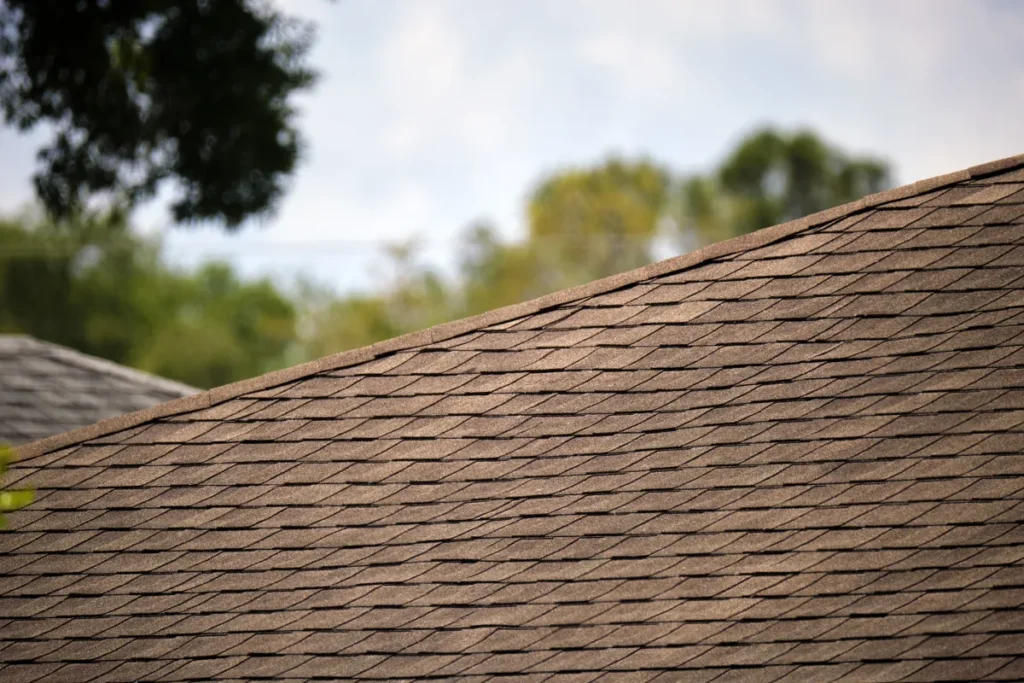
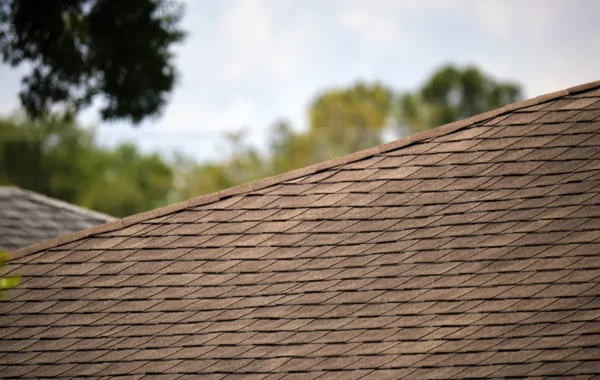
  • Asphalt shingles: common, cost-effective, and available in many profiles; performance depends heavily on underlayment and flashing quality
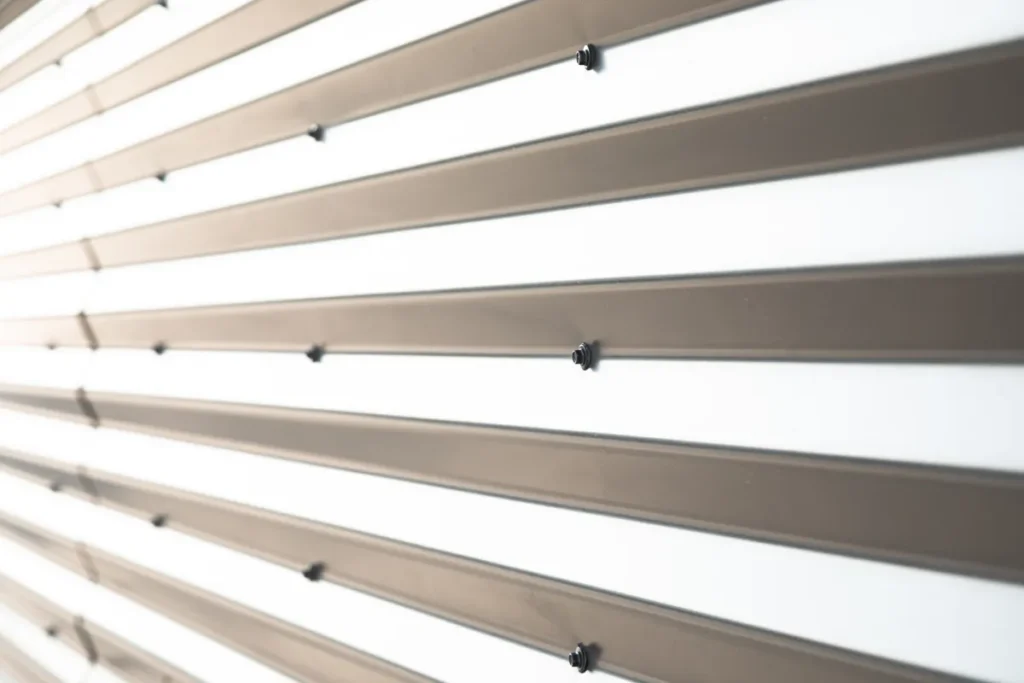
  • Metal roofing: long-lasting and clean looking; demands precise detailing at penetrations and edges
  • Tile roofing: durable and distinctive; weight and substrate details matter, so it’s rarely a good DIY target

Don’t overlook the “invisible” materials. Also, Underlayment, drip edge, and step flashing protect the roof far more than sealant does. In addition, If your DIY plan relies mainly on caulk, it’s worth rethinking.

Organize The Home And Attic Before Work Starts

  • Clear a path to attic access and cover stored items to limit dust
  • Move vehicles to make room for delivery, staging, and debris disposal
  • Choose a dry, secure place to store materials so they don’t warp or blow away
  • Protect landscaping and outdoor furniture near eaves and work zones

Budget planning gets easier once your scope is clear. For this reason, Instead of chasing the cheapest line item, compare what’s included: tear-off, disposal, flashing, ventilation, and how changes get approved if hidden damage shows up.

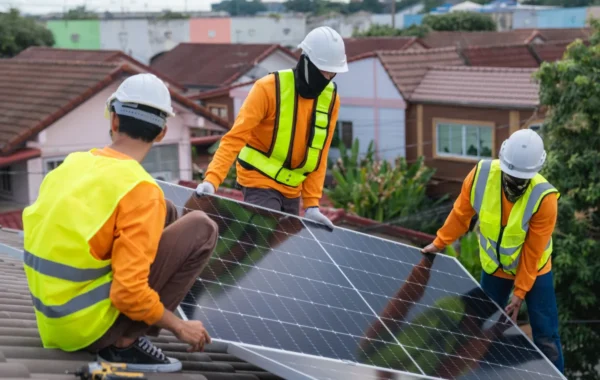
solar panel engineers walking on roof inspect and check solar

Permits And Inspections (General)

US Construction & Remodeling Corp. Meanwhile, helps Berkeley homeowners make the roofing decision with a clear scope, material options that fit the home, and installation details that are ready for inspection when a permit applies. Additionally, If you’re weighing roofing vs diy berkeley and want a pro to handle the work end-to-end, we’ll explain the tradeoffs and put everything in writing.

Schedule your free estimate online, or call +1 (916) 234-6696 to talk through your roof.

Keep It Simple And Verify The Scope

Permitting requirements depend on what you’re changing. Overall, In Berkeley, the Permit Service Center supports online permitting (“Permits Online”) for many building and trade permits, which makes it easier to confirm requirements before work begins.

  • Start with a written scope: repair vs replacement, and any structural changes
  • Ask whether your scope triggers a permit and whether inspections will be required
  • Keep product information and installation details available for reference

Inspection-Ready Details That Protect Your Home

  • Proper flashing at walls, chimneys, and penetrations (not just surface sealant)
  • Consistent underlayment coverage and clean transitions at valleys and edges
  • Edge protection details like drip edge and starter courses where applicable
  • A ventilation plan that preserves attic airflow and reduces moisture risk

Trust Checklist (Licensing, Insurance, Communication)

  • Verify the contractor’s license status using the CSLB license check tool
  • Confirm insurance in general terms (liability and workers’ comp) and ask for documentation
  • Clarify who pulls permits and who meets inspectors when required
  • Expect a written scope, a materials list, and a change-order approach for surprises
  • Ask how the crew will protect landscaping, manage debris, and clean up daily

One more practical tip: document the roof before and during work with photos. It helps you track progress, and it also makes warranty conversations easier later.

Frequently Asked Questions

It depends on the scope. Many roofing projects require a permit when you’re replacing significant portions of the roof system or changing structural elements.

  • Start with a written scope (repair vs replacement)
  • Check with the City of Berkeley Permit Service Center before scheduling work
  • Plan for inspections if a permit applies, especially when decking repairs are involved

DIY can make sense for small, accessible tasks when you can work safely and confirm the leak source.

  • Replacing a few shingles on a low-slope, single-story area you can reach safely
  • Temporary protection while you schedule a full evaluation
  • Minor maintenance that doesn’t involve removing large roof sections

The price gap isn’t just labor. The biggest cost drivers come from what’s included and how risk is managed.

  • Safety equipment, staging, and debris disposal
  • Flashing and underlayment details (the parts that stop leaks)
  • Tooling and material waste from trial-and-error
  • Hidden deck damage that only shows up after tear-off
  • Permitting and inspection coordination when required

Timing depends on roof size, pitch, access, weather, and whether a permit is involved.

  • Small repairs can be completed quickly once the scope is confirmed
  • Full replacements often take multiple working days, plus any permit and inspection time
  • Material deliveries and weather windows can shift the schedule

Shingles matter, but the system details matter more. Focus on the layers that manage water and movement.

  • Roofing material: asphalt, metal, or tile based on slope, budget, and structure
  • Underlayment: choose a product appropriate for your roof type and exposure risk
  • Flashing: plan for chimneys, vents, walls, and valleys with proper layered flashing
  • Ventilation: keep intake and exhaust balanced so moisture doesn’t build up

Use a checklist and insist on clear documentation.

  • Verify license status with the CSLB and confirm insurance in general terms
  • Ask for a written scope that calls out tear-off, flashing, ventilation, and cleanup
  • Clarify who handles permits and inspections if required
  • Confirm how changes are approved if hidden damage is found

Service info for Sacramento

For the complete overview of process and planning in Sacramento, visit Roofing Remodeling (Landing Page).

Leave a comment

This website uses cookies to improve your web experience.
Explore
Drag