Skip links

Sacramento County Health Plan Review: Bar & Cafe Build-Outs

If you’re planning a cafe or bar build-out in Sacramento. The county health department plan review is one of the schedule drivers that can either run smoothly or create expensive rework. This guide explains what to prepare, how to coordinate reviews with construction. And how to keep inspections, procurement, and tenant operations aligned.

TL;DR:If you’re planning a cafe or bar build-out in Sacramento. The county health department plan review is one of the schedule drivers that can either run smoothly or create expensive rework. This guide explains what to prepare, how to coordinate reviews with…

Quick checklist:

  • Define the scope and your must-have outcome (performance, budget, timeline).
  • Confirm what work is involved and the order of operations.
  • Finalize measurements and key selections before ordering long-lead materials.
  • Collect 2–3 quotes and compare line-by-line (scope, allowances, cleanup, warranty).
  • Create a simple schedule and pre-order the items that most often cause delays.

It’s written for facility and property managers, general contractors, project managers. And business operators who need a practical path from plans to opening day—without guessing who owns each step.

Sacramento County Health Department Plan Review For Cafe And Bar Build-Outs: Process, Timeline, And Coordination

DecisionWhy it mattersQuick check
ScopeDefines what is included and prevents surprises.Write a line-item scope and allowances list.
Site constraintsAccess and hidden conditions can change the plan.Check access and existing surfaces before work starts.
SelectionsLong-lead items can drive the schedule.Confirm availability before starting.
PermitsSome scopes require approvals and inspections.Ask your city/county what applies to your project.

TL;DR:Treat the health plan review like a tracked deliverable, not “paperwork.” Most delays come from incomplete submittals, late equipment changes. Also, And slow turnaround on comments, especially when building permits and trade work move forward in parallel.

  • Assign one owner for the submittal package and one owner for comment responses.
  • Freeze the equipment list early and collect cut sheets for anything tied to utilities or ventilation.
  • Coordinate hood, also make-up air, and fire protection details before procurement.
  • Confirm ADA path-of-travel and restroom impacts before finalizing the layout.
  • Build an inspection calendar into the schedule, including time for corrections and re-inspects.
  • Plan staging and deliveries so finishes and equipment arrive before required inspections.

Who This Guide Is For

If you manage an occupied commercial property, you’re balancing tenant disruption, safety, and a hard opening date. In addition, If you’re a GC or PM, you’re balancing design intent, inspections, and subcontractor sequencing. Either way, the goal is the same: keep the plan review, permits. And field work moving together so the project doesn’t stall waiting on an approval or a missing document.

What The Health Plan Review Typically Checks

While requirements vary by scope, plan reviewers commonly focus on food-safety-driven layout and cleanability. For example, Plan for coordination across equipment, plumbing, and ventilation so reviewers aren’t forced to guess how the space will operate.

  • Equipment placement and clearances needed for cleaning and maintenance
  • Handwashing, warewashing, and mop sink locations relative to prep and service areas
  • Surface and finish selections in wet or food-contact-adjacent zones (cleanable, durable materials)
  • Ventilation approach for heat, smoke, and odors, plus make-up air coordination
  • Plumbing and wastewater routing considerations for sinks, floor receptors, and indirect waste
  • Storage, employee support areas, and overall workflow (receiving → storage → prep → service → warewashing)

Submittal Package That Reduces Re-Review

A complete package lowers the odds of multiple comment cycles. As a result, When the equipment list changes after submittal, expect plan revisions. For that reason, locking key selections early protects both budget and schedule.

  • Scaled floor plan with equipment keyed to an equipment schedule
  • Plumbing and mechanical intent drawings showing major utility connections and ventilation
  • Finish notes for floors, walls, and ceilings in back-of-house and wash areas
  • Manufacturer cut sheets for critical equipment (cook line, refrigeration, dish, ice, bar fixtures)
  • Notes on any proposed re-use of existing equipment or hoods, if applicable

How It Interfaces With City Of Sacramento Permitting

On most tenant improvements, the health review runs alongside the building permit process. Additionally, In Sacramento, building permits and plan status are typically tracked through the City of Sacramento’s online permitting portal (Accela Citizen Access). So it’s practical to align submittal dates, comment turnaround, and permit issuance milestones in one schedule.

Permits, Inspections, And Schedule Holds

Depending on scope, your build-out may require building and trade permits. For this reason, Plus inspections that create “hard stops” if any prerequisite work is incomplete. Confirm early who is responsible for pulling permits (often the licensed contractor. By agreement) and who pays jurisdictional fees (often the tenant or owner, by agreement).

  • Rough inspections: Framing, electrical, plumbing, and mechanical roughs drive sequencing and wall close-up dates.
  • Specialty systems: Hood/fire protection work and related sign-offs can sit on the critical path.
  • Finals and commissioning: Finals typically depend on punch completion, device testing, and as-built documentation readiness.
  • Corrections: Plan time for fix-and-return; re-inspections cost time even when fees are minor.

ADA And Code Checkpoints Before You Submit

Cafe and bar projects often trigger accessibility and life-safety coordination. Meanwhile, Even when the layout looks “minor.” Catching these items during layout and budgeting reduces change orders later.

  • Accessible route to the tenant space and key public areas, plus door clearances
  • Restroom accessibility impacts (clearances, fixtures, grab bars, accessories, signage)
  • Service counter and seating considerations where applicable
  • Egress paths, exit signage, and any life-safety device relocations tied to new walls or ceilings

Cost And Timeline Snapshot

  • Review and permitting time varies with scope and submittal completeness; plan for at least one comment cycle.
  • Major cost drivers usually include MEP changes, hood/fire protection scope, and any required accessibility upgrades.
  • Long-lead equipment and custom millwork can push openings even after approvals are in hand.
  • Inspections create schedule holds, so build float for corrections and re-inspects.
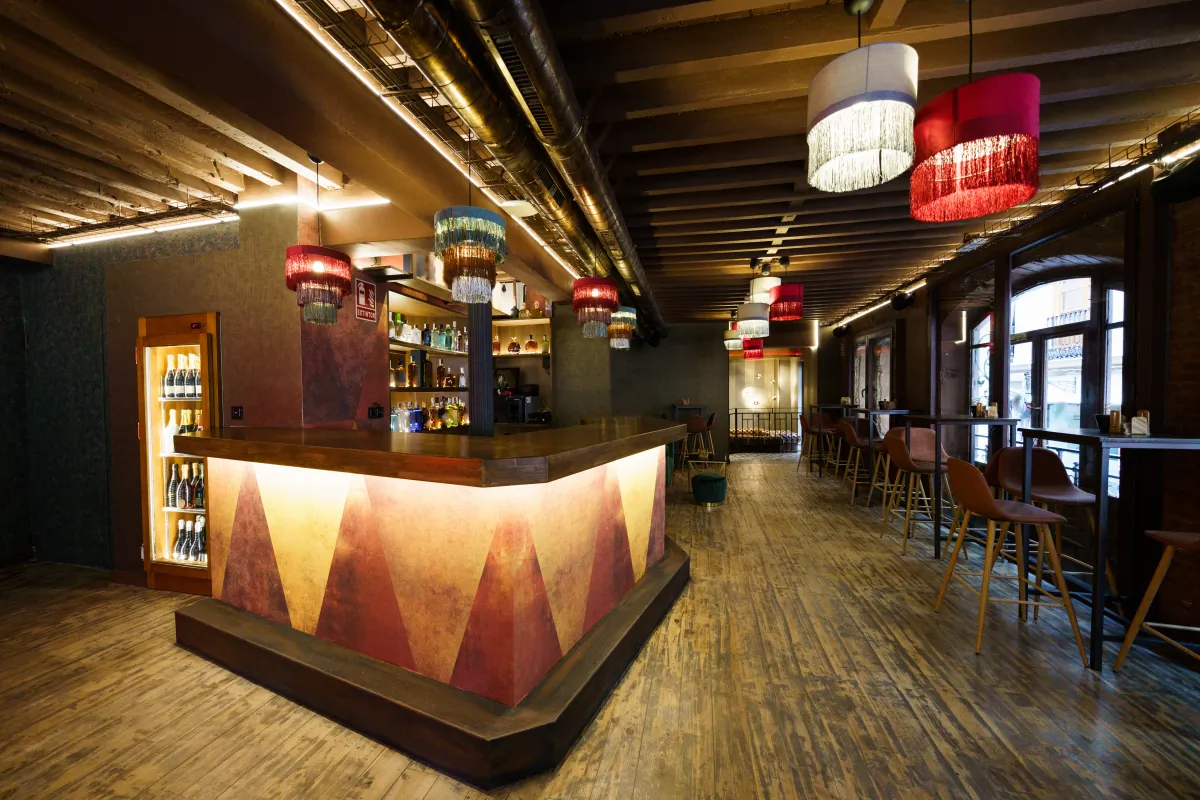
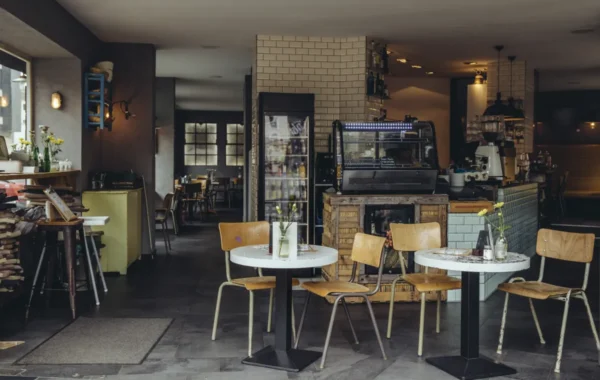
bar cafe build outs interior view empty cafe

Tenant/Operations Coordination

Most cafe and bar tenant improvements happen in real buildings with neighbors, shared corridors. Overall, And operating hours that don’t stop just because construction starts. A coordination plan up front prevents mid-project conflicts over access, shutdowns, noise, and inspections.

Phasing To Minimize Downtime

Downtime control is mainly a sequencing problem. As a result, The best plans define work zones, maintain safe egress, and schedule utility interruptions as short, well-communicated events.

  • Separate “back-of-house” work from any public-facing areas so you can keep limited operations or adjacent tenants functioning.
  • Bundle shutdowns (water, gas, electrical) and do them during approved windows; confirm restart testing time, not just off-time.
  • Use temporary barriers, negative air as needed, and clear signage so occupied areas remain clean and navigable.
  • Keep a weekly look-ahead that includes inspections, deliveries, and any access requests (roof, electrical rooms, grease interceptors, etc.).

Tenant And Property Communications That Avoid Surprises

Good communication isn’t a meeting-heavy culture; it’s a predictable system. For example, In practice, that means written notices, a single point of contact. And fast escalation when field conditions conflict with plan assumptions.

  • Issue shutdown notices with date/time, affected systems, and a rollback plan if testing fails.
  • Coordinate building access, keys/badges, alarm considerations, and any escort requirements.
  • Confirm where crews can stage materials and where deliveries can unload without blocking fire lanes or customer parking.
  • Document existing conditions before demolition so responsibility stays clear if concealed conditions appear.

Key Decisions Table (Schedule And Cost Drivers)

DecisionWhy it mattersSchedule impactCost impact
Re-use vs. replace major equipment/hoodDrives design, inspections, and specialty subcontractor scopeCan add rework if discovered lateCan shift budget significantly
After-hours vs. daytime workAffects productivity, access, and tenant coordinationChanges duration and inspection planningMay add labor premiums
Restroom or corridor layout changesOften triggers ADA and life-safety coordinationMay add review cycles and inspectionsIncreases MEP and finish scope
Electrical or gas service upgradesDetermines equipment feasibility and commissioning stepsUtility coordination can become critical pathAdds infrastructure costs

Hypothetical Before/After Mini Case (Anonymized)

Hypothetical example:A small cafe tenant improvement needed new refrigeration, a revised handwash sink location. For this reason, And updated finishes, while the property required strict egress control in shared corridors.

  • Before: The team planned demolition and rough-ins without a confirmed equipment list, which risked plan review comments and field rework.
  • After:The equipment schedule was finalized early, the submittal package included cut sheets and utility notes. For example, And the work was phased so shared corridors stayed open with clear signage and barriers.
  • Resulting coordination approach: Inspections were scheduled around delivery windows, and closeout documentation was assembled as work progressed instead of at the end.
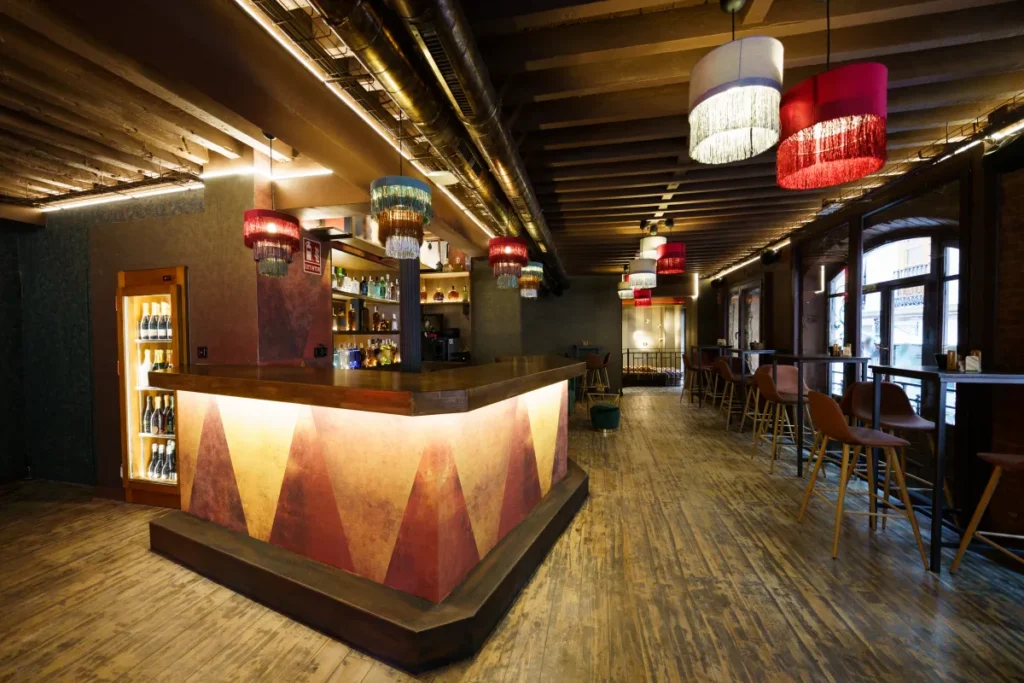
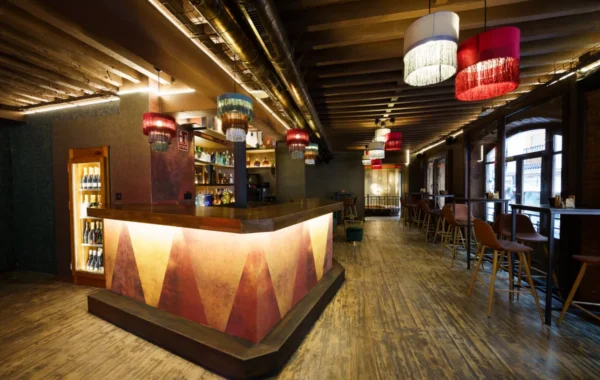
bar cafe build outs interior cafe wooden bar counter

Materials Lead Times And Procurement

US Construction & Remodeling Corp. As a result, helps commercial clients coordinate reviews, phasing, and documentation so the county health department plan review doesn’t get disconnected from what’s actually being purchased and installed. We track submittals, confirm lead times, and sequence work so inspections and tenant operations stay aligned with real delivery dates.

Schedule a site walk online to request a bid for your Sacramento cafe or bar build-out, or call +1 (916) 234-6696 to coordinate availability.

Long-Lead Items That Commonly Drive The Critical Path

Even a well-reviewed set of plans can miss the opening date if procurement drifts. In addition, These are frequent drivers on cafe and bar build-outs:

  • Commercial refrigeration and ice equipment
  • Custom millwork, bar tops, and casework
  • Kitchen hoods, make-up air components, and related ductwork
  • Specialty plumbing fixtures and backflow/valving assemblies
  • Lighting packages and controls that require submittal approval
  • Door hardware and access control components tied to egress and security

Procurement Controls That Protect Schedule And Compliance

A simple control system prevents late substitutions that create re-review or inspection failures. For this reason, That system usually includes an equipment freeze date, a submittal log. And a plan for approved equals that still meet cleanability and utility requirements.

  • Collect and review cut sheets early so the design team and reviewers can confirm utility needs before ordering.
  • Match delivery dates to the inspection sequence; for example, avoid setting finished equipment before rough approvals, but don’t leave finals waiting on missing fixtures.
  • Plan secure staging and delivery access, especially in multi-tenant properties with limited storage.
  • Keep documentation organized (submittals, RFIs, and field change notes) so responses to plan comments are fast and consistent.

Sacramento-Specific Coordination Note

Because City of Sacramento permit status and inspection scheduling are typically handled through an online portal, it helps to tie procurement milestones to permit milestones in one shared schedule. In addition, When long-lead items slip, adjust the inspection plan immediately rather than discovering the conflict at final.

Explore the full service overview

If you want the big-picture process, pricing factors, and what to expect, start here: Bar & Café Build-Outs.

Related articles

  • Roofing Vs DIY In Novato
  • Roofing Permit Requirements in Davis: Checklist + Timeline
  • Kitchen Remodeling Cost in Folsom: Price Ranges + Timeline

Leave a comment

This website uses cookies to improve your web experience.
Explore
Drag