Siding Timeline in El Dorado Hills: Permits, Milestones & Checklist
Replacing siding changes curb appeal and helps your home shed rain. A clear siding timeline el dorado plan makes it easier to set expectations for an El Dorado Hills project and avoid last-minute surprises.
Quick checklist:
- Pick a siding material and finish that matches climate and maintenance goals.
- Confirm moisture management details (housewrap, flashing, caulking) in writing.
- Define the full scope (trim, soffit/fascia, paint, insulation upgrades).
- Confirm access/safety plan and how landscaping/property will be protected.
- Compare 2–3 itemized quotes and verify warranty coverage.
- Check permit requirements if altering exterior walls or doing structural repairs.
TL;DR: Most schedules slip before installation starts—during material selection, ordering, and permit/inspection coordination. Tear-off can also uncover damaged wood (the wall panels under siding are called sheathing). Use the checklist below to keep decisions and approvals moving.
- Confirm whether your scope may need a permit.
- Pick the siding material, color, and trim style.
- Ask what happens if rot shows up after tear-off.
- Plan access for dumpsters, staging, and pets.
- Request a written estimate with clear inclusions.
- Set expectations for inspection scheduling if required.
Permits, Timeline, And What To Expect For Siding Timeline El Dorado
| Decision | Why it matters | Quick check |
|---|---|---|
| Material choice | Durability and maintenance differ by material. | Compare fiber cement vs vinyl and verify warranties. |
| Moisture management | Water control prevents rot and mold. | Confirm housewrap and flashing details around openings. |
| Trim & transitions | Details control fit and long-term sealing. | Specify corners, soffit/fascia scope, and finish plan. |
| Access & protection | Staging affects speed, cost, and safety. | Plan scaffolding, landscaping protection, and cleanup. |
Homeowners usually picture siding as “a few days on ladders.” The real schedule includes planning time, material lead times, and any permit/inspection steps that apply to your address. In addition, If you want fewer surprises, treat your project like a short plan-and-build job, not just delivery and install.
For most homes, the on-site work can run from a few days to a couple of weeks. For example, Larger homes, multiple stories, heavy trim details, and repairs behind the old siding tend to stretch that window. Additionally, You can shorten the calendar by making decisions early and confirming what paperwork applies before materials arrive.
Common Pain Points That Slow Projects
- Late material decisions: special-order colors or profiles can also add lead time.
- Hidden damage: rot, termites, or water stains often appear after old siding comes off.
- Detail work: new trim, corner boards, and vents take time but protect edges.
- Access limits: tight side yards and steep lots slow staging and cleanup.
Who This Timeline Guide Is For
- Homeowners replacing old, cracked, or warped siding.
- Anyone changing style (for example, lap to board-and-batten).
- Homes with peeling paint where you want cleaner edges and better water control.
- Projects that may involve sheathing repair or window/door trim changes.
Questions To Ask Contractors (Save These In Your Notes)
- Who orders materials, and how do you confirm lead times in writing?
- Do you include a new water-resistive barrier (often called house wrap) and new flashing (thin metal that directs water away) around openings?
- How do you price and schedule repairs if you find rot after tear-off?
- Will you provide a day-by-day plan once the start date is set?
- What protections do you use for landscaping, windows, and walkways?
- Who handles permits and inspections if the scope requires them?
What To Plan Before Demo
Before any boards come off the wall, lock down three items: the exact material, the finish plan (factory-finished vs. Meanwhile, site paint), and the repair allowance for anything hidden. In addition, That prep work usually matters more than the number of installers on day one.
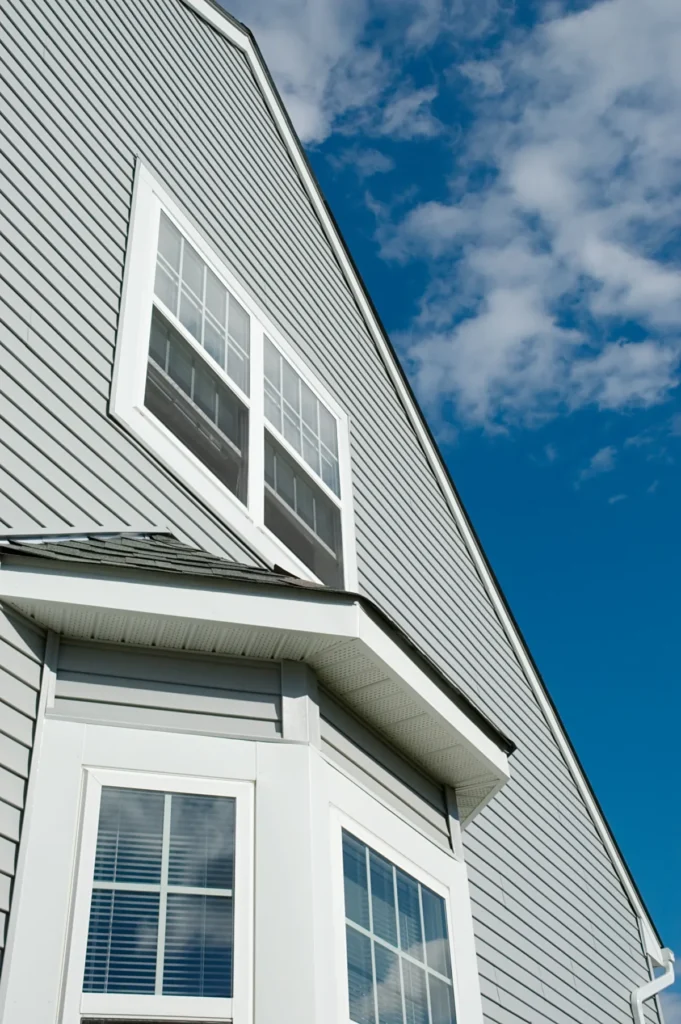

When Permits Are Typically Necessary (General) For Siding Timeline El Dorado
Permit needs depend on the scope, not just the word “siding.” Many areas require permits when work changes the building envelope (the outside skin that keeps water and air out) or when you modify structure. As a result, Some “like-for-like” replacements can be treated as repair. Also, The safest move is to confirm requirements early, because permit and inspection scheduling can drive your calendar.
In El Dorado Hills, many residential permit steps are commonly handled through El Dorado County Building Division online services, depending on the address and the permit type.
Scopes That Often Trigger Permits Or Inspections
- Replacing or repairing large areas of sheathing or framing.
- Changing window or door openings, or adding new openings.
- Adding or moving exterior vents that penetrate the wall.
- Switching to a heavier cladding system that needs different fastening.
- Upgrades that involve electrical, plumbing, or HVAC work at the exterior wall.
Typical Inspection Points (If Required)
- Weather barrier and flashing: verifies water-management details before siding covers them.
- Final inspection: checks the finished exterior and clearances.
Typical Milestones
Timelines vary, but most siding projects follow the same milestones. Overall, You can think of the job in three phases: plan, build, and closeout. For example, The “plan” phase can be short when choices are simple and materials are in stock. It can also take several weeks when permits, HOA review, or special-order products are involved.
Milestones And Rough Time Ranges
- Site visit + measurements: usually 1 visit; complex homes may need a second measure.
- Written estimate + scope review: 1–3 days once measurements and selections are clear.
- Material ordering: can be same week for stocked items; special orders can take longer.
- Permit/plan review (if needed): timing depends on jurisdiction and workload.
- Jobsite setup: 0.5–1 day for protection, staging, and delivery.
- Tear-off + disposal: 1–3 days depending on layers and access.
- Repairs behind the siding: varies; this is the most common wildcard.
- Install new barrier, flashing, and siding: often several days to two weeks.
- Caulk/paint/touch-ups + cleanup: 1–3 days depending on finish plan.
- Inspection + punch list (if required): schedule depends on inspector availability.
Choices That Move The Schedule
| Decision or condition | Why it matters | Common timeline impact |
|---|---|---|
| Stock vs. special-order siding | Lead time can control the start date. | Days to weeks |
| Factory-finished vs. site-painted | Site paint adds prep and dry time. | 1–3+ days |
| Hidden rot after tear-off | Repairs must be completed before new siding goes on. | 1–5+ days |
| Changing trim style/details | More cuts and sealing points mean more labor. | 1–3+ days |
| Permit/inspection requirements | Approval and inspection windows can add calendar time. | Variable |
Hypothetical example: A straightforward “replace in place” job with stocked materials may move quickly once it starts. For this reason, A project that needs repairs, custom trim, and inspections will usually stretch out, even with the same size crew.

Decisions That Affect Schedule
Most delays are decision delays. Additionally, If you answer the questions below before materials arrive, you reduce rework and avoid waiting on change orders.
- Which siding type are you installing (vinyl, fiber cement, engineered wood, or another system)?
- Is the finish factory color, primed, or fully paint-ready on site?
- Do you want to change trim size, corner boards, fascia, or soffits?
- Are you keeping existing window and door sizes, or changing openings?
- Do you want added wall insulation while the siding is off?
- How much hidden-damage repair budget should the estimate include?
- Any HOA architectural review requirements or color rules to clear first?
- Where will materials, dumpsters, and ladders stage on your property?
Maintenance Tips After New Siding Goes Up
Good siding lasts longer when you treat water control and surface care as routine maintenance.
- Rinse dust and pollen with a gentle hose wash. Also, Avoid aggressive pressure washing at seams.
- Check caulked joints yearly. Meanwhile, Re-seal small gaps before water gets behind the wall.
- Keep sprinklers aimed away from the siding and trim.
- Trim shrubs back so the wall can dry after rain.
- Look for soft spots near windows, doors, and deck connections. Address them early.
How To Avoid Delays
You can’t control every variable, but you can control the big ones: scope clarity, material readiness, access, and approvals.
- Get selections in writing: material, profile, color, trim details, and finish plan.
- Confirm lead times before you schedule: don’t pick a start date based on “should arrive.”
- Plan for the “surprise layer”: older homes may have multiple siding layers or damaged sheathing.
- Set access rules: gate codes, parking, pets, and work hours so the crew can stay productive.
- Talk permits early: if the scope needs permits, build inspection windows into the schedule.
- Document existing conditions: quick photos of trouble spots help everyone agree on repair scope.
Request A Written Estimate (Estimate-First CTA)
If you want an accurate schedule and price, start with a written estimate that spells out what’s included. US Construction & Remodeling Corp. Also, can quote siding repair or replacement in El Dorado Hills and explain which decisions will speed up (or slow down) your start date.
- Project address in El Dorado Hills and a couple of exterior photos (all sides if possible).
- Your preferred siding type and finish (or a short list if you’re deciding).
- Any known water damage areas, soft spots, or peeling paint concerns.
- Whether you plan to change trim, insulation, windows, or vents.
Call +1 (916) 234-6696 or book a site visit online: Request a free estimate.
Helpful Links
Frequently Asked Questions
Most projects have two timelines: planning time (choices, ordering, and any permits) and on-site time (tear-off, repairs, and installation). The on-site phase often runs from a few days to a couple of weeks for many homes.
Several factors can stretch the calendar:
- Special-order materials or custom trim details
- Multi-story access or tight side yards
- Repairs discovered after tear-off (rot or damaged sheathing)
- Finish work, especially if you plan to paint on site
- Permit and inspection scheduling (when required)
The fastest way to get a realistic timeline is a written estimate based on measurements and a clear selection list.
Installation is often the shortest piece once everything is ready. The long pole is usually materials (lead times) or permit/inspection coordination when the scope requires it.
In practice, the timeline tends to break down like this:
- Material lead time: controls when the job can start if products are special order.
- Permits/inspections: can add calendar time because you work around review and inspection windows.
- Installation: moves quickly when the wall is sound and details are decided.
If you want fewer delays, confirm product availability before you lock a start date, and ask how inspections (if any) fit into the schedule.
Sometimes yes, sometimes no. It depends on what you’re changing. Many jurisdictions treat simple replacement as repair, while others require permits when the work affects the exterior wall system or involves structural repair.
Permits are more common when the project includes:
- Large areas of sheathing or framing repair
- Changes to window/door openings
- New penetrations (new vents, new exterior equipment)
- A cladding system that changes fastening or wall build-up
For El Dorado Hills addresses, homeowners often coordinate through El Dorado County for many building permit needs. Confirm requirements early so you can plan for review and inspection timing if they apply.
Material choice affects both ordering and labor time. Some products ship faster, and some take longer to cut, fasten, seal, or finish.
- Vinyl: often installs quickly and may be easier to keep moving once the crew starts.
- Fiber cement: is durable, but it’s heavier and can take longer to cut and detail. If you paint on site, add prep and dry time.
- Engineered wood: can be efficient to install, but timelines vary based on finish, trim details, and availability.
Ask your contractor to confirm your exact product, color, and trim package in writing. That’s how you avoid schedule drift from last-minute substitutions.
This is one of the most common reasons timelines change. Once the old siding comes off, the crew can see the condition of the sheathing and framing. If they find rot, they should stop and show you the affected areas.
A professional plan usually includes:
- A clear explanation of what needs repair and why
- A written price for the repair work (often as a change order)
- An updated timeline, because repairs must be completed before new siding goes on
You can reduce surprises by budgeting for a repair allowance up front and by addressing obvious leaks (failed caulk, missing flashing, or roof/wall intersections) as part of the scope.
Yes, and bundling scopes can save downtime—if you plan it correctly. The key is sequencing and trade coordination.
- Insulation: adding insulation while the wall is open can make sense, but it may change wall thickness and detailing.
- Trim updates: new corner boards, fascia, or soffits can improve the finished look, but they add cutting and sealing time.
- Window/door changes: these often add framing work and can affect permits and inspections, which can extend the overall calendar.
If you’re combining scopes, ask for one written plan that lists milestones and who is responsible for each trade. That’s how you prevent gaps between phases.
The more complete your input, the tighter the estimate and schedule. You don’t need perfect measurements, but you do need clarity on what you want and what you’ll change.
- Address in El Dorado Hills and photos of each side of the home
- Preferred siding type (or 2–3 options you’re considering)
- Your finish plan: factory color, primed, or site-painted
- Any known soft spots, leaks, or areas of peeling paint
- Whether you want insulation, trim changes, or window/door changes
To request a written estimate, call +1 (916) 234-6696 or use the online form: Request a free estimate.
Licensed, insured & trusted local contractor
US Construction & Remodeling Corp.
9821 Business Park Dr, Sacramento, CA, 95827
Phone: +1 (916) 234-6696
CSLB License #: 1117562 Fully licensed and insured.