Solar Panels Contractor In Elk Grove
Hiring the right installer matters as much as the panels themselves. If you’re searching for a solar panels contractor elk homeowners can rely on in Elk Grove, this checklist helps you compare bids, paperwork, and workmanship before you sign.
Quick checklist:
- Verify roof condition first; plan reroof timing before installing panels.
- Size the system from real kWh usage and shading, not just panel count.
- Compare inverter options (microinverters vs string + optimizers) and monitoring.
- Confirm permitting and utility interconnection responsibilities and timeline.
- Review the contract (warranties, production assumptions, exclusions, roof penetrations).
- Confirm any electrical panel upgrades and inspection steps.
- Verify license/insurance where required, and compare bids line-by-line (allowances, exclusions, change orders).
TL;DR: Get 2-3 written quotes, verify license and insurance, and confirm who handles permits, inspections, and the utility’s Permission to Operate step. A clear scope and a realistic schedule matter more than a low number on the first page.
- Confirm the contractor’s California license status, insurance, and recent references
- Compare proposals line-by-line (equipment, roof attachment method, electrical scope)
- Ask who pulls permits and how inspections get scheduled in Elk Grove
- Review payment milestones (avoid big upfront payments)
- Get warranty terms in writing (materials and workmanship)
- Plan the final walkthrough and monitoring setup before install day
Want a straightforward quote without sales pressure? Schedule a free estimate online, or call +1 (916) 234-6696.
Bid Scorecard For A Solar Panels Contractor Elk
| Decision | Why it matters | Quick check |
|---|---|---|
| Roof condition | Installing over an aging roof risks rework later. | Inspect first and plan reroof timing if needed. |
| System size | Determines cost and energy offset. | Size from real kWh usage and shading. |
| Inverter type | Affects monitoring and shade performance. | Compare microinverters vs string + optimizers. |
| Permits & interconnection | Approvals can drive the schedule. | Ask who handles permits/utility and expected timelines. |
Most homeowners get stuck because solar bids look similar on the surface. Overall, Use a scorecard to force clarity: you’re hiring a company to work on your roof, touch your electrical system, and manage paperwork—not just sell panels.
What To Collect From Each Bid
- Itemized scope (roof work, also electrical work, any add-ons)
- Exact equipment list (panel model, racking, monitoring)
- Roof attachment and flashing approach (how they prevent leaks)
- Who will do the work (employees vs subcontractors) and who supervises
- Permit handling plan and who pays fees
- Recent references you can contact (if available) and photos of similar rooftops
Score Each Contractor (0-2 Points Each)
- License + insurance proof: they provide documentation, not excuses
- Site visit quality: they inspect roof condition, shading, and electrical capacity
- Design explanation: they explain layout choices and conduit routing clearly
- Paperwork clarity: the proposal matches what they said onsite
- Scheduling realism: they set expectations for permits, inspections, and Permission to Operate (PTO)
- Communication: one point of contact and written updates
Red Flags That Usually Cost You Later
- Pressure to sign today or vague discounts that disappear tomorrow
- No roof-penetration details, or dismissing leak risk without specifics
- Large upfront deposit before permits/design are complete
- Refusing to explain who will be the permit applicant
- They won’t provide proof of insurance or any references
- A contract that lacks a clear scope, schedule, and change-order language
If you want a bid that’s easy to compare and easy to hold to, start with a site visit and a written scope. Booking is available at https://usconstructioncali.com/free-estimate/.
A Homeowner Checklist
A strong installer can only be as accurate as the inputs you give them. In addition, Before you accept a proposal, get aligned on the decisions that drive design, pricing, and change orders. This planning list also makes it easier to compare a solar panels contractor elk quote against another one.
Pre-Start Decisions (Make These Before You Sign)
- Your goal: lower bills, backup power, or both
- Roof condition and any upcoming roof replacement
- Where you prefer visible conduit vs attic runs (when feasible)
- Whether you want battery-ready wiring now or later
- How you’ll handle future electrical loads (EV, heat pump, etc.)
- HOA or neighborhood rules that affect panel placement
- Your preferred install window (work-from-home days, kids, pets, parking)
Prep Work That Speeds Up The Site Visit
- 12 months of electric bills (or your utility usage summary)
- Photos of the main electrical panel and any subpanels
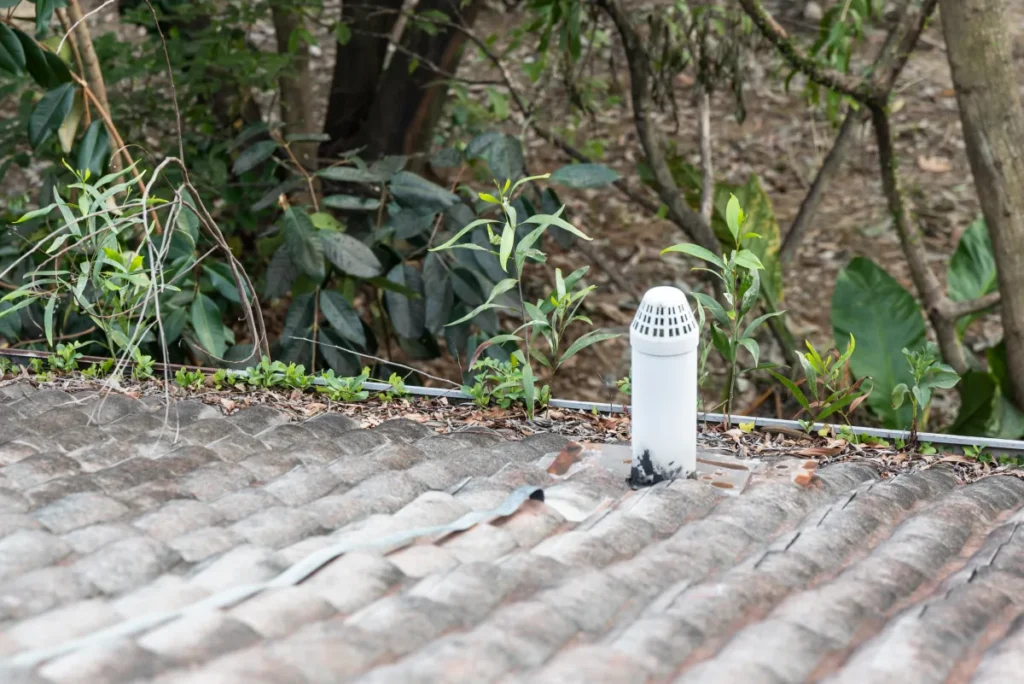
- Photos of the roof (wide shots plus close-ups of vents/skylights)
- Any roof warranty paperwork you want to keep intact
Common Planning Mistakes To Avoid
- Choosing the lowest price without matching scope and equipment
- Skipping a roof condition check and discovering repairs mid-install
- Assuming included means the same thing across bids
- Not deciding where equipment can go (and learning too late it won’t fit)
- Ignoring electrical panel limits until the crew arrives
- Letting verbal promises replace written contract language
- Scheduling install before you understand inspections and PTO timing

Permits And Code Considerations
Solar projects typically require permits and inspections, and a serious contractor will talk about them early—not after you’ve paid a deposit. Additionally, In Elk Grove, minor building permits and inspection scheduling typically run through the City of Elk Grove eTRAKiT online portal, so ask how your contractor will submit, track, and schedule the required checks.
What Permits And Inspections Usually Cover
- Structural review (roof attachment method and loading, when applicable)
- Electrical scope (disconnects, grounding, labeling, and safety equipment)
- Roof waterproofing details (flashing at penetrations)
- Final inspection sign-off before the system is authorized to run
How To Evaluate A Contractor’s Permit Plan
- Who will be listed as the permit applicant and who will communicate with the city
- Whether permit fees are included and how they show up on the proposal
- How inspection scheduling works and who needs to be onsite
- What happens if the inspector asks for corrections (timeline and cost)
Code-Related Questions Worth Asking (High Level)
- How will you route conduit so it looks clean and stays protected?
- What roof-penetration and flashing method do you use, and why?
- How will you label shutoff points and explain emergency shutdown?
- Do you coordinate with the utility for Permission to Operate, and what do you need from me?
Permits aren’t just paperwork—they’re a quality checkpoint. Also, A solar panels contractor elk proposal should clearly state who owns each permit step and how you’ll get updates.
Frequently Asked Questions
Use the California Contractors State License Board (CSLB) to look up the company name and license status. Match what you see there to the exact legal name on the proposal before you sign.
- Confirm the license is active
- Check the classification fits solar/electrical work
- Ask for current insurance information
In many cases, yes. A qualified contractor should explain what permits apply to your scope and how inspections are scheduled. Elk Grove often uses the City’s eTRAKiT portal for permit activity and inspection scheduling, so ask how you’ll get status updates.
Look for a quote that makes the scope easy to compare across companies.
- Exact equipment list
- Roof attachment/flashing approach
- Electrical scope and shutoff/labeling plan
- Permit and inspection responsibilities
- Payment milestones and change-order terms
Two to three written bids usually gives you enough range to spot missing scope or unrealistic pricing. Keep the comparisons fair by asking each contractor to price the same goal and equipment tier.
Often, yes. Limited space calls for smarter layout choices and sometimes higher-efficiency panels. A good installer will show you multiple layout options and explain the tradeoffs instead of forcing a tight design around vents or shaded areas.
Confirm workmanship, safety labeling, and that you have the paperwork and monitoring access.
- Clean roof penetrations and neat conduit runs
- Shutdown steps explained clearly
- Copies of permits, inspection sign-offs, and manuals