
Skip links

Solar Panels Contractor in Sacramento: Hiring Checklist

If you're searching for a solar panels contractor in Sacramento, focus on more than a low price: you're buying roof protection, safe electrical work, and a permit-ready plan. The checklist below is written for homeowners who want to compare companies confidently and avoid last-minute “extras” once the job starts.

Quick checklist:

  • Verify roof condition first; plan reroof timing before installing panels.
  • Size the system from real kWh usage and shading, not just panel count.
  • Compare inverter options (microinverters vs string + optimizers) and monitoring.
  • Confirm permitting and utility interconnection responsibilities and timeline.
  • Review the contract (warranties, production assumptions, exclusions, roof penetrations).
  • Confirm any electrical panel upgrades and inspection steps.
  • Verify license/insurance where required, and compare bids line-by-line (allowances, exclusions, change orders).

TL;DR: Get 2–3 written proposals based on an on-site visit, verify licensing and insurance, and make sure the scope includes roof attachments, electrical work, permitting, and inspection scheduling. If a contractor won't put those items in writing, move on.

  • Site visit completed (roof + electrical panel)
  • Equipment list provided (panels, inverter, optional battery)
  • Roof attachment/flashing method explained in writing
  • Permit responsibility and inspection scheduling spelled out
  • Monitoring setup and warranty terms clearly listed
  • Timeline milestones and communication cadence defined

Schedule a free estimate online or call +1 (916) 234-6696 to talk through your home and goals.

Contractor Selection Checklist For Solar Panels Contractor

DecisionWhy it mattersQuick check
Roof conditionInstalling over an aging roof risks rework later.Inspect first and plan reroof timing if needed.
System sizeDetermines cost and energy offset.Size from real kWh usage and shading.
Inverter typeAffects monitoring and shade performance.Compare microinverters vs string + optimizers.
Permits & interconnectionApprovals can drive the schedule.Ask who handles permits/utility and expected timelines.

Solar installation touches two areas homeowners can’t afford to “eyeball”: the roof and the electrical system. For this reason, A strong contractor will explain how they’ll mount and seal the system, what electrical scope the job needs, and how they’ll move the project through plan review and inspections without guesswork.

Use the checklist below to screen contractors before you spend time reviewing detailed numbers. It also keeps bids comparable—because “included” vs. “excluded” line items drive the real price.

Before You Request Bids: Decision Checklist

Clear inputs lead to clearer proposals. In addition, Even if you don’t have every answer, decide what matters most so the contractor designs around it instead of assuming.

  • Your last 12 months of electric bills/usage (plus any upcoming changes like an EV)
  • Whether you want backup capability (battery) or mainly bill offset
  • Roof condition and whether you plan to re-roof soon
  • Known shading issues and any restrictions on panel placement
  • Where equipment can also realistically go (garage wall, exterior wall, or a dedicated utility area)
  • Preferences for appearance (conduit visibility, tidy routing, panel layout)
  • Budget guardrails and financing approach
  • Your target start window and any calendar constraints

What A Complete Proposal Should Include

Ask for line items and model numbers so you can compare apples to apples. Meanwhile, If the proposal is a one-page total with no details, you can’t manage risk.

  • System size and layout summary (panel count, roof planes used, inverter approach)
  • Equipment list with model numbers (panels, inverter/microinverters, optimizers, battery if applicable)
  • Roof attachment and flashing approach, including how penetrations will be sealed
  • Electrical scope: breakers, disconnects, labeling, and any main panel/service work
  • Monitoring: what app/platform you’ll use and who sets it up
  • Permitting and inspections: who submits plans, who schedules inspections, and how corrections are handled
  • Workmanship warranty details and how service calls are requested
  • Cleanup and protection plan for landscaping, attic access, and interior work areas
  • Payment schedule tied to milestones (avoid paying everything upfront)

When Space Is Tight: Roof And Equipment Layout Options

Some homes have limited roof planes, tight side yards, or very little wall space near the main electrical panel. Overall, Those constraints aren’t a deal-breaker, but they should shape the design early so you don’t end up with awkward conduit runs or last-minute relocation costs.

  • Request a roof layout drawing showing where panels and required pathways/setbacks will land
  • Ask where the inverter and shutoffs will mount, then confirm access for service
  • If you’re considering a battery, confirm you have wall space and clearance requirements covered before you commit
  • For mixed sun exposure, discuss equipment options that handle multiple roof planes cleanly
  • Confirm how the contractor will route conduit to reduce visibility while staying code-compliant

What To Ask Before You Hire

Good interviews don’t feel like small talk; they force clarity. Additionally, These questions help you confirm you’re hiring a team that plans carefully, communicates consistently, and stands behind the work.

Questions That Uncover Real Planning

  • Who will be your day-to-day point of contact, and who will lead the crew on installation day?
  • Will you perform a roof walk and inspect the electrical panel before finalizing the contract?
  • What steps do you take to prevent leaks (flashing type, sealants, fastening method)?
  • If you find damaged sheathing or weak framing, how do you document it and price the fix?
  • Do you use subcontractors for any part of the job, and if so, which trades?
  • What is your plan for attic access and interior routing if conduit can’t stay entirely outside?
  • How do you handle plan review comments or corrections from the city?

Questions About Performance, Warranties, And Handoff

  • What assumptions go into your production estimate (shade, roof orientation, system size)?
  • What monitoring will you provide, and will you show me how to read it after commissioning?
  • What workmanship warranty do you provide, and how do homeowners request service?
  • Which warranties come from manufacturers vs. For example, the installer, and what paperwork will I receive?
  • What will the final handoff include (inspection sign-offs, labeling photos, monitoring login, as-built notes)?
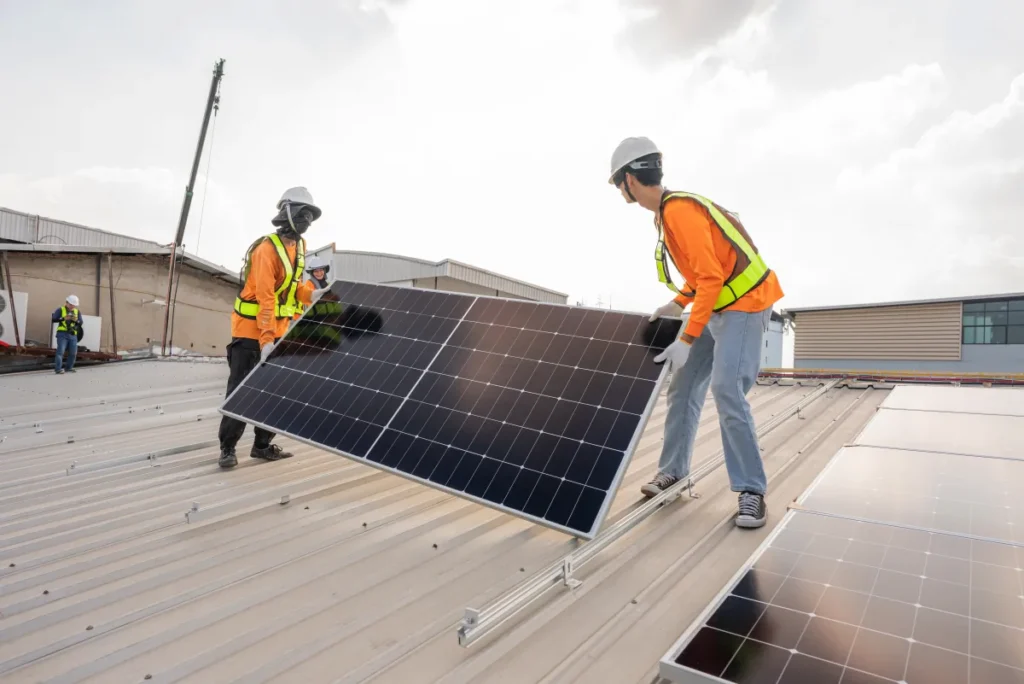
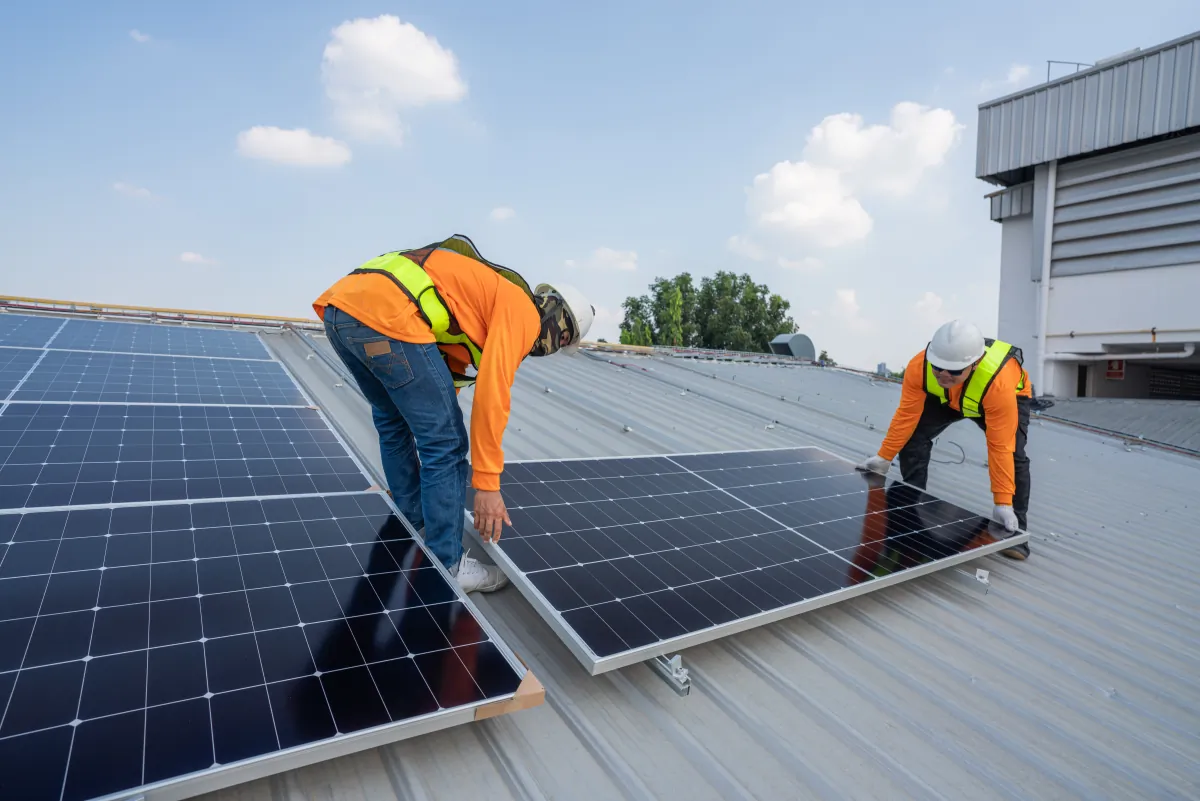
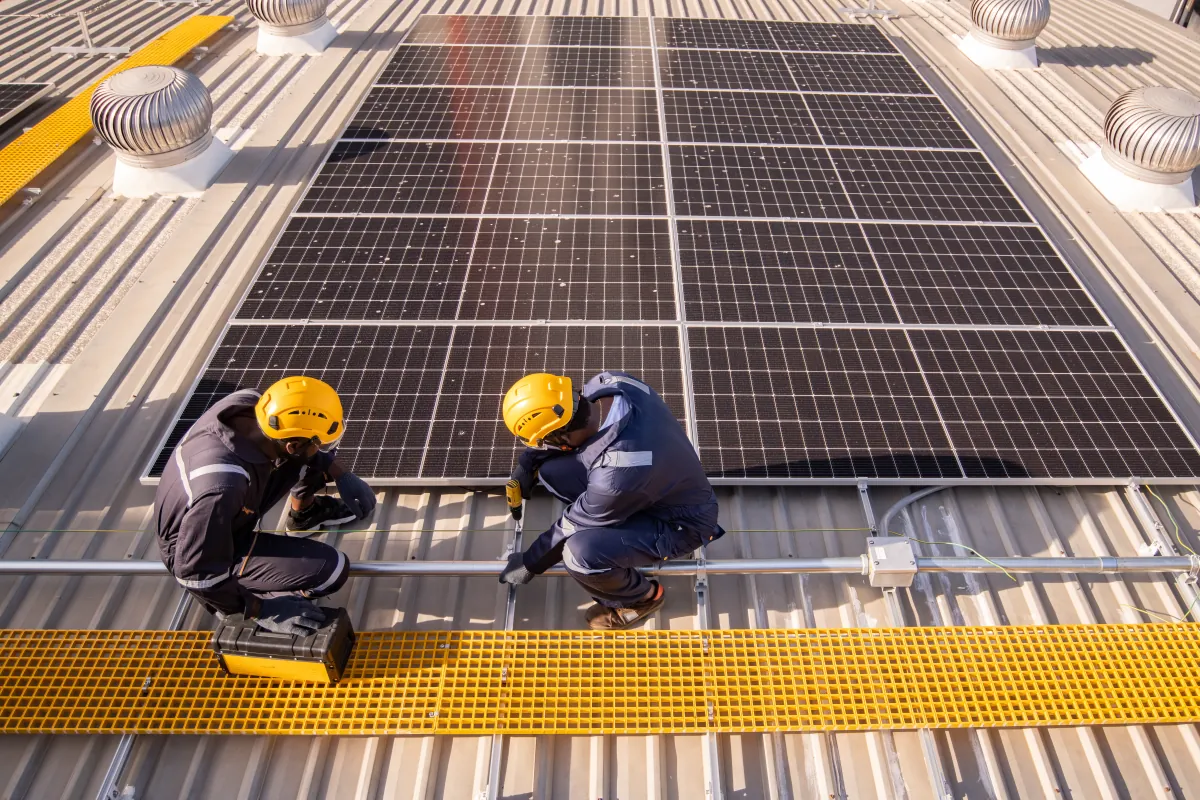
solar panel workers installing solar panels for efficient ene

Red Flags And How To Verify Licensing For Solar Panels Contractor

Solar is a roof-and-electrical project. As a result, When a contractor cuts corners, problems show up as leaks, failed inspections, or expensive rework. Meanwhile, Watch for the red flags below, then verify licensing and insurance before you sign.

Red Flags During Bidding

  • A price is given without an on-site visit or without looking at the electrical panel
  • The proposal uses vague language (“standard install”) instead of a detailed scope and equipment list
  • The contractor suggests skipping permits or downplays inspections
  • You’re pushed to sign “today” to keep a discount
  • A large cash deposit is requested before plans, permitting, or a scheduled start window
  • Questions about roof penetrations, flashing, or leak responsibility get brushed off
  • The company won’t provide a license number, proof of insurance, or a written warranty
  • Changes are handled verbally instead of in writing

How To Verify Licensing And Insurance (California)

You don’t need to guess. Also, Ask for the contractor’s legal business name and license number, then verify status with the California Contractors State License Board (CSLB). As a result, A solar panels contractor should welcome these checks; reputable companies expect homeowners to verify credentials.

  1. Confirm the license is active and the classification matches the work involved
  2. Review bond and workers’ compensation information (especially if a crew will be on your property)
  3. Request a certificate of general liability insurance (ideally sent directly from the insurer)
  4. If subcontractors will perform roofing or electrical portions, verify they are properly licensed too

How To Compare Bids Without Getting Fooled By Low Numbers

Hypothetical example: Two bids list the same panel count, but one excludes a main panel upgrade, permit fees, and monitoring setup. Also, The “cheaper” quote can end up higher once the missing scope gets added back in.

Use a simple scoring approach:

  • Scope clarity: roof attachments, electrical work, and monitoring spelled out line by line
  • Permit ownership: who submits, who pays, and who schedules inspections
  • Quality signals: site visit depth, photos/notes taken, and willingness to answer technical questions
  • Warranty paperwork: workmanship terms plus manufacturer documents, both in writing
  • Exclusions: anything labeled “not included” that you’ll still need to pay for
constraction solar panel

Permits, Inspections, And Paperwork

Permits and inspections protect you, not just the city. In addition, They help ensure roof mounting and electrical connections meet code, and they create a paper trail that can matter later for home sales and insurance questions.

In Sacramento, permitting and plan review typically run through the City of Sacramento Community Development portal (Accela Citizen Access). Also, Even when the contractor manages the submittal, you should know what gets filed and when approvals are expected.

Paperwork You Should Expect To Receive

  • Signed contract with a clear scope, equipment list, and payment schedule
  • Basic plans/drawings (layout, electrical single-line diagram, and attachment details)
  • Permit confirmations and inspection approvals when they’re issued
  • Manufacturer spec sheets and warranty documents for major equipment
  • Final commissioning notes, monitoring login/setup, and labeling photos

Inspection Checkpoints To Plan Around

  • Installation inspection for roof mounting and electrical work (scope varies by project)
  • Corrections (if any) addressed promptly with written documentation
  • Final inspection sign-off before utility permission to operate
  • System walkthrough: monitoring, shutoff locations, and what to do if an alert appears

The table below highlights decisions that commonly change scope, schedule, or cost.

DecisionWhat it affectsGet this in writing
Roof condition/materialMounting method, flashing details, prep workAttachment plan + leak responsibility
Main electrical panel capacityNeed for upgrade, breaker work, shutoffsElectrical scope and permit scope
Battery now vs. laterEquipment space, wiring complexityLine-item pricing + equipment location
Permitting responsibilitiesWho submits, pays, and schedulesNamed responsible party + milestones
Timeline + updatesLead time, inspections, utility stepsMilestones + communication cadence

Timeline And Communication Expectations

Timelines vary with roof complexity, plan review volume, and utility approvals. That said, you can still demand structure: a milestone-based schedule, a communication cadence, and a written plan for changes.

Typical Phases And Rough Time Ranges

  • Site visit, roof/electrical assessment, and final proposal: about 1–2 weeks
  • Engineering/plan set preparation: about 1–3 weeks
  • City permit review and approvals: often a few weeks, depending on workload and revisions
  • Installation on site: commonly 1–3 days for many homes
  • City inspection scheduling and sign-off: about 1–2 weeks in many cases
  • Utility interconnection and permission to operate: often 1–4 weeks depending on utility process

Communication Standards To Set Up Front

  • Single point of contact and response-time expectations for questions
  • Written start window and daily work hours, including how weather delays are handled
  • Progress updates (for example, a weekly text/email plus photos of roof attachments)
  • Changes documented in writing with price and schedule impact before extra work begins
  • Final walkthrough checklist: shutoffs, monitoring app, warranty documents, and cleanup sign-off

Talk With US Construction & Remodeling Corp.

If you want a local quote from a solar panels contractor with a detailed scope and clear permit coordination, talk with US Construction & Remodeling Corp. serving Sacramento homeowners. Meanwhile, Request a free estimate online or call +1 (916) 234-6696.

Helpful Links

Frequently Asked Questions

Many residential solar installations involve building and electrical permits, followed by inspections. Requirements depend on scope and address, so confirm who will submit the application and schedule inspections before you sign.

  • Ask for a written statement of permit responsibilities and fees
  • Request copies of approvals and final inspection sign-offs for your records

Look for an itemized scope that lists equipment models and spells out roof mounting and electrical work. If the bid is just a total price, you can’t compare risk.

  • Panel and inverter model numbers, quantities, and layout notes
  • Roof attachment/flashing description and leak responsibility
  • Electrical scope, including any panel or service upgrades
  • Permitting/inspection handling and monitoring setup

Ask for the legal business name and license number on the proposal, then verify status through the CSLB online license check. Confirm the license is active and appropriate for the work being performed.

ask for proof of insurance and verify subcontractor credentials if other trades will be involved.

A reasonable schedule ties payments to clear milestones rather than paying most of the total upfront. Ask for a deposit and progress payments that align with materials ordered, installation completion, inspection sign-off, and final walkthrough.

  • Require changes to be documented in writing before extra work starts
  • Keep receipts and warranty documents in your project folder

Many projects move through design, permitting, installation, inspection, and utility approval. The exact duration depends on plan review workload, roof complexity, and utility steps.

  • Design and planning: often 1–3 weeks
  • Permitting and inspections: often several weeks depending on revisions
  • On-site installation: commonly 1–3 days
  • Utility permission to operate: often 1–4 weeks

A battery can provide backup power and time-of-use benefits, but it also adds equipment space needs and electrical complexity. Decide based on your priorities and budget.

  • Choose a battery now if backup power is a must or you want a single, fully permitted scope
  • Plan for later if you want solar first—ask for a design that leaves space and wiring pathways

Licensed, insured & trusted local contractor

US Construction & Remodeling Corp.
9821 Business Park Dr, Sacramento, CA, 95827
Phone: +1 (916) 234-6696

CSLB License #: 1117562 Fully licensed and insured.

View our Google Business Profile

Leave a comment

This website uses cookies to improve your web experience.
Explore
Drag