Skip links

Remodel cost: Solar Panels Cost in Alameda | US Construction

Thinking about going solar in Alameda? The big unknown is usually remodel cost—what a realistic budget looks like, and what can push it up (or keep it in check).

This guide lays out practical price ranges, the biggest drivers, and a timeline through plan review, inspections, and turn-on. For a quick ballpark tailored to your home, call +1 (916) 234-6696.

TL;DR: Many Alameda homeowners see roof-mounted solar land around $12,000–$45,000+ before incentives depending on system size, and battery storage can add a meaningful amount. A typical schedule runs about 4–10 weeks from design sign-off through city inspection and utility permission to operate, depending on review and scheduling.

Quick Checklist (5 Minutes)

  • Pull your last 12 months of electric bills (kWh usage matters more than the total).
  • Note roof type, age, and whether a re-roof is likely soon.
  • Check your main electrical panel rating and whether you’re short on breaker space.
  • List future loads like an EV charger, heat pump, hot tub, or workshop tools.
  • Pick your priority: bill offset, backup power, or both (battery changes scope).
  • If you have an HOA, confirm any review steps and ask how permits will be handled with the City.

Remodel Cost Snapshot For Solar In Alameda

Cost driverWhat changes itHow to control it
System sizeMore kW usually means higher price and output.Size from real usage and shading.
Inverter/batteryEquipment choice changes cost and monitoring.Compare microinverters vs string + optimizers; add battery only if needed.
Electrical upgradesPanels/rewires can be required for code compliance.Verify panel capacity and upgrade scope up front.
Permits & interconnectionApprovals can drive the timeline and soft costs.Ask who handles permits/utility and the estimated schedule.

Use this snapshot to set a realistic budget before you start collecting bids. Additionally, After a quick roof-and-panel review, the range usually narrows fast.

  • Most roof-mounted systems: about $12,000–$45,000+ before incentives, also driven mainly by system size and electrical scope.
  • Battery storage (optional): commonly adds five figures depending on capacity and backup wiring needs.
  • Calendar planning: expect roughly 4–10 weeks from design sign-off to permission to operate, largely shaped by plan review and inspections.

Solar Panels In Alameda Pricing Guide For Homeowners In Alameda

Solar pricing isn’t just “panels on a roof.” A solid quote includes design, roof attachment and flashing details, electrical tie-in, permit/inspection coordination, and the paperwork that gets the system cleared for turn-on.

Who This Pricing Guide Is For

This page is for Alameda homeowners who want a clear starting point before scheduling an on-site visit—especially if you’re comparing solar-only versus solar with a battery for backup.

  • Homeowners who want a planning range (not a sales pitch).
  • Households adding big electric loads soon (EV charging, heat pumps, workshop tools).
  • Anyone who wants to understand trade-offs before choosing equipment.

Typical Installed Price Ranges (Before Incentives)

For many single-family homes, these ballparks help you plan. Meanwhile, Your roof layout, electrical panel condition, and equipment choices can move the number in either direction.

  • Smaller system (about 3–5 kW): roughly $12,000–$20,000
  • Mid-size system (about 6–8 kW): roughly $18,000–$30,000
  • Larger system (about 9–12 kW): roughly $27,000–$45,000+

Those figures are planning numbers, not a promise. Overall, We confirm the real scope after reviewing roof access, attachment locations, and your main service panel.

Where The Money Goes (Simple Breakdown)

  • Equipment (panels, inverter, racking, electrical components): often about 40–55% of the total
  • Labor (roof + electrical work): often about 25–35%
  • Design, engineering, and project management: often about 5–15%
  • Permits, inspections, and misc. fees: often about 2–7%
  • Optional battery + backup wiring: can add a significant amount depending on goals

Best Long-Term Value: Where To Spend Vs. Where To Save

The best value usually comes from a clean scope and reliable installation details. Also, A few decisions tend to pay off over time:

  • Size the system to your actual kWh usage (plus realistic near-term upgrades), not an optimistic guess.
  • Prioritize roof attachment and flashing quality; fixing a leak costs more than modestly better hardware.
  • Address electrical panel limitations early—breaker space issues are a common reason the remodel cost rises mid-project.

ROI And Resale: What To Prioritize

Solar can be appealing to future buyers when the system is simple and well documented. For this reason, If resale matters to you, focus on owned equipment, clear paperwork, and an easy-to-explain layout.

  • Keep permits, inspection sign-offs, and equipment documentation organized.
  • Choose a system size that aligns with typical household usage and expected future loads.
  • Ask how warranties and service work if ownership changes.

If you want a quick budget range for your home in Alameda, call +1 (916) 234-6696. You can also request an estimate online at https://usconstructioncali.com/free-estimate/.
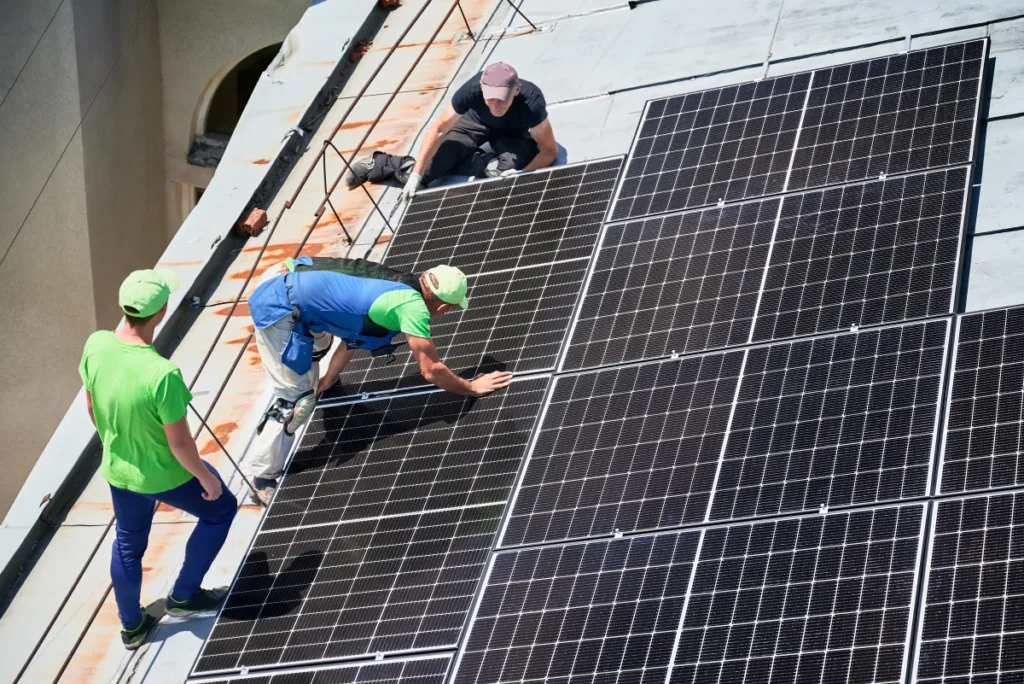
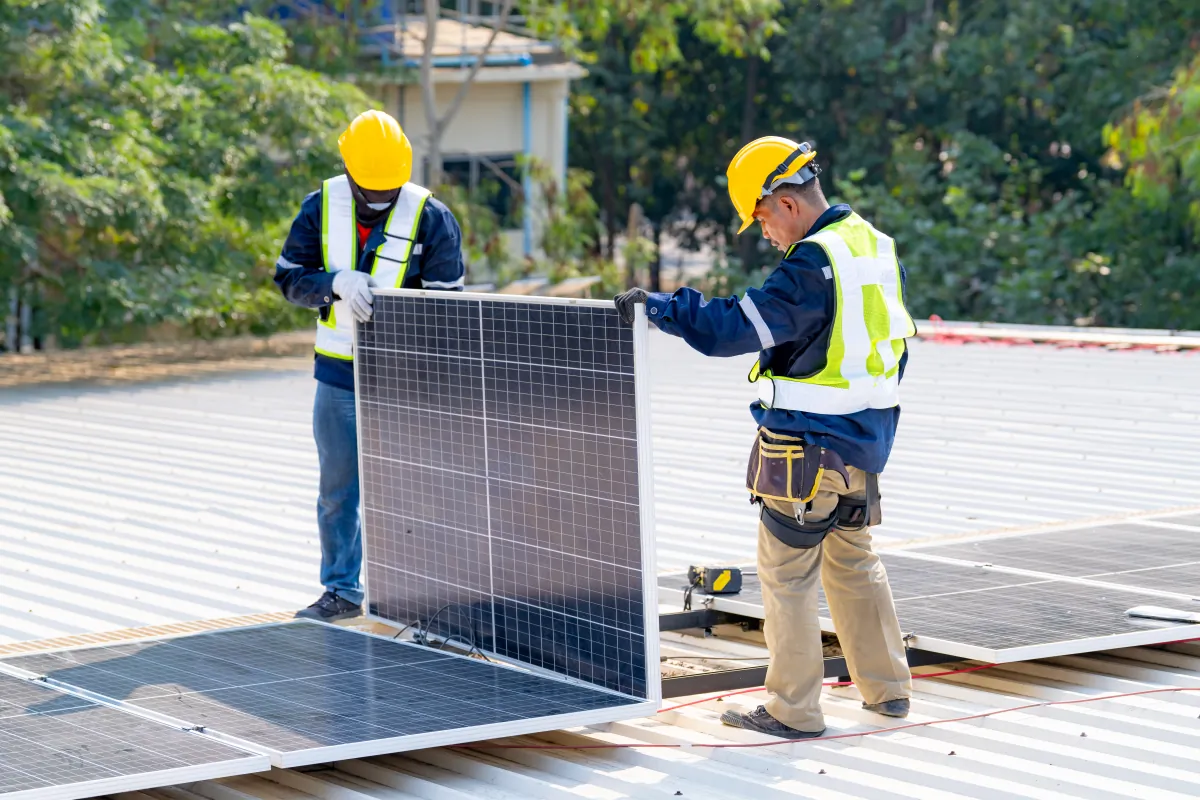
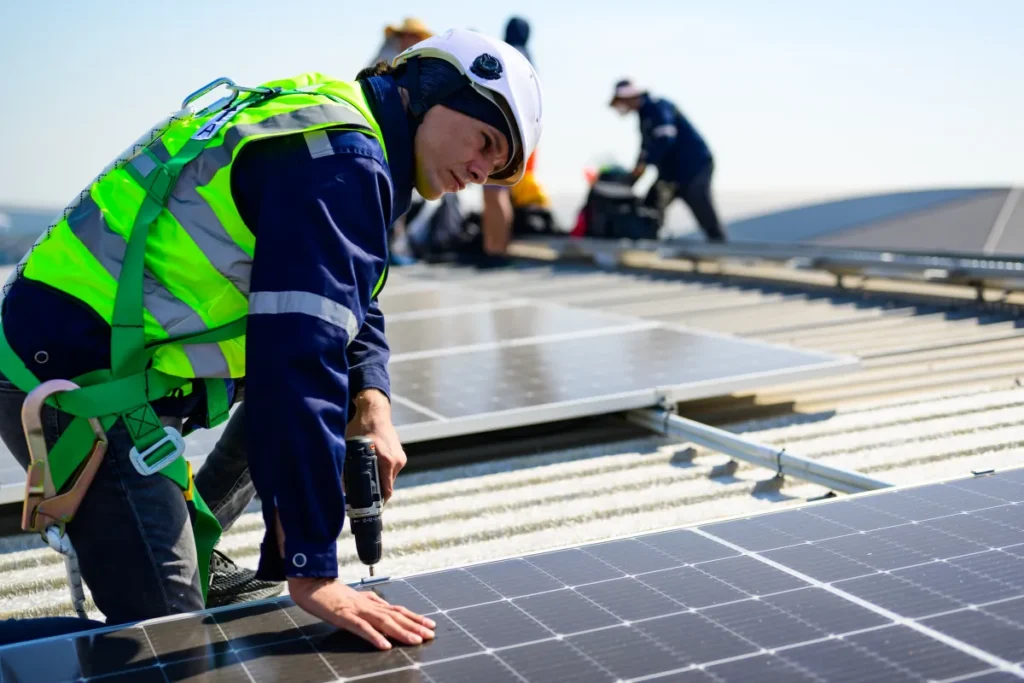
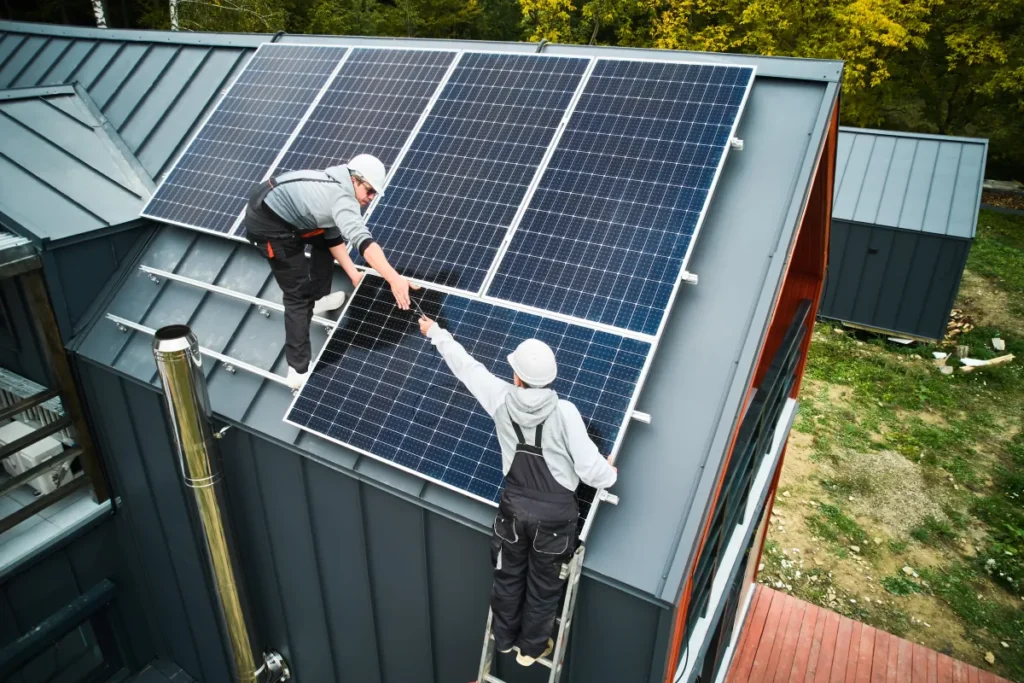
solar panel workers building solar panel system on roof of hou

Key Cost Drivers (Design, Materials, Trades)

Two homes can land in very different price ranges because the “hidden work” isn’t the panel itself—it’s how the system integrates with your roof, electrical service, and backup goals.

Design And Roof Layout

  • Roof shape and obstructions: multiple planes, skylights, chimneys, and tight setbacks can reduce usable area and add labor.
  • Shading: trees or nearby structures can change the design approach and equipment needs.
  • Access and height: steep roofs and multi-story access often increase setup time and safety requirements.

Materials And Equipment Choices

  • Panel wattage and warranty tier: higher-output modules can reduce panel count, but may cost more per panel.
  • Inverter configuration: different setups change hardware count, serviceability, and conduit routing.
  • Battery storage (optional): adds equipment, wall space, and often additional electrical work.

Trades And Electrical Scope

  • Main panel capacity and breaker space: upgrades or subpanels can add cost, but they may be the right move for safety and future expansion.
  • Service upgrades: if service size is limited, changes can affect both schedule and budget.
  • Roof condition: if the roof is near end-of-life, a re-roof before solar may prevent paying twice for removal and re-installation.
DecisionWhat to checkBudget impactSchedule impact
System size12-month kWh use + planned upgradesHighLow
Electrical panel workBreaker space, panel condition, labelingMedium–highMedium
Roof complexityPlanes, pitch, access, obstructionsMediumLow–medium
Battery storageBackup goals + space for equipmentHighMedium
Permits & inspectionsPlan review and scheduling windowsLow–mediumMedium–high

Ways To Keep Costs Under Control

Cost control is mostly scope control. In addition, Once you decide what you actually need the system to do, the rest becomes a set of practical choices.

  • Right-size based on data: a 12-month usage average beats guessing.
  • Decide on battery early: planning backup wiring upfront can reduce rework later.
  • Keep the layout efficient: fewer roof planes and shorter conduit runs usually mean lower labor.
  • Ask for a line-item scope: know what’s included if plan review requests revisions or changes.

Common Homeowner Mistakes That Add Cost

These issues tend to create change orders or delays, even with good intentions:

  • Skipping the electrical panel check until after signing.
  • Assuming every roof surface is usable without confirming attachment locations and setbacks.
  • Comparing quotes without verifying what’s included in design revisions and resubmittals.
  • Waiting to handle roof repairs until after panels are installed.
  • Trying to hit every goal at once (max offset, full backup, EV charging) without prioritizing.

Financing Options Homeowners Commonly Consider

Payment structure can change the total cost over time. For example, While we don’t provide financial advice, these are the common options homeowners compare:

  • Cash: simplest structure and often the lowest total paid.
  • Home equity (HELOC or home equity loan): can spread payments while keeping ownership straightforward.
  • Home-improvement or solar loans: compare APR, fees, and whether the quote includes upfront financing costs.
  • Remodel financing or refinance: sometimes used when solar is part of a larger home upgrade plan.

Whatever route you choose, ask for numbers two ways: the installed price and the total paid over time. As a result, That keeps remodel cost conversations grounded.

Timeline And Inspection Milestones

Most Alameda solar projects follow a predictable sequence, but plan review and inspection scheduling can shift the calendar. Additionally, Here’s a realistic, timeline-style view for a typical roof-mounted system:

  • Days 1–7: site visit, measurements, and electrical panel review.
  • Week 2: final design, equipment selections, and permit package preparation.
  • Weeks 2–5: permit submission and plan review with the City of Alameda (many steps can be tracked online through the City’s Accela permit portal).
  • 1–3 days: installation and electrical tie-in for many homes.
  • Week 1 after install: city inspection; if corrections are requested, address them and re-check quickly.
  • Weeks 1–3 after inspection: utility paperwork and permission to operate once approvals are complete.

What Helps Inspections Go Smoothly

  • Clear access to the main panel and any disconnects on inspection day.
  • A safe path to the work area (attic access if needed, clear side yard, pets secured).
  • Handling any planned roof repairs before installation starts.
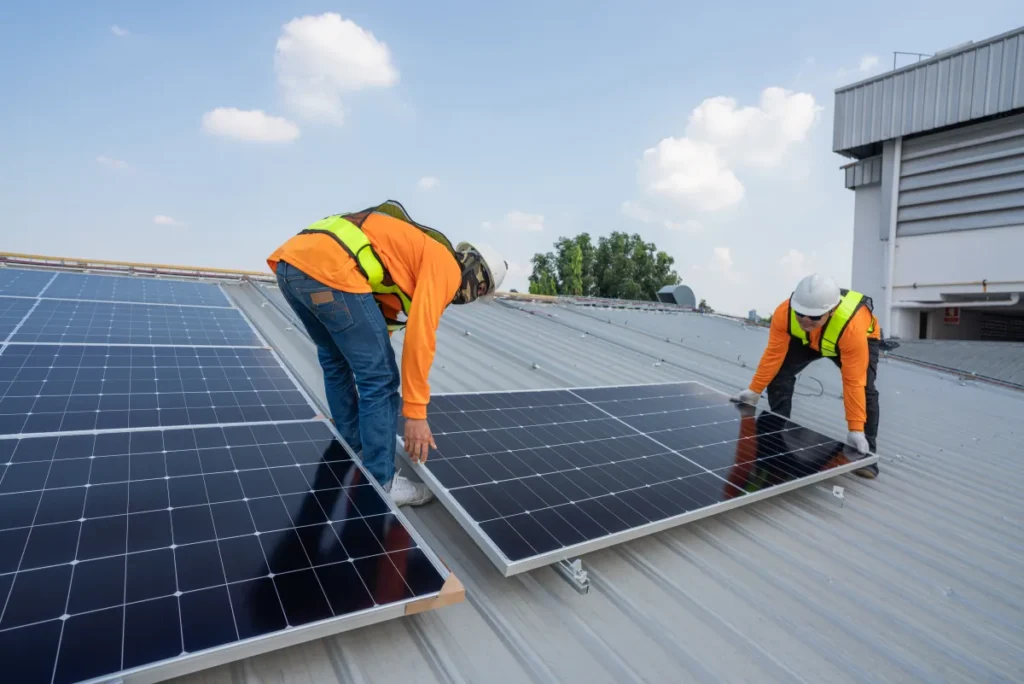
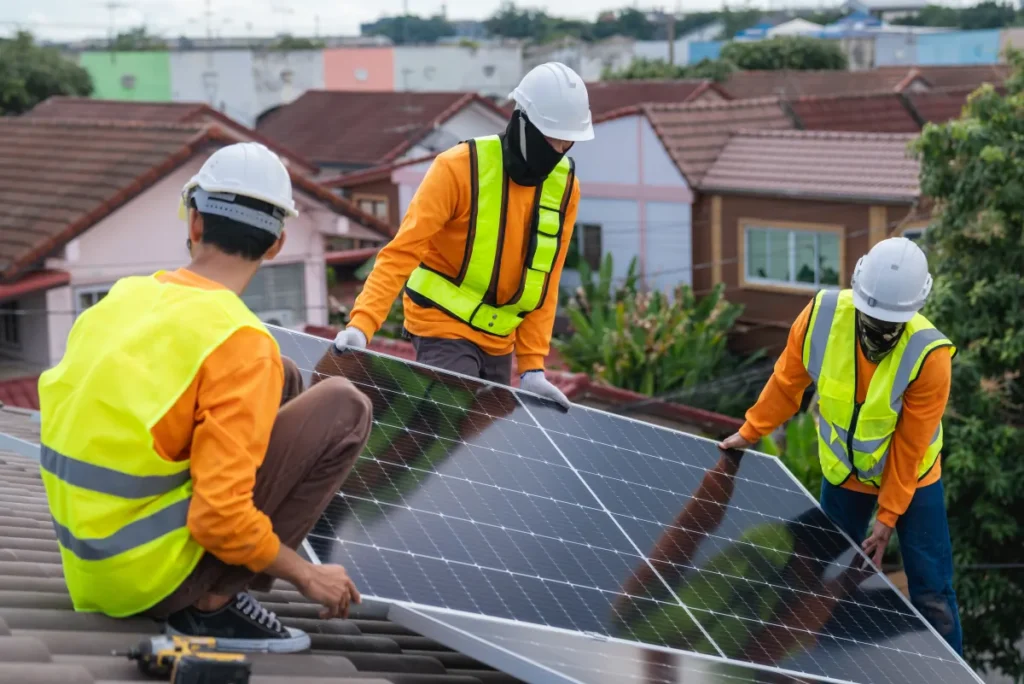
solar panel workers installing solar panels for efficient ene

Requesting A Detailed Quote

A detailed quote shouldn’t be a guess. Also, It should reflect your roof, your electrical service, and your goals—bill offset, backup power, or both.

What To Have Ready (So Pricing Is Accurate)

  • Your Alameda address and a few roof photos (phone photos are fine).
  • A recent utility bill or your annual kWh usage.
  • Main electrical panel details (brand/model if visible) and any known breaker-space issues.
  • Planned upgrades that will change demand (EV charger, heat pump, major appliance changes).

US Construction & Remodeling Corp. For this reason, will walk you through options, explain trade-offs in plain language, and outline a practical schedule that accounts for permitting and inspections in Alameda. In addition, For a quick consult, call +1 (916) 234-6696. In addition, If you prefer online booking, use https://usconstructioncali.com/free-estimate/.
For many residential scopes, the City of Alameda uses an online Accela portal for permit applications and status tracking. Meanwhile, We’ll confirm what applies to your specific scope and coordinate the documentation and inspection scheduling as part of the project.

If you’re comparing contractors, verify licensing and the contractor’s classification through the California Contractors State License Board: https://www.cslb.ca.gov/.

Helpful Links

Licensed, insured & trusted local contractor

US Construction & Remodeling Corp.
9821 Business Park Dr, Sacramento, CA, 95827
Phone: +1 (916) 234-6696

CSLB License #: 1117562 Fully licensed and insured.

View our Google Business Profile

Leave a comment

This website uses cookies to improve your web experience.
Explore
Drag