Skip links

Solar Panels Cost in Fair Oaks: Pricing & Timeline

Solar pricing isn't one-size-fits-all, and most homeowners want a number they can plan around. When you treat the project like any remodel cost, you can see where dollars go: equipment, labor, permits, and any roof/electrical work your home needs in Fair Oaks.

Quick checklist:

  • List the biggest cost drivers (system size, inverter/battery, roof/electrical upgrades, and permitting).
  • Size the system from real kWh usage and shading, not just panel count.
  • Compare inverter options (microinverters vs string + optimizers) and monitoring.
  • Confirm permitting and utility interconnection responsibilities and timeline.
  • Review the contract (warranties, production assumptions, exclusions, roof penetrations).
  • Confirm any electrical panel upgrades and inspection steps.

TL;DR: Solar panels in Fair Oaks can span a wide price range based on system size and site conditions; the install itself is usually quick, while approvals and scheduling often take longer. Want a quote tied to your roof and electrical setup? Schedule a free estimate online (or call +1 (916) 234-6696).

  • Pull the last 12 months of electric bills (or usage history)
  • Note roof age, material, and any leak history
  • Check your main electrical panel size and spare breaker space
  • Decide whether you want battery backup now or later
  • Ask for a line-item scope (equipment, labor, permits, upgrades)
  • Confirm the schedule for permits, installation days, and utility turn-on approval

Solar Panels In Fair Oaks Cost: Typical Ranges In Fair Oaks For Remodel Cost

Solar pricing in Fair Oaks depends on how much energy you want to offset, how your roof lays out, and what your electrical service can support. Two homes on the same street can price differently if one needs a panel upgrade, extra conduit runs, or roof work before mounting hardware goes on.

Typical Total Ranges (Before Incentives)

  • Smaller systems (about 4–6 kW): often $12,000–$22,000
  • Mid-size systems (about 6–9 kW): often $18,000–$32,000
  • Larger systems (about 9–12 kW): often $25,000–$45,000+

Those ranges give you a planning baseline; a site visit is what turns the estimate into a bid. Optional add-ons like battery backup, a main panel upgrade, or roof repairs can move the budget beyond the ranges above.

Line-Item Cost Table (Typical)

Line itemTypical rangeNotes
Materials (panels, inverter, racking)$8,000–$20,000Equipment tier and system size drive this line
Labor (installation + electrical)$4,000–$12,000Roof complexity, access, and electrical scope matter
Design and engineering$500–$2,000Layout, load calcs, and plan set preparation
Permits and inspections$300–$1,500Jurisdiction fees and inspection coordination
Upgrades allowance (roof/electrical)$0–$6,000+Only applies when the home needs it
Contingency$500–$2,500Helps cover surprises without re-starting the plan

If you want a clean, apples-to-apples comparison, ask each bidder to state the exact scope, equipment models, and what is excluded. When you're ready, you can request a free estimate online with US Construction & Remodeling Corp.
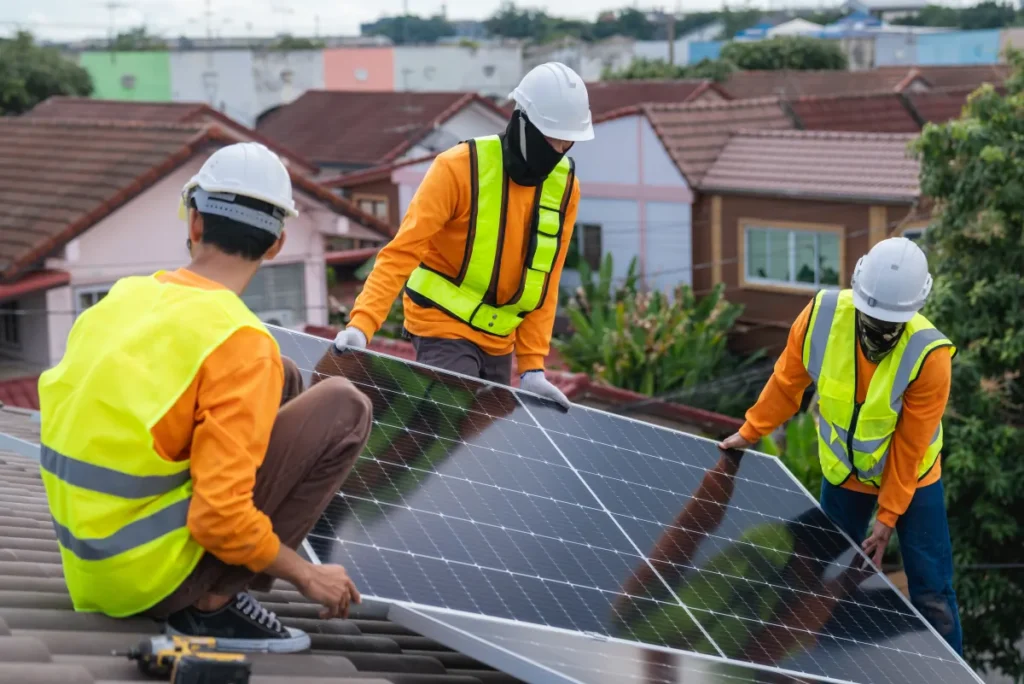
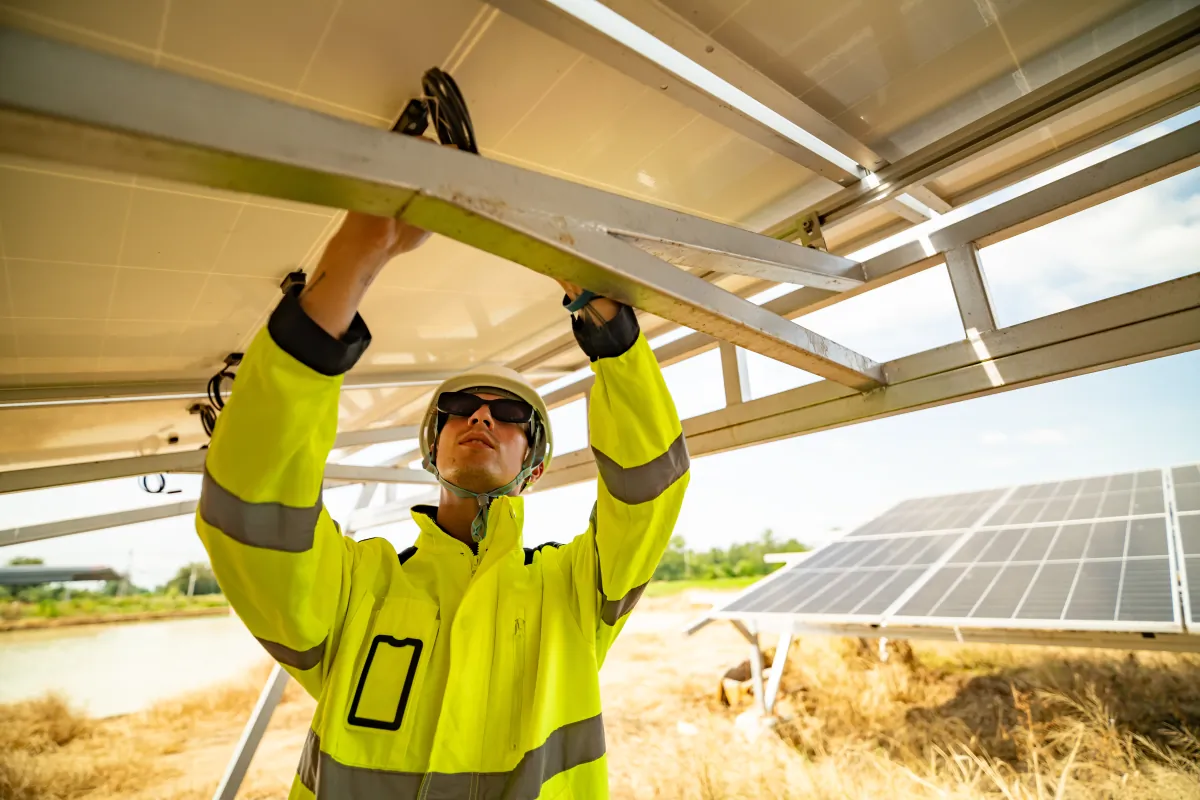
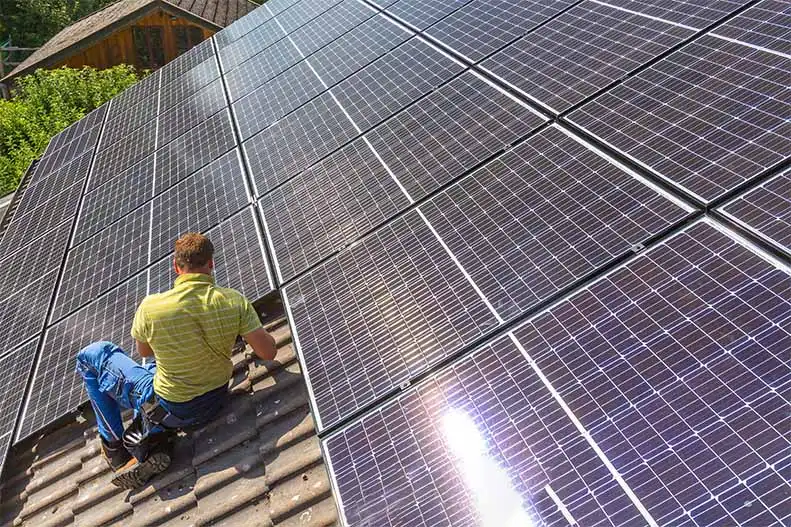
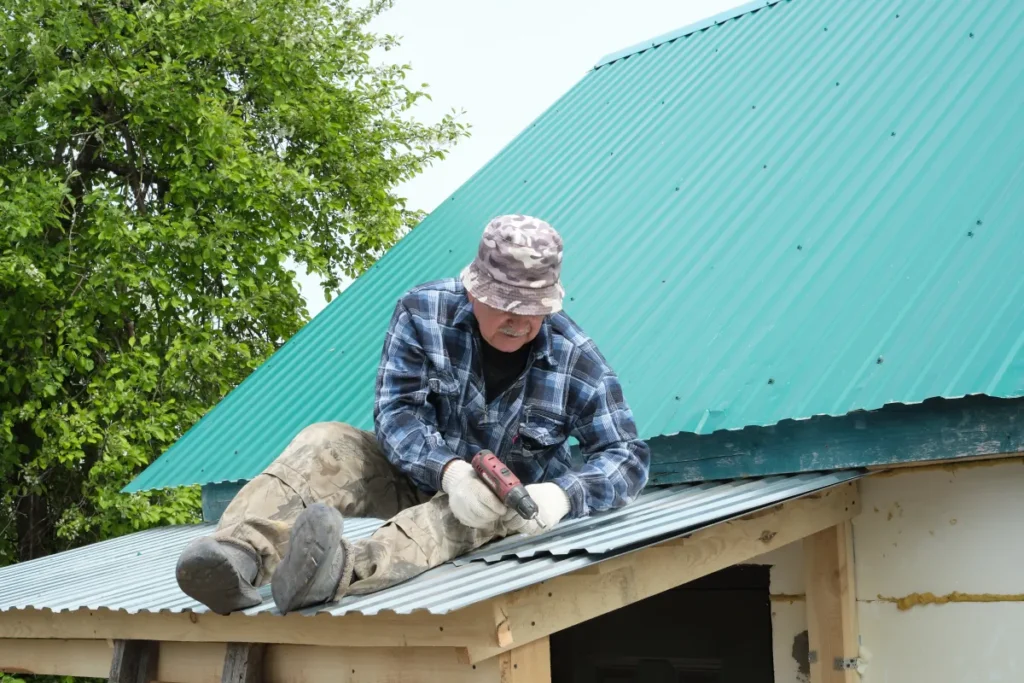
solar panel service engineer installing solar cell on the roof

Labor, Materials, And Scope

Most solar bids break down into three buckets: the equipment you can point to, the labor to install and wire it safely, and the scope details that are unique to your home. Keeping those buckets separate helps you understand why two proposals that look similar at a glance can land far apart in total.

Cost Breakdown List (Where The Budget Goes)

  • Site visit, measurements, and system layout
  • Solar equipment: panels, inverter, racking, and safety disconnects
  • Roof mounting and waterproofing details (flashing and sealing)
  • Electrical work: breakers, conduit, labeling, and tie-in to the main panel
  • Permit package, plan review responses, and inspection scheduling
  • Startup, testing, and homeowner walkthrough

Scope Details That Change Pricing

  • Electrical service capacity (and whether a panel upgrade is necessary)
  • Roof type, pitch, number of planes, and attic access for wiring
  • Distance from array to inverter and from inverter to the main panel
  • Any trenching or wall/ceiling access needed to keep conduit neat and code-compliant
  • Battery backup (now or solar-ready for later)

These scope items often swing remodel cost more than the panel brand does, so it pays to get them defined early.

What Drives The Price Up Or Down

Once you know the scope, pricing becomes easier to forecast. The table below summarizes common decision points and how they usually affect both cost and calendar.

Decision / conditionCost impactTimeline impact
Roof needs repair or replacement firstUpAdds days to weeks
Main electrical panel has limited capacityUpAdds coordination and inspections
Simple roof layout with clear accessDownFaster install days
Long cable runs or concealed routingUpMore labor time
Battery backup addedUpMore design and install steps
HOA review requiredNeutral to upCan add waiting time

Common Planning Mistakes That Raise Costs

  • Comparing bids that include different scopes (one includes a panel upgrade, another does not)
  • Skipping a roof check, then discovering repairs are necessary after the design is done
  • Choosing a system size without looking at actual usage data
  • Not planning a clean path for conduit, which can lead to last-minute rework
  • Ignoring how battery placement and clearances affect labor
  • Waiting to address HOA questions until after ordering equipment

Timeline Snapshot (Typical)

  • Site visit and measurements: 1–3 days
  • Design and proposal review: 3–10 days
  • Permit review and revisions: 2–6+ weeks (varies by jurisdiction)
  • Installation on site: 1–3 days
  • Final inspection + utility approval to turn on: 1–3+ weeks
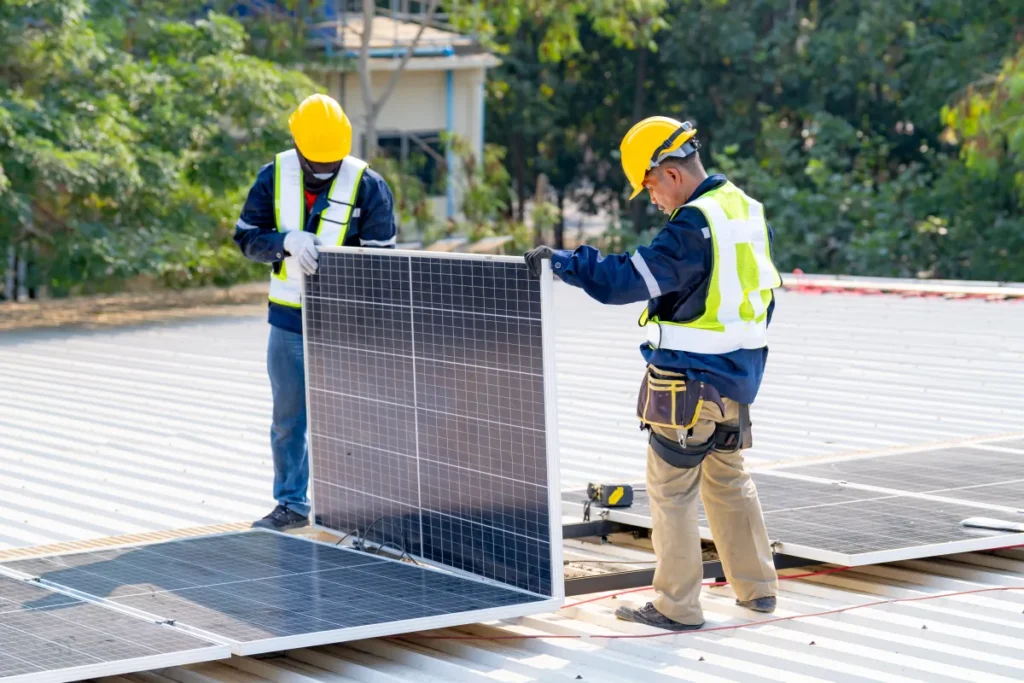
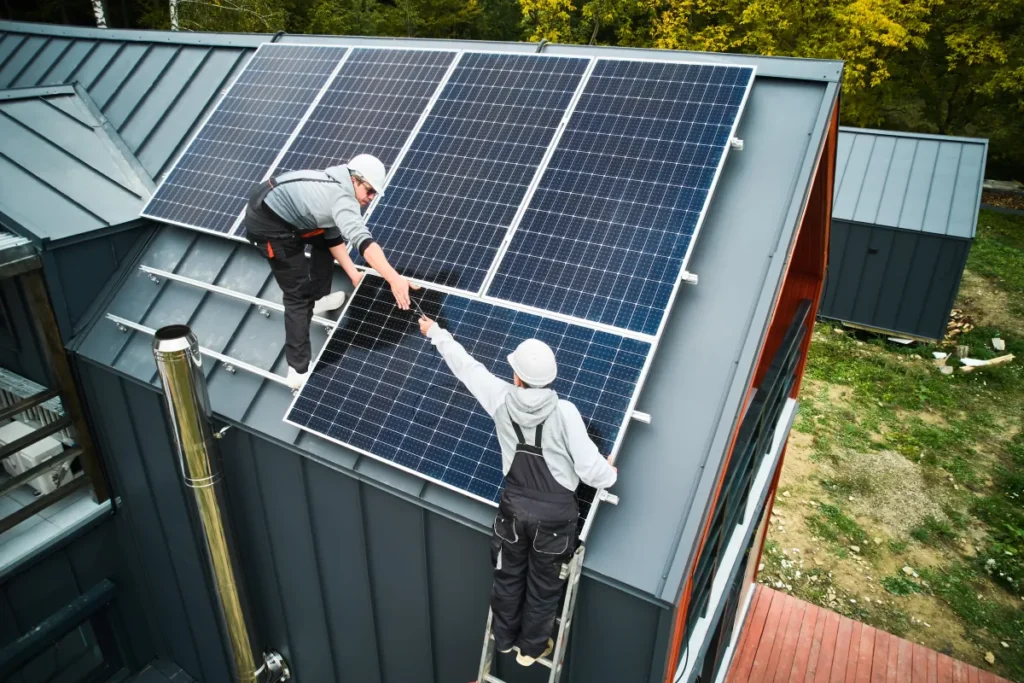
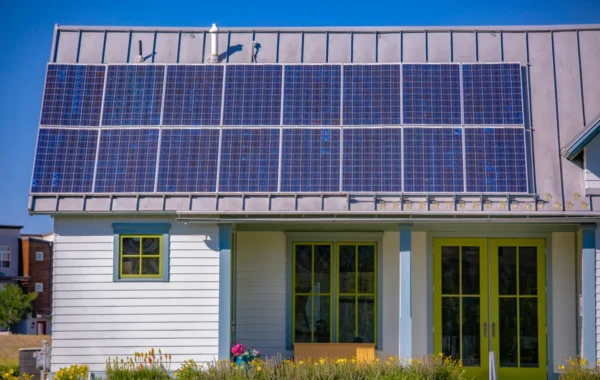
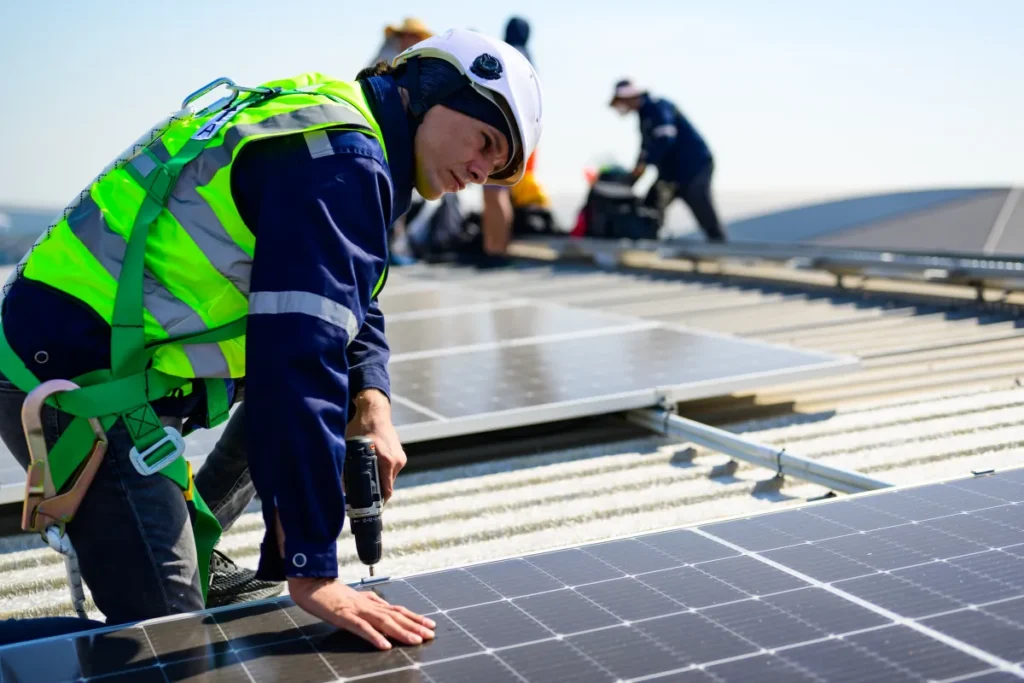
solar panel technicians installing photovoltaic solar panels

Timeline, Permits, And Scheduling Notes

Homeowners often expect solar to be a one-day job, and the physical install can be close to that. The bigger variable is the time spent in design, permits, inspections, and the final permission to energize the system.

Typical Week-By-Week Timeline

  1. Week 0: On-site evaluation (roof condition, measurements, electrical panel check) and a clear scope proposal.
  2. Week 1: Finalize layout, equipment selections, and any roof or electrical upgrades needed before install.
  3. Weeks 1–3: Plans prepared and submitted for review; reviewers may request clarifications or revisions.
  4. Weeks 3–6: Permit approval, scheduling, and material staging.
  5. Install week: Panels mounted, electrical tie-in completed, and system tested (often 1–3 days on site).
  6. After install: Final inspection and utility turn-on approval (timing varies).

Permits And Inspections In Fair Oaks

Most residential solar projects require permits and inspections, even when the work feels simple. Because Fair Oaks is unincorporated, permits are commonly handled through Sacramento County's electronic plan submittal and inspection process, depending on the exact address and scope.

  • Permit types can include building and electrical (and sometimes structural review depending on the roof and mounting)
  • Inspections typically verify roof mounting/waterproofing details and electrical safety/code compliance
  • If upgrades are necessary (like a main panel change), expect additional review steps

Scheduling Realities That Affect Dates

  • Permit review cycles and reviewer comments
  • Weather windows for roof work
  • Access challenges (steep pitches, multiple roof levels, or limited attic routes)
  • Equipment availability for your selected components

For Fair Oaks homeowners who want a clear price and a realistic calendar, US Construction & Remodeling Corp. can walk the roof, check the electrical panel, and outline the full scope before work starts. To get started, schedule a free estimate online; if you prefer a quick conversation, call +1 (916) 234-6696.
Helpful Links

Frequently Asked Questions

Most Fair Oaks homes see pricing land in a broad range depending on system size and whether roof/electrical upgrades are necessary. As a planning ballpark, many projects fall somewhere around $12,000–$45,000+ before incentives, then tighten up after a site visit and a defined scope.

The most accurate way to price your home is an on-site assessment of the roof layout, shading, and main electrical panel capacity.

In most cases, yes—solar installation usually requires permits and inspections to verify structural and electrical safety. Fair Oaks is unincorporated, so the permit path often runs through Sacramento County depending on the exact address and the work involved.

A straightforward project often installs in 1–3 days, but the full schedule includes design, permit review, inspection, and utility approval. Many homeowners plan for several weeks end-to-end, and longer timelines can happen when upgrades or reviewer comments come up.

  • Design + plans: about 1–2 weeks
  • Permit review: often 2–6+ weeks
  • Install + inspection + utility approval: often 1–3+ weeks

Price increases usually come from scope changes discovered after deeper review. Common examples include:

  • Main electrical panel upgrade needed for code or capacity
  • Roof repair required before mounting hardware goes on
  • Long conduit runs or concealed routing that wasn't visible at the first visit
  • Battery placement changes that add labor
  • HOA requirements that drive layout revisions

Ask your contractor to define exclusions and a change-order policy up front.

If the roof is near the end of its life, it can make sense to handle roofing first so you don't pay to remove and reinstall the system later. A roof check during the estimate phase helps you decide whether repair, replacement, or a clean install fits your timeline and budget.

Solar can help your home stand out, especially when the system is owned and the installation paperwork is complete. From a buyer's perspective, documented permits, inspection sign-offs, transferable warranties, and a clean-looking install matter as much as the original remodel cost.

Leave a comment

This website uses cookies to improve your web experience.
Explore
Drag