Skip links

Remodel Cost: Solar Panels in Folsom

Shopping for solar and trying to pin down remodel cost in Folsom can feel like a moving target. A useful cost guide explains what changes the number, when you’ll make each decision, and how long the work typically takes.

Quick checklist:

  • List the biggest cost drivers for your scope (layout changes, finishes, plumbing/electrical work).
  • Confirm what work is involved and the order of operations.
  • Finalize measurements and key selections before ordering long-lead materials.
  • Collect 2–3 quotes and compare line-by-line (scope, allowances, cleanup, warranty).
  • Create a simple schedule and pre-order the items that most often cause delays.

TL;DR: Many roof-mounted systems end up in the mid five-figures before incentives, and the timeline is commonly 4–10 weeks from design to the final approval to energize. The actual roof work may only take a day or two; plan review and inspections usually set the pace. Schedule a free estimate online, or call +1 (916) 234-6696.

  • Gather 12 months of electric bills (kWh + total cost)
  • Confirm your roof condition and remaining life
  • Check your main electrical panel size and available breaker space
  • Decide whether you want battery backup or solar-only
  • Ask about HOA or neighborhood design rules before ordering
  • Compare itemized bids (equipment, labor, permits, contingency)

Solar Panels In Folsom Cost Questions Homeowners Ask Most (Remodel Cost)

Folsom usually want one practical answer: what should I budget so I don’t get surprised later? Additionally, The honest range depends on your goals (offset part of your bill vs. In addition, cover most of it), your roof layout, and whether your electrical panel needs upgrades.

Solar planning works best when it’s treated like any other home improvement—clear scope, itemized pricing, and a schedule that accounts for plan review and inspections. Overall, That approach makes it easier to compare bids without guessing what’s missing.

Good Fit If You Want

  • Lower electric costs: especially if your usage is also consistent year-round.
  • Clear scope: an estimate that calls out what’s included and what’s optional.
  • Room for future loads: EV charging, heat pumps, or an all‑electric kitchen can change how you size the system.
  • Backup capability (optional): a battery can keep selected circuits running during outages, depending on design.

Cost Questions We Hear Every Week

  • What’s a realistic range? Also, Many solar-only projects land in the mid five-figures before incentives, but smaller and larger systems can fall below or above that depending on size and site conditions.
  • Is the install day the “big cost”? As a result, Equipment often drives the largest line item; labor and electrical work can swing the total if your roof is complex or the panel needs attention.
  • Do I need to replace my roof first? For this reason, If the roof is near end-of-life, replacing it before solar can prevent paying twice for removal and re-install later.
  • What if my electrical panel is outdated? A panel or service upgrade can add cost, but it can also improve safety and make room for future circuits.
  • Will a battery always pay off? Not always. In addition, Batteries add meaningful upfront cost, so the right answer depends on backup needs and household priorities.

What Affects Price The Most (Fastest)

Two homes can look similar from the street and still price out very differently. For example, The fastest movers are system size, roof complexity, and electrical scope—so it helps to decide on goals before you shop equipment.

Quick Table: Cost Drivers + Timeline Impact

Decision or conditionWhat it changesTypical impactWhen it shows up
System size (kW)Equipment + laborLargest swingDesign stage
Roof type & layoutInstall labor + mounting detailsModerate to highSite walk + install
Electrical panel capacityUpgrade scopeModerate to highPre-install
Battery backupEquipment + wiring + setupHigh add-onDesign + install
Permits & inspectionsFees + calendar timeLow to moderateBefore energize

Cost Table: Where The Budget Usually Goes

These ranges are intentionally broad so they stay honest. Meanwhile, A real quote should itemize the same categories and show what changes each line.

  • Materials (panels, racking, inverter, wiring): often $7,000–$18,000+ depending on system size and equipment selection.
  • Labor (roof + electrical installation): commonly $3,000–$10,000+; tile roofs, steep pitches, and long wire runs can push this up.
  • Permits and inspections fees: typically $500–$2,000+ depending on scope and city fees.
  • Electrical upgrades (if needed): could be minimal, or several thousand dollars if a panel/service upgrade is necessary.
  • Contingency: planning 5–10% helps cover unknowns found after the site walk (roof repairs, framing access, routing changes).

If you’re comparing bids, watch for vague allowances that hide optional work. Also, Ask what happens if the site visit reveals a panel upgrade, roof repair, or a structural change—those are common reasons projects move outside a quoted range.

ROI & Resale: What To Prioritize For Value

Solar can be attractive at resale, yet details matter. Also, Buyers often feel better when the system is owned (not leased), documented, and supported by clear paperwork showing permits/inspections and final approval.

  • Keep a clean paper trail: contract, equipment specs, permits, inspection sign-offs, and warranty info in one folder.
  • Right-size the system: oversizing can raise the remodel cost without matching your usage, while undersizing can limit savings.
  • Protect curb appeal: tidy conduit routing and consistent panel layout help the system look like a planned upgrade.
  • Plan roof work together: pairing roofing repairs or replacement with solar can reduce future rework costs.
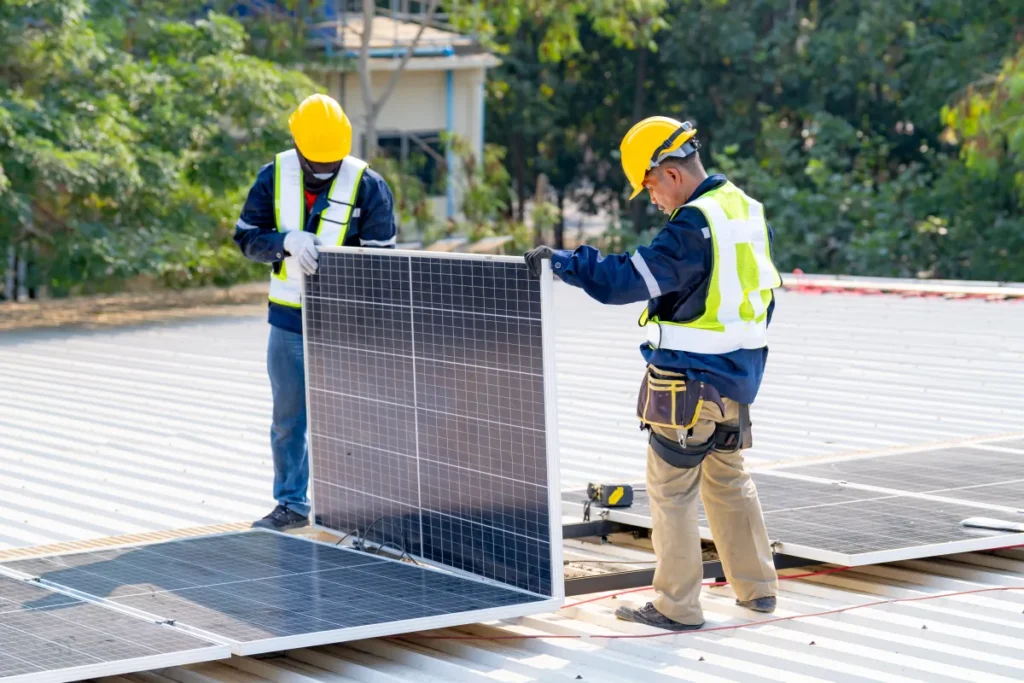
metal roof installation men technicians mounting photovoltaic solar moduls

Budget Examples (Small / Mid / Full Scope)

Every home is different, so treat these as hypothetical examples meant to show how scope shifts budget and schedule. Also, A site walk and your electric usage are what turn ranges into a real number.

Small Scope: Solar-Only (Starter)

  • Typical range (before incentives): $12,000–$20,000
  • Often includes: roof‑mounted array, inverter equipment, standard electrical tie‑in.
  • Best for: lower-usage homes or homeowners starting small.

Mid Scope: Solar-Only (Most Common)

  • Typical range (before incentives): $20,000–$32,000
  • Often includes: larger array sizing and more involved wiring runs.
  • Best for: families with higher kWh usage, EV charging, or plans to electrify more appliances.

Full Scope: Solar + Electrical Upgrades And/Or Battery

  • Typical range (before incentives): $32,000–$60,000+
  • Often includes: solar plus a battery, panel/service upgrades, or added scope found at the site walk.
  • Best for: homeowners prioritizing backup power or combining solar with other electrical improvements.

These are ranges, not quotes. For this reason, Roof type, attic access, and electrical layout can simplify the job or add complexity that moves the price.

Financing Options To Consider

Many homeowners prefer to spread costs out rather than paying everything upfront. Also, While we don’t represent a specific lender, these are common ways people fund a solar project.

  • Cash: simplest paperwork and no interest, but it ties up liquidity.
  • Home equity loan or HELOC: can offer lower rates than unsecured credit, though terms vary by bank and situation.
  • Solar loan: structured for this type of purchase; compare fees, term length, and any lien requirements.
  • Cash-out refinance or remodel loan: sometimes used when solar is part of a larger home improvement plan.
  • Lease/PPA-style agreements: can lower upfront cost, but they may complicate resale—read transfer terms carefully.

Compare the total repayment, not just the monthly payment, so the remodel cost stays clear on paper.

How Long It Takes (Typical)

Solar installs feel quick on the day crews are on the roof, but the calendar includes design, plan review, and final approvals. Overall, For a straightforward roof-mounted system in Folsom, a realistic window is often a few weeks to a couple of months depending on permitting and scope.

Timeline: Week-By-Week Overview

  1. Week 0–1: Site visit, roof/electrical check, and preliminary design based on your usage goals.
  2. Week 1–2: Finalize layout and equipment, complete engineering documents as needed, and prepare permit submittals.
  3. Week 2–6: City plan review and permit issuance (timing varies with workload and project complexity).
  4. Week 3–7: Installation (often 1–2 days) plus planned electrical work, then inspections are scheduled.
  5. Week 4–10: Final inspection and the remaining approvals before the system is energized.

How To Keep Things Moving

  • Have recent utility bills ready so sizing is based on real usage.
  • Decide on battery backup early; changing direction mid-design can reset paperwork.
  • Clear access to the attic and electrical panel for the site visit and install day.
  • If an HOA applies, start their review early so it doesn’t become the bottleneck.
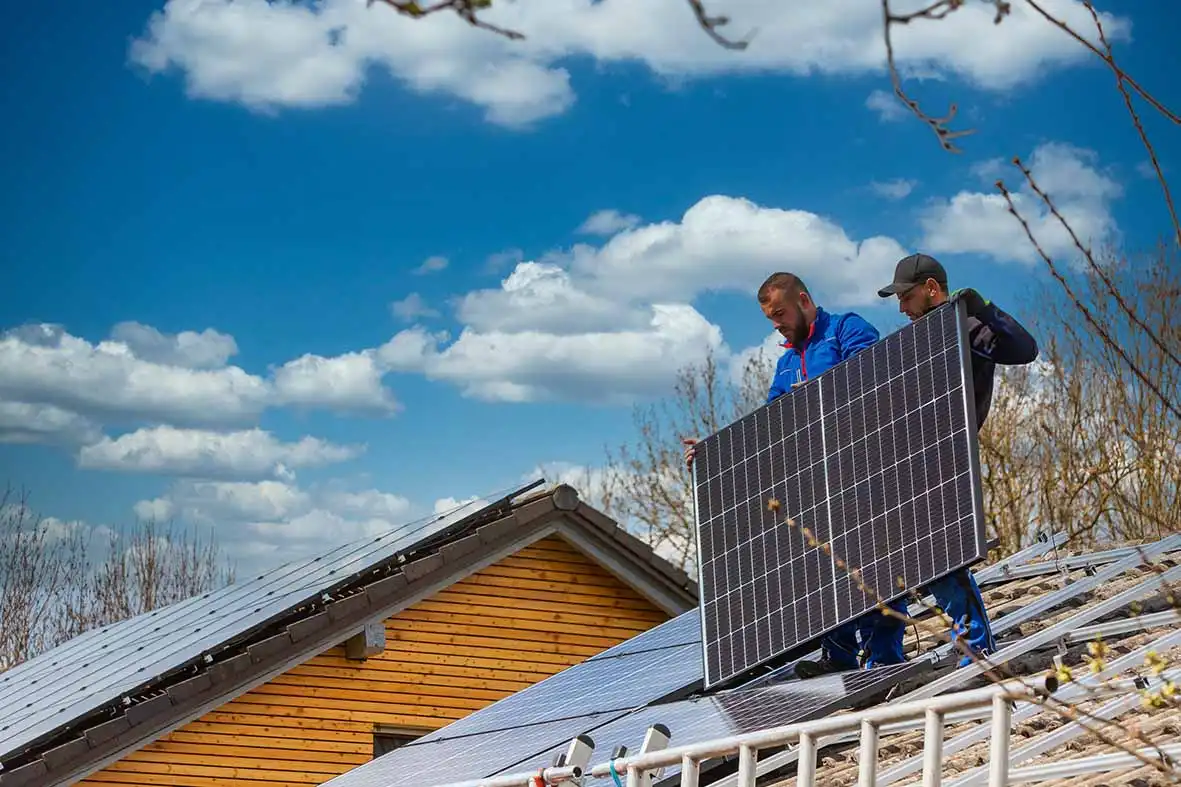
metal roof installation technicians carrying photovoltaic solar module whi

Book A Real Estimate

Online ranges are useful, but they can’t see your roof lines, panel capacity, or wiring routes. US Construction & Remodeling Corp. Also, provides a site-based, itemized estimate so you can decide with numbers that match your home—not a generic average.

Book your free estimate online (fastest), or call +1 (916) 234-6696 to schedule by phone.

Permits And Inspections In Folsom (High Level)

Solar installations and related electrical work typically require permits and inspections. In addition, In Folsom, applications, plan review tracking, payments, and inspection scheduling are commonly handled through the city’s ePermit Center (eTRAKiT). Meanwhile, The exact steps depend on your scope (solar-only vs. Additionally, solar plus electrical upgrades), but the goal stays the same: verify the installation meets code and can be safely energized.

  • Permit submittal: plans and equipment details are submitted for review.
  • Inspections: the city reviews the finished work on-site after installation.
  • Final approval to energize: once inspections are complete, the remaining approval steps are coordinated before the system goes live.

What You’ll Get From Our Estimate

  • Recommended scope and system sizing based on your goals and roof constraints
  • Itemized pricing that separates equipment, labor, and likely add-ons
  • A practical schedule showing what happens each week
  • Clear options if your project includes roofing or electrical upgrades

Helpful Links

Licensed, insured & trusted local contractor

US Construction & Remodeling Corp.
9821 Business Park Dr, Sacramento, CA, 95827
Phone: +1 (916) 234-6696

CSLB License #: 1117562 Fully licensed and insured.

View our Google Business Profile

Leave a comment

This website uses cookies to improve your web experience.
Explore
Drag