Skip links

Solar Panels Vs DIY In Los Angeles

If you searched for solar panels vs diy in Los Angeles, you're probably deciding between saving money upfront and protecting your schedule (and your roof) long term. The install day is rarely the bottleneck; paperwork, inspections, and utility approval can be.

This guide from US Construction & Remodeling Corp. breaks down what DIY can reasonably cover, what tends to require a licensed pro, and how to plan materials so you don't buy the wrong kit.

TL;DR: DIY works well for research, measurements, and comparing equipment, but most rooftop solar still needs a permit package and code-compliant electrical work. A complete roof layout and an electrical scope up front keeps timelines tighter. Plan the project like a contractor would, then decide which pieces you can safely handle.

Quick Checklist

  • Confirm your roof is in good condition and has enough remaining life.
  • Identify shaded areas and the roof planes that get the most sun.
  • Take clear photos of your main electrical panel and service disconnect.
  • Write down your goals: bill offset, future EV, backup power, and appearance.
  • Factor in Los Angeles permitting and inspections before you order materials.
  • Decide who will produce the drawings, handle roof attachment, and complete electrical work.

Use the sections below to compare DIY vs professional installation with fewer surprises.

Common Pain Points With Solar Panels Vs DIY In Los Angeles (And Fixes)

DecisionWhy it mattersQuick check
Roof conditionInstalling over an aging roof risks rework later.Inspect first and plan reroof timing if needed.
System sizeDetermines cost and energy offset.Size from real kWh usage and shading.
Inverter typeAffects monitoring and shade performance.Compare microinverters vs string + optimizers.
Permits & interconnectionApprovals can drive the schedule.Ask who handles permits/utility and expected timelines.

DIY solar gets marketed like a kit you bolt on and plug in. As a result, In real homes, the details matter: roof attachment, electrical capacity, and documentation for permits and inspections. These are the pain points that most often derail timelines in Los Angeles, along with practical fixes.

  • Unclear scope: Tasks get split up without clear ownership. Overall, Fix: Assign who handles roof work, also electrical work, drawings, and inspection coordination before buying materials.

  • Roof penetration anxiety: Leaks are a real concern when mounts are installed incorrectly. Meanwhile, Fix: Use the right flashing approach for your roof type and insist on clean, documented waterproofing details.

  • Main panel surprises: Homeowners discover late that the electrical service needs upgrades. For this reason, Fix: Review your main panel and service capacity early, and budget for electrical panel upgrade work if needed.

  • Ordering equipment too soon: A kit is purchased before setbacks, conduit routing, or mounting constraints are confirmed. In addition, Fix: Finalize a roof layout and electrical scope first, then order matching components.

  • Inspection delays: Missing labels, unclear drawings, or incomplete spec sheets can trigger corrections. Additionally, Fix: Keep a complete document packet ready (plans, cut sheets, photos) and verify labeling expectations before inspection day.

  • Warranty confusion: Paperwork is scattered and serial numbers are lost. For example, Fix: Save all spec sheets, serial numbers, and installation documents in one folder for maintenance and resale.

Online Permitting And Inspection Windows

Los Angeles Department of Building and Safety (LADBS) provides online services for permitting and plan review. Also, A clean drawing set and complete spec sheets reduce revisions, which helps your timeline. Build the paperwork into the plan from day one, not after materials arrive.

  • Keep roof photos, attic access notes, and a simple roof sketch ready.
  • Collect equipment cut sheets (panels, mounting, and power conversion equipment) before submittal.
  • Plan your conduit path and shutoff locations so the installation looks intentional and passes inspection.
  • Leave room in your schedule for plan review comments and a re-inspection if corrections are necessary.

DIY is not all-or-nothing. Meanwhile, Many homeowners do the research and planning themselves, then hire a qualified crew for roof attachment and electrical work so the project stays safe and permit-ready.

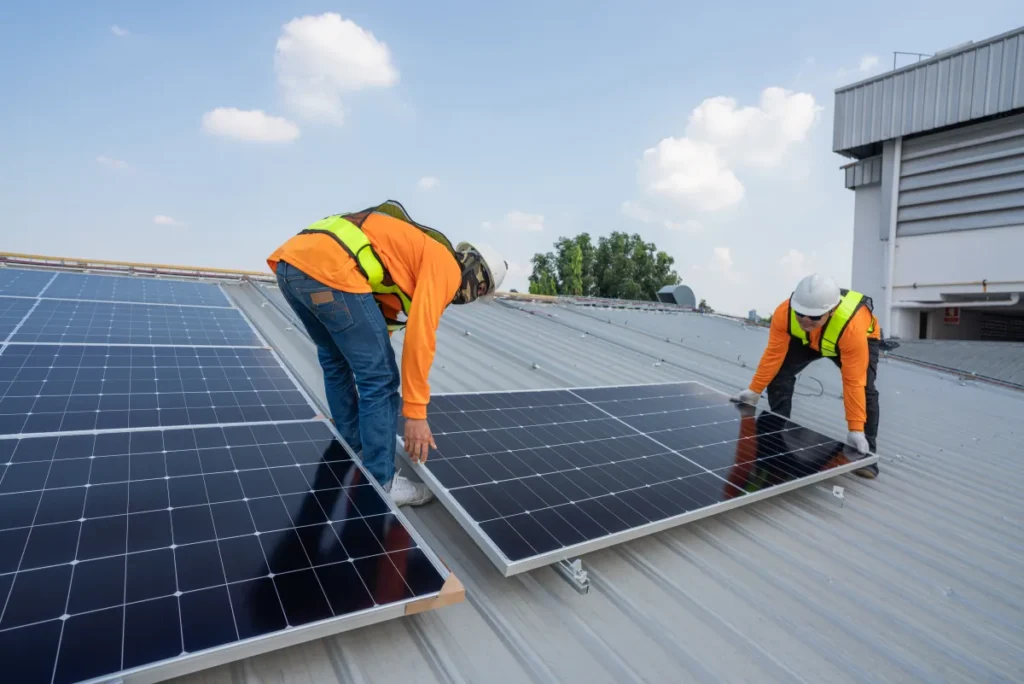
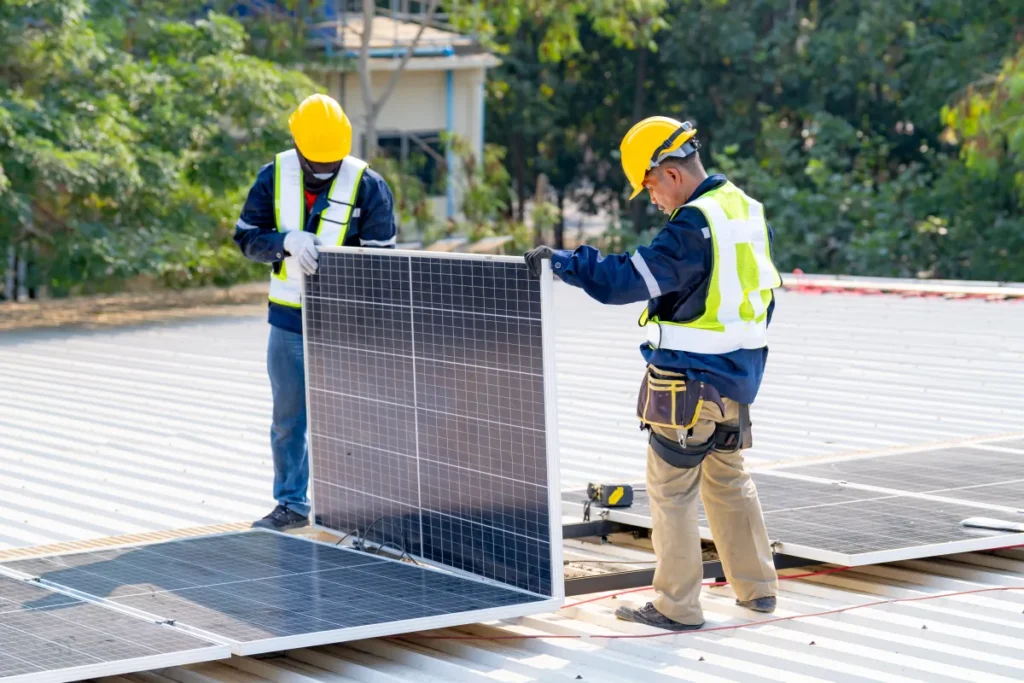
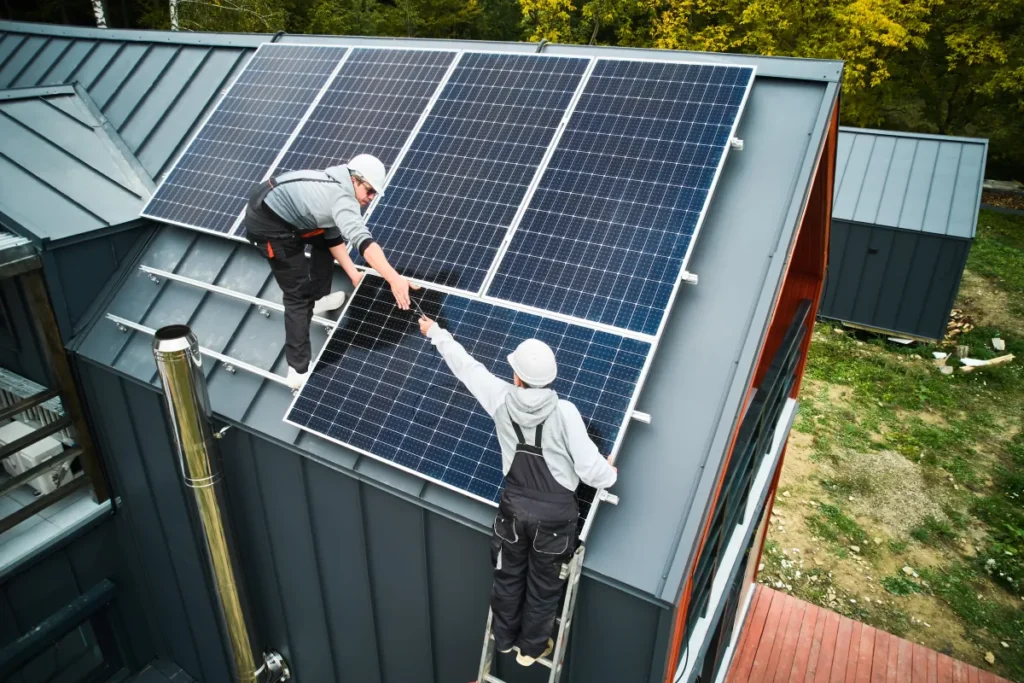
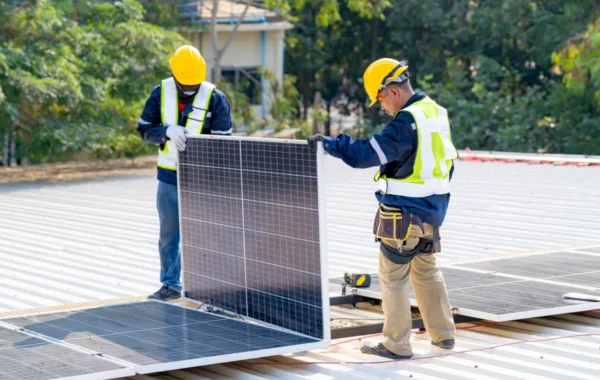
solar panel men technicians carrying photovoltaic solar moduls

Planning, Budget, And Materials

Planning is where DIY either wins or falls apart. Additionally, Even if you hire out the installation, this checklist helps you compare proposals and keep control of budget and schedule.

Planning Inputs To Gather Before Sizing The System

  • Recent electric bills (to understand usage patterns and goals).
  • Wide-angle roof photos plus close-ups of roof edges, vents, and chimneys.
  • A few time-of-day photos showing shade on the roof (morning, midday, late afternoon).
  • Clear photos of your main electrical panel and any subpanels.
  • Any planned changes that affect load (EV charger, addition, major HVAC upgrade).
  • HOA or building restrictions, if they apply to your property.

Making The Roof Work For You

Layout planning is where the solar panels vs diy question becomes practical. Meanwhile, A good layout balances energy goals with roof constraints and aesthetics, while leaving access for roof maintenance.

  • Roof planes: Identify which planes have the best sun exposure and the fewest obstructions.
  • Setbacks and clearances: Leave the required space near edges and ridges so inspections and roof service stay straightforward.
  • Conduit routing: Decide where conduits will run so the finish looks clean and protected.
  • Mounting points: Confirm attachment locations and waterproofing details before anything gets drilled.
  • Future roof work: If the roof is nearing end-of-life, consider roof repair or replacement planning so you are not removing panels later.

Small-Roof And Tight-Space Layouts (Common In Los Angeles)

Some homes have limited usable roof area due to vents, skylights, multiple roof planes, or shade. Overall, Tight layouts can still work, but they require more careful planning.

  • Use fewer, higher-output panels if roof space is limited (compare panel dimensions, not just wattage).
  • Spread panels across multiple roof planes if one area cannot fit the full layout.
  • Prioritize a layout that keeps walking paths and service access practical.
  • Address shade early with a realistic energy target so you do not overspend on panels that will underperform.

Materials And Documentation To Specify Before You Buy

DIY projects often go sideways because the materials list is incomplete. As a result, A professional scope typically spells these out in writing.

  • Panel make/model, dimensions, and warranty terms.
  • Racking and mounting hardware compatible with your roof type.
  • Flashing and waterproofing method (this is not the place to improvise).
  • Conduit type, routing plan, and exterior finish expectations.
  • Disconnects, breakers, and required safety labels/placards.
  • Monitoring method and what data you will have access to after commissioning.

Timeline And Permit Considerations

In Los Angeles, timelines are shaped as much by approvals as by labor. Overall, LADBS supports online services for permitting and plan review, which helps, but the speed still depends on how complete your submittal is and how quickly corrections are addressed.

Budget Ranges & Timeline (Typical)

  • Budget: Driven by system size, equipment quality, roof condition, and electrical scope.
  • Hidden cost drivers: Roof repairs, electrical upgrades, and access requirements can move the number more than the panels do.
  • On-site work: Installation is often a short phase (days) once materials and approvals are in place.
  • Approvals: Plan review, inspection scheduling, and utility permission to operate can take weeks depending on scope and rework.
DecisionWhy it mattersDIY riskBest practice
Roof conditionPanels should not go on a roof that will need replacement soonPaying twice to remove/reinstall panelsConfirm roof life and repair needs before install
Electrical capacityCode-compliant connections must match your service and panelFailed inspection or costly late-stage upgradesReview the main panel early and scope upgrades up front
Layout and clearancesSetbacks and access affect inspection and roof maintenanceRework after the layout is already installedFinalize layout on paper before ordering materials
Permit drawingsIncomplete plans trigger corrections and delaysMultiple plan check cyclesSubmit complete drawings and cut sheets the first time
DocumentationWarranties, maintenance, and resale depend on recordsLost serial numbers and unclear ownership historyKeep a single folder of plans, approvals, and equipment docs

What Future Buyers Will Ask For

Solar can support resale value when the work is documented and clearly permitted, but sloppy paperwork can create headaches at closing. Also, Think like a future buyer: they want confidence that the system is safe, legal, and maintainable.

  • Keep permit approvals and final inspection sign-off.
  • Save equipment spec sheets, serial numbers, and warranty documents.
  • Store a simple system summary: panel count, layout, and shutdown locations.
  • Document any roof repairs completed before installation.

Before/After Example (Hypothetical)

Before: A homeowner planned a DIY install to save money, but the roof had limited open space and the main panel photo showed a crowded breaker layout. Overall, Materials were already in the cart, yet the layout and electrical scope were not confirmed.

After: The homeowner paused the order, finalized a roof layout that avoided obstructions, scoped the electrical work up front, and submitted a complete permit package. As a result, The on-site work went smoothly because the mounting plan, conduit path, and inspection expectations were decided before the first hole was drilled.

How To Avoid Costly Mistakes

The most expensive mistakes are the ones that force rework: uninstalling panels to fix waterproofing, swapping mismatched components, or repeating inspections due to missing details. Overall, A little discipline early protects both budget and timeline.

Common Mistakes Homeowners Make

  • Buying a kit before confirming roof setbacks, layout, and mounting constraints.
  • Skipping a roof condition check and installing over worn roofing.
  • Underestimating electrical complexity and leaving it to the last week.
  • Improvising waterproofing details instead of using proven flashing methods.
  • Ignoring labeling, shutoff requirements, and documentation needed for inspection.
  • Assuming the project ends at installation instead of planning for commissioning and utility approval.

Maintenance Tips After Installation

  • Check your monitoring regularly so you spot issues early.
  • Clean panels gently if needed; avoid aggressive tools that can damage surfaces.
  • Inspect roof penetration areas periodically for seal integrity (especially after heavy weather).
  • Keep trees trimmed to reduce shade and debris buildup.
  • Store your permit and warranty documents where you can find them fast.

CTAs That Match Your Schedule

If you're planning around a move, a roof replacement, or a tight calendar, choose the contact option that fits your timeline.

  • Timeline-first planning: Use the online booking link to schedule a planning call and map approvals, ordering, and install windows.
  • Talk it through now: Call +1 (916) 234-6696 for a quick scope check based on your roof and panel photos.
  • Budget clarity: Ask for a written estimate that separates equipment, roof work, and electrical work so you can compare apples-to-apples.

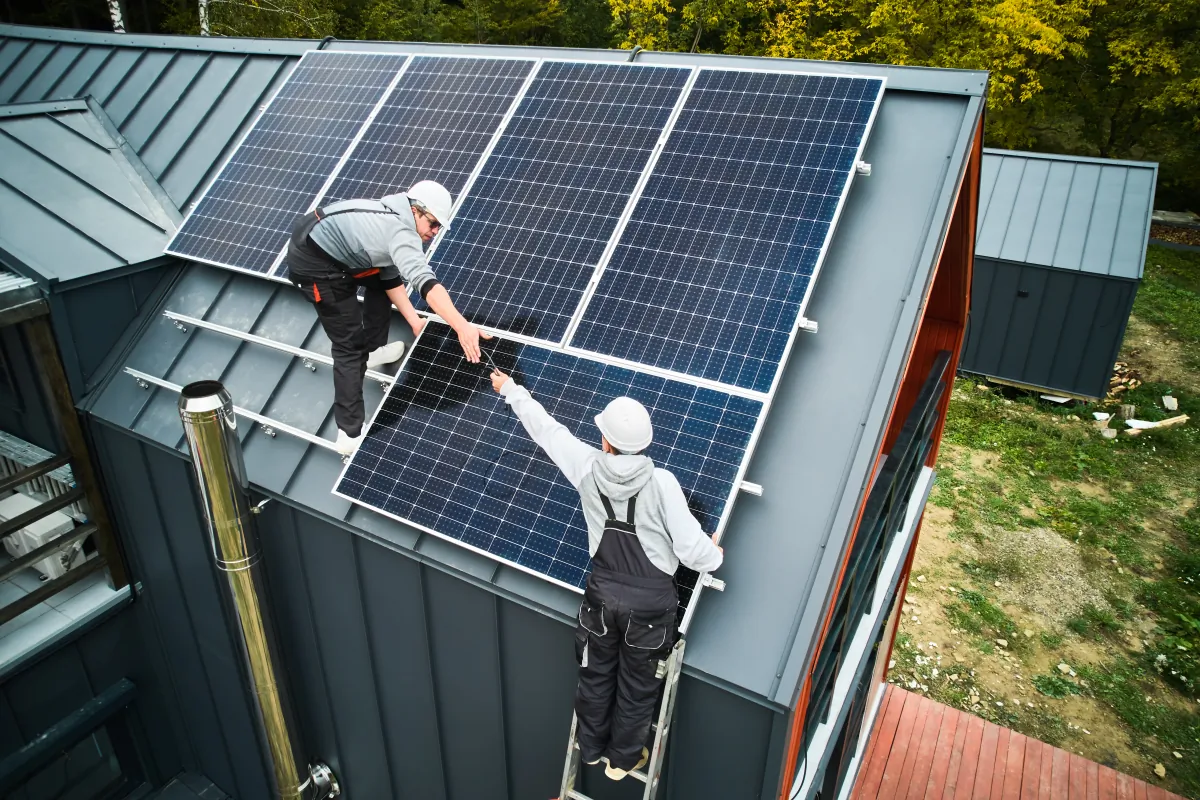
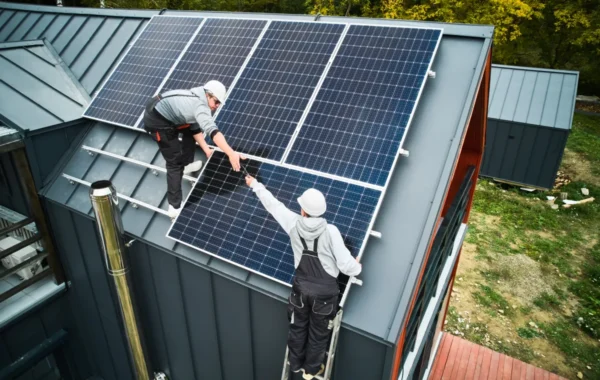
solar panel men workers installing solar panels on roof of hou

Next Step For Homeowners In Los Angeles

US Construction & Remodeling Corp. As a result, helps Los Angeles homeowners compare DIY vs contractor-installed solar by turning your roof, electrical panel, and goals into a permit-ready scope and a realistic schedule.

Book a planning call to talk through timeline, likely blockers, and what to do next before you spend money on materials.

Prefer phone? Call +1 (916) 234-6696 and we will help you sanity-check your plan.

Trust And Verification Checklist

  • Confirm the contractor is properly licensed and insured for the work being performed (ask for documentation; no guesswork).
  • Get a written scope that spells out roof attachment, waterproofing details, and who does the electrical work.
  • Clarify who is responsible for permits, plan review responses, and inspection scheduling.
  • Expect clear communication: schedule milestones, material lead times, and what is necessary from you.
  • Verify workmanship with photos of key steps and a final inspection sign-off, plus organized warranty documents.

Company Details

Helpful Links

Frequently Asked Questions

You can handle some homeowner tasks (research, measurements, shopping, gathering photos), but rooftop solar typically still requires permits, inspections, and code-compliant electrical connections. For safety and inspection success, many homeowners DIY the planning and hire a qualified pro for roof attachment and electrical work.

  • DIY-friendly: roof photos, shade checks, bill review, proposal comparisons.
  • Often pro-led: roof penetrations/flashing, main panel work, permit drawing package.

The biggest cost swing is usually not the panels themselves. Budget changes when roof work, electrical upgrades, access challenges, and corrections/rework enter the picture.

  • Roof condition and needed repairs before mounting.
  • Main electrical panel capacity and upgrade needs.
  • System size, equipment tier, and mounting complexity.
  • Permits, inspections, and time spent fixing failed inspections.

Timelines vary by scope, but the calendar is often driven by paperwork and approvals more than the install day itself. Plan for planning/design, permitting/plan review, materials, installation, inspection, and utility permission to operate.

If you want speed, the best lever is a complete, accurate submittal package and a realistic schedule for inspection windows.

Many rooftop solar installations require permits and inspections, and requirements can vary by project details and address. Check current guidance through LADBS and make permitting part of your plan from the beginning.

Unpermitted work can create issues later (insurance questions, resale delays, or required corrections), so it is worth handling properly.

A strong proposal reads like a checklist, not a vague promise. It should make it easy to compare contractors and reduce change orders.

  • Panel make/model, quantities, and warranty terms.
  • Mounting and flashing/waterproofing approach for your roof type.
  • Conduit routing plan and exterior finish expectations.
  • Electrical scope (disconnects, breakers, labels) and who performs it.
  • Documentation you will receive at the end (plans, approvals, warranty folder).

Ask questions that protect your roof, your inspection outcome, and your timeline.

  • Who pulls the permit and responds to plan review comments?
  • Who does the electrical work, and what panel upgrades might be required?
  • How are roof penetrations flashed and documented?
  • What is the expected schedule (including approvals), and what could delay it?
  • What documents will I receive for maintenance and resale?

Want to talk through your timeline before choosing a direction? Use the booking page or call +1 (916) 234-6696.

Licensed, insured & trusted local contractor

US Construction & Remodeling Corp.
9821 Business Park Dr, Sacramento, CA, 95827
Phone: +1 (916) 234-6696

CSLB License #: 1117562 Fully licensed and insured.

View our Google Business Profile

Leave a comment

This website uses cookies to improve your web experience.
Explore
Drag