Skip links

Vinyl Tile or Laminate: How to Choose for Your Home

Choosing between vinyl tile laminate flooring sounds simple until you factor in water, pets, sunlight, and the condition of the subfloor (the structural layer under your finished floor).

Quick checklist:

  • Define the scope and your must-have outcome (performance, budget, timeline).
  • Confirm what work is involved and the order of operations.
  • Finalize measurements and key selections before ordering long-lead materials.
  • Collect 2–3 quotes and compare line-by-line (scope, allowances, cleanup, warranty).
  • Create a simple schedule and pre-order the items that most often cause delays.

This guide shows how to compare materials, plan the scope, and understand what a professional install should include. US Construction & Remodeling Corp. uses the same checklist on real jobs so homeowners get clear answers before work starts.

TL;DR: Vinyl is usually the safer pick anywhere spills or wet shoes are common. Laminate can feel firmer underfoot and can look very close to wood when you choose a quality core and finish. Prep work and clean transitions make the biggest difference in how the floor performs.

  • List the rooms and how each one gets used.
  • Mark water-risk zones: entries, kitchens, laundry, and bathrooms.
  • Check for soft spots, slope, or squeaks before you buy material.
  • Decide if you will replace baseboards/trim or reuse them.
  • Confirm floor height changes at doors, appliances, and stairs.
  • Ask for a written estimate that spells out prep, install, and cleanup.

What To Expect From A Licensed Team For Vinyl Tile Laminate

Decision Why it matters Quick check 
Scope Defines what is included and prevents surprises. Write a line-item scope and allowances list. 
Site constraints Access and hidden conditions can change the plan. Check access and existing surfaces before work starts. 
Selections Long-lead items can drive the schedule. Confirm availability before starting. 
Permits Some scopes require approvals and inspections. Ask your city/county what applies to your project. 
  • Choose a plank look (wood style) or a tile look (stone style) that fits the room.
  • Pick a matte finish to cut glare and improve grip.
  • Match warm/cool undertones to cabinets, also paint, and existing trim.
  • Use wider planks to reduce the number of seams in open areas.
  • Run planks with the main sightline (often the longest wall) for a calmer look.
  • Plan doorway transitions and height changes before you order materials.
  • Decide up front whether baseboards and door casing stay or get replaced.
  • Add sound underlayment (a thin layer under the floor) when you want quieter steps.
  • Use a waterproof option near exterior doors, laundry areas, and pet zones.
  • Pick stair nosing and edge trim that matches the floor instead of mixing metals and colors.

A licensed flooring install should start with measuring, planning the layout, and checking the subfloor for flatness. Overall, Flat matters because both laminate and click-lock vinyl act like a single sheet once installed. If the surface dips or humps, you can get hollow spots, squeaks, or separated joints.

When you compare vinyl tile laminate options, ask how the crew handles prep, transitions, and trim. As a result, Those details control the finished look and help prevent callbacks.

Expect clear protection steps too. For this reason, That means covering nearby surfaces, controlling dust during demo, and staging materials so boxes do not block walkways. A professional scope also lists what happens at the edges: baseboards, quarter round, transitions at doors, and any door trimming needed for the new floor height.

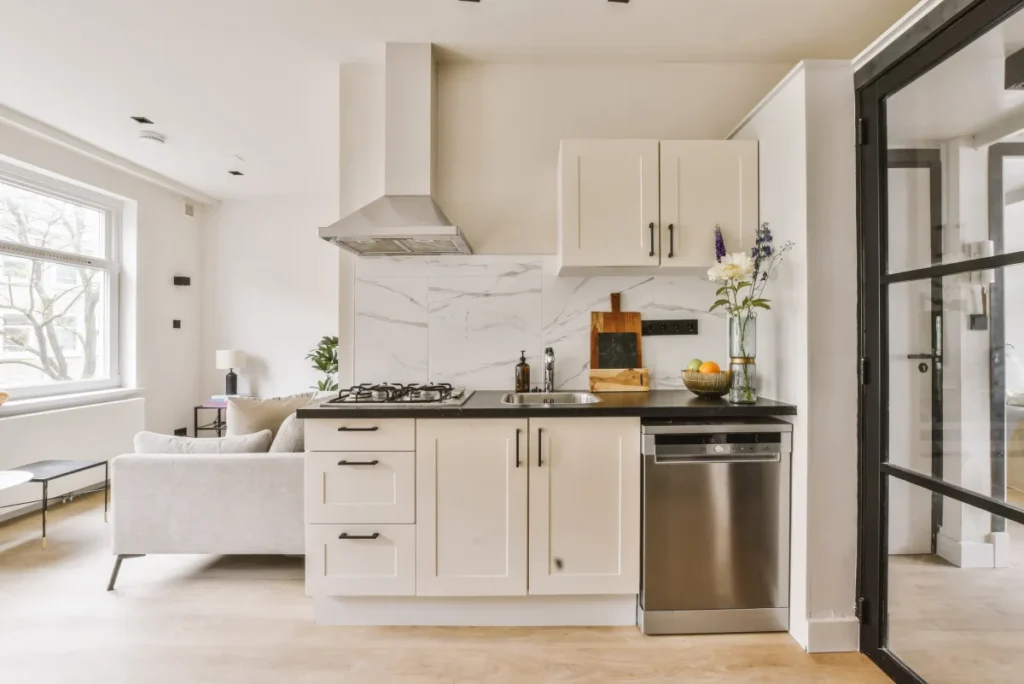
kitchen flooring young couple in love celebrating a new home in a

Quick Comparison You Can Use For Vinyl Tile Laminate

Use this quick table to spot the decisions that change price, schedule, and performance. Meanwhile, After that, you can compare specific products without guessing.

DecisionWhat it changesWhat to watch for
Moisture levelMaterial choiceVinyl handles water better; laminate needs fast cleanup.
Subfloor flatnessPrep timeMore leveling means more labor and patch material.
Floor thicknessTransitions and doorsThicker floors can require door trimming and new thresholds.
StairsLabor and partsNosing pieces and detailed cuts add time.
Baseboards/trimFinish qualityReplacing trim looks cleaner but adds carpentry and paint touch-up.

Two terms you will see in estimates: the wear layer is the clear protective top layer, and underlayment is the thin layer between the subfloor and the finished floor. Both affect comfort and sound. They also affect warranties, so the install method should match the manufacturer instructions.

Planning And Scope Decisions

Start with how you live in the space. In addition, A busy kitchen, a front entry, and a quiet bedroom ask for different slip resistance, sound control, and water protection. When you compare vinyl tile laminate choices across several rooms, plan transitions and heights early so the job does not stall at doorways.

Common Mistakes That Cause Rework

  • Buying material before checking for soft spots, rot, or uneven framing.
  • Ignoring how the new height affects appliances, doors, and toilet clearance.
  • Skipping expansion gaps (space at the edges) that prevent buckling.
  • Assuming a click-lock floor is automatically waterproof at the seams.
  • Forgetting stair parts, transitions, and matching trim in the material order.
  • Not setting a plan for furniture moves and access during the install.

Small-Space Layout Tricks

Small rooms magnify pattern and seam placement. Additionally, The goal is to make the space feel clean and intentional.

  • Run planks lengthwise in narrow halls to stretch the sightline.
  • Use a lighter, low-contrast color to reduce visual clutter.
  • In small bathrooms, choose vinyl with a textured surface for traction.
  • Limit transitions so the eye reads the floor as one surface.
  • Keep baseboards simple and consistent to avoid busy edges.
  • Use tile-look vinyl when you want grout lines without real grout maintenance.

What To Prioritize

Flooring affects first impressions. Also, Buyers notice squeaks, uneven boards, and messy transitions more than they notice a premium brand name.

  • Choose a neutral tone that works with multiple wall colors.
  • Keep the same material through main living areas when the layout allows it.
  • Spend on subfloor prep and clean trim lines; that is what people feel.

Related Remodel Upgrades To Consider

New floors often pair well with kitchen remodeling, bathroom remodeling, interior painting, baseboard replacement, and cabinet or countertop updates. For example, Bundling work can reduce repeated demo and touch-up, especially around toe-kicks and door casing.

Materials, Permits, And Scheduling

Vinyl tile usually means LVT (luxury vinyl tile) in either a tile shape or a plank shape. For this reason, Laminate uses a wood-based core with a printed design layer and a protective top coat. Both can look great, but they fail in different ways when the room conditions do not match the product.

Vinyl Tile Vs Laminate

If your main concern is water, vinyl tile wins more often. Also, It does not swell the same way a wood-based core can. That makes it a common choice for entries, kitchens, and laundry areas.

A strong vinyl tile laminate decision also depends on comfort and sound. Meanwhile, A thicker board and the right underlayment can make a floor feel solid instead of hollow.

Laminate can feel more rigid underfoot and can hide small subfloor texture better when you choose a thicker board. For this reason, Look for an AC rating (abrasion class) that matches your traffic level, and ask how the seams handle spills.

  • Pick vinyl tile when: you expect frequent spills, you have pets that track water, or you want a tile look without grout.
  • Pick laminate when: the area stays dry, you want a stiffer feel, and you like a true wood-look surface texture.

How Flooring Ties Into Kitchen Layouts And Finishes

Layout affects how the floor reads. Meanwhile, In a galley kitchen, planks running the long direction can make the aisle feel wider. In an L-shape or U-shape kitchen, plan seams so they do not land right at the main work triangle. With an island-centered kitchen, keep the pattern straight through the island area so the room feels grounded.

Coordinate finishes as a set. In addition, Shaker cabinet doors look great with simple, low-contrast floors. Slab doors (flat fronts) can handle bolder grain and wider planks. Raised-panel doors usually pair best with classic, medium-tone floors. For countertops, quartz and granite reflect more light, so a matte floor helps control glare. Laminate counters and butcher block read warmer, so avoid floors that are overly gray unless you balance the paint and lighting.

Lighting changes everything. Use layered lighting: ambient (overall light), task (over counters), and accent (toe-kick or display). For example, Check floor samples under all three so you do not get surprised by a color shift at night.

What Usually Applies

Many like-for-like flooring replacements do not require a building permit. For example, Permits can come into play when the job includes structural subfloor repair, moving walls, or changing plumbing or electrical. When permits apply, your contractor should spell out who pulls them and how inspections fit the schedule.

How A Flooring Project Typically Runs

  1. Walk the rooms, take measurements, and document transitions and stairs.
  2. Provide a written estimate with a clear scope and material assumptions.
  3. Confirm product, trim, and underlayment choices; order materials.
  4. Protect the home and remove the existing floor; haul away debris.
  5. Repair or level the subfloor as needed so the finish floor sits flat.
  6. Install the new flooring, then install transitions and trim.
  7. Clean up, review care instructions, and complete a final walkthrough.

Budget Ranges & Timeline (Typical)

  • Budget range: Most quotes swing based on subfloor leveling, stairs, trim work, and furniture/appliance moves.
  • Timeline: One room often takes 1–2 days; a whole level can take several days once materials arrive.
  • Big variables: Demo surprises, moisture barriers, and door/threshold adjustments can add time.

Quality Checks And Closeout

The last 10% of the job is where floors either look finished or look rushed. In addition, Closeout should cover fit, feel, and cleanup, not just a quick sweep.

Quality Checks Before The Walkthrough

  • Flatness and tight joints with no rocking boards.
  • Proper expansion space at walls and fixed cabinets.
  • Straight layout lines with consistent pattern and stagger.
  • Secure stair nosing and clean edges at landings.
  • Transitions that sit flush and do not trip.
  • Trim lines that sit tight with clean caulk where needed.
  • No leftover sharp fasteners, debris, or adhesive residue.

Maintenance Tips That Prevent Wear

Maintenance matters for any vinyl tile laminate floor. Additionally, Simple habits protect the joints and the surface finish.

  • Use felt pads on furniture and a mat at exterior doors.
  • Vacuum or sweep grit often; grit acts like sandpaper.
  • Damp mop with a manufacturer-approved cleaner; avoid steam mops.
  • Wipe spills quickly, especially on laminate seams.
  • Keep indoor humidity reasonable to reduce seasonal movement.

Trust Checklist Before You Sign

Use this quick screen so you know what you are paying for and how to verify the work.

  • Ask for licensing and insurance details in writing (no verbal promises).
  • Confirm who handles permits if the scope requires them.
  • Get a scope that lists subfloor work, transitions, trim, and disposal.
  • Set an update cadence (text/email) and confirm who answers questions.
  • Agree on how change orders are priced and approved.
  • Keep final payment tied to a walkthrough and punch-list completion.

kitchen flooring young couple in love celebrating a new home in a

Serving Homeowners In Sacramento

US Construction & Remodeling Corp. Meanwhile, helps Sacramento homeowners plan and install vinyl tile and laminate floors with clear scope, clean finish details, and straightforward communication.

For a vinyl tile laminate install in Sacramento, start with a written estimate. Use this booking page: https://usconstructioncali.com/free-estimate/. If you have a quick question first, call +1 (916) 234-6696.

Request A Written Estimate (What To Prepare)

The fastest way to get an accurate number is to share a few details up front.

  • Rooms included and an approximate square footage.
  • Photos of the current floor, baseboards, and any stairs.
  • Any soft spots, squeaks, or water damage you have noticed.
  • Whether you want new baseboards/trim or plan to reuse existing.
  • Your preferred material (vinyl tile, vinyl plank, or laminate) and color direction.
  • Target timing, plus any days you need the home kept walkable.

Business Details You Can Keep On File

US Construction & Remodeling Corp. | Phone: +1 (916) 234-6696 | Website: https://usconstructioncali.com/

Sacramento Permitting And Plan Review Basics (When They Apply)

Most flooring swaps stay in the maintenance category. When your project crosses into structural work or trade work, Sacramento homeowners typically route permitting and plan review through the City of Sacramento Community Development portal (Accela Citizen Access). Applications, payments, and status tracking are handled online, and inspections follow the approved scope.

Helpful Links

Frequently Asked Questions

For wet areas, vinyl is usually the safer choice because it handles water exposure better. Laminate can work in kitchens if you clean spills quickly and the seams stay protected, but it is a riskier pick for bathrooms.

If you want a tile look in a bathroom without grout upkeep, ask about tile-look LVT and slip-resistant textures.

Timeline depends on room count, furniture moves, and subfloor condition.

  • Single room: often 1–2 days once materials are on site.
  • Multiple rooms or a whole level: several days.
  • Subfloor leveling or repairs: can add time and may require drying time.

For vinyl tile laminate projects, labor and prep usually swing the total more than the material price.

  • Subfloor leveling, moisture barriers, and repairs
  • Stairs, closets, and tight cuts around cabinets
  • Baseboard/trim replacement and paint touch-up
  • Demo and disposal of existing flooring
  • Moving and reconnecting appliances safely

Many like-for-like floor replacements do not need a permit. Permits may apply when the scope includes structural subfloor work, moving walls, or changing plumbing or electrical.

If permits apply, confirm in writing who pulls them and how inspections affect the schedule.

A good estimate makes the scope easy to understand and easy to compare.

  • Exact rooms and square footage included
  • Demo, haul-away, and floor prep details
  • Underlayment, transitions, and trim/baseboard scope
  • Material assumptions (brand line, thickness, wear layer)
  • Schedule expectations and how change orders are handled

Keep grit off the surface and keep water from sitting at seams.

  • Sweep or vacuum regularly and use felt pads on furniture.
  • Damp mop with an approved cleaner; skip steam mops.
  • Wipe spills quickly, especially on laminate.
  • Use mats at exterior doors to reduce sand and small rocks.

Licensed, insured & trusted local contractor

US Construction & Remodeling Corp.
9821 Business Park Dr, Sacramento, CA, 95827
Phone: +1 (916) 234-6696

CSLB License #: 1117562 Fully licensed and insured.

View our Google Business Profile

Frequently Asked Questions

For wet areas, vinyl is usually the safer choice because it handles water exposure better. Laminate can work in kitchens if you clean spills quickly and the seams stay protected, but it is a riskier pick for bathrooms.

If you want a tile look in a bathroom without grout upkeep, ask about tile-look LVT and slip-resistant textures.

Timeline depends on room count, furniture moves, and subfloor condition.

  • Single room: often 1–2 days once materials are on site.
  • Multiple rooms or a whole level: several days.
  • Subfloor leveling or repairs: can add time and may require drying time.

For vinyl tile laminate projects, labor and prep usually swing the total more than the material price.

  • Subfloor leveling, moisture barriers, and repairs
  • Stairs, closets, and tight cuts around cabinets
  • Baseboard/trim replacement and paint touch-up
  • Demo and disposal of existing flooring
  • Moving and reconnecting appliances safely

Many like-for-like floor replacements do not need a permit. Permits may apply when the scope includes structural subfloor work, moving walls, or changing plumbing or electrical.

If permits apply, confirm in writing who pulls them and how inspections affect the schedule.

A good estimate makes the scope easy to understand and easy to compare.

  • Exact rooms and square footage included
  • Demo, haul-away, and floor prep details
  • Underlayment, transitions, and trim/baseboard scope
  • Material assumptions (brand line, thickness, wear layer)
  • Schedule expectations and how change orders are handled

Keep grit off the surface and keep water from sitting at seams.

  • Sweep or vacuum regularly and use felt pads on furniture.
  • Damp mop with an approved cleaner; skip steam mops.
  • Wipe spills quickly, especially on laminate.
  • Use mats at exterior doors to reduce sand and small rocks.

Leave a comment

This website uses cookies to improve your web experience.
Explore
Drag