
Manufacturer, series, approved application, profile, exposure, texture, factory or field finish, accessories, and warranty.
Engineered wood siding · California planning guide
Choose Engineered Wood Siding as a Complete Wall System
US Construction Remodeling helps homeowners move from a material category to a defined siding product, profile, finish, wall preparation, water-management detail, installation scope, maintenance plan, and written estimate.
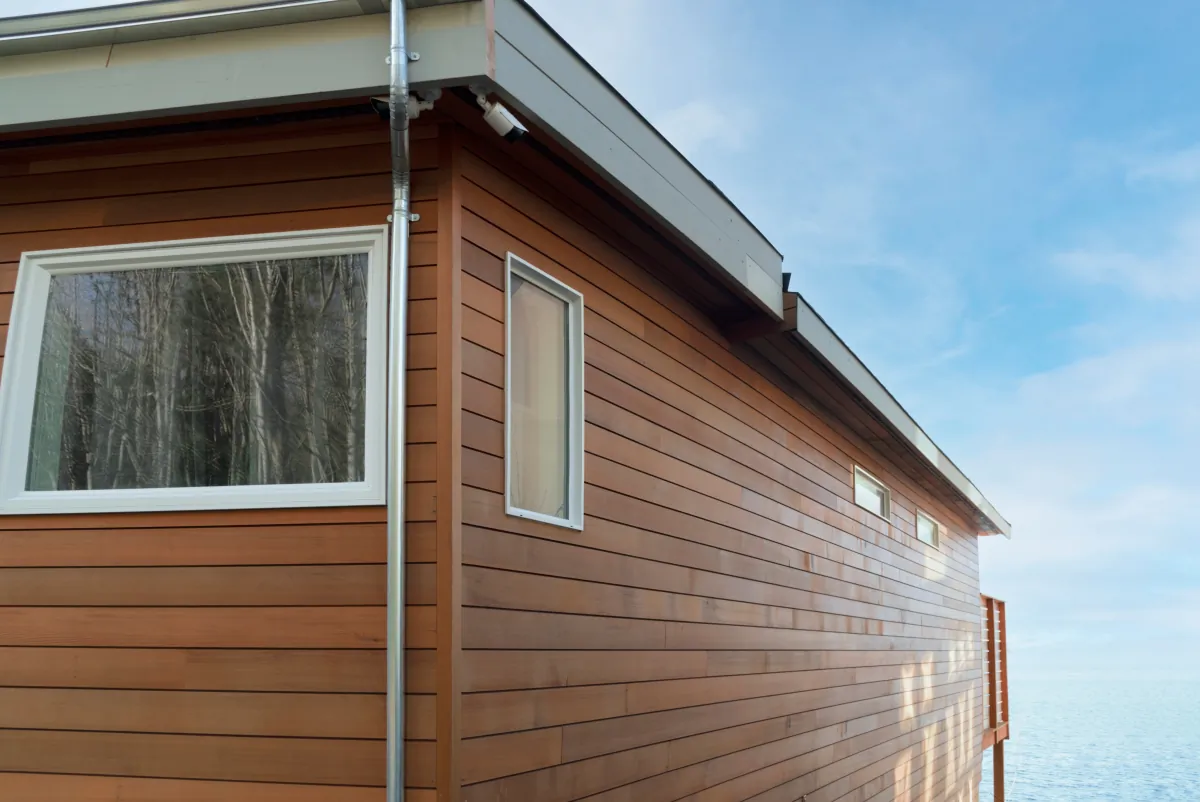
Engineered wood siding reference
Confirm the product and the complete wall specification together.
Profile, exposure, edges, fasteners, clearances, weather barrier, flashing, finish, storage, maintenance, and warranty conditions depend on the selected product.
Current siding, sheathing signs, openings, flashing, penetrations, grade, roofs, decks, transitions, access, and visible moisture paths.
Protection, removal, repairs, weather barrier, flashing, trim, siding, fasteners, finish, permits, cleanup, maintenance, and closeout.
Engineered wood product decisions
Verify the product before comparing bids.
A proposal that says only “engineered wood siding” does not define enough information for installation, price, appearance, maintenance, or warranty comparison.
| Decision | What to name | What to verify |
|---|---|---|
| Product series | Manufacturer, series, panel or lap product, approved wall application, dimensions, texture, and accessories | Current technical data, evaluation information when applicable, storage, handling, substrate, and warranty eligibility |
| Profile and layout | Horizontal lap or vertical panel, exposure, joint pattern, corners, openings, band boards, transitions, and reveal | Approved orientation, framing or sheathing support, fastening, joint, clearance, flashing, and aesthetic layout requirements |
| Finish system | Factory-finished or field-finished product, color, sheen, primer, topcoat, field cuts, exposed edges, sealant, and touch-up | Compatible coatings, application window, coverage, cut-edge treatment, maintenance, color limitations, and finish warranty |
| Service life planning | Cleaning, inspection, recoating or touch-up expectations, landscaping clearance, sprinklers, drainage, and repairs | Manufacturer maintenance instructions, warranty conditions, site moisture exposure, and owner responsibilities |
Material comparison
Compare exact products and complete scopes, not category slogans.
The right choice depends on the building, appearance, maintenance expectations, climate exposure, installation details, availability, and written warranty.
Manufactured wood-based system
Verify product series, approved use, moisture and clearance details, cut edges, joints, fastening, finish, maintenance, and warranty.
Mineral-based manufactured siding
Compare weight, handling, cutting controls, attachment, clearances, joints, flashing, finish, maintenance, and selected product instructions.
Different assemblies and ownership needs
Wood requires species and finish decisions; vinyl relies on movement, attachment, accessories, and profile choices. Neither should be used as a generic stand-in for engineered wood.
Repair or replacement
Match the intervention to the damage and available product.
A small visible defect does not always define the full moisture path. We document the affected courses or panels, adjacent transitions, matching limits, and the investigation needed before the scope is fixed.
- Repair isolated boards or panels only when profile, thickness, texture, exposure, finish, attachment, and integrations can be resolved
- Use a defined partial replacement when one wall or area has clear termination points and compatible transitions
- Evaluate full elevations when damage repeats, matching material is unavailable, or the wall assembly needs broader correction
- State sheathing and framing investigation limits, allowances, stop points, documentation, and written change authorization

Documented siding project
Sarah House shows completed siding coordination, not an engineered wood product claim.
US Construction Remodeling completed the published Sarah House siding replacement. The photograph supports our experience coordinating full elevations, openings, corners, trim, access, protection, and finish relationships.
The portfolio record does not identify the pictured material as engineered wood. Product identity is therefore not inferred.
What US Construction Remodeling can deliver
A siding scope that includes the wall behind the finish.
Our proposal can connect product selection with removal, concealed-condition rules, water management, installation, finish work, and closeout.
- Survey elevations, openings, penetrations, stories, access, transitions, existing damage, and drainage conditions
- Protect the site; remove and dispose of the included siding, trim, and associated materials
- Inspect exposed conditions and document included repairs, allowances, exclusions, and change authorization
- Coordinate weather-resistive barrier, flashing, openings, penetrations, corners, roofs, decks, grade, and dissimilar-material transitions
- Install the approved product, trim, accessories, fasteners, sealant, finish system, cleanup, punch work, and included closeout records
Measured budget framework
Cost follows area, wall condition, product, finish, and access.
A broad online range cannot define an individual house. The estimate identifies its quantities, selections, assumptions, allowances, and exclusions.
| Cost input | What is defined | Why it changes the estimate |
|---|---|---|
| Measured exterior | Wall area, openings, gables, waste, stories, staging, landscaping, utilities, and protection | Sets quantities, labor access, equipment, and included elevations |
| Removal and substrate | Existing layers, disposal, visible damage, sheathing or framing assumptions, repair allowances, and concealed conditions | Separates known work from investigation and authorized additional work |
| Product and finish | Exact siding, profile, exposure, trim, weather barrier, flashing, accessories, fasteners, factory finish or field coatings | Defines material, installation, coating, delivery, and warranty-related scope |
| Coordination | Permits, inspections, lead-safe requirements when applicable, schedule, occupants, cleanup, maintenance information, and closeout | Assigns responsibilities and project requirements outside the board quantity |
Product and permit references
Use current documents for the proposed product and address.
These sources support planning. The selected manufacturer, product series, current instructions, written scope, and authority having jurisdiction control the project.
Engineered wood siding FAQ
Questions that turn a category into a defined scope.
What should I verify before choosing engineered wood siding?
Verify the exact manufacturer, product series, approved application, profile, exposure, substrate, weather barrier, flashing, fasteners, clearances, cut-edge treatment, factory or field finish, maintenance instructions, and warranty conditions.
How does engineered wood siding differ from fiber cement?
They use different material systems, handling methods, cutting requirements, fastening rules, clearances, finish instructions, maintenance conditions, and warranties. Compare the exact proposed products and complete wall scopes rather than relying on category labels alone.
Can only the damaged courses be replaced?
Sometimes. A repair must match available profile, thickness, exposure, texture, finish, attachment, and wall details. Repeated moisture damage or unavailable matching material may make a larger defined replacement area more practical.
What happens if damaged sheathing is found after removal?
The proposal should state included investigation, repair allowances, stop points, documentation, and written change authorization. Concealed framing or sheathing work should not be treated as automatically included unless the contract says so.
Does engineered wood siding replacement require a permit?
Requirements depend on the project address and scope, especially when structural repairs, openings, or other regulated work are involved. The responsible jurisdiction and permit duty should be stated in the written proposal.
What should I send for an engineered wood siding estimate?
Send full-elevation photographs, close views of damage, corners, windows, doors, penetrations, grade and roof transitions, the number of stories, access limits, and any product, profile, texture, or color preference.
From product decision to installed wall
Request an Engineered Wood Siding Estimate
Share full-elevation photos, close views of damage, stories, access limits, openings, transitions, and any product, profile, texture, finish, or color preference through our complete estimate form.